
10 Everyday Things You Should Stop Buying and Start Making at Home

Many everyday household items can be prepared at home without spending extra money on store-bought alternatives. From simple cleaning solutions and salad dressings to spice mixes and decorative items, making certain things yourself can help reduce unnecessary expenses and give you more control over the ingredients and materials you use. With a few basic supplies and a little effort, you can create useful alternatives right at home. Here are 10 everyday things you can stop buying and start making yourself.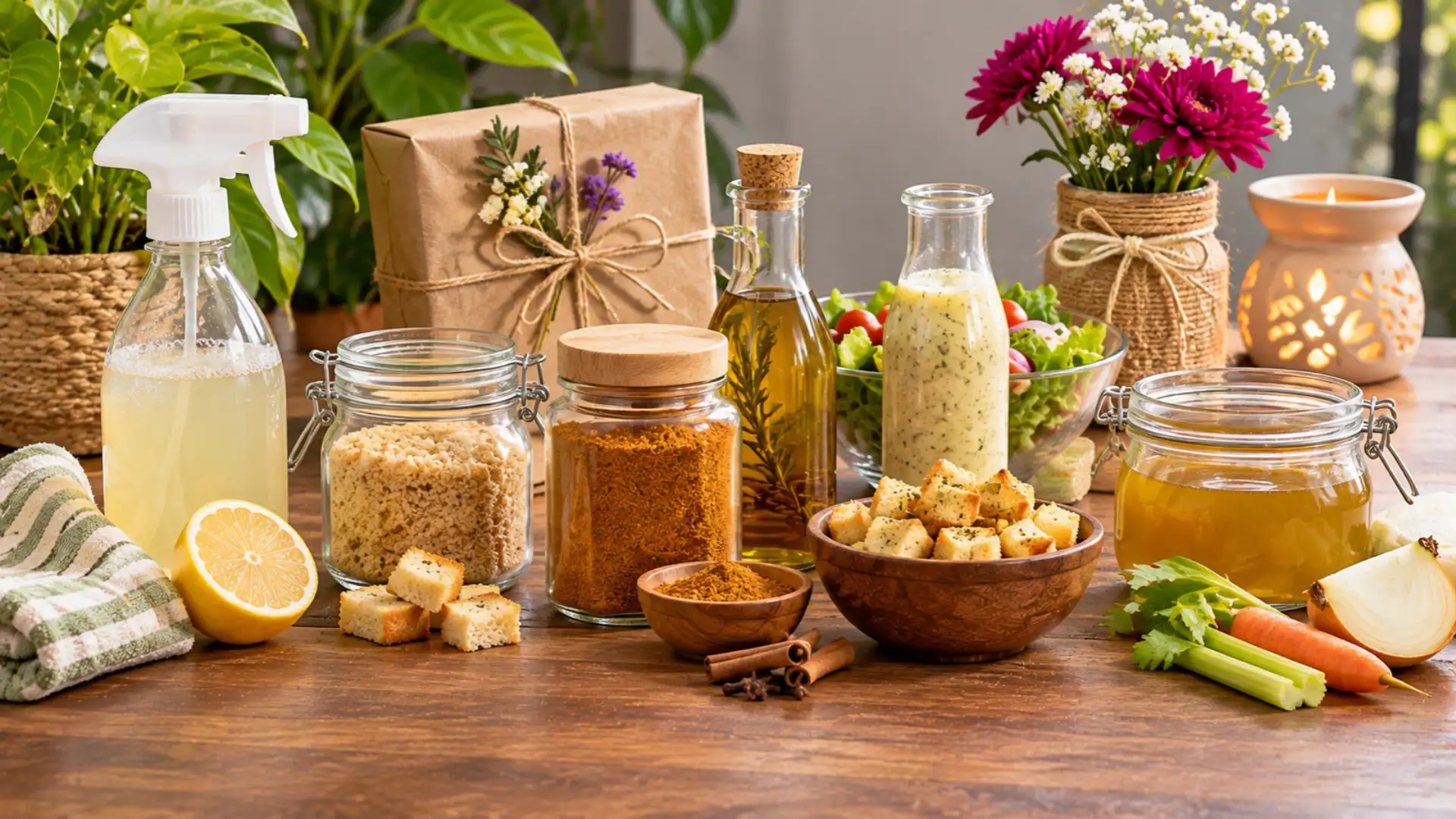
1. Homemade All-Purpose Cleaning Solution
Instead of purchasing a separate cleaner for every surface, you can prepare a simple cleaning solution at home. Mix a little mild dish soap with water in a spray bottle and use it for suitable washable surfaces such as countertops. Always check the surface manufacturer's cleaning instructions before using it. Avoid mixing cleaning products, especially bleach with vinegar or ammonia.2. Homemade Salad Dressings
Bottled salad dressings can be expensive, and some contain added sugar, salt and preservatives. You can make a fresh dressing by mixing olive oil, lemon juice, salt, pepper and a little mustard. For a creamy version, add plain yoghurt. Prepare small quantities and refrigerate perishable dressings.3. Homemade Spice Mixes
Ready-made spice blends are convenient, but you can easily prepare your own versions at home. Combine commonly used spices such as cumin, coriander, turmeric, chilli powder and garam masala according to your taste. Store the mixture in a clean, airtight container away from heat and moisture.4. Reusable Gift Wrapping
Instead of buying new gift-wrapping paper every time, reuse materials you already have at home. Old newspapers, fabric scraps, paper bags and leftover ribbons can be turned into attractive gift packaging. You can also decorate plain paper with simple drawings or handmade labels.5. Homemade Breadcrumbs
There is no need to throw away leftover bread that has become slightly dry. Allow it to dry completely, break it into pieces and grind it into breadcrumbs. Store them in an airtight container in the freezer or refrigerator to maintain freshness. They can be used for cutlets, patties and crispy coatings.6. Homemade Room Freshener
Instead of frequently purchasing artificial room sprays, try a simple homemade alternative. Simmer water with ingredients such as cinnamon sticks, orange peels or cloves to create a pleasant fragrance. Keep an eye on the pan while heating and never leave it unattended. Avoid using homemade mixtures as a substitute for proper ventilation or cleaning.7. Homemade Hair Oil Blends
You can prepare a simple hair oil blend by combining a carrier oil, such as coconut or almond oil, with another suitable oil of your choice. Store it in a clean, dry bottle and use a small amount when needed. Avoid adding fresh herbs or water-based ingredients unless you know how to prepare and store them safely.8. Homemade Croutons
Instead of buying packaged croutons for soups and salads, use leftover bread to make your own. Cut the bread into small cubes, lightly coat them with oil and season with herbs or spices. Bake until crisp and allow them to cool completely before storing in an airtight container.9. Homemade Decorative Items
You do not always need to buy new decorations to refresh your living space. Empty glass jars, old bottles, cardboard boxes and unused fabric can be transformed into decorative storage containers, pen stands, vases and small organisers. A little paint, ribbon or creativity can give these everyday items a fresh look.10. Homemade Vegetable Stock
Instead of buying packaged vegetable stock, prepare a simple version using vegetable scraps such as carrot ends, onion peels and celery leaves, provided they are clean and suitable for cooking. Simmer them in water with herbs and spices, then strain the liquid. Refrigerate the stock for short-term use or freeze it in small portions.Final Thoughts
Making everyday items at home does not mean giving up convenience or spending hours on DIY projects. Small changes, such as preparing your own spice mixes, reusing gift-wrapping materials and making simple food staples, can help reduce household expenses and unnecessary waste. Start with a few easy alternatives and gradually make them part of your routine.Next Story