
Evil Eye Rituals in India: From Chillies to Charcoal, Timeless Traditions of Protection

Evil Eye Rituals in India are more than just age-old customs - they are living traditions woven into daily life. Across the country, the belief in nazar or drishti suggests that envy, admiration, or even an unintended glance can attract misfortune or negative energy. While some see it as superstition, millions of Indian families continue to follow protective practices passed down through generations.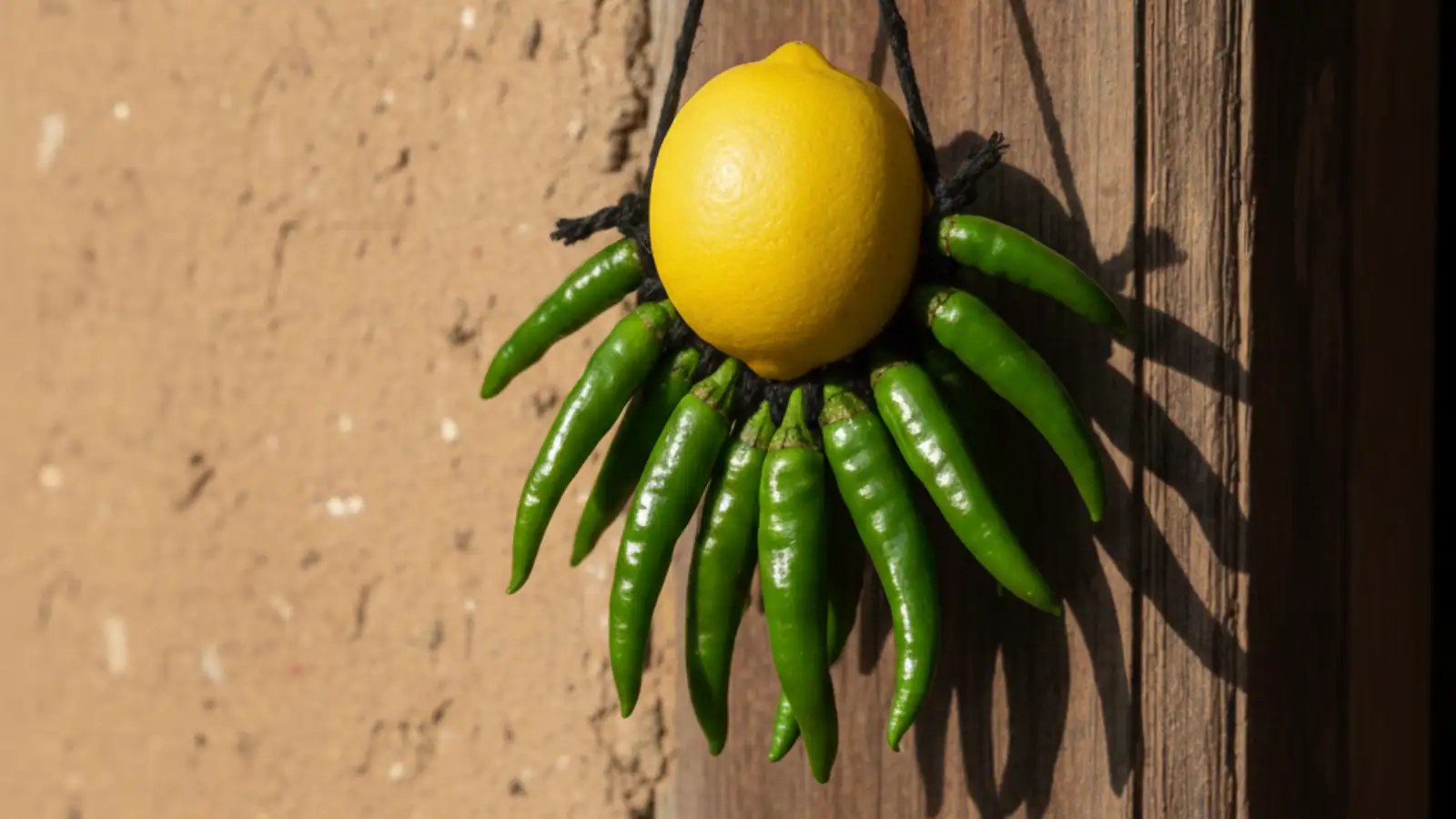
From simple household remedies to elaborate ceremonial acts, these rituals reflect India’s cultural diversity and spiritual depth. Let’s explore some of the most fascinating traditions used across regions to ward off the evil eye.
Lemon and Green Chillies: India’s Most Recognisable Nazar Protection
One of the most common symbols linked to protection against the evil eye is the string of lemon and green chillies. Frequently seen hanging outside homes, shops, offices, and vehicles - especially in North India - this charm is believed to absorb negative energy.
The sourness of the lemon and the sharp heat of the chillies are thought to repel harmful forces. Once the charm is believed to have absorbed negativity, it is discarded and replaced with a fresh one, ensuring continued protection. This simple ritual remains a powerful visual reminder of India’s enduring faith traditions.
Black Dolls on Rooftops: Guarding New Beginnings
In many parts of South India, large black dolls or dramatic effigies are displayed on rooftops or tied to newly constructed buildings. These striking figures, often with exaggerated facial features, are meant to scare away negative influences.
Builders and homeowners believe that new ventures attract attention—and sometimes jealousy. The fierce appearance of these dolls symbolises protection and acts as a deterrent against the evil eye.
Burning Mustard Seeds and Red Chillies: Smoke That Cleanses
In states like Maharashtra and Gujarat, families often burn mustard seeds or dried red chillies to remove the effects of nazar. The smoke produced during the ritual is believed to carry away negative vibrations.
This cleansing practice is commonly performed when a child falls ill unexpectedly or when sudden misfortune strikes. The ritual draws from the belief that fire purifies and transforms, restoring balance and positivity.
Kajal Marks on Children: A Protective Black Dot
Across India, parents place a small black dot of kajal behind a child’s ear or on the sole of the foot. Contrary to popular belief, this is not a cosmetic practice but a protective one.
The black mark is thought to divert unwanted attention and shield the child from harm caused by the evil eye. It’s a subtle yet deeply symbolic gesture rooted in parental care and cultural belief.
Coconut Rituals: Breaking Negativity Away
In coastal regions like Kerala, coconuts hold spiritual significance in rituals designed to ward off bad energy. Breaking a coconut during ceremonies symbolises shattering negativity and inviting purity.
In some households, a coconut is rotated around a person believed to be affected by nazar and then broken outside the home, representing the destruction of harmful influences.
Charcoal and Salt Cleansing: Absorbing Negative Energy
In parts of Rajasthan and Uttar Pradesh, charcoal pieces or rock salt are used in cleansing rituals. The items are rotated around the person or object believed to be under the evil eye and then discarded.
Salt, in particular, is regarded as a powerful purifier capable of neutralising harmful vibrations. This ritual is simple but deeply symbolic, emphasising the removal of unseen negativity.
Protective Threads and Amulets: Faith as a Shield
Across religions and regions, Indians wear protective threads and amulets to guard against envy and misfortune. In many Hindu households, red or black sacred threads blessed at temples are tied around wrists or ankles.
In Muslim families, lockets containing Quranic verses are worn for spiritual protection. These talismans serve not only as safeguards against the evil eye but also as constant symbols of faith and resilience.
A Living Tradition of Belief and Culture
Evil eye rituals in India continue to thrive because they are deeply intertwined with emotion, faith, and cultural identity. Whether it’s lemons and chillies at a storefront or a tiny kajal dot on a child, these practices reflect a shared desire to protect loved ones from harm.
While modern life evolves rapidly, these traditions remain a testament to India’s enduring spiritual heritage - where belief, symbolism, and everyday life beautifully coexist.
From simple household remedies to elaborate ceremonial acts, these rituals reflect India’s cultural diversity and spiritual depth. Let’s explore some of the most fascinating traditions used across regions to ward off the evil eye.
Lemon and Green Chillies: India’s Most Recognisable Nazar Protection
One of the most common symbols linked to protection against the evil eye is the string of lemon and green chillies. Frequently seen hanging outside homes, shops, offices, and vehicles - especially in North India - this charm is believed to absorb negative energy.
The sourness of the lemon and the sharp heat of the chillies are thought to repel harmful forces. Once the charm is believed to have absorbed negativity, it is discarded and replaced with a fresh one, ensuring continued protection. This simple ritual remains a powerful visual reminder of India’s enduring faith traditions.
Black Dolls on Rooftops: Guarding New Beginnings
In many parts of South India, large black dolls or dramatic effigies are displayed on rooftops or tied to newly constructed buildings. These striking figures, often with exaggerated facial features, are meant to scare away negative influences.
Builders and homeowners believe that new ventures attract attention—and sometimes jealousy. The fierce appearance of these dolls symbolises protection and acts as a deterrent against the evil eye.
Burning Mustard Seeds and Red Chillies: Smoke That Cleanses
In states like Maharashtra and Gujarat, families often burn mustard seeds or dried red chillies to remove the effects of nazar. The smoke produced during the ritual is believed to carry away negative vibrations.
This cleansing practice is commonly performed when a child falls ill unexpectedly or when sudden misfortune strikes. The ritual draws from the belief that fire purifies and transforms, restoring balance and positivity.
Kajal Marks on Children: A Protective Black Dot
Across India, parents place a small black dot of kajal behind a child’s ear or on the sole of the foot. Contrary to popular belief, this is not a cosmetic practice but a protective one.
You may also like
 Shruti Haasan: I am my home
- Apple's March 4 event: Budget MacBook, iPhone 17e and more could be on the way
- Rabri Devi attacks Nitish govt over murders, rapes in Bihar
- "Govt diverting attention": Swami Avimukteshwaranand Saraswati denies POCSO allegations
- Airtel to invest Rs 20,000 crore in NBFC arm to scale digital lending
The black mark is thought to divert unwanted attention and shield the child from harm caused by the evil eye. It’s a subtle yet deeply symbolic gesture rooted in parental care and cultural belief.
Coconut Rituals: Breaking Negativity Away
In coastal regions like Kerala, coconuts hold spiritual significance in rituals designed to ward off bad energy. Breaking a coconut during ceremonies symbolises shattering negativity and inviting purity.
In some households, a coconut is rotated around a person believed to be affected by nazar and then broken outside the home, representing the destruction of harmful influences.
Charcoal and Salt Cleansing: Absorbing Negative Energy
In parts of Rajasthan and Uttar Pradesh, charcoal pieces or rock salt are used in cleansing rituals. The items are rotated around the person or object believed to be under the evil eye and then discarded.
Salt, in particular, is regarded as a powerful purifier capable of neutralising harmful vibrations. This ritual is simple but deeply symbolic, emphasising the removal of unseen negativity.
Protective Threads and Amulets: Faith as a Shield
Across religions and regions, Indians wear protective threads and amulets to guard against envy and misfortune. In many Hindu households, red or black sacred threads blessed at temples are tied around wrists or ankles.
In Muslim families, lockets containing Quranic verses are worn for spiritual protection. These talismans serve not only as safeguards against the evil eye but also as constant symbols of faith and resilience.
A Living Tradition of Belief and Culture
Evil eye rituals in India continue to thrive because they are deeply intertwined with emotion, faith, and cultural identity. Whether it’s lemons and chillies at a storefront or a tiny kajal dot on a child, these practices reflect a shared desire to protect loved ones from harm.
While modern life evolves rapidly, these traditions remain a testament to India’s enduring spiritual heritage - where belief, symbolism, and everyday life beautifully coexist.






More from our partners


Loving Newspoint? Download the app now
