
Excessive Salt Intake and Heart Health: Experts Warn About the Hidden Dangers of High Sodium Diet

Excessive salt intake and heart health are closely connected, yet many people overlook how daily eating habits can affect the heart. From adding extra salt at the table to consuming packaged snacks and processed foods, high sodium consumption has become common. Health experts warn that consistently eating too much salt can raise blood pressure and significantly increase the risk of heart disease.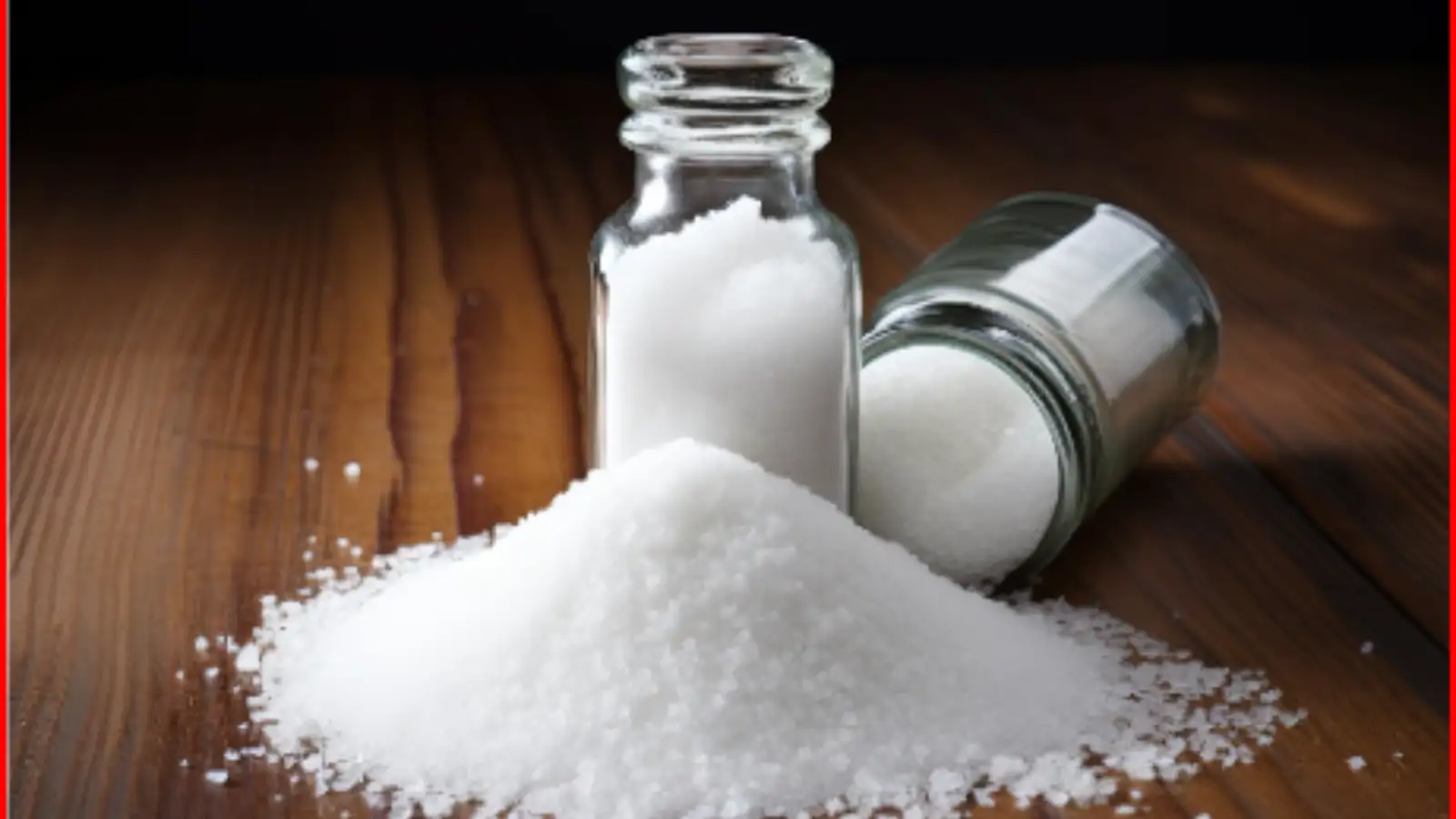
Why Salt Consumption Matters for Heart Health
Salt plays an essential role in the body, but only in small amounts. It contains sodium, a mineral that helps maintain fluid balance and supports proper muscle and nerve function. However, when consumed in excess, sodium can have harmful effects on the cardiovascular system.
According to Dr Bipeenchandra Bhamre, Consultant Cardiac Surgeon at Sir H. N. Reliance Foundation Hospital and Research Centre in Mumbai, many individuals unknowingly consume more salt than their bodies require. Over time, this excessive intake can put unnecessary strain on the heart and blood vessels.
How Excessive Salt Intake Raises Blood Pressure
One of the biggest concerns linked to high salt consumption is elevated blood pressure. When the body receives too much sodium, it retains extra water to balance it. This increased fluid volume raises pressure inside the blood vessels.
As blood pressure remains high over long periods, it can damage the inner lining of arteries. This damage creates conditions for atherosclerosis, a condition in which fatty deposits build up along the arterial walls. These deposits narrow and stiffen the arteries, reducing the smooth flow of blood throughout the body.
Increased Risk of Heart Attack and Stroke
Narrowed and hardened arteries can severely affect the heart and brain. When blood flow becomes restricted, the chances of serious health conditions rise significantly.
High blood pressure and artery damage caused by excessive sodium intake may lead to:
In severe cases, these conditions can become life-threatening. The danger is greater because many people with high blood pressure experience no obvious symptoms, allowing the problem to develop silently over time.
Signs That Your Salt Intake May Be Too High
Although high blood pressure often shows no early warning signs, certain lifestyle habits may indicate excessive salt consumption. These include:
Monitoring these habits can help people identify and reduce unnecessary sodium intake.
Practical Tips to Reduce Salt in Your Daily Diet
Cutting down on salt does not mean compromising on taste. Small dietary changes can make a significant difference in protecting heart health.
Here are some effective ways to reduce sodium intake:
These simple adjustments can help maintain healthier sodium levels in the body.
The Importance of Balanced Salt Consumption
Salt is not entirely harmful when consumed in moderation. Health experts emphasise that the key lies in maintaining a balanced intake within recommended limits. Being mindful of everyday food choices can significantly reduce the risk of heart-related complications.
Reducing excessive salt intake is one of the easiest and most effective lifestyle changes for protecting the heart. By making conscious dietary decisions and limiting sodium consumption, individuals can take a powerful step towards better long-term cardiovascular health.
Why Salt Consumption Matters for Heart Health
Salt plays an essential role in the body, but only in small amounts. It contains sodium, a mineral that helps maintain fluid balance and supports proper muscle and nerve function. However, when consumed in excess, sodium can have harmful effects on the cardiovascular system.
According to Dr Bipeenchandra Bhamre, Consultant Cardiac Surgeon at Sir H. N. Reliance Foundation Hospital and Research Centre in Mumbai, many individuals unknowingly consume more salt than their bodies require. Over time, this excessive intake can put unnecessary strain on the heart and blood vessels.
How Excessive Salt Intake Raises Blood Pressure
One of the biggest concerns linked to high salt consumption is elevated blood pressure. When the body receives too much sodium, it retains extra water to balance it. This increased fluid volume raises pressure inside the blood vessels.
As blood pressure remains high over long periods, it can damage the inner lining of arteries. This damage creates conditions for atherosclerosis, a condition in which fatty deposits build up along the arterial walls. These deposits narrow and stiffen the arteries, reducing the smooth flow of blood throughout the body.
Increased Risk of Heart Attack and Stroke
Narrowed and hardened arteries can severely affect the heart and brain. When blood flow becomes restricted, the chances of serious health conditions rise significantly.
High blood pressure and artery damage caused by excessive sodium intake may lead to:
- Heart attacks
- Stroke
- Reduced blood circulation
- Long-term cardiovascular complications
In severe cases, these conditions can become life-threatening. The danger is greater because many people with high blood pressure experience no obvious symptoms, allowing the problem to develop silently over time.
Signs That Your Salt Intake May Be Too High
Although high blood pressure often shows no early warning signs, certain lifestyle habits may indicate excessive salt consumption. These include:
- Frequently adding extra salt to cooked meals
- Regularly eating packaged or processed foods
- Consuming salty snacks such as chips or pickles
- Choosing convenience foods over home-cooked meals
Monitoring these habits can help people identify and reduce unnecessary sodium intake.
Practical Tips to Reduce Salt in Your Daily Diet
Cutting down on salt does not mean compromising on taste. Small dietary changes can make a significant difference in protecting heart health.
Here are some effective ways to reduce sodium intake:
- Avoid adding extra salt to prepared food
- Limit processed foods, packaged snacks and pickles
- Check food labels and choose low-sodium options
- Use herbs, spices and lemon juice to enhance flavour naturally
- Prefer fresh, home-cooked meals over ready-made foods
These simple adjustments can help maintain healthier sodium levels in the body.
The Importance of Balanced Salt Consumption
Salt is not entirely harmful when consumed in moderation. Health experts emphasise that the key lies in maintaining a balanced intake within recommended limits. Being mindful of everyday food choices can significantly reduce the risk of heart-related complications.
Reducing excessive salt intake is one of the easiest and most effective lifestyle changes for protecting the heart. By making conscious dietary decisions and limiting sodium consumption, individuals can take a powerful step towards better long-term cardiovascular health.
Next Story