
10 Exotic Fruits From Around the World You May Not Know

Fruits come in far more shapes, colours and flavours than the familiar apples, bananas and oranges. Across the world, many lesser-known varieties stand out for their unusual appearance, texture or even the way they grow. Here are some fascinating fruits that are worth knowing.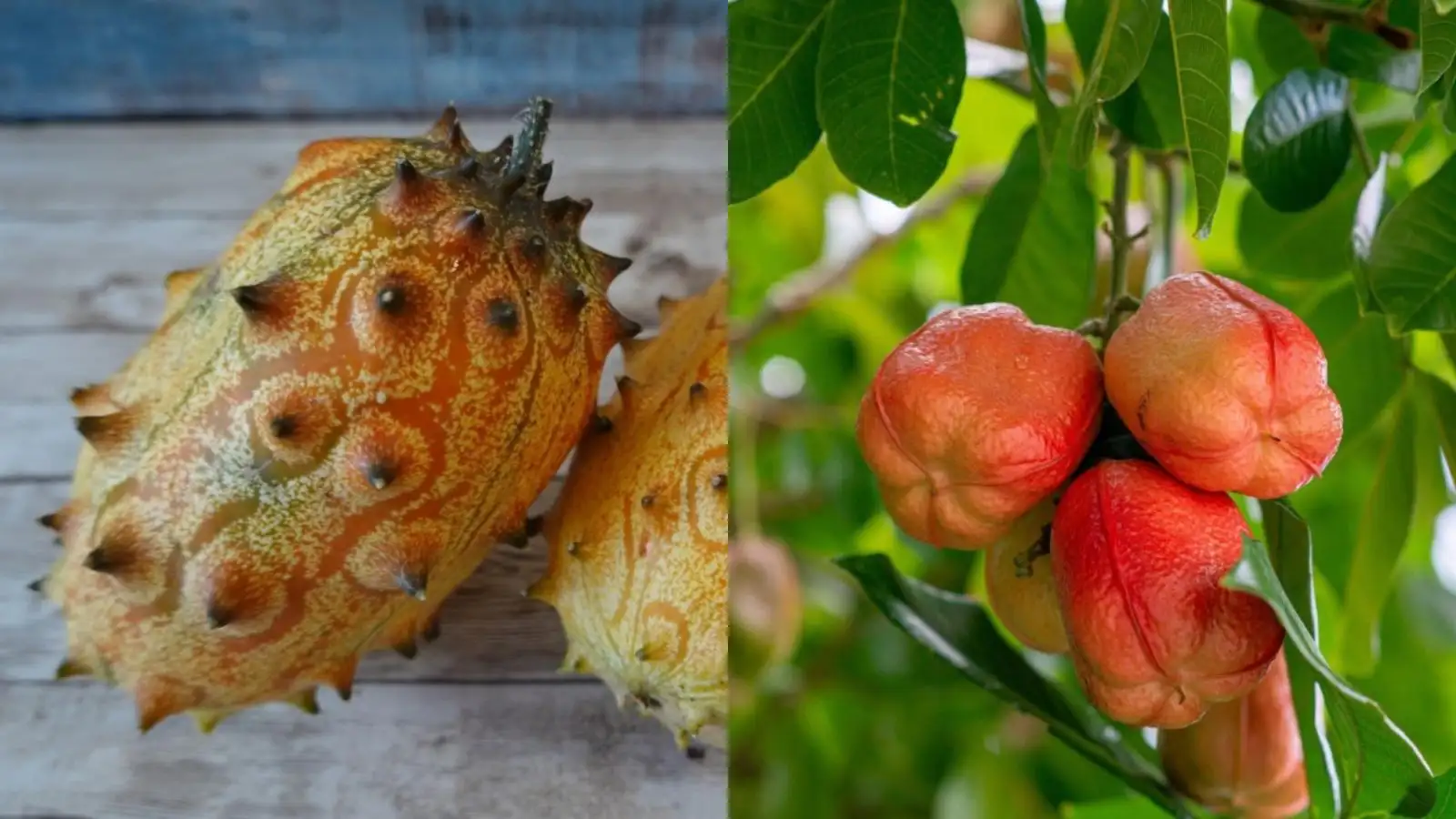
1. Rambutan
Native to Southeast Asia, rambutan is easily recognised by its bright red or yellow skin covered with soft, hair-like spines. Inside, it has juicy, translucent flesh with a sweet and slightly acidic flavour. The edible flesh surrounds a single seed.2. Dragon Fruit
Dragon fruit, also called pitaya, comes from several cactus species native to the Americas and is now widely grown in tropical and subtropical regions. Its colourful skin surrounds white or red flesh filled with tiny black edible seeds. Its flavour is generally mild and refreshing.3. Mangosteen
Known as the 'queen of fruits', mangosteen has a thick purple rind and soft white segments inside. The flesh has a delicate sweet and slightly tangy flavour. The fruit is native to Southeast Asia and is particularly popular in countries such as Thailand, Indonesia and Malaysia.4. Salak
Salak is popularly known as snake fruit because its reddish-brown skin resembles snake scales. Native to Indonesia, it has firm, pale flesh divided into sections. Depending on the variety, the fruit can taste sweet, crunchy and slightly sour.You may also like
- Celebrating 40 Years of Indian Couture: Abu Jani and Sandeep Khosla's Grand Event
- PF Tips: Will PF interest stop if you quit your job at 40? Know this EPFO rule..
- “Supervision till 16 isn't control, it's care”: Shilpa Shetty on the one internet rule parents should not ignore while raising children
- Meet the ex-civil servant who left his government job, bought barren land near Ranthambore and created a wildlife refuge
- The plane is not your nani's dining room
5. Star Fruit
Carambola, commonly called star fruit, gets its name from its distinctive shape. When cut crosswise, the slices resemble five-pointed stars. The fruit has crisp, juicy flesh and can taste either sweet or tart, depending on its variety and ripeness.6. Horned Melon
Also known as kiwano, horned melon is native to parts of Africa. Its orange skin is covered with small horn-like projections, while the inside contains green, jelly-like flesh and edible seeds. Its mild flavour is often compared with a mixture of cucumber, melon and citrus.7. Buddha's Hand
Buddha's Hand is a remarkable variety of citron with finger-like sections that give it an unusual appearance. Unlike most citrus fruits, it contains little or no juicy pulp. Its intensely fragrant peel is commonly used for zest, flavouring and candied preparations.8. Cherimoya
Cherimoya is a green, heart-shaped fruit native to the Andean regions of South America. Its creamy flesh has a sweet, custard-like texture, which is why it is sometimes called custard apple. It contains large dark seeds that should not be eaten.9. Jabuticaba
Jabuticaba is native to Brazil and is particularly unusual because of where its fruits grow. Instead of appearing mainly on the outer branches, the dark purple fruits grow directly from the trunk and larger branches. The juicy fruit can be eaten fresh or used to make jellies and drinks.10. Ackee
Ackee is native to West Africa but is strongly associated with Jamaican cuisine, where it is traditionally cooked with saltfish. As it ripens, the fruit naturally opens to reveal yellow flesh and dark seeds. Only properly ripened and prepared ackee should be eaten because unripe ackee can contain naturally occurring toxins.A Fascinating World of Fruits
From snake-like skins and finger-shaped citrus to fruits growing directly from tree trunks, these varieties demonstrate the remarkable diversity of the fruit world. Many also have deep connections with the cuisines and traditions of the regions where they grow, making them fascinating discoveries beyond their unusual appearance.





Loving Newspoint? Download the app now
