
10 Ancient Stone Bridges Around the World You Can Still Walk Across

Bridges are often treated as monuments, but some historic bridges are far more than reminders of the past. Across the world, people still walk, cycle and drive across stone bridges that were built centuries ago.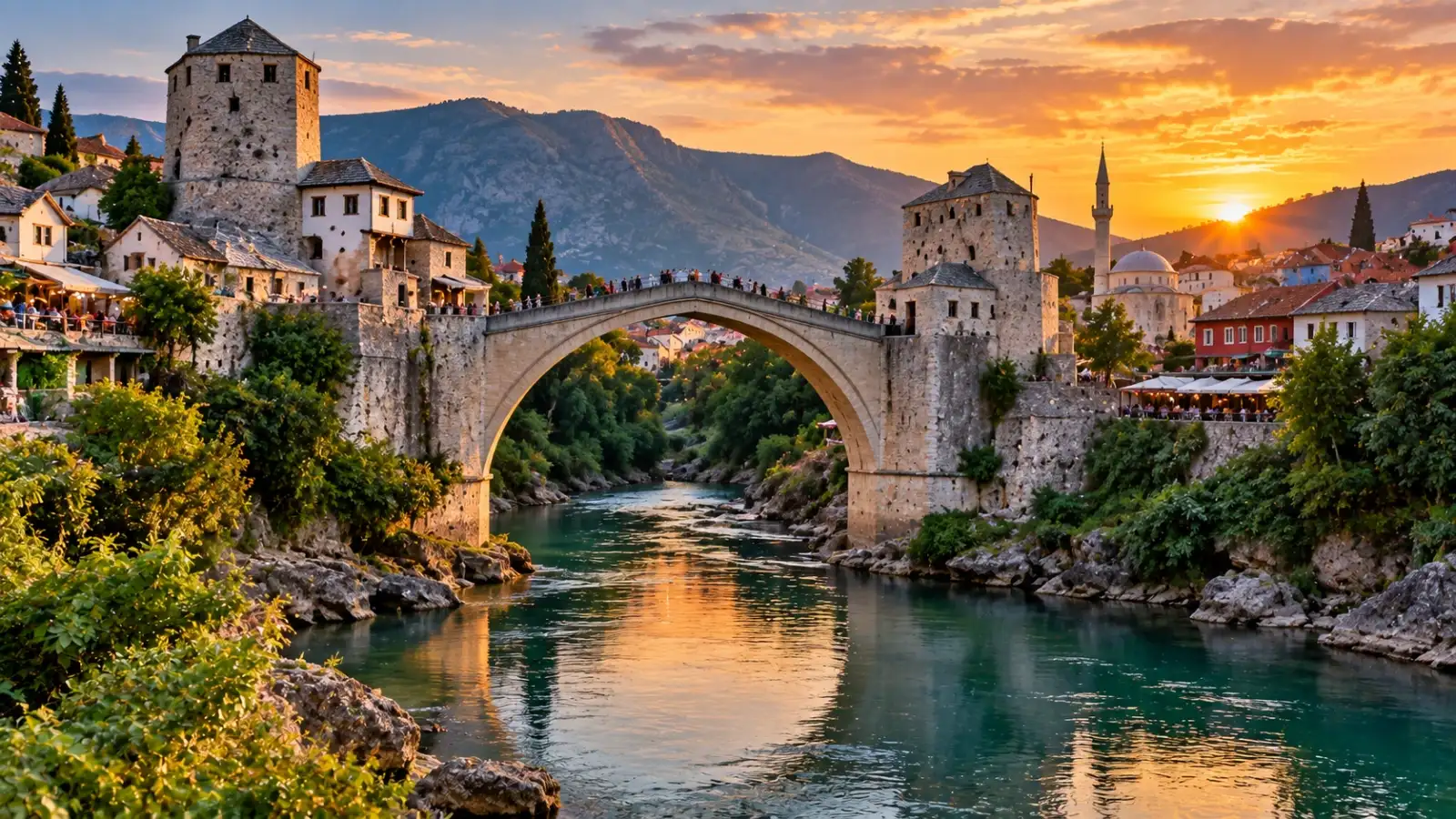
These structures were created long before modern engineering equipment, yet many have survived floods, wars, earthquakes, changing towns and generations of daily use. Their arches, stonework and narrow pathways can reveal how earlier communities travelled and connected with one another.
For travellers interested in history and architecture, visiting an old bridge can also offer a more intimate experience than exploring a large monument. You can stand on the same crossing that people used hundreds of years ago and see how it still fits into modern life.
Here are ten places where historic stone bridges continue to be used or remain accessible as working crossings today.
The current stone bridge dates from the 14th century and has remained an important part of Florence's cityscape for generations. Today, visitors and residents continue to cross it on foot.
Rather than feeling like an isolated historical monument, Ponte Vecchio is woven directly into the city. Shops, pedestrians and views across the river make the bridge a lively part of everyday Florence.
Visiting early in the morning can provide a quieter experience before the central area becomes busy.
Construction began in the 14th century under Charles IV, and the bridge has survived floods and centuries of changing history.
Today, it is primarily a pedestrian crossing and remains one of the city's busiest walking routes. Statues line the bridge, while towers at either end create an impressive entrance.
For a different atmosphere, visit around sunrise when the crowds are generally smaller and the historic architecture is beautifully lit.
The bridge provides a lovely connection between Verona's historic centre and the area around the Roman Theatre.
Walking across it gives visitors an opportunity to see different layers of the city's history in one place. Roman remains, medieval architecture and modern Verona all exist within a relatively small area.
It is especially enjoyable near sunset when the river and surrounding buildings take on warmer colours.
Although the bridge has been repaired and modified many times throughout its long history, its origins are associated with the Roman period. Today, it is used by pedestrians rather than regular road traffic.
The bridge offers excellent views towards Córdoba's historic centre and the Mosque-Cathedral. Walking across it in the evening can be particularly atmospheric when the surrounding landmarks are illuminated.
The bridge dates from Roman times, although only part of the present structure is believed to belong to the original Roman construction.
It remains a pedestrian route and provides a peaceful way to approach Salamanca's historic centre. From the bridge, visitors can also enjoy views of the city's famous sandstone architecture.
Its continued use shows how an ancient crossing can remain relevant even after the city around it has changed dramatically.
Its wooden-covered structure gives it a distinctive appearance compared with many other European stone bridges.
Today, people continue to cross the bridge while exploring the historic centre. The surrounding town, mountains and river make it an attractive destination for travellers looking for a quieter alternative to Italy's busiest cities.
The bridge has medieval origins and has been repaired over the centuries. Its irregular shape is part of its charm and makes it immediately different from the perfectly symmetrical bridges found in many cities.
Bobbio itself is a worthwhile stop for travellers interested in historic Italian towns, with narrow streets, old buildings and a slower pace than major tourist centres.
The original structure was destroyed during the conflict in the 1990s but was reconstructed using traditional techniques and reopened in 2004.
Today, the bridge is pedestrian-only and forms the centre of Mostar's historic area. Visitors can walk across the arch while looking down towards the Neretva River.
Its history makes the bridge particularly meaningful because it represents both the city's Ottoman heritage and its reconstruction.
Its distinctive arches and connection to local folklore have made it an important part of Greek cultural heritage.
The bridge is still accessible to pedestrians and provides an interesting stop for travellers exploring the region. The surrounding landscape also makes it a pleasant place to pause rather than simply treating the bridge as a quick sightseeing stop.
The bridge includes arches, tiled decoration and spaces that were designed for people to gather.
Although the river does not always flow beneath it today, the bridge remains an important public space and architectural landmark. Locals and visitors use it as a place to walk, sit and admire the design.
Its combination of practical engineering and social space makes it very different from a simple crossing.
A bridge could connect two neighbourhoods, provide access to markets or allow traders and travellers to cross a river. Over time, it might become a meeting place or symbol of the city itself.
Their survival also reveals something about traditional construction. Stone arches can distribute weight effectively, allowing bridges to remain stable for remarkably long periods when properly maintained.
However, it is important to remember that many so-called ancient bridges have been repaired, reconstructed or modified over time. Their survival does not necessarily mean that every stone you see is original.
Try viewing the bridge from the riverbank as well. Many historic crossings look even more impressive when seen from a distance, particularly when their arches are reflected in the water.
Visiting early in the day can help you avoid crowds at popular destinations. Comfortable shoes are also useful because historic bridges can have uneven surfaces and steep approaches.
From Florence and Prague to Mostar and Isfahan, these bridges show how architecture can survive while the world around it changes. Crossing one is not quite the same as visiting a museum. You are moving through a piece of history that remains part of the landscape.
For travellers who enjoy architecture, local history and slower sightseeing, an old stone bridge can be a surprisingly rewarding destination in its own right.
These structures were created long before modern engineering equipment, yet many have survived floods, wars, earthquakes, changing towns and generations of daily use. Their arches, stonework and narrow pathways can reveal how earlier communities travelled and connected with one another.
For travellers interested in history and architecture, visiting an old bridge can also offer a more intimate experience than exploring a large monument. You can stand on the same crossing that people used hundreds of years ago and see how it still fits into modern life.
Here are ten places where historic stone bridges continue to be used or remain accessible as working crossings today.
1. Ponte Vecchio , Florence, Italy
Florence's Ponte Vecchio is one of the world's most recognisable historic bridges. Crossing the River Arno, the bridge is famous for its rows of shops built along both sides.The current stone bridge dates from the 14th century and has remained an important part of Florence's cityscape for generations. Today, visitors and residents continue to cross it on foot.
Rather than feeling like an isolated historical monument, Ponte Vecchio is woven directly into the city. Shops, pedestrians and views across the river make the bridge a lively part of everyday Florence.
Visiting early in the morning can provide a quieter experience before the central area becomes busy.
2. Charles Bridge , Prague, Czech Republic
Charles Bridge is one of Prague's most famous landmarks. The stone bridge crosses the Vltava River and connects the historic areas around Prague Castle and the Old Town.Construction began in the 14th century under Charles IV, and the bridge has survived floods and centuries of changing history.
Today, it is primarily a pedestrian crossing and remains one of the city's busiest walking routes. Statues line the bridge, while towers at either end create an impressive entrance.
For a different atmosphere, visit around sunrise when the crowds are generally smaller and the historic architecture is beautifully lit.
3. Ponte di Pietra, Verona, Italy
Verona's Ponte Pietra is an ancient stone bridge crossing the Adige River. Its history stretches back to Roman times, although the structure has undergone rebuilding over the centuries.The bridge provides a lovely connection between Verona's historic centre and the area around the Roman Theatre.
Walking across it gives visitors an opportunity to see different layers of the city's history in one place. Roman remains, medieval architecture and modern Verona all exist within a relatively small area.
It is especially enjoyable near sunset when the river and surrounding buildings take on warmer colours.
4. Roman Bridge, Córdoba, Spain
The Roman Bridge of Córdoba crosses the Guadalquivir River and is one of the city's most recognisable historic structures.Although the bridge has been repaired and modified many times throughout its long history, its origins are associated with the Roman period. Today, it is used by pedestrians rather than regular road traffic.
The bridge offers excellent views towards Córdoba's historic centre and the Mosque-Cathedral. Walking across it in the evening can be particularly atmospheric when the surrounding landmarks are illuminated.
5. Puente Romano, Salamanca, Spain
Salamanca's Roman Bridge crosses the Tormes River and forms part of the historic landscape surrounding the city.The bridge dates from Roman times, although only part of the present structure is believed to belong to the original Roman construction.
It remains a pedestrian route and provides a peaceful way to approach Salamanca's historic centre. From the bridge, visitors can also enjoy views of the city's famous sandstone architecture.
Its continued use shows how an ancient crossing can remain relevant even after the city around it has changed dramatically.
6. Ponte Pietra, Bassano del Grappa, Italy
Bassano del Grappa in northern Italy is home to another striking historic stone bridge. The Ponte Vecchio crosses the Brenta River and is traditionally associated with the architect Andrea Palladio, although the bridge has been rebuilt several times following damage.Its wooden-covered structure gives it a distinctive appearance compared with many other European stone bridges.
Today, people continue to cross the bridge while exploring the historic centre. The surrounding town, mountains and river make it an attractive destination for travellers looking for a quieter alternative to Italy's busiest cities.
7. Ponte Gobbo, Bobbio, Italy
The Ponte Gobbo, or Hunchback Bridge, crosses the Trebbia River in the town of Bobbio. Its uneven series of arches gives the bridge its unusual appearance.The bridge has medieval origins and has been repaired over the centuries. Its irregular shape is part of its charm and makes it immediately different from the perfectly symmetrical bridges found in many cities.
Bobbio itself is a worthwhile stop for travellers interested in historic Italian towns, with narrow streets, old buildings and a slower pace than major tourist centres.
8. Stone Bridge, Mostar, Bosnia and Herzegovina
Mostar's famous Stari Most is one of the most recognisable bridges in the Balkans. The original Ottoman-era bridge was completed in the 16th century and became an important symbol of the city.The original structure was destroyed during the conflict in the 1990s but was reconstructed using traditional techniques and reopened in 2004.
Today, the bridge is pedestrian-only and forms the centre of Mostar's historic area. Visitors can walk across the arch while looking down towards the Neretva River.
Its history makes the bridge particularly meaningful because it represents both the city's Ottoman heritage and its reconstruction.
9. Arta Bridge, Greece
The historic Bridge of Arta crosses the Arachthos River in north-western Greece. The present stone bridge has been rebuilt over different periods, with the exact origins of the earliest crossing surrounded by history and legend.Its distinctive arches and connection to local folklore have made it an important part of Greek cultural heritage.
The bridge is still accessible to pedestrians and provides an interesting stop for travellers exploring the region. The surrounding landscape also makes it a pleasant place to pause rather than simply treating the bridge as a quick sightseeing stop.
10. Khaju Bridge, Isfahan, Iran
Khaju Bridge in Isfahan is one of the most impressive historic bridges in Iran. Built during the Safavid period in the 17th century, it crosses the Zayanderud River and combines engineering with decorative architecture.The bridge includes arches, tiled decoration and spaces that were designed for people to gather.
Although the river does not always flow beneath it today, the bridge remains an important public space and architectural landmark. Locals and visitors use it as a place to walk, sit and admire the design.
Its combination of practical engineering and social space makes it very different from a simple crossing.
Why Ancient Bridges Still Matter
Historic bridges are fascinating because they were designed for practical reasons but often became important parts of local identity.A bridge could connect two neighbourhoods, provide access to markets or allow traders and travellers to cross a river. Over time, it might become a meeting place or symbol of the city itself.
Their survival also reveals something about traditional construction. Stone arches can distribute weight effectively, allowing bridges to remain stable for remarkably long periods when properly maintained.
However, it is important to remember that many so-called ancient bridges have been repaired, reconstructed or modified over time. Their survival does not necessarily mean that every stone you see is original.
You may also like
- PPF vs SSY: Which scheme is best for your daughter's future, and where will you get massive returns? Full calculation..
- Angelina Jolie's unusual parenting choice: In 2016, she revealed her six children were learning Khmer, Vietnamese, German, Arabic and sign language
- Modern Parenting Tips: 5 Ways to Raise Confident Kids Without Making Marks and Rank Everything
- Living Room Makeover: 5 Vastu-Inspired Decor Ideas for a Fresh, Calm and Welcoming Home
- Ganesh Chaturthi Rangoli Ideas: 7 Beautiful Designs to Give Your Home a Festive Makeover
How to Explore Historic Stone Bridges
The best way to experience an old stone bridge is often to slow down. Walk across it, look at the stonework and observe the landscape around it.Try viewing the bridge from the riverbank as well. Many historic crossings look even more impressive when seen from a distance, particularly when their arches are reflected in the water.
Visiting early in the day can help you avoid crowds at popular destinations. Comfortable shoes are also useful because historic bridges can have uneven surfaces and steep approaches.
A Walk Through Living History
Ancient stone bridges are unusual historical attractions because they were built to connect people rather than simply to be admired. Even centuries later, some continue to serve that original purpose.From Florence and Prague to Mostar and Isfahan, these bridges show how architecture can survive while the world around it changes. Crossing one is not quite the same as visiting a museum. You are moving through a piece of history that remains part of the landscape.
For travellers who enjoy architecture, local history and slower sightseeing, an old stone bridge can be a surprisingly rewarding destination in its own right.






Loving Newspoint? Download the app now
