
10 Places Around the World Famous for Their Colourful Local Ceramics

Travel does not always have to be about famous monuments, crowded museums or spectacular natural landscapes. Sometimes, the best way to understand a destination is through the things local people make with their hands. Ceramics are a perfect example.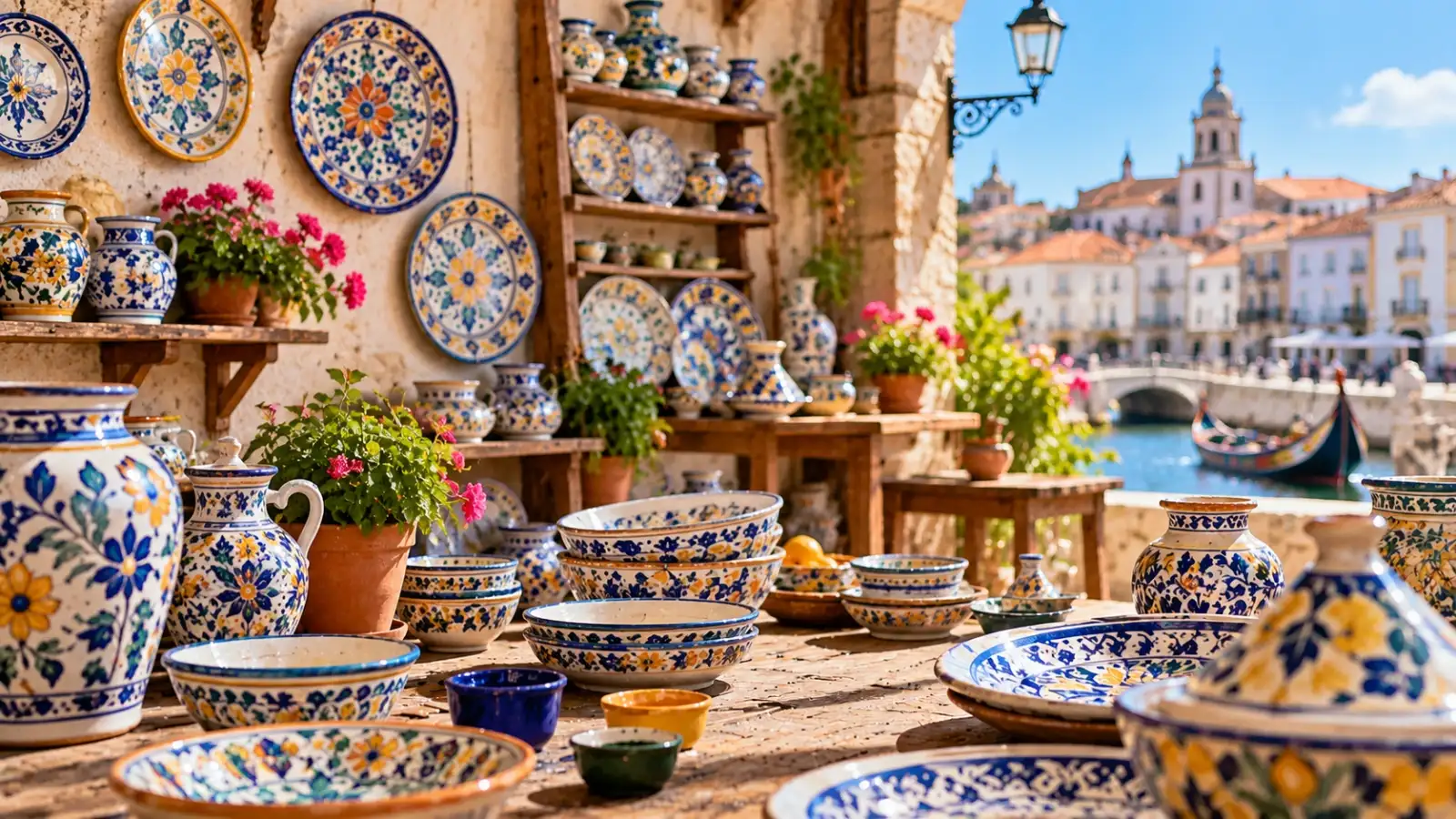
Across the world, pottery has been used for centuries to make plates, bowls, tiles, jars and decorative objects. Local artisans have developed their own colours, patterns, shapes and techniques, often reflecting the history and landscape of their region.
For travellers who enjoy crafts, shopping or simply discovering something different, a visit to a pottery-producing town can be just as memorable as seeing a famous landmark. From bright Portuguese tiles to richly painted Mexican pottery, these ten destinations are worth adding to a craft-focused travel list.
Traditional pieces often feature detailed patterns and strong colours inspired by Spanish and Mediterranean influences. You can find plates, bowls, tiles and decorative objects made by local artisans.
The town is an interesting destination for travellers who want to see ceramics as part of a living craft tradition rather than simply buying mass-produced souvenirs. Workshops and specialist shops provide opportunities to learn more about how the pieces are designed and produced.
Blue and white patterns are particularly associated with Puebla, although traditional pieces can feature a wider range of colours. Ceramics appear throughout the city, from tableware and decorative objects to tiles used in historic buildings.
A walk through Puebla can therefore become a visual introduction to its pottery tradition. Visitors can also look for artisan workshops where traditional techniques are demonstrated.
The city has a long history of ceramic production and remains an important centre for pottery and ceramic art. Visitors can explore museums, workshops and shops featuring both traditional and contemporary work.
For anyone interested in Italian crafts, Faenza offers an opportunity to see how an old pottery tradition continues to influence modern artists and designers.
The town's ceramic heritage is closely connected to the wider history of Spanish pottery, with influences from different cultures appearing in its designs and techniques.
Visitors can explore local ceramic businesses and discover pieces ranging from traditional designs to modern interpretations. It is a worthwhile stop for travellers exploring the Valencia region who want to experience something beyond the usual tourist attractions.
Traditional Iznik designs often feature intricate floral patterns and striking combinations of blue, turquoise and red.
Although the historical pieces are particularly valuable, contemporary artisans continue to draw inspiration from these designs. Visitors can explore workshops and shops to see how traditional patterns are interpreted today.
The city became particularly famous for its fine porcelain, including the iconic blue and white styles that became highly valued both in China and abroad.
Today, Jingdezhen remains a major centre for ceramic production and contemporary pottery. Visitors can explore studios, markets and museums while learning about the long process involved in creating porcelain.
For craft lovers, few destinations offer such a deep connection between ceramics, history and modern artistic practice.
You can find decorative plates, serving dishes, vases and other objects decorated with intricate designs. Many workshops continue to use techniques that have been associated with the town for generations.
A visit to Deruta can easily be combined with a wider trip around Umbria, where medieval towns, rolling hills and local food provide plenty of additional reasons to explore the region.
Moroccan pottery often features geometric designs and bold colours. The handmade nature of many pieces means that no two objects look exactly alike.
Exploring pottery workshops can provide a fascinating look at the different stages of production, from shaping the clay to painting and glazing the finished piece.
Arita ceramics are known for their fine quality and detailed decoration. Traditional designs range from elegant blue and white patterns to more colourful styles.
Visitors can explore specialist shops, museums and ceramic studios. The town is particularly appealing to travellers who appreciate the quieter side of Japanese culture and want to discover the craftsmanship behind everyday objects.
Portugal is famous for azulejos, the decorative ceramic tiles found across the country. These tiles can feature geometric designs, floral patterns and detailed scenes.
While Aveiro is not solely a pottery destination, it provides an excellent introduction to Portugal's relationship with decorative ceramics. Travellers can admire tiled façades around the city while visiting local shops and craft businesses.
Visiting a ceramic town also gives travellers the chance to see the production process. Watching an artisan shape clay, paint a pattern or apply a glaze can make a handmade object feel much more meaningful.
If you decide to buy ceramics during your travels, consider choosing a piece directly from a local workshop or independent artisan where possible. A handmade bowl, tile or plate can become a useful souvenir rather than something that simply sits on a shelf.
These destinations also demonstrate how traditional crafts can evolve without disappearing. Artisans in places such as Jingdezhen, Faenza, Arita and Deruta continue to work with techniques that have deep historical roots while creating pieces for modern homes and contemporary collectors.
For travellers who want to experience a destination through its creative traditions, colourful ceramics offer an enjoyable way to look beyond the usual sightseeing checklist. Sometimes, the story of a place can be found not in its biggest monument but in a hand-painted plate sitting inside a small local workshop.
Across the world, pottery has been used for centuries to make plates, bowls, tiles, jars and decorative objects. Local artisans have developed their own colours, patterns, shapes and techniques, often reflecting the history and landscape of their region.
For travellers who enjoy crafts, shopping or simply discovering something different, a visit to a pottery-producing town can be just as memorable as seeing a famous landmark. From bright Portuguese tiles to richly painted Mexican pottery, these ten destinations are worth adding to a craft-focused travel list.
1. Talavera de la Reina, Spain: Colourful Ceramic Traditions
Talavera de la Reina in central Spain has a long and important ceramic tradition. The town is particularly associated with colourful glazed pottery and decorative tiles.Traditional pieces often feature detailed patterns and strong colours inspired by Spanish and Mediterranean influences. You can find plates, bowls, tiles and decorative objects made by local artisans.
The town is an interesting destination for travellers who want to see ceramics as part of a living craft tradition rather than simply buying mass-produced souvenirs. Workshops and specialist shops provide opportunities to learn more about how the pieces are designed and produced.
2. Puebla, Mexico: Famous Talavera Pottery
Puebla is one of Mexico's best-known destinations for traditional ceramics. The city's Talavera pottery is recognised for its colourful designs and distinctive glazed finish.Blue and white patterns are particularly associated with Puebla, although traditional pieces can feature a wider range of colours. Ceramics appear throughout the city, from tableware and decorative objects to tiles used in historic buildings.
A walk through Puebla can therefore become a visual introduction to its pottery tradition. Visitors can also look for artisan workshops where traditional techniques are demonstrated.
3. Faenza, Italy: A City Built Around Ceramics
Faenza in northern Italy is so closely connected with ceramics that its name has become associated with the word faience, which refers to a type of glazed earthenware.The city has a long history of ceramic production and remains an important centre for pottery and ceramic art. Visitors can explore museums, workshops and shops featuring both traditional and contemporary work.
For anyone interested in Italian crafts, Faenza offers an opportunity to see how an old pottery tradition continues to influence modern artists and designers.
4. Manises, Spain: A Historic Pottery Centre
Manises near Valencia has been associated with ceramic production for centuries. Its pottery tradition includes decorative tiles, tableware and ornamental pieces.The town's ceramic heritage is closely connected to the wider history of Spanish pottery, with influences from different cultures appearing in its designs and techniques.
Visitors can explore local ceramic businesses and discover pieces ranging from traditional designs to modern interpretations. It is a worthwhile stop for travellers exploring the Valencia region who want to experience something beyond the usual tourist attractions.
5. Iznik, Türkiye: Intricate Blue and Red Ceramics
Iznik is famous for its historic ceramic tradition, particularly the richly decorated tiles associated with Ottoman art. The town became an important centre for ceramic production during the Ottoman period.Traditional Iznik designs often feature intricate floral patterns and striking combinations of blue, turquoise and red.
Although the historical pieces are particularly valuable, contemporary artisans continue to draw inspiration from these designs. Visitors can explore workshops and shops to see how traditional patterns are interpreted today.
6. Jingdezhen, China: The Porcelain Capital
Jingdezhen is one of the world's most famous ceramic cities. Located in Jiangxi province, it has been associated with porcelain production for centuries.The city became particularly famous for its fine porcelain, including the iconic blue and white styles that became highly valued both in China and abroad.
Today, Jingdezhen remains a major centre for ceramic production and contemporary pottery. Visitors can explore studios, markets and museums while learning about the long process involved in creating porcelain.
For craft lovers, few destinations offer such a deep connection between ceramics, history and modern artistic practice.
7. Deruta, Italy: Bright Italian Majolica
Deruta in the Umbria region of Italy is another destination with a strong ceramic identity. The town is known for brightly painted maiolica pottery featuring traditional Italian patterns.You can find decorative plates, serving dishes, vases and other objects decorated with intricate designs. Many workshops continue to use techniques that have been associated with the town for generations.
A visit to Deruta can easily be combined with a wider trip around Umbria, where medieval towns, rolling hills and local food provide plenty of additional reasons to explore the region.
8. Safi, Morocco: Handmade Pottery by the Atlantic
Safi is an important pottery centre on Morocco's Atlantic coast. The city has a long tradition of handmade ceramics, with local artisans producing colourful plates, bowls, tagines and decorative pieces.Moroccan pottery often features geometric designs and bold colours. The handmade nature of many pieces means that no two objects look exactly alike.
Exploring pottery workshops can provide a fascinating look at the different stages of production, from shaping the clay to painting and glazing the finished piece.
9. Arita, Japan: A Home of Japanese Porcelain
Arita in Japan is closely associated with Arita ware, one of the country's most respected porcelain traditions. The craft developed centuries ago and remains important to the town's cultural identity.You may also like
- In 2012, George Clooney co-founded the Satellite Sentinel Project, using satellite imagery to monitor human rights abuses and conflict in Sudan
- Meet Suneel Lodhi: The blind 25-year-old Bundelkhand singer who went from singing in local trains to 'Maine Tere Hi Bharose' in the superhit Hanuman Ansh
- Python found in a car in Dahisar, Mumbai: Common places snakes hide in cars, why they get inside and what you must check before starting the engine
- DIY: Stop throwing away dryer lint; 7 surprising ways to put it to good use at home
- 5-Step Homemade Hair Oil for Hair Fall: Try This
Arita ceramics are known for their fine quality and detailed decoration. Traditional designs range from elegant blue and white patterns to more colourful styles.
Visitors can explore specialist shops, museums and ceramic studios. The town is particularly appealing to travellers who appreciate the quieter side of Japanese culture and want to discover the craftsmanship behind everyday objects.
10. Aveiro, Portugal: Tiles and Colourful Ceramic Art
Aveiro is known for its canals, colourful buildings and distinctive Portuguese character, but ceramics also play an important role in the wider region.Portugal is famous for azulejos, the decorative ceramic tiles found across the country. These tiles can feature geometric designs, floral patterns and detailed scenes.
While Aveiro is not solely a pottery destination, it provides an excellent introduction to Portugal's relationship with decorative ceramics. Travellers can admire tiled façades around the city while visiting local shops and craft businesses.
Why Ceramic Destinations Are Worth Visiting
Ceramics can reveal a surprising amount about a place. The colours may reflect local tastes, the patterns can tell stories and the techniques often reveal centuries of cultural exchange.Visiting a ceramic town also gives travellers the chance to see the production process. Watching an artisan shape clay, paint a pattern or apply a glaze can make a handmade object feel much more meaningful.
If you decide to buy ceramics during your travels, consider choosing a piece directly from a local workshop or independent artisan where possible. A handmade bowl, tile or plate can become a useful souvenir rather than something that simply sits on a shelf.
These destinations also demonstrate how traditional crafts can evolve without disappearing. Artisans in places such as Jingdezhen, Faenza, Arita and Deruta continue to work with techniques that have deep historical roots while creating pieces for modern homes and contemporary collectors.
For travellers who want to experience a destination through its creative traditions, colourful ceramics offer an enjoyable way to look beyond the usual sightseeing checklist. Sometimes, the story of a place can be found not in its biggest monument but in a hand-painted plate sitting inside a small local workshop.






Loving Newspoint? Download the app now
