
7 Must Visit Places in Northeast India for Nature and Culture

Northeast India is one of the most fascinating parts of the country for travellers who enjoy mountains, forests, waterfalls and unique local cultures. The region includes eight states, each with its own landscapes, traditions, food and communities.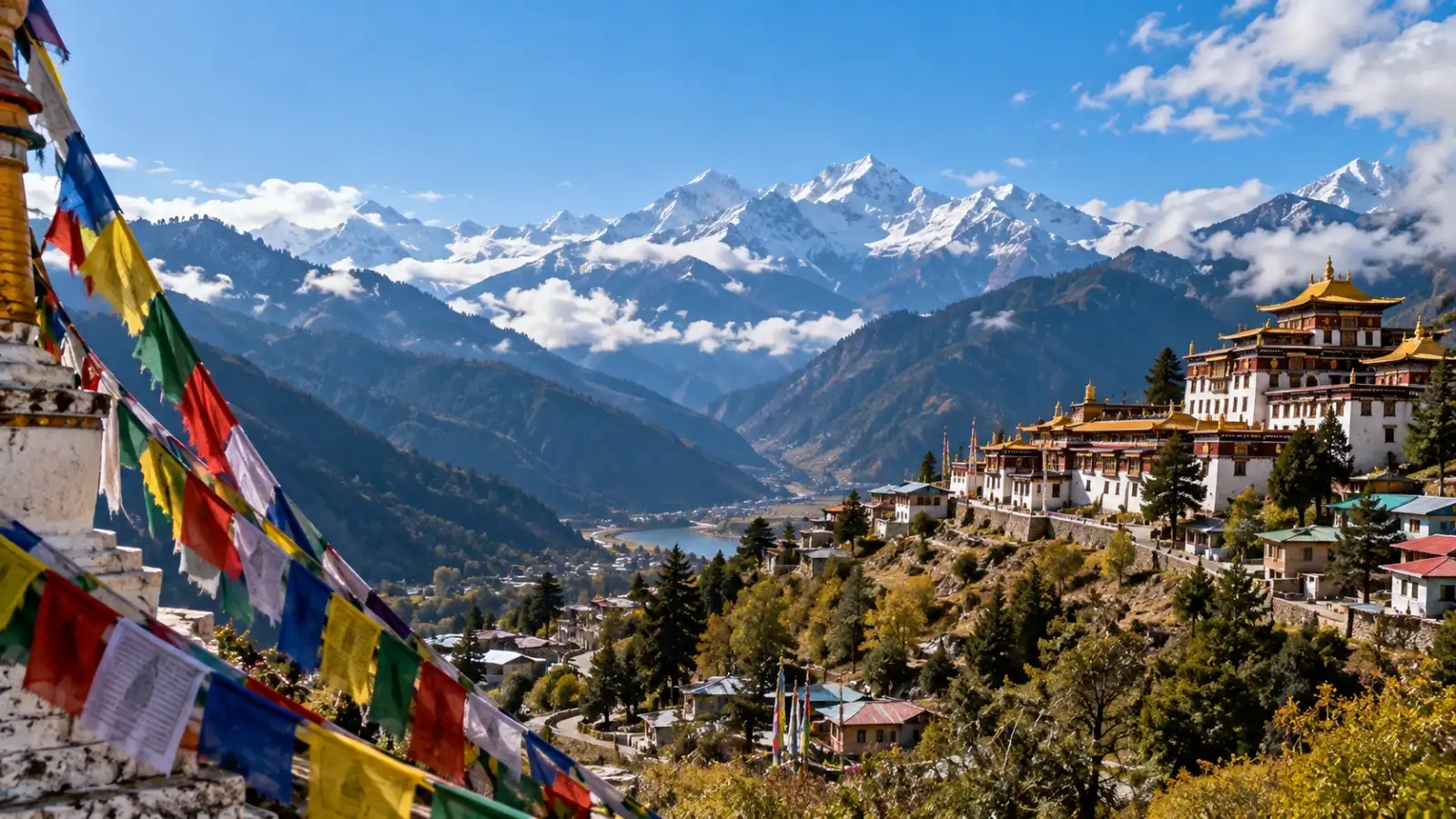
From mist covered hills and living root bridges to alpine lakes and remote valleys, there is plenty to discover beyond the more familiar tourist routes.
If you are planning a trip to the region, these seven destinations are a great place to begin.
The town is known for the impressive Tawang Monastery, which sits among high mountains and offers beautiful views of the surrounding valleys. The journey to Tawang is an attraction in itself, with winding mountain roads and striking scenery along the way.
Visitors can also explore nearby lakes, waterfalls and high altitude landscapes.
Tawang is ideal for travellers who want a combination of mountain scenery, history and Tibetan Buddhist culture.
The area is surrounded by green hills, deep valleys, caves and waterfalls. During and after the monsoon, the landscape becomes particularly lush, with waterfalls flowing through the hills.
The region is also home to the famous living root bridges, created by training the roots of rubber fig trees across streams and gaps.
For nature lovers, Cherrapunji offers plenty to explore beyond its famous rainfall record.
The valley is surrounded by green hills and is known for its paddy fields, forests and villages. It is also closely associated with the Apatani community and its distinctive cultural traditions.
Walking through the valley gives visitors a chance to see a different side of Arunachal Pradesh, where agriculture and local life remain closely connected to the landscape.
Ziro is particularly appealing if you prefer quiet countryside to busy tourist centres.
On a calm day, the water can appear remarkably transparent, allowing boats to seem as though they are floating above the riverbed. The surrounding hills and greenery add to the beauty of the area.
Dawki is also located close to the Bangladesh border, giving the region an interesting cultural and geographical character.
A visit can be combined with nearby villages and other attractions in the Khasi and Jaintia Hills.
The city sits on a hillside with views of the surrounding mountains and is known for monasteries, viewpoints, markets and Tibetan Buddhist influences.
It is also a useful base for exploring other parts of Sikkim. Travellers can use Gangtok as a starting point for visiting mountain lakes, monasteries and smaller settlements.
The destination works well for people who want a mixture of nature, culture and modern comforts.
The island has long been associated with Assamese Vaishnavite traditions and is home to satras, traditional arts and village communities.
Visitors can explore the island at a relaxed pace, cycle through rural areas and learn about local crafts and cultural practices.
Majuli offers an experience that is very different from the mountain destinations commonly associated with Northeast India.
Located near the Nagaland and Manipur border, the valley is surrounded by rolling green hills and seasonal flowers. The landscape changes throughout the year, giving the area a different appearance depending on the season.
Reaching the valley requires a trek, so it is best suited to travellers who are comfortable with walking on mountain trails.
The peaceful scenery and lack of urban development make Dzukou Valley particularly rewarding.
A trip can take you from the Buddhist monasteries of Arunachal Pradesh and Sikkim to the living root bridges of Meghalaya, the cultural traditions of Majuli and the mountain villages of Nagaland.
This variety makes the region ideal for travellers who want more than conventional sightseeing.
Autumn and spring can offer pleasant weather and clear mountain views in many areas. The monsoon brings lush greenery and spectacular waterfalls to Meghalaya, but heavy rain can also affect roads and travel plans.
Higher altitude areas such as Tawang can experience very cold winters and difficult road conditions.
Always check local weather, road conditions and travel requirements before starting a trip, especially when visiting remote areas.
Keep your itinerary flexible and avoid planning too many destinations into one trip.
Respect local customs, ask before photographing people and follow local rules in villages, monasteries and protected areas.
For remote destinations, arrange accommodation and transport in advance and carry essential items with you.
From mist covered hills and living root bridges to alpine lakes and remote valleys, there is plenty to discover beyond the more familiar tourist routes.
If you are planning a trip to the region, these seven destinations are a great place to begin.
1. Tawang, Arunachal Pradesh
Tawang is surrounded by dramatic Himalayan landscapes and is one of the most spectacular mountain destinations in Northeast India.The town is known for the impressive Tawang Monastery, which sits among high mountains and offers beautiful views of the surrounding valleys. The journey to Tawang is an attraction in itself, with winding mountain roads and striking scenery along the way.
Visitors can also explore nearby lakes, waterfalls and high altitude landscapes.
Tawang is ideal for travellers who want a combination of mountain scenery, history and Tibetan Buddhist culture.
2. Cherrapunji, Meghalaya
Cherrapunji, also known as Sohra, is famous for its dramatic landscapes and extraordinary rainfall.The area is surrounded by green hills, deep valleys, caves and waterfalls. During and after the monsoon, the landscape becomes particularly lush, with waterfalls flowing through the hills.
The region is also home to the famous living root bridges, created by training the roots of rubber fig trees across streams and gaps.
For nature lovers, Cherrapunji offers plenty to explore beyond its famous rainfall record.
3. Ziro Valley, Arunachal Pradesh
Ziro Valley offers a much slower experience than many of India's better known mountain destinations.The valley is surrounded by green hills and is known for its paddy fields, forests and villages. It is also closely associated with the Apatani community and its distinctive cultural traditions.
Walking through the valley gives visitors a chance to see a different side of Arunachal Pradesh, where agriculture and local life remain closely connected to the landscape.
Ziro is particularly appealing if you prefer quiet countryside to busy tourist centres.
4. Dawki, Meghalaya
Dawki is best known for the clear waters of the Umngot River.On a calm day, the water can appear remarkably transparent, allowing boats to seem as though they are floating above the riverbed. The surrounding hills and greenery add to the beauty of the area.
Dawki is also located close to the Bangladesh border, giving the region an interesting cultural and geographical character.
A visit can be combined with nearby villages and other attractions in the Khasi and Jaintia Hills.
5. Gangtok, Sikkim
Gangtok combines mountain scenery with a lively hill town atmosphere.The city sits on a hillside with views of the surrounding mountains and is known for monasteries, viewpoints, markets and Tibetan Buddhist influences.
It is also a useful base for exploring other parts of Sikkim. Travellers can use Gangtok as a starting point for visiting mountain lakes, monasteries and smaller settlements.
The destination works well for people who want a mixture of nature, culture and modern comforts.
6. Majuli, Assam
Majuli is a river island in the Brahmaputra and is known for its distinctive culture and traditions.The island has long been associated with Assamese Vaishnavite traditions and is home to satras, traditional arts and village communities.
Visitors can explore the island at a relaxed pace, cycle through rural areas and learn about local crafts and cultural practices.
Majuli offers an experience that is very different from the mountain destinations commonly associated with Northeast India.
7. Dzukou Valley, Nagaland
Dzukou Valley is a spectacular destination for travellers who enjoy trekking and open mountain landscapes.Located near the Nagaland and Manipur border, the valley is surrounded by rolling green hills and seasonal flowers. The landscape changes throughout the year, giving the area a different appearance depending on the season.
Reaching the valley requires a trek, so it is best suited to travellers who are comfortable with walking on mountain trails.
The peaceful scenery and lack of urban development make Dzukou Valley particularly rewarding.
What Makes Northeast India Special?
Northeast India is not just about scenic landscapes. Its appeal also comes from the extraordinary diversity of cultures, languages, food traditions and communities found across the region.A trip can take you from the Buddhist monasteries of Arunachal Pradesh and Sikkim to the living root bridges of Meghalaya, the cultural traditions of Majuli and the mountain villages of Nagaland.
This variety makes the region ideal for travellers who want more than conventional sightseeing.
Best Time to Explore Northeast India
The best time depends heavily on where you are going.Autumn and spring can offer pleasant weather and clear mountain views in many areas. The monsoon brings lush greenery and spectacular waterfalls to Meghalaya, but heavy rain can also affect roads and travel plans.
Higher altitude areas such as Tawang can experience very cold winters and difficult road conditions.
Always check local weather, road conditions and travel requirements before starting a trip, especially when visiting remote areas.
Tips for Travelling Around Northeast India
Distances can be deceptive in mountainous parts of the region. A destination that looks relatively close on a map may take several hours to reach because of winding roads.Keep your itinerary flexible and avoid planning too many destinations into one trip.
Respect local customs, ask before photographing people and follow local rules in villages, monasteries and protected areas.
For remote destinations, arrange accommodation and transport in advance and carry essential items with you.
Next Story