
Discovering Germany's UNESCO-Recognized Natural Treasures

Germany , a land of rich cultural heritage and historical significance, is also home to some of Europe's most stunning natural landscapes . Among these natural wonders, several have been recognized by UNESCO for their outstanding universal value, showcasing the country's commitment to conservation and environmental protection. From lush forests to rugged coastlines, Germany's UNESCO-recognized natural treasures offer visitors a glimpse into the country's diverse and breathtaking natural beauty.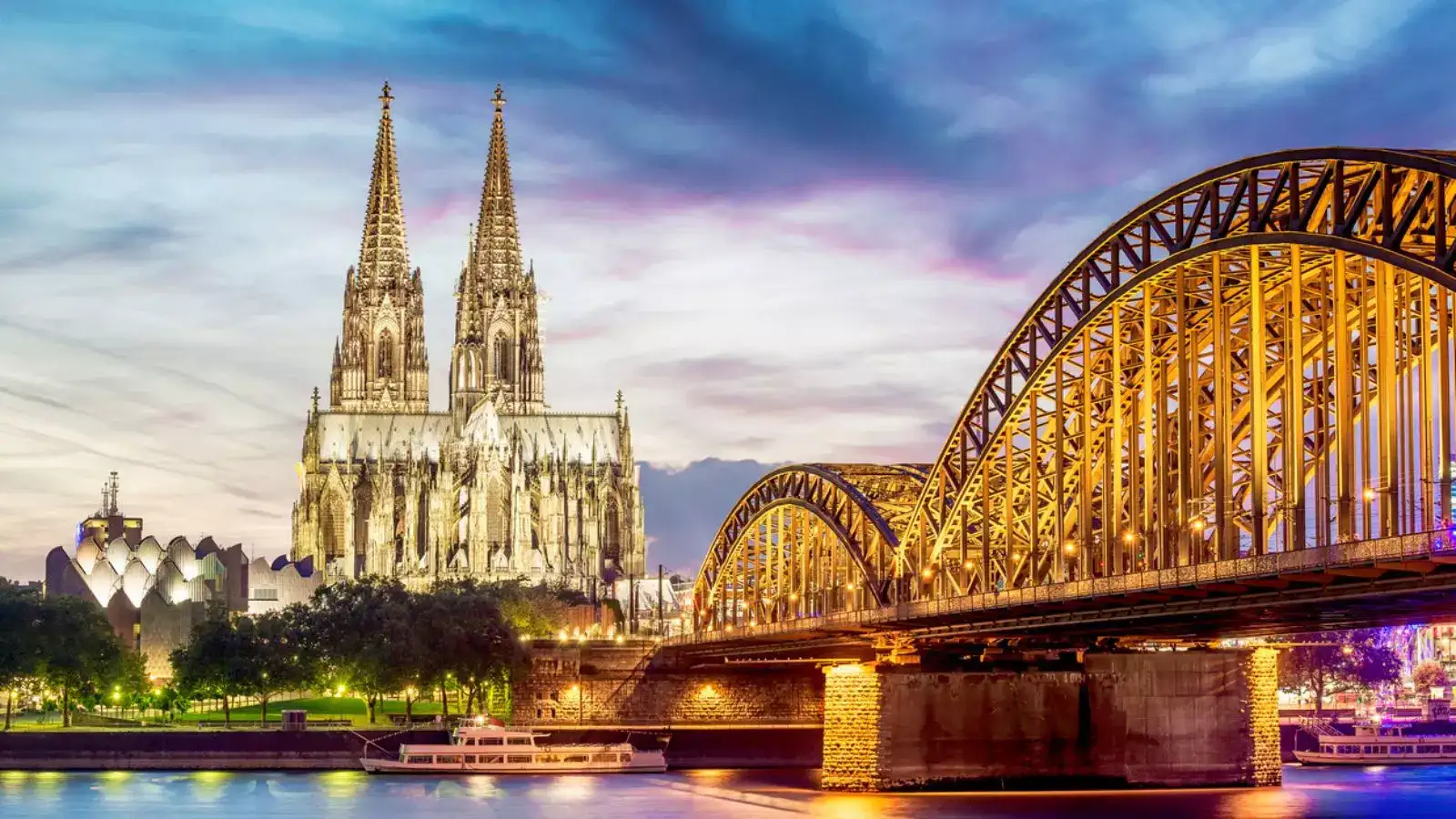
Wadden Sea National Park
Stretching along the coastlines of Germany, the Netherlands, and Denmark, the Wadden Sea is the largest unbroken system of intertidal sand and mud flats in the world. In Germany, the Wadden Sea National Park protects this unique ecosystem, which is vital for millions of migratory birds and provides a habitat for numerous marine species. Designated as a UNESCO World Heritage Site in 2009, the Wadden Sea is a paradise for birdwatchers, nature enthusiasts, and those interested in sustainable tourism.
Visitors to the Wadden Sea National Park can explore its vast tidal flats on guided tours, discovering a world of fascinating marine life, including seals, crabs, and shrimp. The park's diverse landscapes, from salt marshes to dunes, offer opportunities for hiking, cycling, and wildlife observation. With its ever-changing tides and dynamic ecosystems, the Wadden Sea is a place of constant renewal and discovery.
Ancient Beech Forests of Germany
The Ancient Beech Forests of Germany comprise a series of 12 primeval beech forests scattered across the country. These untouched forests represent some of the last remaining examples of temperate deciduous beech forests in Europe, dating back to the end of the last Ice Age. Designated as a UNESCO World Heritage Site in 2011, these forests are not only of ecological importance but also hold cultural and historical significance.
Exploring the Ancient Beech Forests, visitors can immerse themselves in serene woodlands teeming with biodiversity. These old-growth forests provide a habitat for rare and endangered species, including the European bison and the Eurasian lynx. Hiking trails wind through the forest, offering glimpses of ancient trees, tranquil streams, and hidden glades. As visitors wander beneath the canopy of beech trees, they can connect with nature in its purest form and gain a deeper appreciation for the importance of forest conservation.
Messel Pit Fossil Site
Located near the town of Messel in central Germany, the Messel Pit Fossil Site is a window into the Eocene epoch, approximately 48 million years ago. This former shale quarry is renowned for its exceptionally well-preserved fossils, providing valuable insights into prehistoric ecosystems and the evolution of mammals. Designated as a UNESCO World Heritage Site in 1995, the Messel Pit Fossil Site offers a fascinating journey through deep time.
Visitors to the Messel Pit Fossil Site can explore its museum and visitor center, which showcase an impressive collection of fossils, including ancient mammals, birds, insects, and plants. Guided tours of the quarry provide an opportunity to see ongoing excavations and learn about the scientific significance of the site. Walking trails around the quarry offer panoramic views of the surrounding landscape and opportunities for birdwatching and nature photography.
Upper Middle Rhine Valley
Embark on an enchanting voyage through 2,000 years of history and romance in the Upper Middle Rhine Valley, a UNESCO World Heritage site renowned for its cultural and natural splendor along the Rhine River. Glide along the water aboard historic paddle steamers or hike along picturesque trails like the Rhine Castles Trail, meandering through quaint towns, vineyard-draped villages, and ancient castles. Immerse yourself in the timeless charm of this idyllic valley, where each twist and turn of the river unveils a new tale from its rich and storied past.
Germany's UNESCO-recognized natural treasures offer visitors a chance to explore some of Europe's most extraordinary landscapes and ecosystems. From the pristine tidal flats of the Wadden Sea to the ancient beech forests and prehistoric fossils, these sites provide valuable opportunities for education, recreation, and conservation. By preserving and protecting these natural wonders, Germany ensures that future generations can continue to marvel at the beauty and diversity of its natural heritage. Whether exploring on foot, by bike, or through guided tours, visitors to these UNESCO sites are guaranteed unforgettable experiences amidst the wonders of the natural world.
Wadden Sea National Park
Stretching along the coastlines of Germany, the Netherlands, and Denmark, the Wadden Sea is the largest unbroken system of intertidal sand and mud flats in the world. In Germany, the Wadden Sea National Park protects this unique ecosystem, which is vital for millions of migratory birds and provides a habitat for numerous marine species. Designated as a UNESCO World Heritage Site in 2009, the Wadden Sea is a paradise for birdwatchers, nature enthusiasts, and those interested in sustainable tourism.
Visitors to the Wadden Sea National Park can explore its vast tidal flats on guided tours, discovering a world of fascinating marine life, including seals, crabs, and shrimp. The park's diverse landscapes, from salt marshes to dunes, offer opportunities for hiking, cycling, and wildlife observation. With its ever-changing tides and dynamic ecosystems, the Wadden Sea is a place of constant renewal and discovery.
Ancient Beech Forests of Germany
The Ancient Beech Forests of Germany comprise a series of 12 primeval beech forests scattered across the country. These untouched forests represent some of the last remaining examples of temperate deciduous beech forests in Europe, dating back to the end of the last Ice Age. Designated as a UNESCO World Heritage Site in 2011, these forests are not only of ecological importance but also hold cultural and historical significance.
Exploring the Ancient Beech Forests, visitors can immerse themselves in serene woodlands teeming with biodiversity. These old-growth forests provide a habitat for rare and endangered species, including the European bison and the Eurasian lynx. Hiking trails wind through the forest, offering glimpses of ancient trees, tranquil streams, and hidden glades. As visitors wander beneath the canopy of beech trees, they can connect with nature in its purest form and gain a deeper appreciation for the importance of forest conservation.
Messel Pit Fossil Site
Located near the town of Messel in central Germany, the Messel Pit Fossil Site is a window into the Eocene epoch, approximately 48 million years ago. This former shale quarry is renowned for its exceptionally well-preserved fossils, providing valuable insights into prehistoric ecosystems and the evolution of mammals. Designated as a UNESCO World Heritage Site in 1995, the Messel Pit Fossil Site offers a fascinating journey through deep time.
Visitors to the Messel Pit Fossil Site can explore its museum and visitor center, which showcase an impressive collection of fossils, including ancient mammals, birds, insects, and plants. Guided tours of the quarry provide an opportunity to see ongoing excavations and learn about the scientific significance of the site. Walking trails around the quarry offer panoramic views of the surrounding landscape and opportunities for birdwatching and nature photography.
Upper Middle Rhine Valley
Embark on an enchanting voyage through 2,000 years of history and romance in the Upper Middle Rhine Valley, a UNESCO World Heritage site renowned for its cultural and natural splendor along the Rhine River. Glide along the water aboard historic paddle steamers or hike along picturesque trails like the Rhine Castles Trail, meandering through quaint towns, vineyard-draped villages, and ancient castles. Immerse yourself in the timeless charm of this idyllic valley, where each twist and turn of the river unveils a new tale from its rich and storied past.
Germany's UNESCO-recognized natural treasures offer visitors a chance to explore some of Europe's most extraordinary landscapes and ecosystems. From the pristine tidal flats of the Wadden Sea to the ancient beech forests and prehistoric fossils, these sites provide valuable opportunities for education, recreation, and conservation. By preserving and protecting these natural wonders, Germany ensures that future generations can continue to marvel at the beauty and diversity of its natural heritage. Whether exploring on foot, by bike, or through guided tours, visitors to these UNESCO sites are guaranteed unforgettable experiences amidst the wonders of the natural world.
Next Story