
8 Destinations Where You Can Explore Historic Streets After Dark

A historic city can feel completely different after sunset. During the day, old streets may be crowded with sightseeing groups, busy cafés and passing vehicles. At night, the same lanes can become quieter, with warm lights shining from old buildings and a slower rhythm taking over.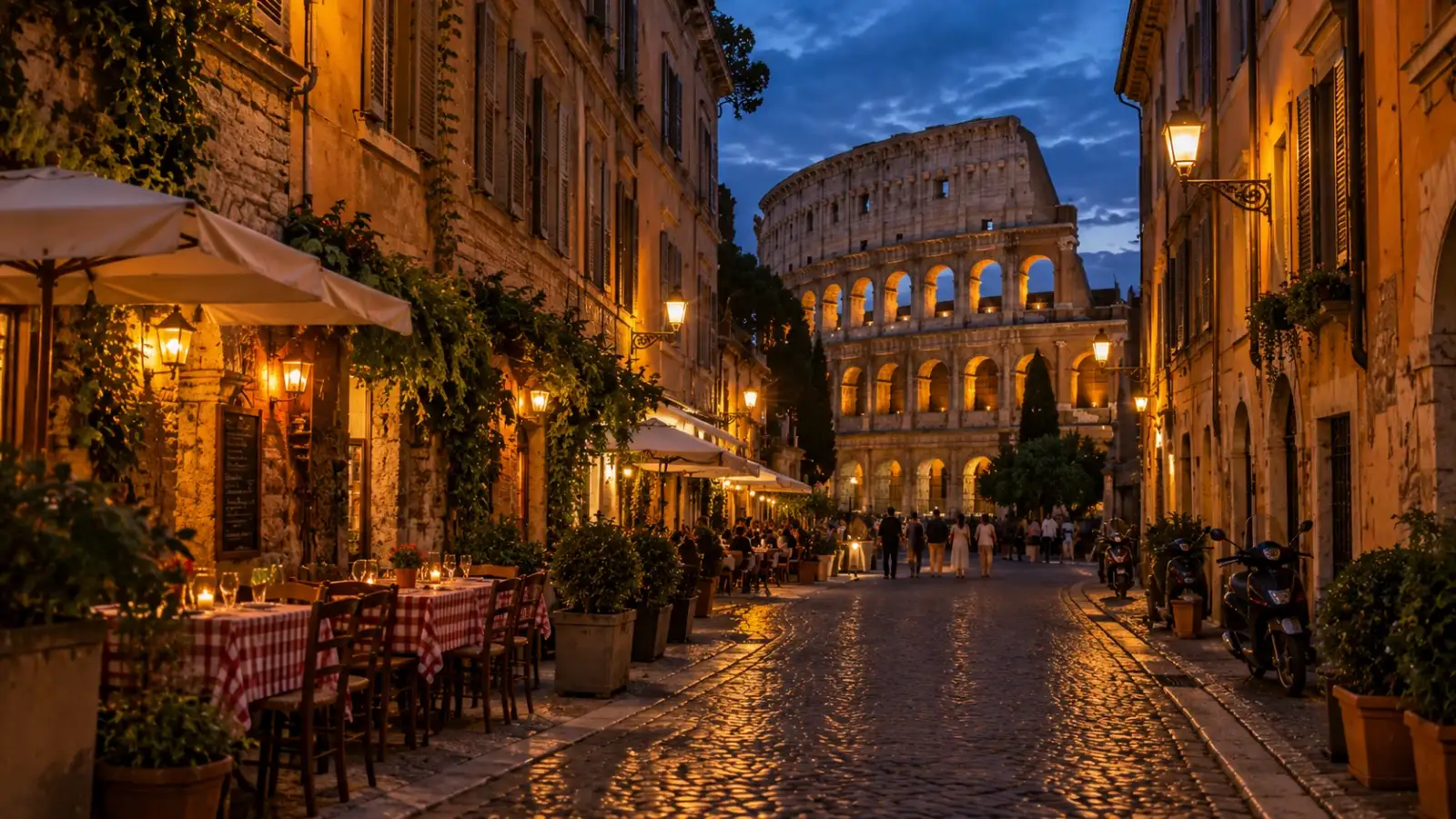
Exploring historic streets after dark can offer a different perspective on architecture, local food and everyday life. Stone walls, old doorways, traditional markets and centuries-old buildings can take on a new character under street lamps.
For travellers who enjoy evening walks, photography and historic neighbourhoods, these destinations offer memorable streets to explore after sunset. It is still important to stay in busy areas, follow local advice and check opening hours and transport before heading out.
Areas around the Pantheon, Piazza Navona and Campo de' Fiori can be particularly atmospheric after sunset. The warm lighting highlights stone façades and historic details while cafés and restaurants bring life to the streets.
A night walk through Rome does not have to be focused entirely on famous landmarks. Simply following the smaller streets between major squares can reveal quiet corners that are easy to miss during a busy daytime itinerary.
The area around the Old Town Square and Charles Bridge is popular with visitors, while nearby streets offer quieter walks. Seeing Prague Castle illuminated from across the river can also be a memorable part of an evening.
Travellers who enjoy architecture can take their time rather than trying to cover too much ground. The compact historic centre makes it possible to explore several landmarks on foot.
The medina is a maze of historic lanes where traditional buildings, workshops and markets create a strong sense of place. Evening can be a good time to experience the city's food culture and observe local life.
Visitors should take care to remain aware of their surroundings, particularly in quieter lanes. Staying around active parts of the medina can make an evening walk more comfortable.
Gion and nearby historic areas are known for traditional wooden buildings and narrow streets. Evening visitors may see restaurants opening for dinner and residents going about their routines.
It is important to behave respectfully in traditional neighbourhoods. Visitors should avoid entering private areas and should never photograph people without permission.
The area around Santa Cruz is particularly appealing for an evening walk, with winding streets and whitewashed buildings. The city also has a strong tapas culture, so an evening stroll can easily become a food-focused experience.
Rather than rushing between attractions, visitors can stop at a small square, enjoy a drink or meal and continue exploring once the streets become cooler.
Walking along the main streets and smaller lanes allows visitors to appreciate the old architecture without the intensity of daytime crowds. The stone façades also look striking under evening lighting.
The Old Town is compact, so a short evening walk can cover several important areas. Comfortable footwear is useful because many streets and steps are made of stone.
A night walk can reveal the city's mixture of Ottoman, Byzantine and modern influences. Street cafés, restaurants and illuminated landmarks add to the experience.
Travellers should check the opening hours of attractions because many historic sites close before late evening. The best night experience often comes from walking through public streets and squares rather than expecting every landmark to be open.
The warm lighting on tiled façades and traditional buildings creates a distinctive evening atmosphere. In some areas, the sound of traditional music drifting from restaurants adds another layer to the experience.
Because Lisbon is hilly, an evening walk can involve steep streets and steps. Taking a slower route and allowing time for stops can make the experience much more enjoyable.
Evening walks can also connect travellers with local food culture. Historic streets often come alive around dinner time, with restaurants, bakeries, cafés and food stalls serving regional specialities.
However, night exploration requires a little more planning. Check the safest routes, know how you will return to your accommodation and keep valuables secure. It is generally better to explore well-used streets than isolated areas, especially if you are unfamiliar with the city.
From Rome's stone lanes and Prague's medieval centre to Marrakech's busy medina and Lisbon's steep Alfama streets, these destinations offer different versions of historic city life after dark.
A simple evening walk can therefore become one of the most memorable parts of a city break. You may discover a quiet square, hear local music, find a small family-run restaurant or simply see familiar architecture in a completely new light.
Exploring historic streets after dark can offer a different perspective on architecture, local food and everyday life. Stone walls, old doorways, traditional markets and centuries-old buildings can take on a new character under street lamps.
For travellers who enjoy evening walks, photography and historic neighbourhoods, these destinations offer memorable streets to explore after sunset. It is still important to stay in busy areas, follow local advice and check opening hours and transport before heading out.
1. Rome, Italy
Rome is filled with historic streets, and evening is often a wonderful time to experience its central neighbourhoods. Around the historic centre, narrow lanes connect famous monuments with small piazzas, fountains and traditional buildings.Areas around the Pantheon, Piazza Navona and Campo de' Fiori can be particularly atmospheric after sunset. The warm lighting highlights stone façades and historic details while cafés and restaurants bring life to the streets.
A night walk through Rome does not have to be focused entirely on famous landmarks. Simply following the smaller streets between major squares can reveal quiet corners that are easy to miss during a busy daytime itinerary.
2. Prague, Czech Republic
Prague's Old Town is known for its historic architecture, and its streets can become especially atmospheric after dark. Gothic buildings, old lanes and illuminated squares create a distinctive evening setting.The area around the Old Town Square and Charles Bridge is popular with visitors, while nearby streets offer quieter walks. Seeing Prague Castle illuminated from across the river can also be a memorable part of an evening.
Travellers who enjoy architecture can take their time rather than trying to cover too much ground. The compact historic centre makes it possible to explore several landmarks on foot.
3. Marrakech, Morocco
Marrakech offers a very different experience after dark. The narrow streets of the medina become lively with people, small shops and food stalls, while the famous Jemaa el-Fnaa square develops its own evening atmosphere.The medina is a maze of historic lanes where traditional buildings, workshops and markets create a strong sense of place. Evening can be a good time to experience the city's food culture and observe local life.
Visitors should take care to remain aware of their surroundings, particularly in quieter lanes. Staying around active parts of the medina can make an evening walk more comfortable.
4. Kyoto, Japan
Kyoto is famous for traditional architecture, temples and historic neighbourhoods. Some of its old streets can be particularly beautiful in the evening when lanterns and soft lighting create a quieter atmosphere.Gion and nearby historic areas are known for traditional wooden buildings and narrow streets. Evening visitors may see restaurants opening for dinner and residents going about their routines.
It is important to behave respectfully in traditional neighbourhoods. Visitors should avoid entering private areas and should never photograph people without permission.
5. Seville, Spain
Seville's historic centre is well suited to evening exploration. Narrow lanes, tiled courtyards, small squares and traditional buildings give the city a warm atmosphere after sunset.The area around Santa Cruz is particularly appealing for an evening walk, with winding streets and whitewashed buildings. The city also has a strong tapas culture, so an evening stroll can easily become a food-focused experience.
Rather than rushing between attractions, visitors can stop at a small square, enjoy a drink or meal and continue exploring once the streets become cooler.
6. Dubrovnik, Croatia
Dubrovnik's historic Old Town is enclosed by famous defensive walls and filled with stone streets and historic buildings. During the evening, the streets can feel calmer after many day visitors have left.Walking along the main streets and smaller lanes allows visitors to appreciate the old architecture without the intensity of daytime crowds. The stone façades also look striking under evening lighting.
The Old Town is compact, so a short evening walk can cover several important areas. Comfortable footwear is useful because many streets and steps are made of stone.
7. Istanbul, Türkiye
Istanbul has an extraordinary combination of historic streets, markets, mosques and waterfront areas. The neighbourhoods around Sultanahmet and the Grand Bazaar offer a strong sense of history, while areas such as Galata provide a livelier evening atmosphere.A night walk can reveal the city's mixture of Ottoman, Byzantine and modern influences. Street cafés, restaurants and illuminated landmarks add to the experience.
Travellers should check the opening hours of attractions because many historic sites close before late evening. The best night experience often comes from walking through public streets and squares rather than expecting every landmark to be open.
8. Lisbon, Portugal
Lisbon's historic neighbourhoods are particularly attractive after sunset. Areas such as Alfama are filled with narrow streets, stairways, old houses and viewpoints overlooking the city.The warm lighting on tiled façades and traditional buildings creates a distinctive evening atmosphere. In some areas, the sound of traditional music drifting from restaurants adds another layer to the experience.
Because Lisbon is hilly, an evening walk can involve steep streets and steps. Taking a slower route and allowing time for stops can make the experience much more enjoyable.
Why Explore Historic Streets at Night
Night-time sightseeing can change how you experience a historic destination. Without the intense daylight and crowds, architectural details can become more noticeable. Street lighting can also highlight textures, arches, balconies and old stonework in ways that are difficult to appreciate during the day.Evening walks can also connect travellers with local food culture. Historic streets often come alive around dinner time, with restaurants, bakeries, cafés and food stalls serving regional specialities.
However, night exploration requires a little more planning. Check the safest routes, know how you will return to your accommodation and keep valuables secure. It is generally better to explore well-used streets than isolated areas, especially if you are unfamiliar with the city.
See an Older City From a Different Perspective
Historic streets are not frozen museum exhibits. They remain part of living cities, and evening is often when their everyday character becomes most visible.From Rome's stone lanes and Prague's medieval centre to Marrakech's busy medina and Lisbon's steep Alfama streets, these destinations offer different versions of historic city life after dark.
A simple evening walk can therefore become one of the most memorable parts of a city break. You may discover a quiet square, hear local music, find a small family-run restaurant or simply see familiar architecture in a completely new light.
Next Story