
Beyond Amsterdam's Canals: How to Explore the Netherlands' Historic Waterways and Hidden Towns

The Netherlands is famous for its canals, but its waterways tell a much bigger story than the postcard views of Amsterdam. For centuries, canals, rivers, lakes and harbour routes helped transport goods, protect settlements, drain farmland and connect communities across the country. Many historic towns developed around these networks, leaving behind waterside warehouses, old bridges, traditional houses and impressive engineering works. Travelling along these waterways offers a different way to understand Dutch history and everyday life. With a thoughtful itinerary, visitors can combine canal cruises, cycling routes, historic towns and museums to discover how water helped shape the Netherlands.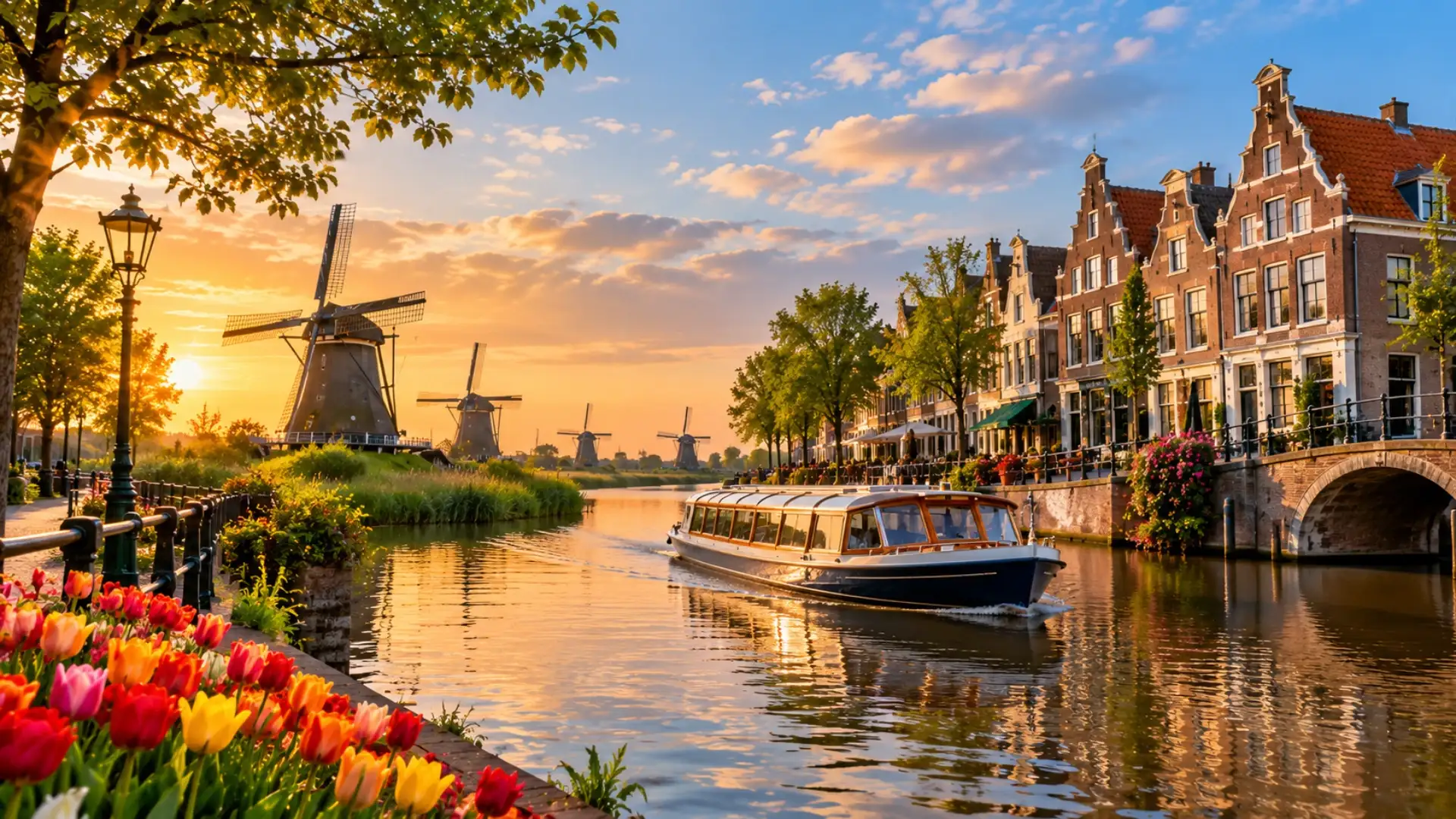
Waterways also became essential transport routes. Before modern road and rail networks, boats carried agricultural produce, building materials and other goods between towns and trading centres.
This combination of water management and trade influenced the layout of Dutch cities. Canals often formed the boundaries of neighbourhoods, while warehouses, markets and homes grew along their banks.
Exploring these routes helps travellers understand why water is not simply a scenic feature in the Netherlands. It remains closely connected to the country's landscape, economy and cultural identity.
The seventeenth-century canal district developed as Amsterdam expanded into a major centre of international trade. Merchants built houses and warehouses beside the canals, making it easier to move goods between boats, storage spaces and businesses.
A canal cruise provides a convenient introduction to the city's layout, particularly for first-time visitors. Walking along the banks offers a closer look at architectural details, houseboats and quieter streets away from the busiest squares.
For a more immersive experience, consider exploring sections of the canal ring on foot before taking a boat trip. This combination reveals how the waterways connect different neighbourhoods.
Choose a cruise that explains the history and engineering of the canals rather than focusing only on sightseeing.
Historically, these spaces helped merchants transfer goods between boats and storage areas. Some former warehouses and cellars have since been adapted into cafés, restaurants and other businesses.
The canal's layered structure makes Utrecht particularly interesting for travellers who want to understand how waterways influenced urban design. From street level, visitors can look down towards the water and see how the lower wharves connect with buildings above.
Walk along the Oudegracht and explore nearby historic streets at a relaxed pace. If you choose a boat tour, look for one that explains the development of Utrecht's canal system and the role of its wharves in trade.
Its canals pass through a compact historic centre, where old houses, bridges and churches create an appealing setting for walking. The waterways helped support trade and everyday transport as the town developed over the centuries.
Delft is also associated with Delft Blue pottery, making it an interesting stop for travellers who want to combine architectural exploration with local crafts. Museums and workshops can provide context on how the city's ceramic traditions developed.
Rather than rushing between attractions, follow the canals through the centre and pause at smaller bridges and waterside streets. The scale of the town makes it relatively easy to explore on foot.
Check local cruise schedules if you want to experience the waterways from a boat, as availability can vary by season.
The windmills were part of a wider system designed to move water from lower areas into higher channels. They demonstrate how engineering, landscape management and community life became closely connected in the Netherlands.
Visitors can walk along designated paths, observe the windmills from different viewpoints and learn about the site's water-management history. The setting is particularly appealing to photographers, especially when the weather creates reflections across the channels.
Follow marked routes and respect access restrictions around working infrastructure and private land. Before visiting, check which windmills or museum facilities are open, as access arrangements can vary.
Kinderdijk is a useful addition to a trip because it shows the practical side of the country's relationship with water, beyond the decorative canals of its cities.
In Hoorn, on the former Zuiderzee, historic buildings and harbour views reflect the town's maritime past. Its history is closely connected with shipping and trade during the Dutch Golden Age.
Enkhuizen also offers a strong maritime atmosphere. The town has historic harbour areas and museums that explore life connected to the former Zuiderzee, now largely enclosed by the IJsselmeer following major water-management projects.
These destinations provide a different perspective from Amsterdam. Instead of focusing on grand city canals, travellers can explore the relationship between water, fishing, shipping and regional trade.
Check ferry services, museum schedules and local transport before planning a day trip, particularly if you intend to visit more than one harbour town.
A bicycle journey lets you move at your own pace and stop at bridges, traditional houses, windmills or small cafés along the way. Routes around Utrecht, Delft and the countryside near Kinderdijk can be suitable for travellers who want to combine outdoor activity with heritage sightseeing.
However, not every waterside path is a public cycling route. Some dikes have restrictions, narrow sections or shared use with pedestrians and local traffic.
Plan a route that matches your fitness level and available time. Check surface conditions, weather forecasts and bicycle hire arrangements before setting off. Carry water, a charged phone and an offline map in case mobile coverage is limited.
The Zuiderzee Works transformed parts of the former inland sea into the IJsselmeer and helped create new areas of land. The Delta Works, built in response to severe flooding in 1953, form a major system of dams, barriers and other structures designed to improve flood protection in the southwestern Netherlands.
Travellers interested in engineering can include relevant museums, visitor centres or accessible viewpoints in their itinerary. These sites help explain how Dutch water management evolved from local drainage systems to large-scale infrastructure.
Because some installations are operational infrastructure, access may be restricted. Check official visitor information before travelling, and use designated viewing areas rather than attempting to enter protected sites.
For a three-day trip, you could spend the first day exploring Amsterdam's canal ring, the second visiting Utrecht or Delft, and the third discovering Kinderdijk or a historic harbour town. The best combination depends on your accommodation, transport preferences and the season.
Before you travel:
Exploring the Netherlands' historic waterways offers a deeper understanding of the country's architecture, trading history and relationship with water. Amsterdam's canals, Utrecht's wharf cellars, Delft's historic streets and Kinderdijk's windmills each reveal a different aspect of this heritage. Harbour towns and water-management landmarks add further context to the story. By combining boat trips with walking, cycling and visits to museums, travellers can discover more than the country's famous canal views. A carefully planned route makes it easier to appreciate how waterways shaped Dutch communities and continue to influence the landscape today.
Why Are the Netherlands' Historic Waterways So Important?
Water has played a central role in Dutch history. Much of the Netherlands lies at low elevations, and some areas were reclaimed from wetlands, lakes and the sea. Communities developed systems of dikes, drainage channels, pumping stations and canals to manage water and protect settlements.Waterways also became essential transport routes. Before modern road and rail networks, boats carried agricultural produce, building materials and other goods between towns and trading centres.
This combination of water management and trade influenced the layout of Dutch cities. Canals often formed the boundaries of neighbourhoods, while warehouses, markets and homes grew along their banks.
Exploring these routes helps travellers understand why water is not simply a scenic feature in the Netherlands. It remains closely connected to the country's landscape, economy and cultural identity.
1. Explore Amsterdam's Historic Canal Ring
Amsterdam is a natural starting point for a waterway-focused trip. Its historic canal ring features waterways lined with narrow houses, arched bridges and buildings that reflect the city's growth during the Dutch Golden Age.The seventeenth-century canal district developed as Amsterdam expanded into a major centre of international trade. Merchants built houses and warehouses beside the canals, making it easier to move goods between boats, storage spaces and businesses.
A canal cruise provides a convenient introduction to the city's layout, particularly for first-time visitors. Walking along the banks offers a closer look at architectural details, houseboats and quieter streets away from the busiest squares.
For a more immersive experience, consider exploring sections of the canal ring on foot before taking a boat trip. This combination reveals how the waterways connect different neighbourhoods.
Choose a cruise that explains the history and engineering of the canals rather than focusing only on sightseeing.
2. Visit Utrecht for Its Unique Wharf Cellars
Utrecht offers a different canal experience from Amsterdam. Its historic waterways are known for lower-level wharves and cellars that sit beside the water, creating a distinctive arrangement along parts of the Oudegracht, or Old Canal.Historically, these spaces helped merchants transfer goods between boats and storage areas. Some former warehouses and cellars have since been adapted into cafés, restaurants and other businesses.
The canal's layered structure makes Utrecht particularly interesting for travellers who want to understand how waterways influenced urban design. From street level, visitors can look down towards the water and see how the lower wharves connect with buildings above.
Walk along the Oudegracht and explore nearby historic streets at a relaxed pace. If you choose a boat tour, look for one that explains the development of Utrecht's canal system and the role of its wharves in trade.
3. Discover Delft's Canals and Historic Centre
Delft combines historic waterways with traditional Dutch architecture, market squares and a strong connection to the country's ceramic heritage.Its canals pass through a compact historic centre, where old houses, bridges and churches create an appealing setting for walking. The waterways helped support trade and everyday transport as the town developed over the centuries.
Delft is also associated with Delft Blue pottery, making it an interesting stop for travellers who want to combine architectural exploration with local crafts. Museums and workshops can provide context on how the city's ceramic traditions developed.
Rather than rushing between attractions, follow the canals through the centre and pause at smaller bridges and waterside streets. The scale of the town makes it relatively easy to explore on foot.
Check local cruise schedules if you want to experience the waterways from a boat, as availability can vary by season.
4. Follow the Canals and Windmills of Kinderdijk
Kinderdijk is one of the best-known places to learn about Dutch water management . Its landscape features historic windmills, drainage channels and low-lying land shaped by centuries of efforts to control water.The windmills were part of a wider system designed to move water from lower areas into higher channels. They demonstrate how engineering, landscape management and community life became closely connected in the Netherlands.
Visitors can walk along designated paths, observe the windmills from different viewpoints and learn about the site's water-management history. The setting is particularly appealing to photographers, especially when the weather creates reflections across the channels.
Follow marked routes and respect access restrictions around working infrastructure and private land. Before visiting, check which windmills or museum facilities are open, as access arrangements can vary.
Kinderdijk is a useful addition to a trip because it shows the practical side of the country's relationship with water, beyond the decorative canals of its cities.
5. Explore Historic Harbours and Water Towns
Some Dutch towns developed around harbours, fishing activities and inland shipping rather than large urban canal rings. Visiting these places can reveal how waterways shaped different kinds of communities.In Hoorn, on the former Zuiderzee, historic buildings and harbour views reflect the town's maritime past. Its history is closely connected with shipping and trade during the Dutch Golden Age.
Enkhuizen also offers a strong maritime atmosphere. The town has historic harbour areas and museums that explore life connected to the former Zuiderzee, now largely enclosed by the IJsselmeer following major water-management projects.
These destinations provide a different perspective from Amsterdam. Instead of focusing on grand city canals, travellers can explore the relationship between water, fishing, shipping and regional trade.
Check ferry services, museum schedules and local transport before planning a day trip, particularly if you intend to visit more than one harbour town.
6. Experience the Netherlands by Bicycle Along Waterways
Cycling is one of the most practical ways to explore the Dutch landscape beyond the major cities. Many routes follow canals, rivers, dikes and lakes, passing through villages, farmland and historic settlements.A bicycle journey lets you move at your own pace and stop at bridges, traditional houses, windmills or small cafés along the way. Routes around Utrecht, Delft and the countryside near Kinderdijk can be suitable for travellers who want to combine outdoor activity with heritage sightseeing.
However, not every waterside path is a public cycling route. Some dikes have restrictions, narrow sections or shared use with pedestrians and local traffic.
Plan a route that matches your fitness level and available time. Check surface conditions, weather forecasts and bicycle hire arrangements before setting off. Carry water, a charged phone and an offline map in case mobile coverage is limited.
7. Learn About Dutch Water Engineering and Flood Protection
Historic canals are only one part of the Netherlands' relationship with water. The country has also developed large-scale systems to manage floods, reclaim land and protect communities from the sea.You may also like
- “No TV, no phones…”: How Asin and her husband are raising their daughter away from screens; “She can speak about 12 languages”
- Essential Guide for Senior Citizens Planning a Pilgrimage
- Karwa Chauth 2023: Essential Details on Bhadra and Auspicious Timing
- Taking Antibiotics? 5 Changes in Your Digestion You Should Never Ignore
- Eating Sweets Before Bed? 6 Ways Excess Sugar May Affect Your Skin
The Zuiderzee Works transformed parts of the former inland sea into the IJsselmeer and helped create new areas of land. The Delta Works, built in response to severe flooding in 1953, form a major system of dams, barriers and other structures designed to improve flood protection in the southwestern Netherlands.
Travellers interested in engineering can include relevant museums, visitor centres or accessible viewpoints in their itinerary. These sites help explain how Dutch water management evolved from local drainage systems to large-scale infrastructure.
Because some installations are operational infrastructure, access may be restricted. Check official visitor information before travelling, and use designated viewing areas rather than attempting to enter protected sites.
8. Plan a Practical Historic Waterway Itinerary
A well-designed itinerary should balance boat trips, walking, cycling and visits to historic towns. Trying to cover too many destinations in a short time can make the journey feel rushed.For a three-day trip, you could spend the first day exploring Amsterdam's canal ring, the second visiting Utrecht or Delft, and the third discovering Kinderdijk or a historic harbour town. The best combination depends on your accommodation, transport preferences and the season.
Before you travel:
- Check canal cruise schedules and seasonal operating hours.
- Confirm museum opening days and ticket requirements.
- Use trains and local public transport to connect major towns where practical.
- Allow extra time for cycling routes and weather changes.
- Choose accommodation near a railway station or historic centre if you want to reduce travel time.
- Check whether boat trips require advance booking during busy periods.
Exploring the Netherlands' historic waterways offers a deeper understanding of the country's architecture, trading history and relationship with water. Amsterdam's canals, Utrecht's wharf cellars, Delft's historic streets and Kinderdijk's windmills each reveal a different aspect of this heritage. Harbour towns and water-management landmarks add further context to the story. By combining boat trips with walking, cycling and visits to museums, travellers can discover more than the country's famous canal views. A carefully planned route makes it easier to appreciate how waterways shaped Dutch communities and continue to influence the landscape today.






Loving Newspoint? Download the app now
