
Explore India's UNESCO World Heritage Sites: A Monsoon Adventure Awaits

With the arrival of the monsoon, India undergoes a magical transformation. The rains wash away the dust of summer and bring lush greenery and life to the landscape. While many travellers shy away from venturing out during the wet season, those who do are rewarded with enchanting and memorable experiences. The country’s UNESCO World Heritage Sites, in particular, take on a whole new character during this time. From ancient rock-cut temples to mist-covered mountain ranges, here are five UNESCO sites that are especially captivating in the monsoon.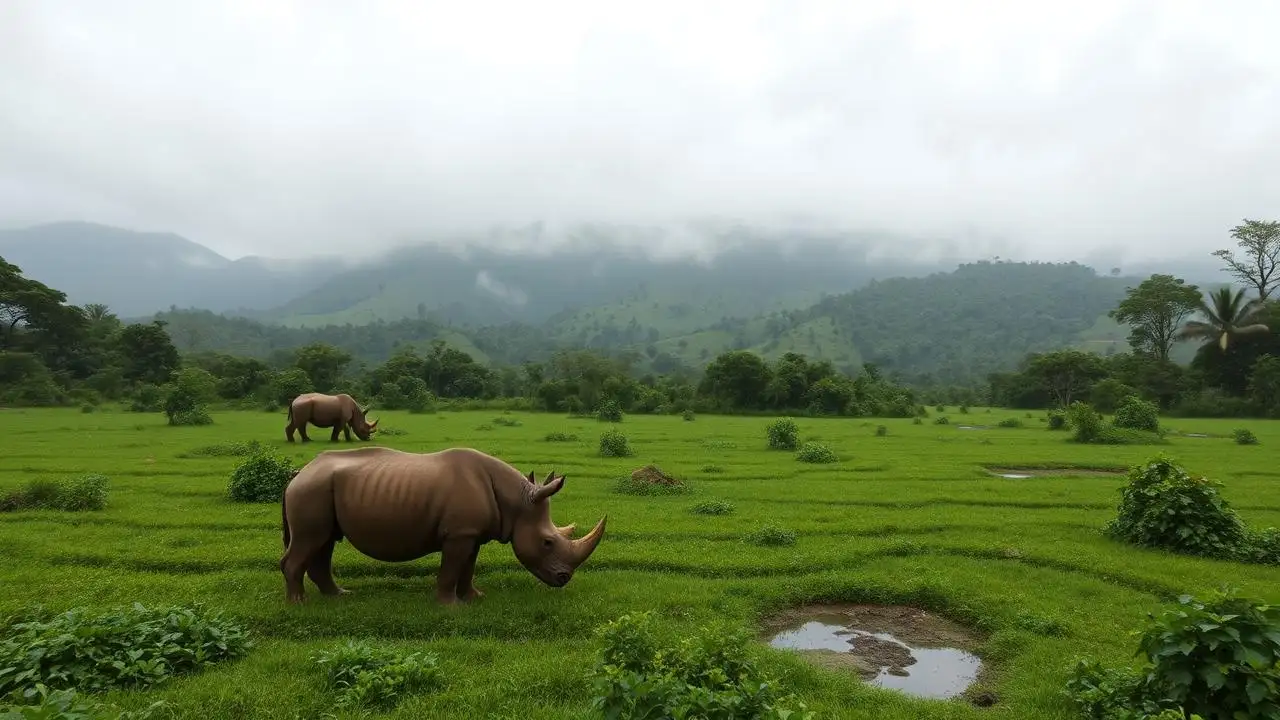
Kaziranga National Park , Assam
Recognized by UNESCO in 1985, Kaziranga is best known for housing the largest population of one-horned rhinoceroses in the world. While the park is officially closed from May to October due to frequent flooding from the Brahmaputra River, early June or late September offer a brief window when water levels are manageable. During this time, the park is at its most vibrant, with grey skies above, migratory birds arriving, and the landscape echoing with the wild sounds of the forest.
Western Ghats
The Western Ghats, spanning five Indian states, are one of the world’s top eight biodiversity hotspots. From June to September, the monsoon transforms this 1,600-kilometre mountain range into a lush, green haven. Travelling on the scenic train route from Mangalore to Goa during this time offers views of waterfalls cascading down hillsides. Nature lovers can also explore regions like Wayanad or Silent Valley National Park in Kerala to spot endangered species, including the Lion-tailed macaque.
Ajanta Caves , Maharashtra
Among the most renowned heritage sites in India, the Ajanta Caves are carved into a horseshoe-shaped cliff overlooking the Waghora River. These ancient Buddhist monuments, inscribed as a UNESCO site in 1983, feature intricate sculptures and frescoes that illustrate episodes from Buddha's life. In the monsoon, the site becomes especially dramatic, with waterfalls pouring over the cliffs, the river surging below, and the surrounding jungle alive with colour and sound.
Valley of Flowers National Park, Uttarakhand
Located in the Chamoli district, the Valley of Flowers earns its name when visited during the right time—between mid-July and mid-August, right in the heart of the monsoon. At this point, alpine flowers bloom in vibrant colours across the high-altitude meadows, creating an awe-inspiring landscape. The approximately 17-kilometre trek through the valley is challenging, with slippery trails and fog, but the reward is a peaceful sanctuary filled with rare plant species and sweeping mountain views.
Chhatrapati Shivaji Maharaj Terminus, Mumbai
Functioning as a railway station, CSMT is also an architectural marvel. This Victorian Gothic structure stands tall in the heart of Mumbai and looks especially majestic during the rains. As water cascades down its historic stone facade, the surrounding streets take on the atmosphere of a period film. For the best view, grab a window seat at a nearby café and watch the monsoon unfold—but stay prepared, as the Mumbai rains can be intense.
Kaziranga National Park , Assam
Recognized by UNESCO in 1985, Kaziranga is best known for housing the largest population of one-horned rhinoceroses in the world. While the park is officially closed from May to October due to frequent flooding from the Brahmaputra River, early June or late September offer a brief window when water levels are manageable. During this time, the park is at its most vibrant, with grey skies above, migratory birds arriving, and the landscape echoing with the wild sounds of the forest.
Western Ghats
The Western Ghats, spanning five Indian states, are one of the world’s top eight biodiversity hotspots. From June to September, the monsoon transforms this 1,600-kilometre mountain range into a lush, green haven. Travelling on the scenic train route from Mangalore to Goa during this time offers views of waterfalls cascading down hillsides. Nature lovers can also explore regions like Wayanad or Silent Valley National Park in Kerala to spot endangered species, including the Lion-tailed macaque.
You may also like
- Rashmika Mandanna steals the show at an engagement in gorgeous velvet anarkali; Vijay Deverakonda goes all-black
- Travelling this week? IMD flags heavy rain, flooding and landslide risks across these Indian states
- DIY: 5 smart air fryer hacks every home cook should know
- Beauty Tips : You don't need thousands of rupees to get glowing skin, do natural facials at home
- Parenting: The perfect morning routine for school-going children—say goodbye to the morning rush..
Ajanta Caves , Maharashtra
Among the most renowned heritage sites in India, the Ajanta Caves are carved into a horseshoe-shaped cliff overlooking the Waghora River. These ancient Buddhist monuments, inscribed as a UNESCO site in 1983, feature intricate sculptures and frescoes that illustrate episodes from Buddha's life. In the monsoon, the site becomes especially dramatic, with waterfalls pouring over the cliffs, the river surging below, and the surrounding jungle alive with colour and sound.
Valley of Flowers National Park, Uttarakhand
Located in the Chamoli district, the Valley of Flowers earns its name when visited during the right time—between mid-July and mid-August, right in the heart of the monsoon. At this point, alpine flowers bloom in vibrant colours across the high-altitude meadows, creating an awe-inspiring landscape. The approximately 17-kilometre trek through the valley is challenging, with slippery trails and fog, but the reward is a peaceful sanctuary filled with rare plant species and sweeping mountain views.
Chhatrapati Shivaji Maharaj Terminus, Mumbai
Functioning as a railway station, CSMT is also an architectural marvel. This Victorian Gothic structure stands tall in the heart of Mumbai and looks especially majestic during the rains. As water cascades down its historic stone facade, the surrounding streets take on the atmosphere of a period film. For the best view, grab a window seat at a nearby café and watch the monsoon unfold—but stay prepared, as the Mumbai rains can be intense.






Loving Newspoint? Download the app now
