
7 Best Places to See Snow Leopards in the Wild Across the Himalayas

The snow leopard is one of the most elusive animals in the world. It lives high in rugged mountains, blends remarkably well with rocky surroundings and can disappear from view within seconds.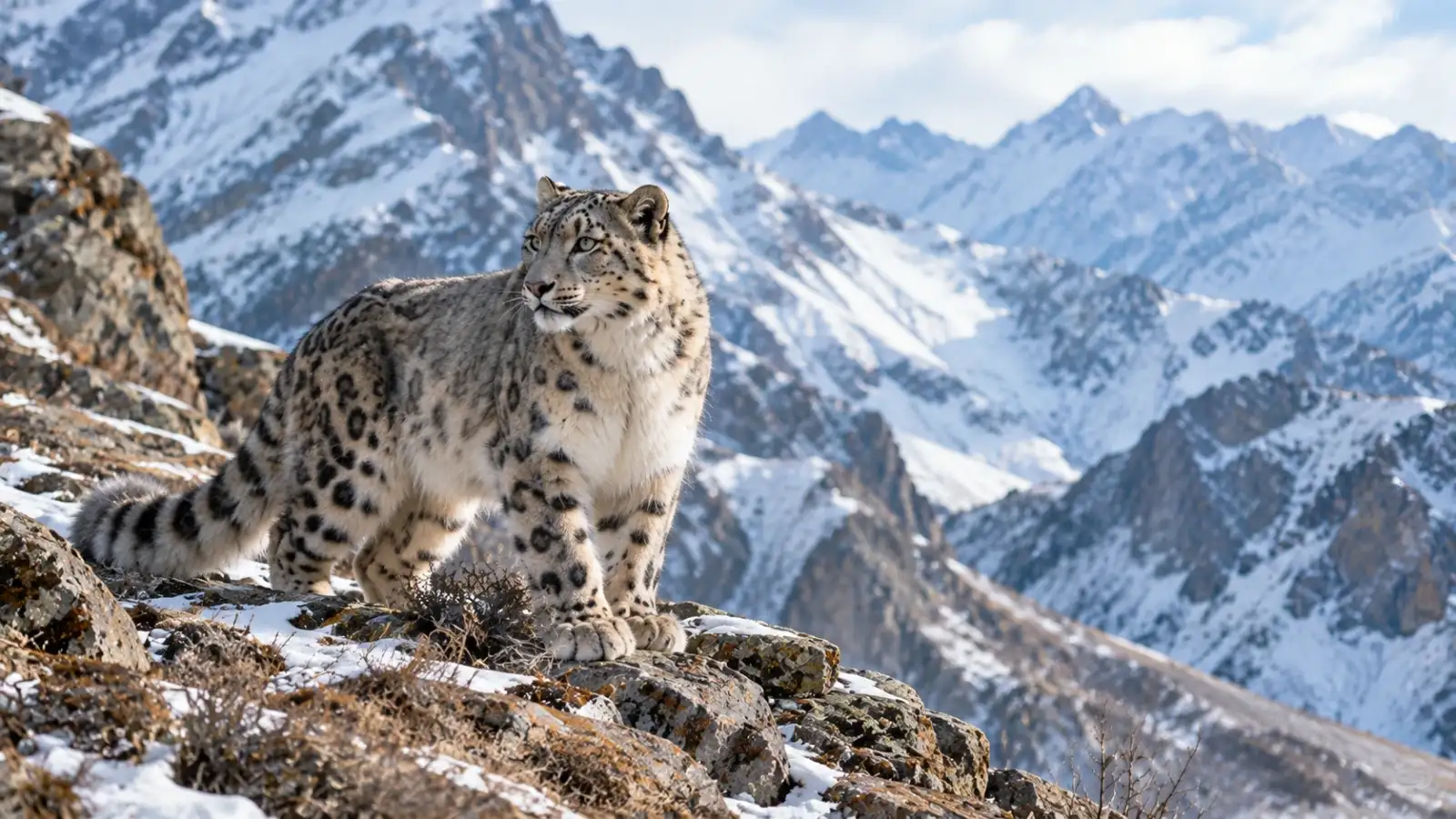
For wildlife lovers, seeing one in its natural habitat is a rare and unforgettable experience. The Himalayas and surrounding high altitude landscapes are among the best places to look for these secretive cats.
A sighting can never be guaranteed, but visiting the right habitats with experienced local guides can greatly improve your chances.
Here are seven places where travellers and wildlife enthusiasts may have an opportunity to search for snow leopards .
Winter is often considered a particularly good period for snow leopard tracking because animals may move to lower elevations while following prey.
Wildlife trips usually involve spending several days in the region and searching the mountain slopes with experienced trackers.
The dramatic scenery is an attraction in itself, even if the elusive cat remains hidden.
The high altitude landscape is characterised by barren mountains, deep valleys and cold desert scenery. The region also supports animals such as Himalayan ibex and blue sheep, which form an important part of the snow leopard's prey base.
Winter expeditions can be challenging because of cold temperatures and difficult conditions, but they can offer an extraordinary wildlife experience.
Its rugged terrain and high altitude valleys provide habitat for several Himalayan species, including the snow leopard.
The park is also known for its unusual cold desert landscape. Snow covered mountains, frozen streams and remote villages create a very different experience from the greener Himalayan destinations seen during warmer months.
Visitors should plan carefully because winter conditions can make travel difficult.
The park contains forests at lower elevations and alpine landscapes higher up. Snow leopards are among the rare species found in the wider protected landscape.
Unlike some high altitude destinations, the park offers a variety of habitats and other wildlife experiences as well.
Trekkers and wildlife enthusiasts can explore the area with local guides while enjoying its mountain scenery.
The region is surrounded by some of the highest mountains in India and contains rugged valleys, glaciers and alpine habitats.
Snow leopards are among the rare wildlife species associated with the broader Nanda Devi landscape.
Access to parts of the area is restricted and carefully regulated, so travellers should check current rules before planning a wildlife focused visit.
The park's high altitude environment also provides habitat for snow leopards, although spotting one remains extremely difficult.
A visit here can combine wildlife interest with trekking through Sherpa communities and some of the world's most famous mountain landscapes.
Travellers should remember that a snow leopard sighting is a bonus rather than something that can be promised.
The park contains deep valleys, rugged mountains and the striking Phoksundo Lake. It is also recognised as habitat for snow leopards.
Reaching the region can require considerable planning, making it more suitable for experienced travellers who are comfortable with remote mountain conditions.
For those who make the journey, the combination of wildlife, landscapes and traditional Himalayan culture can make the experience particularly memorable.
During colder months, snow leopards may move to lower elevations as they follow prey. Snow can also make tracks and animal movement easier for experienced trackers to identify.
However, winter expeditions can involve freezing temperatures, difficult roads and high altitude conditions. Travellers should prepare carefully and follow local advice.
They also live across enormous territories and often move through remote terrain far from roads and settlements.
This means that even spending several days in good habitat does not guarantee a sighting.
A responsible wildlife trip should therefore focus on experiencing the landscape and respecting the animal rather than treating a sighting as something that must happen.
Do not approach animals for photographs or encourage guides to chase them. Keeping a respectful distance helps protect both the animals and their habitat.
The best wildlife experience is one where the animal remains wild and undisturbed.
Seeing a snow leopard in the wild requires patience, preparation and plenty of luck. Hemis, Kibber, Pin Valley, Great Himalayan National Park, Nanda Devi, Sagarmatha and Shey Phoksundo are among the remarkable Himalayan landscapes associated with this elusive cat.
Even when the animal stays hidden, travelling through these remote mountains offers an opportunity to experience some of the world's most extraordinary wildlife habitats.
For wildlife lovers, seeing one in its natural habitat is a rare and unforgettable experience. The Himalayas and surrounding high altitude landscapes are among the best places to look for these secretive cats.
A sighting can never be guaranteed, but visiting the right habitats with experienced local guides can greatly improve your chances.
Here are seven places where travellers and wildlife enthusiasts may have an opportunity to search for snow leopards .
1. Hemis National Park, Ladakh
Hemis National Park is one of the best known snow leopard habitats in India. Located in the high mountains of Ladakh, the park contains steep valleys, rocky slopes and remote landscapes that provide ideal surroundings for the species.Winter is often considered a particularly good period for snow leopard tracking because animals may move to lower elevations while following prey.
Wildlife trips usually involve spending several days in the region and searching the mountain slopes with experienced trackers.
The dramatic scenery is an attraction in itself, even if the elusive cat remains hidden.
2. Kibber Wildlife Sanctuary, Himachal Pradesh
Kibber and the surrounding Spiti Valley are well known among wildlife enthusiasts searching for snow leopards.The high altitude landscape is characterised by barren mountains, deep valleys and cold desert scenery. The region also supports animals such as Himalayan ibex and blue sheep, which form an important part of the snow leopard's prey base.
Winter expeditions can be challenging because of cold temperatures and difficult conditions, but they can offer an extraordinary wildlife experience.
3. Pin Valley National Park, Himachal Pradesh
Pin Valley National Park is another important protected area in the Spiti region.Its rugged terrain and high altitude valleys provide habitat for several Himalayan species, including the snow leopard.
The park is also known for its unusual cold desert landscape. Snow covered mountains, frozen streams and remote villages create a very different experience from the greener Himalayan destinations seen during warmer months.
Visitors should plan carefully because winter conditions can make travel difficult.
4. Great Himalayan National Park, Himachal Pradesh
Located in Kullu, Great Himalayan National Park is known for its rich biodiversity and dramatic mountain environment.The park contains forests at lower elevations and alpine landscapes higher up. Snow leopards are among the rare species found in the wider protected landscape.
Unlike some high altitude destinations, the park offers a variety of habitats and other wildlife experiences as well.
Trekkers and wildlife enthusiasts can explore the area with local guides while enjoying its mountain scenery.
5. Nanda Devi National Park, Uttarakhand
Nanda Devi National Park forms part of a spectacular high altitude landscape in Uttarakhand.The region is surrounded by some of the highest mountains in India and contains rugged valleys, glaciers and alpine habitats.
Snow leopards are among the rare wildlife species associated with the broader Nanda Devi landscape.
Access to parts of the area is restricted and carefully regulated, so travellers should check current rules before planning a wildlife focused visit.
6. Sagarmatha National Park, Nepal
On the Nepal side of the Himalayas, Sagarmatha National Park is famous for Mount Everest and its spectacular mountain scenery.The park's high altitude environment also provides habitat for snow leopards, although spotting one remains extremely difficult.
A visit here can combine wildlife interest with trekking through Sherpa communities and some of the world's most famous mountain landscapes.
Travellers should remember that a snow leopard sighting is a bonus rather than something that can be promised.
7. Shey Phoksundo National Park, Nepal
Shey Phoksundo National Park lies in the remote Dolpo region of Nepal and is known for its dramatic high altitude landscapes.The park contains deep valleys, rugged mountains and the striking Phoksundo Lake. It is also recognised as habitat for snow leopards.
Reaching the region can require considerable planning, making it more suitable for experienced travellers who are comfortable with remote mountain conditions.
For those who make the journey, the combination of wildlife, landscapes and traditional Himalayan culture can make the experience particularly memorable.
When Is the Best Time to Look for Snow Leopards?
The best period can vary between locations, but winter is often favoured for snow leopard searches in parts of the Himalayas.During colder months, snow leopards may move to lower elevations as they follow prey. Snow can also make tracks and animal movement easier for experienced trackers to identify.
However, winter expeditions can involve freezing temperatures, difficult roads and high altitude conditions. Travellers should prepare carefully and follow local advice.
Why Snow Leopard Sightings Are So Rare
Snow leopards are naturally difficult to observe. Their grey and spotted coats provide excellent camouflage against rocky mountain slopes.They also live across enormous territories and often move through remote terrain far from roads and settlements.
This means that even spending several days in good habitat does not guarantee a sighting.
A responsible wildlife trip should therefore focus on experiencing the landscape and respecting the animal rather than treating a sighting as something that must happen.
Travel Responsibly
Snow leopard habitats are fragile mountain ecosystems. Visitors should avoid disturbing wildlife, follow protected area rules and use responsible local guides.Do not approach animals for photographs or encourage guides to chase them. Keeping a respectful distance helps protect both the animals and their habitat.
The best wildlife experience is one where the animal remains wild and undisturbed.
Seeing a snow leopard in the wild requires patience, preparation and plenty of luck. Hemis, Kibber, Pin Valley, Great Himalayan National Park, Nanda Devi, Sagarmatha and Shey Phoksundo are among the remarkable Himalayan landscapes associated with this elusive cat.
Even when the animal stays hidden, travelling through these remote mountains offers an opportunity to experience some of the world's most extraordinary wildlife habitats.
Next Story