
10 Places Where You Can Explore a Region Through Its Traditional Boats

A boat can tell you a surprising amount about a place. Long before modern ferries, motorboats and cruise ships became common, communities built boats according to the waters around them and the work they needed to do. Fishing villages developed practical vessels for rough seas, river communities created narrow boats for shallow waterways and island cultures designed boats capable of carrying people and goods between distant shores.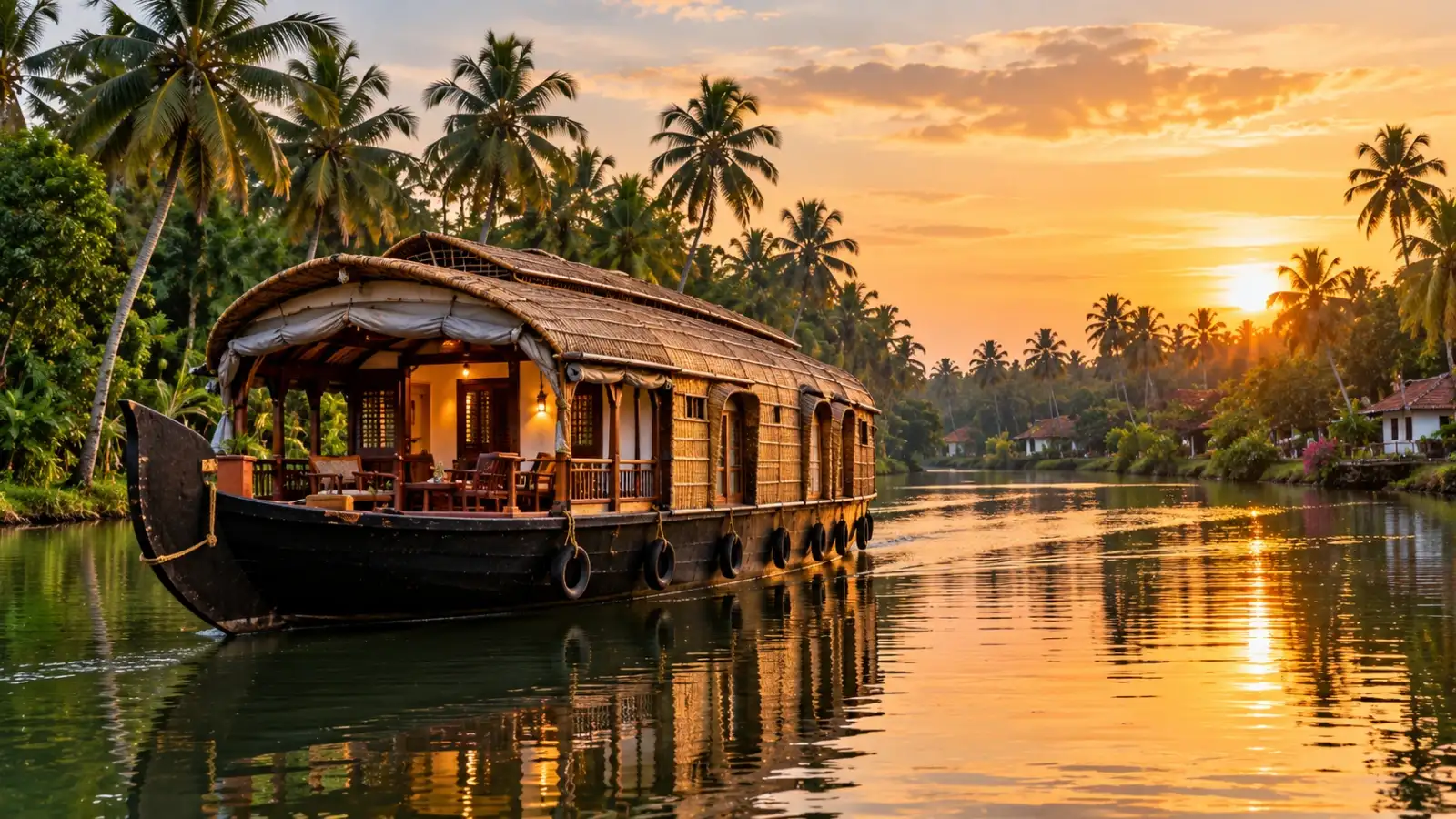
Today, traditional boats offer travellers a different way to explore a destination. Instead of simply visiting a landmark, you can experience the waterways that helped shape local life. Some boat types are still used by fishermen and communities, while others are preserved as part of cultural heritage.
From wooden sailing boats in the Mediterranean to long-tail boats in Thailand, these ten destinations offer interesting ways to discover a region through its traditional boats.
Traditional kettuvallams were originally used to transport rice and other goods. Today, many have been transformed into houseboats offering overnight journeys through the backwaters.
A slow trip allows you to see everyday life along the water, including fishermen, small villages and people travelling between communities. Rather than rushing from one attraction to another, you can simply watch the landscape pass by.
The gondola has become a symbol of the city. Its distinctive curved shape and single-oar design developed to make navigating Venice's narrow canals easier.
Although a gondola ride is now primarily a visitor experience, travelling through the smaller waterways provides a different perspective on Venice. Historic buildings appear at water level, bridges pass overhead and the sounds of the city seem quieter away from the busiest streets.
These narrow boats are powered by distinctive long-shaft engines that allow them to navigate canals and rivers. Visitors can take boat trips through areas where traditional wooden homes sit close to the water.
Exploring Bangkok by boat can reveal a side of the city that is easy to miss when travelling only by road. The waterways connect neighbourhoods, markets and historic areas while offering an interesting glimpse into everyday life.
Boat trips can take visitors between islands, caves and floating communities. While larger modern vessels are common today, the design of traditional boats reflects Vietnam's long relationship with coastal waters.
For travellers interested in local culture, combining a boat journey with a visit to fishing communities can add more context to the spectacular scenery.
Zanzibar is a particularly interesting destination for experiencing dhow culture. Visitors can take sailing trips along the coast, often around sunset, while enjoying views of the Indian Ocean.
The experience connects the island to the wider maritime history of the region. Traditional dhows also help explain how goods, people and ideas travelled across the Indian Ocean long before modern transport.
One distinctive type is the brightly painted varino boat, traditionally associated with cargo transport on the Tagus.
Today, traditional boat experiences can provide visitors with a different view of Lisbon. The city skyline, historic waterfront and famous landmarks look quite different from the river, making a boat trip a worthwhile addition to a city break.
In several parts of the country, visitors can experience historic boats or take trips on traditional-style vessels.
A journey through a Norwegian fjord combines the country's maritime heritage with dramatic scenery. Mountains rise directly from the water, while small settlements appear along the shoreline.
For travellers interested in both history and nature, few experiences combine the two as naturally.
Different types of waka were designed for different purposes, including travel, fishing and warfare. Today, waka continue to be used for cultural activities, ceremonies and visitor experiences.
Taking part in a guided waka experience can provide more than just a boat ride. Visitors can learn about Māori traditions, navigation and the importance of waterways while experiencing the physical environment from the water.
Historic boats still operate in the wider Stockholm archipelago, allowing visitors to experience the landscape in a more traditional way.
A boat trip between the islands can reveal small cottages, rocky shorelines and forested landscapes that are difficult to appreciate fully from the mainland.
Traditional rowing boats and fishing vessels are part of the region's maritime culture, while modern passenger ferries continue to make the waterway an important part of everyday transport.
Exploring Istanbul from the water offers a completely different perspective of its mosques, palaces, waterfront neighbourhoods and historic buildings. It also shows why the Bosphorus has been so important to the city's development.
A narrow river boat needs different qualities from a fishing vessel designed for open seas. A sailing dhow reflects the winds of the Indian Ocean, while a Norwegian wooden boat evolved around a rugged coastline and cold waters.
Travelling on these boats can therefore make local history easier to understand. Instead of reading about how communities depended on rivers, lakes or seas, you can experience those waterways yourself.
Traditional boat journeys also tend to encourage slower travel. There is time to notice houses along a riverbank, watch fishermen at work or simply appreciate a landscape from a different angle.
Weather is another important consideration. Traditional boats can be more affected by wind and waves than large modern vessels, so trips may sometimes change according to conditions.
It is also worth learning a little about the boat before boarding. Understanding why it was designed in a particular way can make the journey much more meaningful.
Whether you are floating through Kerala's backwaters, sailing beside Zanzibar's coast or travelling between islands in Scandinavia, the boat itself becomes part of the destination.
Traditional boats preserve part of that history. They allow travellers to explore destinations at a slower pace while learning about the people who depended on the water for generations.
If your next trip is focused on authentic travel experiences rather than simply ticking off famous attractions, consider looking for a traditional boat journey. It could offer not only beautiful views but also a deeper understanding of the region you are visiting.
Today, traditional boats offer travellers a different way to explore a destination. Instead of simply visiting a landmark, you can experience the waterways that helped shape local life. Some boat types are still used by fishermen and communities, while others are preserved as part of cultural heritage.
From wooden sailing boats in the Mediterranean to long-tail boats in Thailand, these ten destinations offer interesting ways to discover a region through its traditional boats.
1. Kerala, India: Traditional Houseboats on the Backwaters
Kerala's backwaters provide one of the most relaxing ways to experience southern India. The network of lakes, canals and waterways passes through villages, coconut plantations and areas of lush countryside.Traditional kettuvallams were originally used to transport rice and other goods. Today, many have been transformed into houseboats offering overnight journeys through the backwaters.
A slow trip allows you to see everyday life along the water, including fishermen, small villages and people travelling between communities. Rather than rushing from one attraction to another, you can simply watch the landscape pass by.
2. Venice, Italy: Discover the City by Gondola
Venice is perhaps the world's most famous destination for traditional boats. Its narrow canals and historic waterways were shaped around boats as much as roads.The gondola has become a symbol of the city. Its distinctive curved shape and single-oar design developed to make navigating Venice's narrow canals easier.
Although a gondola ride is now primarily a visitor experience, travelling through the smaller waterways provides a different perspective on Venice. Historic buildings appear at water level, bridges pass overhead and the sounds of the city seem quieter away from the busiest streets.
3. Bangkok, Thailand: Long-Tail Boats and Canal Life
Bangkok is often called the Venice of the East because of its historic network of canals, known locally as khlongs. Traditional long-tail boats remain a recognisable part of life on the city's waterways.These narrow boats are powered by distinctive long-shaft engines that allow them to navigate canals and rivers. Visitors can take boat trips through areas where traditional wooden homes sit close to the water.
Exploring Bangkok by boat can reveal a side of the city that is easy to miss when travelling only by road. The waterways connect neighbourhoods, markets and historic areas while offering an interesting glimpse into everyday life.
4. Ha Long Bay, Vietnam: Traditional Boats Among Limestone Islands
Ha Long Bay is famous for its towering limestone islands rising from the sea. Traditional-style wooden boats and smaller vessels provide an atmospheric way to explore this dramatic landscape.Boat trips can take visitors between islands, caves and floating communities. While larger modern vessels are common today, the design of traditional boats reflects Vietnam's long relationship with coastal waters.
For travellers interested in local culture, combining a boat journey with a visit to fishing communities can add more context to the spectacular scenery.
5. Zanzibar, Tanzania: Sailing on a Traditional Dhow
The dhow is closely connected with the history of the Indian Ocean. These traditional sailing boats have been used for centuries for fishing and trade along the coasts of East Africa and the Arabian Peninsula.Zanzibar is a particularly interesting destination for experiencing dhow culture. Visitors can take sailing trips along the coast, often around sunset, while enjoying views of the Indian Ocean.
The experience connects the island to the wider maritime history of the region. Traditional dhows also help explain how goods, people and ideas travelled across the Indian Ocean long before modern transport.
6. Lisbon, Portugal: Traditional Boats on the Tagus
Lisbon's relationship with the River Tagus has played an important role in the city's history. Traditional boats were once essential for transporting people and goods along the river.One distinctive type is the brightly painted varino boat, traditionally associated with cargo transport on the Tagus.
Today, traditional boat experiences can provide visitors with a different view of Lisbon. The city skyline, historic waterfront and famous landmarks look quite different from the river, making a boat trip a worthwhile addition to a city break.
7. Norway: Traditional Wooden Boats Along the Coast
Norway's long coastline, fjords and islands have created a strong maritime culture. Traditional wooden boats were essential for fishing, transport and communication between coastal communities.In several parts of the country, visitors can experience historic boats or take trips on traditional-style vessels.
A journey through a Norwegian fjord combines the country's maritime heritage with dramatic scenery. Mountains rise directly from the water, while small settlements appear along the shoreline.
For travellers interested in both history and nature, few experiences combine the two as naturally.
8. New Zealand: Māori Waka on Lakes and Rivers
Waka are traditional Māori canoes that have played an important role in the history and culture of Aotearoa New Zealand.Different types of waka were designed for different purposes, including travel, fishing and warfare. Today, waka continue to be used for cultural activities, ceremonies and visitor experiences.
Taking part in a guided waka experience can provide more than just a boat ride. Visitors can learn about Māori traditions, navigation and the importance of waterways while experiencing the physical environment from the water.
9. Stockholm, Sweden: Archipelago Travel by Wooden Boats
Stockholm is surrounded by a vast archipelago of islands, making boats an important part of life in the region. Traditional wooden vessels have long been used for transport and leisure across the Baltic waters.Historic boats still operate in the wider Stockholm archipelago, allowing visitors to experience the landscape in a more traditional way.
A boat trip between the islands can reveal small cottages, rocky shorelines and forested landscapes that are difficult to appreciate fully from the mainland.
10. Istanbul, Türkiye: Traditional Boats on the Bosphorus
Istanbul's position between Europe and Asia has always made water central to the city's identity. The Bosphorus connects the Black Sea with the Sea of Marmara and separates the city's European and Asian sides.Traditional rowing boats and fishing vessels are part of the region's maritime culture, while modern passenger ferries continue to make the waterway an important part of everyday transport.
Exploring Istanbul from the water offers a completely different perspective of its mosques, palaces, waterfront neighbourhoods and historic buildings. It also shows why the Bosphorus has been so important to the city's development.
Why Traditional Boats Make Interesting Travel Experiences
Traditional boats are more than attractive vessels. Their designs often reflect the geography, climate and economy of the places where they developed.A narrow river boat needs different qualities from a fishing vessel designed for open seas. A sailing dhow reflects the winds of the Indian Ocean, while a Norwegian wooden boat evolved around a rugged coastline and cold waters.
Travelling on these boats can therefore make local history easier to understand. Instead of reading about how communities depended on rivers, lakes or seas, you can experience those waterways yourself.
Traditional boat journeys also tend to encourage slower travel. There is time to notice houses along a riverbank, watch fishermen at work or simply appreciate a landscape from a different angle.
How to Make the Most of a Traditional Boat Trip
Before booking a boat experience, look for operators that work with local communities or heritage organisations. This can help ensure that the experience supports the people and traditions it aims to showcase.You may also like
- PPF vs SSY: Which scheme is best for your daughter's future, and where will you get massive returns? Full calculation..
- Angelina Jolie's unusual parenting choice: In 2016, she revealed her six children were learning Khmer, Vietnamese, German, Arabic and sign language
- Modern Parenting Tips: 5 Ways to Raise Confident Kids Without Making Marks and Rank Everything
- Living Room Makeover: 5 Vastu-Inspired Decor Ideas for a Fresh, Calm and Welcoming Home
- Ganesh Chaturthi Rangoli Ideas: 7 Beautiful Designs to Give Your Home a Festive Makeover
Weather is another important consideration. Traditional boats can be more affected by wind and waves than large modern vessels, so trips may sometimes change according to conditions.
It is also worth learning a little about the boat before boarding. Understanding why it was designed in a particular way can make the journey much more meaningful.
Whether you are floating through Kerala's backwaters, sailing beside Zanzibar's coast or travelling between islands in Scandinavia, the boat itself becomes part of the destination.
Seeing a Destination From the Water
Some places make much more sense when viewed from their waterways. Rivers, lakes and seas were often the original routes connecting communities, carrying goods and shaping local economies.Traditional boats preserve part of that history. They allow travellers to explore destinations at a slower pace while learning about the people who depended on the water for generations.
If your next trip is focused on authentic travel experiences rather than simply ticking off famous attractions, consider looking for a traditional boat journey. It could offer not only beautiful views but also a deeper understanding of the region you are visiting.






Loving Newspoint? Download the app now
