
10 Wildlife Species That Move Between Aquatic and Terrestrial Habitats

The boundary between land and water is one of the most interesting places in nature. Rivers meet forests, wetlands stretch across grasslands and coastlines create constantly changing habitats. Some animals have evolved to make use of both sides of this boundary, spending different parts of their lives on land and in water.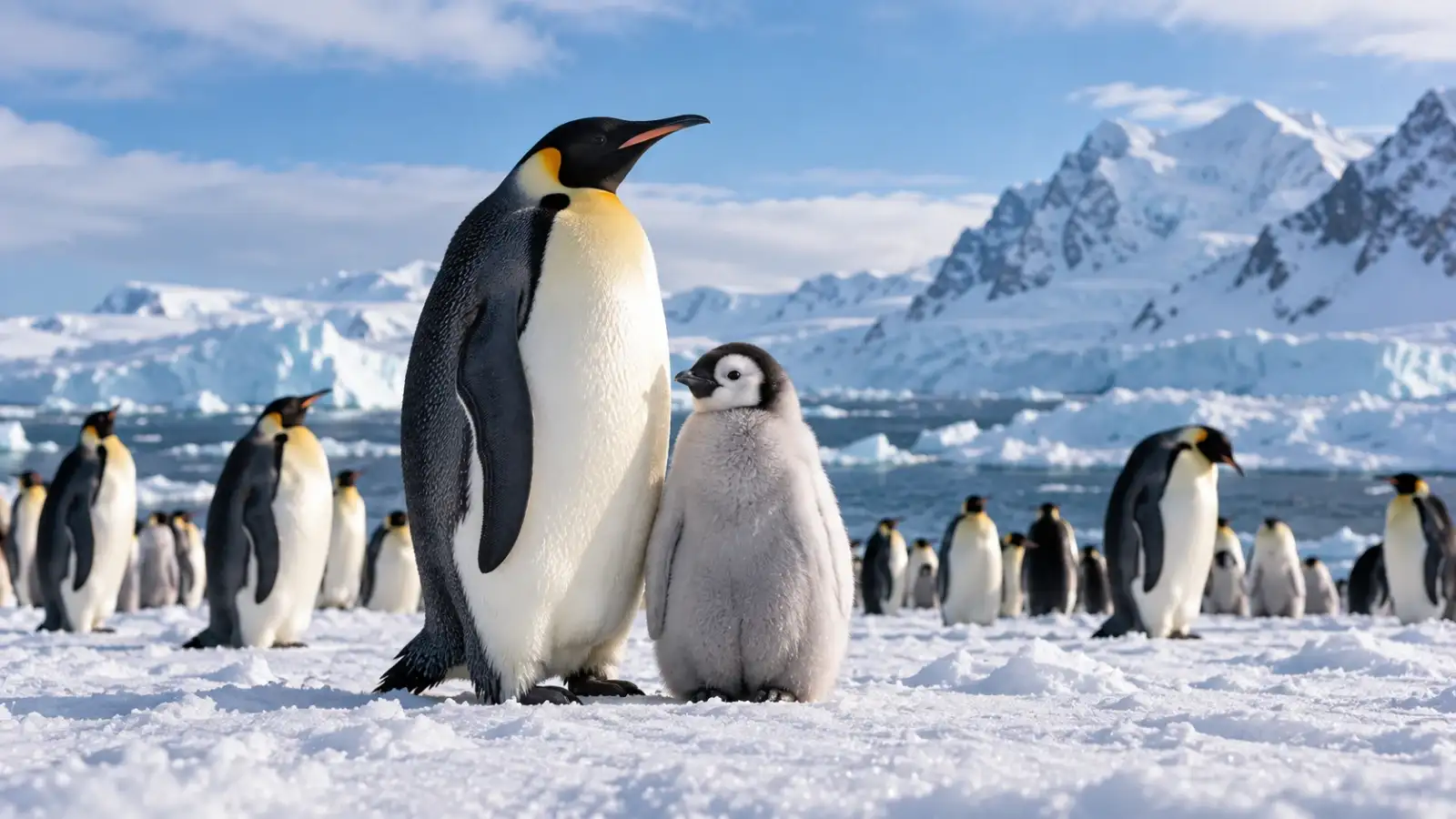
These animals are not all amphibians. Some are reptiles, mammals, birds, fish and even insects. Their adaptations can include webbed feet, waterproof feathers, powerful tails, specialised skin and the ability to hold their breath underwater.
For these creatures, moving between land and water is not simply an occasional activity. It is an important part of finding food, escaping predators, raising young or regulating body temperature. Here are 10 fascinating animals that have mastered life across both environments.
Their eyes, ears and nostrils are positioned high on the head, allowing them to remain mostly submerged while still being able to see, hear and breathe. At night, they often leave the water to graze on land.
This daily movement between aquatic and terrestrial environments is central to their lifestyle.
Their powerful tails make them efficient swimmers, while strong legs allow them to move across land. Their eyes and nostrils can remain above the water while most of their body stays submerged.
This combination of adaptations makes crocodiles effective predators in both environments.
Their flipper-like limbs are highly effective in the sea but make movement on land much more difficult. Nevertheless, females can travel across beaches to find suitable nesting areas.
The journey between ocean and shore is one of the most important parts of their life cycle.
Their broad, flat tails help them steer in water and can also be used to store fat and communicate danger. Webbed hind feet make them strong swimmers.
Their ability to modify their surroundings also creates wetland habitats that can benefit many other species.
Their streamlined bodies, webbed feet and powerful tails make them excellent swimmers. Dense fur helps provide insulation in cold water.
On land, otters can travel along riverbanks and coastlines, often using established paths between waterways.
They spend time on land or ice for resting, breeding and raising chicks. In the ocean, they hunt fish, squid and other marine prey.
Their lives therefore involve regular movement between two very different environments, with each serving a vital purpose.
They are commonly found around tidal mudflats and mangrove habitats where the boundary between land and water changes constantly. Their ability to breathe through their skin and the lining of their mouth helps them remain active outside water when their skin stays moist.
Their bulging eyes and distinctive movements make them particularly easy to recognise.
Basking allows turtles to warm their bodies and can also help maintain their health. When threatened, they can quickly return to the water.
Their shells provide protection while their webbed feet help them move efficiently through freshwater habitats.
They can swim and dive when threatened, using water as an escape route. At the same time, they create burrows in riverbanks where they rest and raise their young.
Their lifestyle shows how important the narrow strip between land and water can be for small mammals.
Dragonfly larvae live in ponds, streams and other freshwater habitats, where they hunt small aquatic creatures. After developing, they emerge from the water, shed their larval skin and become flying adults.
Adult dragonflies spend most of their time in the air and around vegetation near water, where they hunt flying insects and reproduce.
Wetlands, riverbanks, mangroves and coastal zones are therefore especially important habitats. Even small changes to these areas can affect animals that rely on both sides of the ecosystem.
Pollution, habitat destruction and changes in water levels can make it harder for wildlife to move safely between land and water. Protecting connected habitats is essential for species that cannot survive by relying on only one environment.
These creatures show that nature does not always fit neatly into categories. Some animals are specialists in water, others are built for land, while many have evolved to use both.
Their ability to move between environments is a reminder of how closely different parts of an ecosystem are connected. Protecting rivers, wetlands, coastlines and the land around them can therefore help preserve a much wider range of wildlife.
These animals are not all amphibians. Some are reptiles, mammals, birds, fish and even insects. Their adaptations can include webbed feet, waterproof feathers, powerful tails, specialised skin and the ability to hold their breath underwater.
For these creatures, moving between land and water is not simply an occasional activity. It is an important part of finding food, escaping predators, raising young or regulating body temperature. Here are 10 fascinating animals that have mastered life across both environments.
1. Hippopotamuses
Hippopotamuses spend much of their day in rivers and lakes, particularly during the hottest parts of the day. Despite their enormous size, they are well adapted to spending long periods in water.Their eyes, ears and nostrils are positioned high on the head, allowing them to remain mostly submerged while still being able to see, hear and breathe. At night, they often leave the water to graze on land.
This daily movement between aquatic and terrestrial environments is central to their lifestyle.
2. Crocodiles
Crocodiles are among the most recognisable animals that regularly move between land and water. They spend considerable time in rivers, lakes, wetlands and coastal habitats, but they also leave the water to bask, travel and nest.Their powerful tails make them efficient swimmers, while strong legs allow them to move across land. Their eyes and nostrils can remain above the water while most of their body stays submerged.
This combination of adaptations makes crocodiles effective predators in both environments.
3. Sea Turtles
Sea turtles spend most of their adult lives in the ocean, but they must return to land to reproduce. Female sea turtles leave the water and crawl onto sandy beaches to lay their eggs.Their flipper-like limbs are highly effective in the sea but make movement on land much more difficult. Nevertheless, females can travel across beaches to find suitable nesting areas.
The journey between ocean and shore is one of the most important parts of their life cycle.
4. Beavers
Beavers are closely associated with freshwater environments but spend plenty of time on land. They build dams and lodges in rivers, streams and ponds while travelling over land to collect branches, leaves and other plant material.Their broad, flat tails help them steer in water and can also be used to store fat and communicate danger. Webbed hind feet make them strong swimmers.
Their ability to modify their surroundings also creates wetland habitats that can benefit many other species.
5. Otters
Otters are highly adapted to life around freshwater and coastal habitats. Many species spend much of their time swimming and hunting in water but regularly come ashore to rest, travel and raise their young.Their streamlined bodies, webbed feet and powerful tails make them excellent swimmers. Dense fur helps provide insulation in cold water.
On land, otters can travel along riverbanks and coastlines, often using established paths between waterways.
6. Penguins
Penguins are birds, but their lives are strongly connected to both land and water. They cannot fly through the air, yet their wings have evolved into powerful flippers that allow them to move efficiently underwater.They spend time on land or ice for resting, breeding and raising chicks. In the ocean, they hunt fish, squid and other marine prey.
Their lives therefore involve regular movement between two very different environments, with each serving a vital purpose.
7. Mudskippers
Mudskippers are fish with one of the most unusual relationships between land and water. They can spend significant periods outside water, moving across muddy surfaces using their fins.They are commonly found around tidal mudflats and mangrove habitats where the boundary between land and water changes constantly. Their ability to breathe through their skin and the lining of their mouth helps them remain active outside water when their skin stays moist.
Their bulging eyes and distinctive movements make them particularly easy to recognise.
8. Freshwater Turtles
Many freshwater turtles divide their lives between ponds, rivers and land. They may spend long periods swimming and feeding in water before climbing onto logs, rocks or riverbanks to bask.Basking allows turtles to warm their bodies and can also help maintain their health. When threatened, they can quickly return to the water.
Their shells provide protection while their webbed feet help them move efficiently through freshwater habitats.
9. Water Voles
Water voles are closely associated with rivers, streams and wetland areas but also spend time moving through vegetation along the banks.They can swim and dive when threatened, using water as an escape route. At the same time, they create burrows in riverbanks where they rest and raise their young.
You may also like
- How to keep your plants thriving and completely bug free
- Smoking Increases Death Risk by 55% in Diabetes Patients
- 600-year-old Hindu temple in Rajasthan has a Muslim priest; family that came from Sindh has been serving the Hindu goddess for 14 generations: The story of Jodhpur's Bagoria Mataji Mandir
- Why Mahabharata Has Stories Inside Other Stories
- Expectation of at least ₹58,000 pension; another major 8th Pay Commission meeting tomorrow
Their lifestyle shows how important the narrow strip between land and water can be for small mammals.
10. Dragonflies
Dragonflies spend their early lives underwater before emerging into the air as adults. The transformation is one of the clearest examples of an animal using two completely different environments during its life cycle.Dragonfly larvae live in ponds, streams and other freshwater habitats, where they hunt small aquatic creatures. After developing, they emerge from the water, shed their larval skin and become flying adults.
Adult dragonflies spend most of their time in the air and around vegetation near water, where they hunt flying insects and reproduce.
Why Land and Water Habitats Matter
Animals that move between land and water often depend on both environments for different reasons. Water can provide food, protection and cooler temperatures, while land may offer nesting sites, resting areas or access to different food sources.Wetlands, riverbanks, mangroves and coastal zones are therefore especially important habitats. Even small changes to these areas can affect animals that rely on both sides of the ecosystem.
Pollution, habitat destruction and changes in water levels can make it harder for wildlife to move safely between land and water. Protecting connected habitats is essential for species that cannot survive by relying on only one environment.
Life at the Boundary
The meeting point between land and water may look like a simple border, but for many animals it is an entire world of opportunity. Hippos graze on land after spending hours in water, sea turtles return to beaches to lay eggs and dragonflies begin life beneath the surface before taking to the air.These creatures show that nature does not always fit neatly into categories. Some animals are specialists in water, others are built for land, while many have evolved to use both.
Their ability to move between environments is a reminder of how closely different parts of an ecosystem are connected. Protecting rivers, wetlands, coastlines and the land around them can therefore help preserve a much wider range of wildlife.






Loving Newspoint? Download the app now
