
10 Indian Villages That Offer a Glimpse Into India’s Cultural Heritage

India’s villages are often described as the heart of the country’s cultural heritage. While modern technology and changing lifestyles have transformed rural communities, several villages continue to preserve traditional customs, crafts, food habits, architecture and farming practices.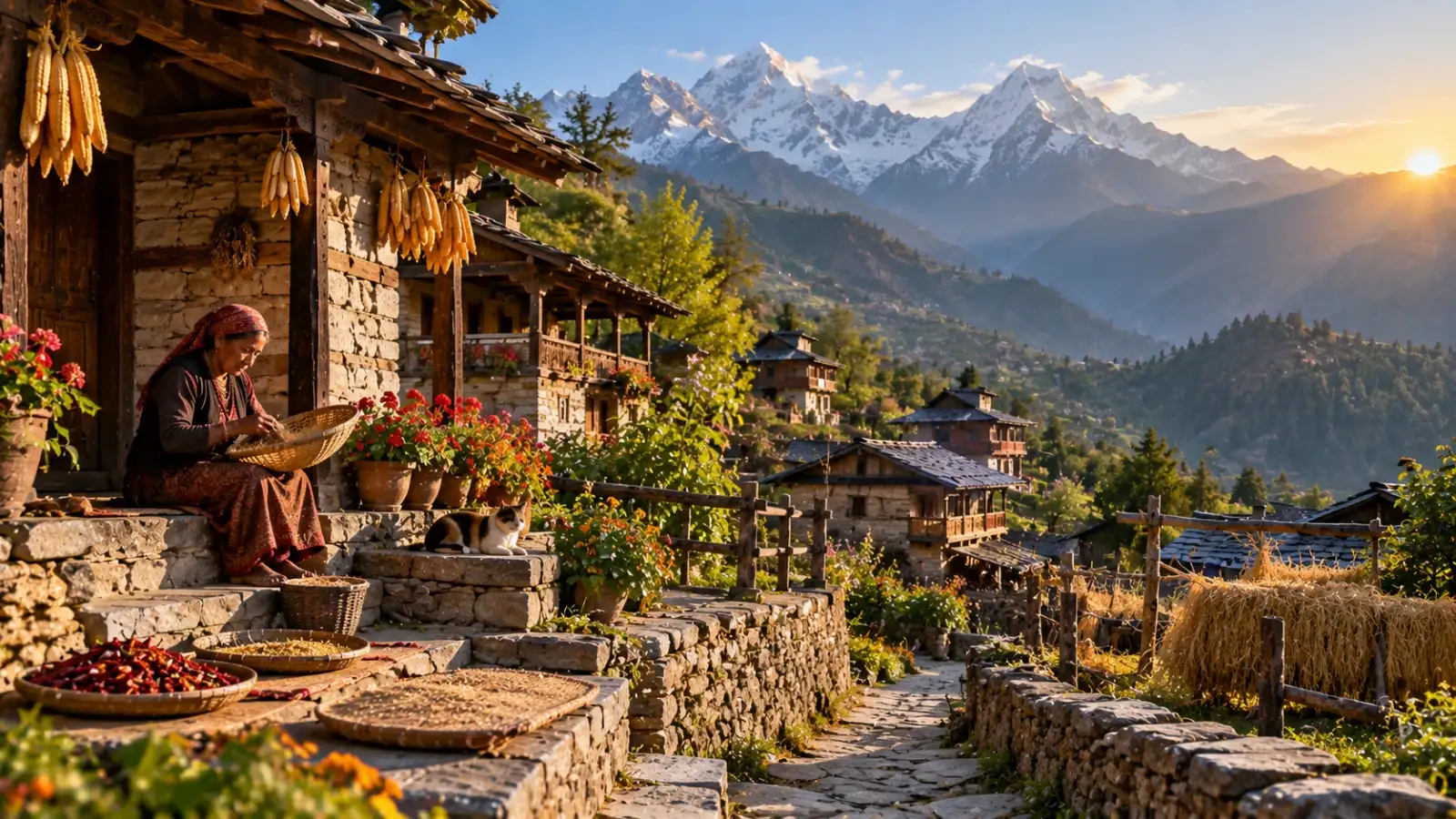
In these places, heritage is not limited to museums or cultural festivals. It remains part of everyday life, from the way homes are built to the methods used to prepare food and celebrate important occasions. These villages offer an opportunity to understand how local communities have maintained their identity while adapting to a changing world.
Here are 10 Indian villages where traditional lifestyles continue to influence daily life.
These homes have traditionally been designed to cope with the region’s hot climate and challenging environmental conditions. Their circular structure and thick walls help regulate indoor temperatures.
Hodka is also associated with embroidery, textile work, leather craft and other traditional forms of handicraft. Local artisans create colourful products featuring geometric patterns and regional designs.
Visitors can experience aspects of rural life through village stays, traditional food and craft demonstrations. The village provides an insight into how architecture, artistry and community life are closely connected in Kutch.
Bamboo and locally available materials remain important in everyday life, while traditional food habits and community practices continue to influence local routines. The surrounding landscape, shaped by forests, hills and abundant rainfall, plays an important role in the way people live.
Khasi cultural traditions can be seen in local festivals, music, food and handicrafts. The village’s emphasis on collective responsibility reflects the importance of community participation in many parts of Meghalaya.
Although Mawlynnong has become a popular tourist destination, it still offers a glimpse into the relationship between local traditions and the natural environment.
Fishing, traditional boat-making, farming and seafood-related occupations have historically played an important role in the local economy. Chinese fishing nets, locally known as Cheena vala, are among the most recognisable features of the area.
The village landscape includes canals, mangroves, coconut trees and traditional homes. Local food traditions are closely connected with the backwaters and coastal environment.
Kumbalangi demonstrates how traditional occupations and natural resources can shape a community’s culture. It also shows how rural tourism can support local livelihoods when managed responsibly.
The Bishnoi community follows principles that encourage respect for trees, animals and natural resources. These values have influenced local customs, farming practices and everyday behaviour for generations.
Village life often includes traditional crafts, pottery, weaving, farming and animal husbandry. Women may be seen wearing regionally distinctive clothing and ornaments, while homes and courtyards reflect the architectural style of rural Rajasthan.
The community’s relationship with nature is an important part of its cultural identity. Visitors exploring these villages may learn about traditional livelihoods, local wildlife and the importance of conservation in everyday life.
Traditional homes in the region have often been built using locally available materials such as wood, bamboo and other natural resources. Community spaces and village pathways reflect the social organisation of Angami society.
Agriculture, particularly terrace farming, has long played an important role in the local economy. Traditional knowledge of soil, water and hillside cultivation has helped communities adapt to the mountainous landscape.
Khonoma is also associated with efforts to protect forests and local biodiversity. Its cultural practices and environmental initiatives offer an insight into how traditional knowledge can support both community life and ecological care.
The village features old houses, narrow lanes, traditional courtyards and buildings that reflect the architectural history of the region. Some structures display influences from colonial-era design, while others retain features associated with traditional Himachali homes.
Local life has historically been shaped by agriculture, small-scale trade and community-based customs. Traditional food, regional festivals and local craftsmanship continue to contribute to the village’s identity.
Pragpur offers an opportunity to explore the relationship between architecture and rural life in the Himalayan foothills.
Weaving is not simply a commercial activity in Sualkuchi. For many families, it is a traditional skill passed down through generations. Looms, yarn preparation and textile-making processes remain an important part of the local cultural landscape.
Assamese motifs, floral patterns and regional designs are often incorporated into traditional garments such as Mekhela Chadors and other handwoven textiles.
Sualkuchi demonstrates how a village’s economic life can remain closely connected with its artistic and cultural heritage.
Pattachitra is a form of cloth-based painting featuring detailed lines, mythological narratives, floral borders and scenes inspired by Hindu religious traditions. Artists generally work on specially prepared surfaces using natural or traditionally prepared colours.
The village is also associated with palm-leaf engraving, wooden toys, traditional masks and other handicrafts. Artistic skills are often taught within families, allowing techniques and visual styles to continue across generations.
Raghurajpur is an example of a community where art is not separated from daily life. Homes can also function as workshops, allowing visitors to observe the creative process and learn about Odisha’s artistic heritage.
Life in Lachen has historically been influenced by cold weather, mountainous terrain and seasonal changes. Traditional homes, woollen clothing, local food and livestock-based activities reflect the need to adapt to the environment.
Buddhist cultural influences can be seen in local monasteries, festivals and community practices. Traditional knowledge of mountain routes, local plants and seasonal conditions has also played an important role in daily life.
Although tourism has increased in the region, local customs and mountain traditions remain important elements of community identity.
The village contains old temples, traditional homes, historic structures and streets that reflect the region’s long cultural history. Agriculture has remained an important part of local life, with farming practices shaped by the surrounding landscape and water resources.
Anegundi is also associated with handicrafts, traditional textiles and community-based cultural initiatives. Local women’s groups and craft workers have contributed to efforts to preserve regional skills and generate sustainable livelihoods.
The village offers a blend of historical heritage and everyday rural life, showing how a community can remain connected to its past while responding to present-day needs.
However, many rural traditions face challenges such as migration, changing economic opportunities, climate pressures and the decline of traditional occupations. Tourism can provide income and encourage cultural preservation, but it must be planned carefully to avoid turning living traditions into mere performances for visitors.
Supporting local artisans, purchasing directly from village producers and respecting community customs are practical ways to contribute to responsible cultural tourism.
The traditional lifestyles found in Indian villages reflect the country’s extraordinary cultural diversity. From the silk looms of Sualkuchi and the painted homes of Raghurajpur to the mountain traditions of Khonoma and Lachen, these communities preserve valuable links to the past.
Their traditions continue to evolve, but many remain meaningful parts of everyday life. Exploring these villages offers more than a travel experience. It provides an opportunity to understand the relationship between people, place, nature and cultural memory.
In these places, heritage is not limited to museums or cultural festivals. It remains part of everyday life, from the way homes are built to the methods used to prepare food and celebrate important occasions. These villages offer an opportunity to understand how local communities have maintained their identity while adapting to a changing world.
Here are 10 Indian villages where traditional lifestyles continue to influence daily life.
1. Hodka, Gujarat
Located in the Kutch region of Gujarat, Hodka is known for its distinctive mud houses, traditional handicrafts and strong community-based culture. The village is particularly recognised for its bhunga homes, which are circular structures with thick mud walls and thatched or decorated roofs.These homes have traditionally been designed to cope with the region’s hot climate and challenging environmental conditions. Their circular structure and thick walls help regulate indoor temperatures.
Hodka is also associated with embroidery, textile work, leather craft and other traditional forms of handicraft. Local artisans create colourful products featuring geometric patterns and regional designs.
Visitors can experience aspects of rural life through village stays, traditional food and craft demonstrations. The village provides an insight into how architecture, artistry and community life are closely connected in Kutch.
2. Mawlynnong, Meghalaya
Mawlynnong, located in Meghalaya, is known for its community-led approach to cleanliness and environmental care. The village has also preserved several elements of traditional Khasi culture.Bamboo and locally available materials remain important in everyday life, while traditional food habits and community practices continue to influence local routines. The surrounding landscape, shaped by forests, hills and abundant rainfall, plays an important role in the way people live.
Khasi cultural traditions can be seen in local festivals, music, food and handicrafts. The village’s emphasis on collective responsibility reflects the importance of community participation in many parts of Meghalaya.
Although Mawlynnong has become a popular tourist destination, it still offers a glimpse into the relationship between local traditions and the natural environment.
3. Kumbalangi, Kerala
Kumbalangi, situated near Kochi, is known for its backwaters, fishing traditions and village-based livelihood systems. It is often associated with responsible tourism initiatives that showcase everyday life in a coastal Kerala community.Fishing, traditional boat-making, farming and seafood-related occupations have historically played an important role in the local economy. Chinese fishing nets, locally known as Cheena vala, are among the most recognisable features of the area.
The village landscape includes canals, mangroves, coconut trees and traditional homes. Local food traditions are closely connected with the backwaters and coastal environment.
Kumbalangi demonstrates how traditional occupations and natural resources can shape a community’s culture. It also shows how rural tourism can support local livelihoods when managed responsibly.
4. Bishnoi Villages, Rajasthan
The Bishnoi villages around Jodhpur offer an important example of a community whose traditional lifestyle is closely connected with environmental protection.The Bishnoi community follows principles that encourage respect for trees, animals and natural resources. These values have influenced local customs, farming practices and everyday behaviour for generations.
Village life often includes traditional crafts, pottery, weaving, farming and animal husbandry. Women may be seen wearing regionally distinctive clothing and ornaments, while homes and courtyards reflect the architectural style of rural Rajasthan.
The community’s relationship with nature is an important part of its cultural identity. Visitors exploring these villages may learn about traditional livelihoods, local wildlife and the importance of conservation in everyday life.
5. Khonoma, Nagaland
Khonoma, located near Kohima, is a historic Angami Naga village known for its distinctive architecture, community traditions and connection with the surrounding hills.Traditional homes in the region have often been built using locally available materials such as wood, bamboo and other natural resources. Community spaces and village pathways reflect the social organisation of Angami society.
Agriculture, particularly terrace farming, has long played an important role in the local economy. Traditional knowledge of soil, water and hillside cultivation has helped communities adapt to the mountainous landscape.
Khonoma is also associated with efforts to protect forests and local biodiversity. Its cultural practices and environmental initiatives offer an insight into how traditional knowledge can support both community life and ecological care.
6. Pragpur, Himachal Pradesh
Pragpur, in Himachal Pradesh’s Kangra region, is recognised for its heritage architecture and traditional village atmosphere. It is often described as one of India’s heritage villages.The village features old houses, narrow lanes, traditional courtyards and buildings that reflect the architectural history of the region. Some structures display influences from colonial-era design, while others retain features associated with traditional Himachali homes.
Local life has historically been shaped by agriculture, small-scale trade and community-based customs. Traditional food, regional festivals and local craftsmanship continue to contribute to the village’s identity.
Pragpur offers an opportunity to explore the relationship between architecture and rural life in the Himalayan foothills.
7. Sualkuchi, Assam
Sualkuchi, located on the banks of the Brahmaputra, is widely known for its silk-weaving tradition. The village has long been associated with Assam’s handloom heritage, particularly the production of Muga, Eri and Mulberry silk.Weaving is not simply a commercial activity in Sualkuchi. For many families, it is a traditional skill passed down through generations. Looms, yarn preparation and textile-making processes remain an important part of the local cultural landscape.
Assamese motifs, floral patterns and regional designs are often incorporated into traditional garments such as Mekhela Chadors and other handwoven textiles.
Sualkuchi demonstrates how a village’s economic life can remain closely connected with its artistic and cultural heritage.
8. Raghurajpur, Odisha
Raghurajpur, near Puri, is a renowned heritage crafts village known for its traditional Pattachitra paintings and other artistic practices.Pattachitra is a form of cloth-based painting featuring detailed lines, mythological narratives, floral borders and scenes inspired by Hindu religious traditions. Artists generally work on specially prepared surfaces using natural or traditionally prepared colours.
The village is also associated with palm-leaf engraving, wooden toys, traditional masks and other handicrafts. Artistic skills are often taught within families, allowing techniques and visual styles to continue across generations.
Raghurajpur is an example of a community where art is not separated from daily life. Homes can also function as workshops, allowing visitors to observe the creative process and learn about Odisha’s artistic heritage.
9. Lachen, Sikkim
Lachen, located in the northern part of Sikkim, offers an insight into the traditional lifestyle of high-altitude Himalayan communities. The village is associated with the cultural heritage of the Lachenpa people.Life in Lachen has historically been influenced by cold weather, mountainous terrain and seasonal changes. Traditional homes, woollen clothing, local food and livestock-based activities reflect the need to adapt to the environment.
Buddhist cultural influences can be seen in local monasteries, festivals and community practices. Traditional knowledge of mountain routes, local plants and seasonal conditions has also played an important role in daily life.
Although tourism has increased in the region, local customs and mountain traditions remain important elements of community identity.
10. Anegundi, Karnataka
Anegundi, located near the historic landscape of Hampi, is known for its connection with the Vijayanagara period and its continuing rural traditions.The village contains old temples, traditional homes, historic structures and streets that reflect the region’s long cultural history. Agriculture has remained an important part of local life, with farming practices shaped by the surrounding landscape and water resources.
Anegundi is also associated with handicrafts, traditional textiles and community-based cultural initiatives. Local women’s groups and craft workers have contributed to efforts to preserve regional skills and generate sustainable livelihoods.
The village offers a blend of historical heritage and everyday rural life, showing how a community can remain connected to its past while responding to present-day needs.
Why These Villages Matter
The importance of these villages extends beyond tourism. They preserve knowledge that may not always be recorded in books, including traditional building techniques, farming methods, weaving skills, food practices and community customs.However, many rural traditions face challenges such as migration, changing economic opportunities, climate pressures and the decline of traditional occupations. Tourism can provide income and encourage cultural preservation, but it must be planned carefully to avoid turning living traditions into mere performances for visitors.
Supporting local artisans, purchasing directly from village producers and respecting community customs are practical ways to contribute to responsible cultural tourism.
The traditional lifestyles found in Indian villages reflect the country’s extraordinary cultural diversity. From the silk looms of Sualkuchi and the painted homes of Raghurajpur to the mountain traditions of Khonoma and Lachen, these communities preserve valuable links to the past.
Their traditions continue to evolve, but many remain meaningful parts of everyday life. Exploring these villages offers more than a travel experience. It provides an opportunity to understand the relationship between people, place, nature and cultural memory.
Next Story