
10 Historic Bridges and City Gates That Reveal India's Past

India's cities are filled with structures that quietly preserve stories from different periods of the country's history. While forts and palaces often receive most of the attention, historic bridges and city gates offer another way to understand how towns developed, how people travelled and how rulers shaped their surroundings.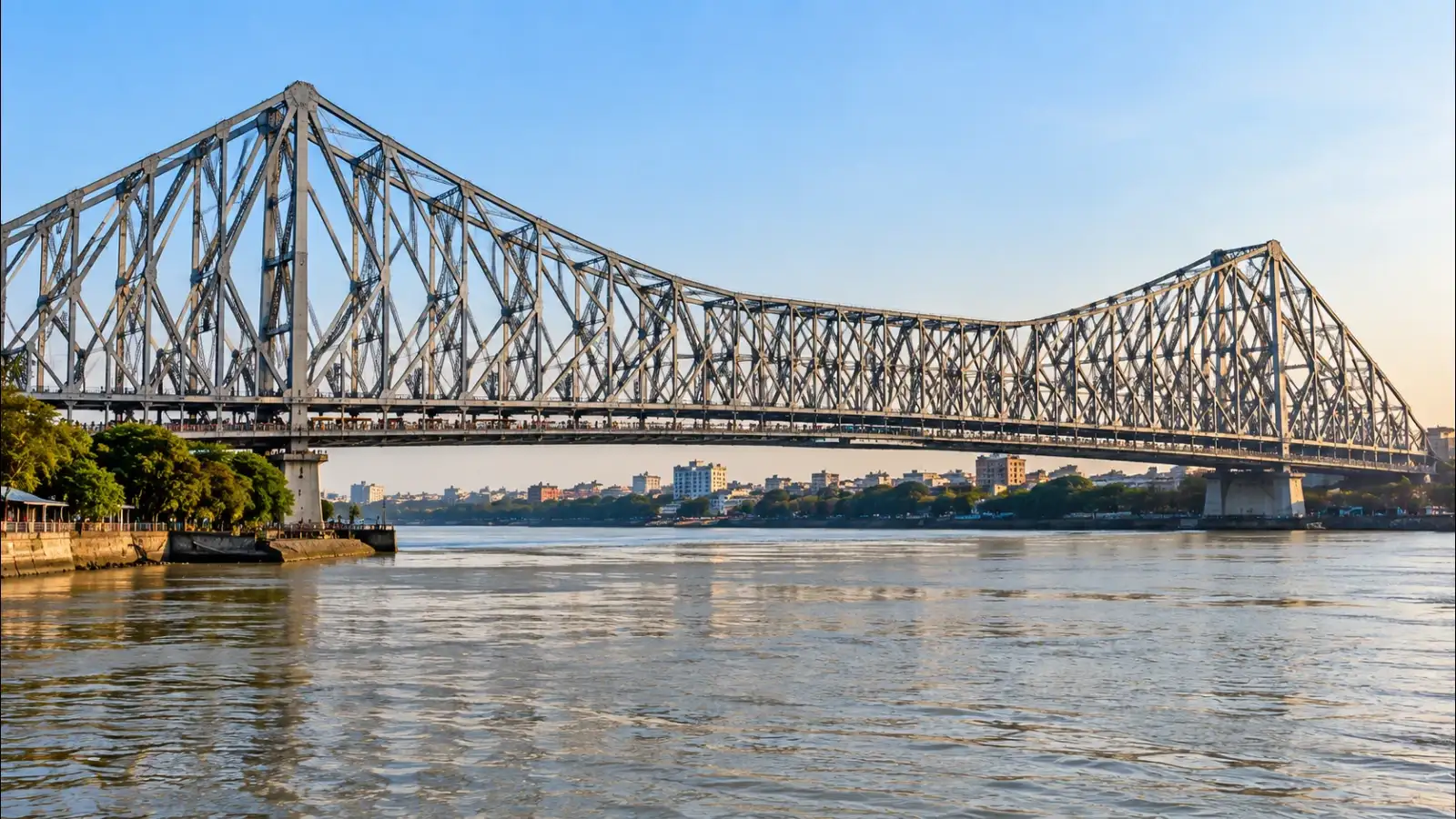
Some were built as important transport routes across rivers, while others formed entrances to fortified cities and old settlements. Today, many continue to serve as landmarks, connecting modern neighbourhoods with India's architectural past.
The bridge's enormous steel structure and busy surroundings make it particularly striking. Unlike many historic monuments that are preserved mainly as tourist attractions, Howrah Bridge remains an important part of everyday urban life.
Its connection with Kolkata's skyline and the Hooghly waterfront has also made it a familiar feature in photographs and films.
Located beside the Arabian Sea in South Mumbai, the structure was built during the British colonial period and combines Indo-Saracenic architectural influences with elements inspired by Gujarati and Islamic styles.
Its position overlooking the waterfront makes it one of the city's most visited landmarks. The surrounding area also provides views towards the harbour and nearby historic buildings.
The gateway features imposing walls and architectural details typical of the period in which the fort developed. Walking through the structure provides a sense of the scale and defensive character of historic Delhi.
Purana Qila itself contains several layers of history, making the gate part of a larger heritage landscape rather than an isolated monument.
The gateway is closely connected with Ahmedabad's historic urban fabric, where traditional markets, old buildings and narrow streets continue to surround the monument.
Its location makes it an interesting starting point for exploring the city's older neighbourhoods and architectural heritage.
The gate takes its name from Ajmer and was positioned along an important route leading towards the city.
Modern Delhi has grown far beyond the walls of Shahjahanabad, but Ajmeri Gate remains an important reminder of the city's earlier boundaries and defensive planning.
The history of these crossings illustrates how the city's relationship with the Hooghly River changed as population, trade and transport expanded.
The development from temporary floating structures to permanent bridges reflects the broader transformation of Kolkata into a major colonial-era commercial centre.
Its architecture reflects a blend of Indian and West Asian influences, while its detailed ornamentation distinguishes it from the more defensive-looking gates found in many fortified cities.
Today, Rumi Darwaza stands as a major symbol of Lucknow's Nawabi heritage and forms part of the historic landscape around Bara Imambara.
The Delhi Gate of Agra Fort is particularly notable for its imposing defensive architecture. The gateway was designed not simply as an entrance but as part of a complex system intended to protect the fort.
Its scale, bastions and layered entrances demonstrate how military architecture was integrated into major royal complexes.
The old city is particularly notable for its combination of monumental architecture, traditional markets and historic neighbourhoods. Several surviving gateways and arches provide reminders of how the older settlement was organised.
Exploring the historic core on foot can reveal smaller architectural details that are easy to miss when visiting only the city's major monuments.
The bridge offered views of the river, temples and surrounding Himalayan foothills, becoming closely associated with the character of Rishikesh.
The original bridge was closed to pedestrians in 2023 following safety concerns, and visitors should check the current status of river crossings before planning a visit.
From the steel span of Howrah Bridge and the waterfront setting of the Gateway of India to the ornate Rumi Darwaza and the old gates of Delhi, these structures represent very different periods and architectural traditions.
Many now stand within rapidly changing cities, surrounded by traffic, markets and modern buildings. That contrast is part of what makes them fascinating. They are not simply remnants of the past but landmarks that continue to shape the identity of the cities around them.
Some were built as important transport routes across rivers, while others formed entrances to fortified cities and old settlements. Today, many continue to serve as landmarks, connecting modern neighbourhoods with India's architectural past.
Howrah Bridge , Kolkata
Howrah Bridge is one of Kolkata's most recognisable landmarks. Stretching across the Hooghly River, the cantilever bridge connects Kolkata with Howrah and has played an important role in the movement of people and goods across the river.The bridge's enormous steel structure and busy surroundings make it particularly striking. Unlike many historic monuments that are preserved mainly as tourist attractions, Howrah Bridge remains an important part of everyday urban life.
Its connection with Kolkata's skyline and the Hooghly waterfront has also made it a familiar feature in photographs and films.
Gateway of India , Mumbai
Although technically a monumental arch rather than a traditional city gate, the Gateway of India is one of Mumbai's most important historic gateways.Located beside the Arabian Sea in South Mumbai, the structure was built during the British colonial period and combines Indo-Saracenic architectural influences with elements inspired by Gujarati and Islamic styles.
Its position overlooking the waterfront makes it one of the city's most visited landmarks. The surrounding area also provides views towards the harbour and nearby historic buildings.
Bada Darwaza, Delhi
Delhi has numerous historic gates associated with its old settlements and fortified areas. Bada Darwaza at Purana Qila is one of the prominent surviving gateways connected with the historic fort complex.The gateway features imposing walls and architectural details typical of the period in which the fort developed. Walking through the structure provides a sense of the scale and defensive character of historic Delhi.
Purana Qila itself contains several layers of history, making the gate part of a larger heritage landscape rather than an isolated monument.
Teen Darwaza, Ahmedabad
Teen Darwaza is an important historic gateway in Ahmedabad's old city. The name refers to its three arched openings, which once formed part of the entrance to the royal precinct associated with the Bhadra Fort area.The gateway is closely connected with Ahmedabad's historic urban fabric, where traditional markets, old buildings and narrow streets continue to surround the monument.
Its location makes it an interesting starting point for exploring the city's older neighbourhoods and architectural heritage.
Ajmeri Gate, Delhi
Ajmeri Gate is one of the surviving historic gates of Old Delhi. Built during the Mughal period, it formed part of the defensive walls surrounding Shahjahanabad.The gate takes its name from Ajmer and was positioned along an important route leading towards the city.
Modern Delhi has grown far beyond the walls of Shahjahanabad, but Ajmeri Gate remains an important reminder of the city's earlier boundaries and defensive planning.
Howrah Pontoon Bridge's Historic Legacy, Kolkata
Before the modern Howrah Bridge became the dominant crossing, Kolkata and Howrah were connected by earlier floating and pontoon bridges.The history of these crossings illustrates how the city's relationship with the Hooghly River changed as population, trade and transport expanded.
The development from temporary floating structures to permanent bridges reflects the broader transformation of Kolkata into a major colonial-era commercial centre.
Rumi Darwaza , Lucknow
Rumi Darwaza is one of Lucknow's most recognisable architectural landmarks. Built during the Nawabi period, the enormous gateway is known for its elaborate design and imposing scale.Its architecture reflects a blend of Indian and West Asian influences, while its detailed ornamentation distinguishes it from the more defensive-looking gates found in many fortified cities.
Today, Rumi Darwaza stands as a major symbol of Lucknow's Nawabi heritage and forms part of the historic landscape around Bara Imambara.
Delhi Gate, Agra
Agra's historic landscape contains several gates associated with its Mughal-era fortifications and monuments.The Delhi Gate of Agra Fort is particularly notable for its imposing defensive architecture. The gateway was designed not simply as an entrance but as part of a complex system intended to protect the fort.
Its scale, bastions and layered entrances demonstrate how military architecture was integrated into major royal complexes.
Lal Darwaza, Hyderabad
Hyderabad has several historic gateways and structures connected with the city's development under the Qutb Shahi and later Nizam periods.The old city is particularly notable for its combination of monumental architecture, traditional markets and historic neighbourhoods. Several surviving gateways and arches provide reminders of how the older settlement was organised.
Exploring the historic core on foot can reveal smaller architectural details that are easy to miss when visiting only the city's major monuments.
You may also like
- Quote of the day by The Dalai Lama: “Happiness is not something readymade. It comes from your own actions”
- Sharing a Bed With a Light Sleeper: How to Protect Your Pregnancy Sleep
- Doctor Reveals How Common Cleaning Habits Risk Permanent Deafness and Shares the Safe Remedy
- 6 iconic Hyderabadi food brands we want to see at Numaish 2027
- What is the right way to remove earwax? First, know what to do and what not to do..
Laxman Jhula, Rishikesh
Laxman Jhula became one of the best-known pedestrian suspension bridges over the Ganges in Rishikesh. Although the modern structure has a relatively recent history compared with India's medieval gates and monuments, its cultural association with the city and pilgrimage traditions has made it an important landmark.The bridge offered views of the river, temples and surrounding Himalayan foothills, becoming closely associated with the character of Rishikesh.
The original bridge was closed to pedestrians in 2023 following safety concerns, and visitors should check the current status of river crossings before planning a visit.
Bridges and Gates That Connect India With Its Past
Historic bridges and gates reveal a different side of India's architectural heritage. A bridge can show how trade routes and urban settlements expanded, while a city gate can reveal how a historic town was protected and organised.From the steel span of Howrah Bridge and the waterfront setting of the Gateway of India to the ornate Rumi Darwaza and the old gates of Delhi, these structures represent very different periods and architectural traditions.
Many now stand within rapidly changing cities, surrounded by traffic, markets and modern buildings. That contrast is part of what makes them fascinating. They are not simply remnants of the past but landmarks that continue to shape the identity of the cities around them.






Loving Newspoint? Download the app now
