
Why Indore’s Food Culture Is About Much More Than Poha and Jalebi

Indore is often introduced to food lovers through two familiar names, poha and jalebi. The combination is almost synonymous with the city’s breakfast culture and has become one of its most recognisable food experiences. But stopping there would mean missing much of what makes Indore interesting for anyone who loves exploring local flavours.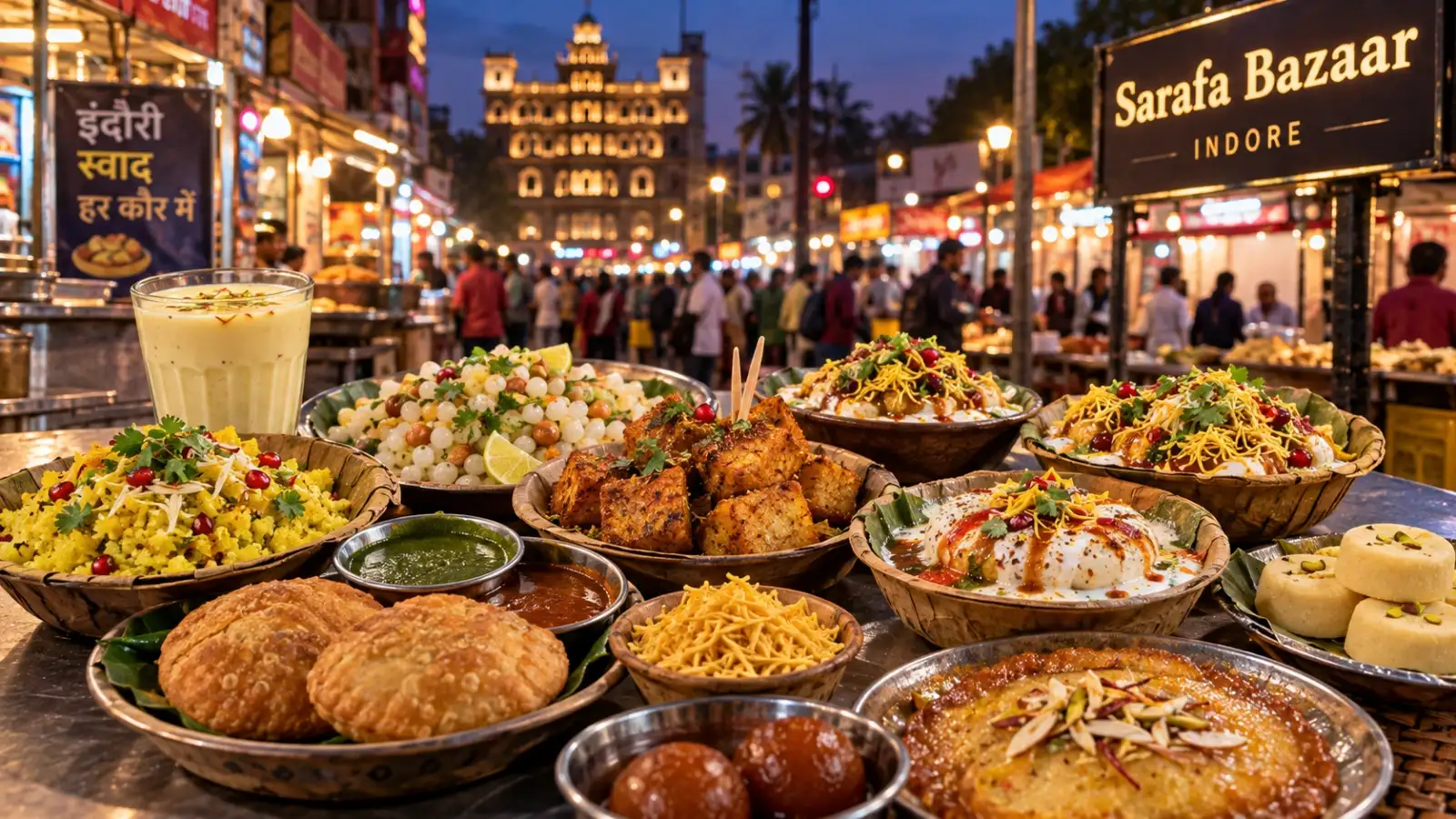
The city’s food culture is a lively mix of home-style recipes, street food, snacks, sweets and regional influences. Its famous food streets become particularly active in the evening, while traditional snacks and meals can be found throughout the city. From spicy chaats to creamy desserts and savoury treats, Indore offers plenty for curious eaters to explore.
The natural sweetness of corn works beautifully with the seasoning, giving the dish a flavour that is both comforting and slightly spicy. It is a good choice for visitors who want to try something closely connected with Madhya Pradesh rather than another standard street food snack.
The dish is particularly popular as a light meal or fasting food. In Indore, it is also commonly served as a snack, often accompanied by yoghurt or other local accompaniments.
The contrast between the crunchy exterior and soft centre makes it particularly satisfying. It is also a reminder that seasonal ingredients can become important parts of a city's street food traditions.
Indori sev comes in different levels of thickness and seasoning. Its crunchy texture adds another dimension to chaats, poha and other snacks. For visitors, buying a packet from a local shop is one of the simplest ways to take a small part of Indore's food culture home.
The combination of sweet, sour, spicy and creamy flavours makes it particularly appealing. Street-side versions can vary considerably, so trying the dish at different places can be part of the fun.
What makes the experience memorable is the balance of textures. A single serving can contain several contrasting elements, giving each bite a slightly different character.
Trying these foods from smaller local shops can reveal differences in fillings, spice levels and preparation methods. The experience is less about finding an exotic dish and more about discovering how a familiar snack becomes part of local food identity.
It has a dense texture and a rich flavour, making it very different from lighter Indian desserts. Visitors with a sweet tooth can explore local sweet shops to discover preparations that are less internationally known but deeply connected with the region.
It offers an interesting example of how the same name can refer to very different preparations in different parts of India. Trying it can be a pleasant surprise for first-time visitors.
These desserts are particularly interesting when paired with the city's snack culture. After a spicy chaat or fried snack, a traditional sweet can provide a completely different flavour profile and make the meal feel more complete.
The attraction is not just the number of dishes available. It is the atmosphere created by food stalls, crowds and the smell of freshly cooked snacks. For travellers, walking through the market can feel like taking a quick tour of Indore's food culture.
For food travellers, this variety is what makes Indore worth exploring. Instead of visiting only one famous food street, spend time trying small portions from different places. Taste a local snack in the morning, explore a market in the evening and finish with a traditional sweet.
The result is a much richer picture of the city. Indore's real food story lies not only in its famous poha and jalebi, but in the many flavours, textures and traditions that have grown around them.
The city’s food culture is a lively mix of home-style recipes, street food, snacks, sweets and regional influences. Its famous food streets become particularly active in the evening, while traditional snacks and meals can be found throughout the city. From spicy chaats to creamy desserts and savoury treats, Indore offers plenty for curious eaters to explore.
1. Bhutte Ka Kees
Bhutte ka kees is one of the dishes that shows how simple ingredients can create something distinctive. Made primarily with grated corn, the dish is cooked with spices and other ingredients to create a soft, savoury preparation.The natural sweetness of corn works beautifully with the seasoning, giving the dish a flavour that is both comforting and slightly spicy. It is a good choice for visitors who want to try something closely connected with Madhya Pradesh rather than another standard street food snack.
2. Sabudana Khichdi
Sabudana khichdi may be found across different parts of India, but the Indore version has its own place in the city's food scene. Soft tapioca pearls are combined with ingredients such as peanuts, potatoes and spices.The dish is particularly popular as a light meal or fasting food. In Indore, it is also commonly served as a snack, often accompanied by yoghurt or other local accompaniments.
3. Garadu
During the cooler months, garadu becomes a much-loved street food in Indore. It is made using pieces of yam that are fried until crisp and then seasoned with spices and tangy ingredients.The contrast between the crunchy exterior and soft centre makes it particularly satisfying. It is also a reminder that seasonal ingredients can become important parts of a city's street food traditions.
4. Indori Sev
Sev is an important part of Indore's snack culture. These thin, crispy strands made from gram flour are used as a topping for several local dishes and are also enjoyed on their own.Indori sev comes in different levels of thickness and seasoning. Its crunchy texture adds another dimension to chaats, poha and other snacks. For visitors, buying a packet from a local shop is one of the simplest ways to take a small part of Indore's food culture home.
5. Dahi Vada
Dahi vada is another popular Indian snack that takes on a special character in Indore's lively food culture. Soft lentil dumplings are soaked, chilled and covered with yoghurt, chutneys and spices.The combination of sweet, sour, spicy and creamy flavours makes it particularly appealing. Street-side versions can vary considerably, so trying the dish at different places can be part of the fun.
6. Indori Chaats
Indore's chaat culture deserves attention in its own right. Different combinations of potatoes, crispy snacks, chutneys, sev, yoghurt and spices create dishes that can be sweet, sour, spicy and crunchy at the same time.What makes the experience memorable is the balance of textures. A single serving can contain several contrasting elements, giving each bite a slightly different character.
7. Kachori and Samosa
Kachori and samosa are familiar across India, but local versions are an important part of Indore's everyday snack culture. They are commonly enjoyed with chutneys and hot drinks, making them popular choices for quick meals and evening snacks.Trying these foods from smaller local shops can reveal differences in fillings, spice levels and preparation methods. The experience is less about finding an exotic dish and more about discovering how a familiar snack becomes part of local food identity.
8. Mawa Bati
Indore's sweet traditions go well beyond jalebi. Mawa bati is a rich dessert prepared using mawa and other ingredients before being cooked and served as a sweet treat.It has a dense texture and a rich flavour, making it very different from lighter Indian desserts. Visitors with a sweet tooth can explore local sweet shops to discover preparations that are less internationally known but deeply connected with the region.
9. Shikanji
Indori shikanji is not simply the familiar lemon drink that many travellers may expect. The local preparation can be a richer, thicker and more filling drink, often made using ingredients such as milk, nuts and spices.You may also like
- WhatsApp Will No Longer Work on These Phones! Is Your Device on the List?
- Skin Care Tips: Are you worried about blemishes on your face? Use alum in this way to reap the benefits
- No Hostels in 71 out of 91 DU Colleges; Thousands of Students Face Hardship
- Ankur Warikoo shares the moment his mother asked, "Kitne saal ka ho gaya tu ab?", and her reaction to him turning 45 hits differently now that he's a father himself
- Important news for ESIC cardholders: Aadhaar is now mandatory; complete this process quickly on the portal.
It offers an interesting example of how the same name can refer to very different preparations in different parts of India. Trying it can be a pleasant surprise for first-time visitors.
10. Malpua and Other Local Sweets
Indore's sweet shops offer much more than jalebi. Malpua, peda, gulab jamun and several varieties of milk-based sweets are commonly enjoyed across the city.These desserts are particularly interesting when paired with the city's snack culture. After a spicy chaat or fried snack, a traditional sweet can provide a completely different flavour profile and make the meal feel more complete.
The Influence of Sarafa Bazaar
One of the most famous parts of Indore's food identity is Sarafa Bazaar, which takes on a different character after the jewellery shops close. The area becomes a popular destination for people looking for street food and late-evening snacks.The attraction is not just the number of dishes available. It is the atmosphere created by food stalls, crowds and the smell of freshly cooked snacks. For travellers, walking through the market can feel like taking a quick tour of Indore's food culture.
Food as Part of Indore's Identity
Indore's food culture is interesting because it is not built around one signature dish. Poha and jalebi may be the most recognisable combination, but the city's wider food scene includes savoury snacks, regional recipes, chaats, seasonal foods, drinks and sweets.For food travellers, this variety is what makes Indore worth exploring. Instead of visiting only one famous food street, spend time trying small portions from different places. Taste a local snack in the morning, explore a market in the evening and finish with a traditional sweet.
The result is a much richer picture of the city. Indore's real food story lies not only in its famous poha and jalebi, but in the many flavours, textures and traditions that have grown around them.






Loving Newspoint? Download the app now
