
Exploring The Beauty Of Germany: The Top 5 Must-Visit Places

Germany , a nation steeped in history and renowned for its cultural richness, stands at the heart of Europe as a powerhouse of heritage and innovation. From the mediaeval castles that dot its scenic landscapes to the cutting-edge advancements in technology and industry, Germany presents a captivating blend of tradition and modernity. With a heritage shaped by iconic figures like Goethe and Beethoven, Germany has left an indelible mark on literature, music, and philosophy, contributing significantly to the global cultural tapestry.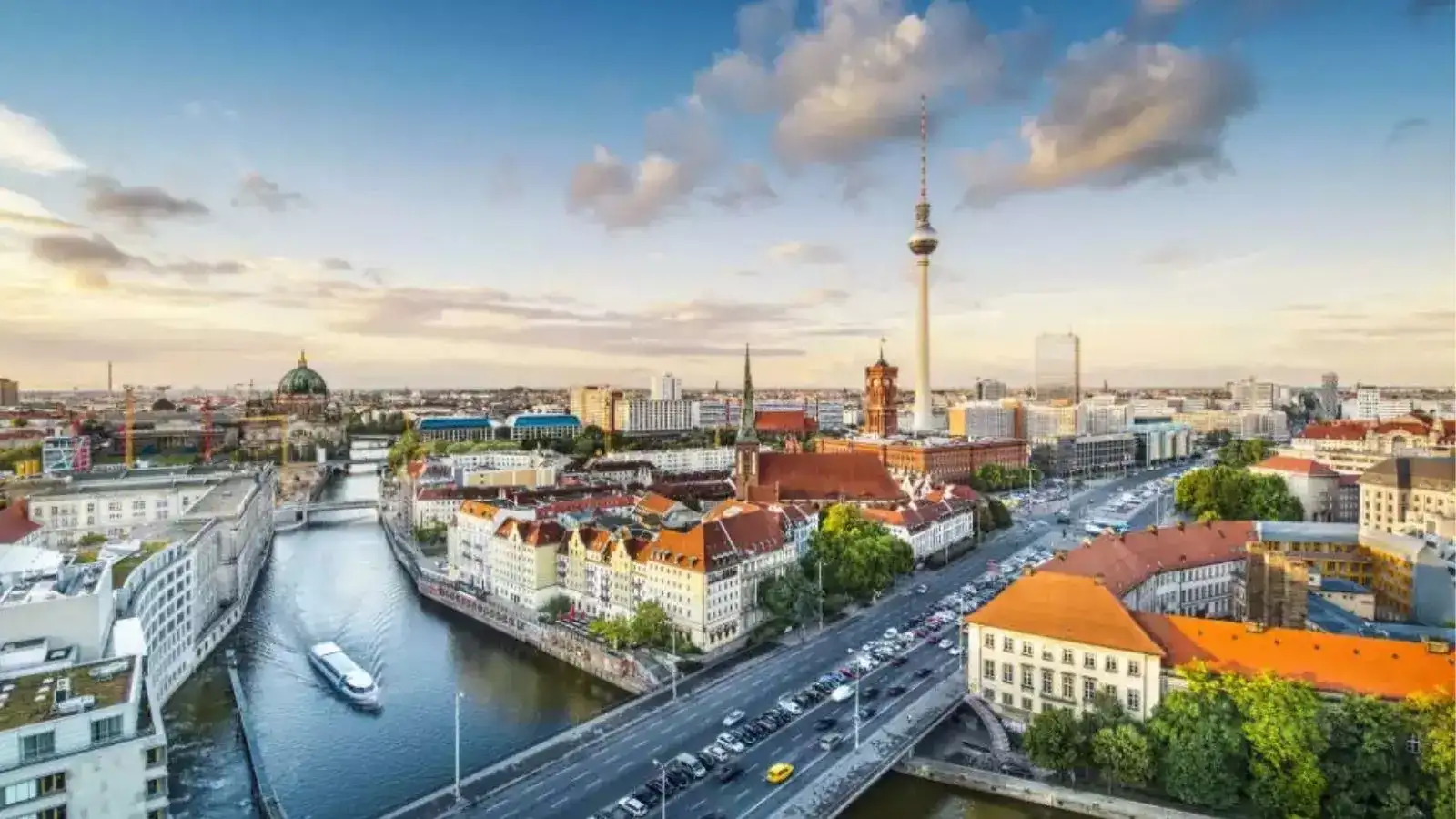
At the core of German culture is a deep appreciation for precision, efficiency, and a commitment to excellence, evident not only in its world-famous engineering but also in its thriving arts scene. The country's diverse regions offer distinct traditions, dialects, and culinary delights, showcasing a mosaic of identities within a unified nation. As Germany continues to evolve, its cultural and historical tapestry remains a source of pride, drawing visitors from around the globe to explore its charming villages, historic cities, and embrace the warmth of its people.
1. Berlin
Berlin stands as Germany's capital and largest city, situated in the northeastern region, drawing global travellers with its multifaceted allure. Serving as the nation's political, economic, and cultural nucleus, Berlin intertwines historical landmarks, modern architectural marvels, and a pulsating arts scene, creating a distinct atmosphere.
Beyond its historical resonance, Berlin pulsates with diversity and dynamism. The city's nightlife is a vibrant tapestry woven with an array of bars, clubs, and music venues, appealing to varied tastes. Moreover, Berlin's cultural richness is exemplified through numerous museums, art galleries, and theatres, solidifying its status as a cultural epicentre. Notably, the Museum Island, acknowledged by UNESCO, stands as a sanctuary for art enthusiasts, housing world-class museums exhibiting ancient relics, classical artworks, and contemporary masterpieces.
2. Frankfurt
Presents a striking skyline, earning the moniker ‘Mainhattan’ for its abundance of skyscrapers, among them the notable Commerzbank Tower and Messeturm. Beyond its contemporary identity as a financial centre, Frankfurt reveals a captivating historical facet. The delightful Altstadt, or old town, showcases meticulously reconstructed half-timbered structures and picturesque squares, exemplified by the historic focal point of Römerberg. This juxtaposition of modernity and history contributes to the city's multifaceted allure.
3. Munich
Munich's strategic location serves as a convenient entry point to the Bavarian Alps, catering to the interests of outdoor enthusiasts with its proximity to activities like hiking and skiing. The city itself holds a rich historical tapestry, showcasing remarkable landmarks that offer glimpses into Bavaria's past. Munich further distinguishes itself with a vibrant arts scene, featuring world-class museums displaying diverse collections of art and sculptures spanning different epochs.
4. Leipzig
Leipzig emerges as an ideal destination for enthusiasts of culture and art. The city hosts several renowned museums, such as the Museum of Fine Arts, the Grassi Museum of Applied Arts, and the Museum of Musical Instruments. Historical aficionados can explore landmarks like Thomaskirche , the Old Town Hall, and St. Nicholas Church. Leipzig further offers top-notch shopping, culinary experiences, and vibrant nightlife, with highlights including Leipziger Markt, Europe's largest weekly market, featuring fresh produce and flowers.
Moreover, Leipzig's attractions extend to the Leipzig Zoo, the historic Panometer, and the picturesque Leipzig Botanical Garden. Visitors can enjoy a leisurely stroll along the River Elster's banks or opt for a boat tour. Notably, Leipzig serves as a major transportation hub, ensuring excellent connectivity via train, bus, and air to the rest of Germany. The city's efficient public transportation system facilitates easy exploration of its offerings.
5. Trier
Located in southwestern Germany's Rhineland-Palatinate region, serves as an ideal launchpad for exploring the scenic surroundings and nearby Luxembourg. The city's primary allure lies in its remarkable Roman monuments, including the iconic Porta Nigra, Imperial Baths, and Roman Bridge . Trier also boasts historic landmarks like the Cathedral of St. Peter, Church of Our Lady, Electoral Palace, and the Archbishop's Castle. The charming Old Town Hall and the Electoral Palace showcase the city's Baroque architecture. Trier offers diverse museums, outdoor activities like hiking and cycling, and hosts cultural events like the Trier Wine Festival and Christmas Market. The city, compact and easily navigable, welcomes visitors with varied accommodations and efficient public transport.
At the core of German culture is a deep appreciation for precision, efficiency, and a commitment to excellence, evident not only in its world-famous engineering but also in its thriving arts scene. The country's diverse regions offer distinct traditions, dialects, and culinary delights, showcasing a mosaic of identities within a unified nation. As Germany continues to evolve, its cultural and historical tapestry remains a source of pride, drawing visitors from around the globe to explore its charming villages, historic cities, and embrace the warmth of its people.
1. Berlin
Berlin stands as Germany's capital and largest city, situated in the northeastern region, drawing global travellers with its multifaceted allure. Serving as the nation's political, economic, and cultural nucleus, Berlin intertwines historical landmarks, modern architectural marvels, and a pulsating arts scene, creating a distinct atmosphere.
Beyond its historical resonance, Berlin pulsates with diversity and dynamism. The city's nightlife is a vibrant tapestry woven with an array of bars, clubs, and music venues, appealing to varied tastes. Moreover, Berlin's cultural richness is exemplified through numerous museums, art galleries, and theatres, solidifying its status as a cultural epicentre. Notably, the Museum Island, acknowledged by UNESCO, stands as a sanctuary for art enthusiasts, housing world-class museums exhibiting ancient relics, classical artworks, and contemporary masterpieces.
2. Frankfurt
Presents a striking skyline, earning the moniker ‘Mainhattan’ for its abundance of skyscrapers, among them the notable Commerzbank Tower and Messeturm. Beyond its contemporary identity as a financial centre, Frankfurt reveals a captivating historical facet. The delightful Altstadt, or old town, showcases meticulously reconstructed half-timbered structures and picturesque squares, exemplified by the historic focal point of Römerberg. This juxtaposition of modernity and history contributes to the city's multifaceted allure.
3. Munich
Munich's strategic location serves as a convenient entry point to the Bavarian Alps, catering to the interests of outdoor enthusiasts with its proximity to activities like hiking and skiing. The city itself holds a rich historical tapestry, showcasing remarkable landmarks that offer glimpses into Bavaria's past. Munich further distinguishes itself with a vibrant arts scene, featuring world-class museums displaying diverse collections of art and sculptures spanning different epochs.
4. Leipzig
Leipzig emerges as an ideal destination for enthusiasts of culture and art. The city hosts several renowned museums, such as the Museum of Fine Arts, the Grassi Museum of Applied Arts, and the Museum of Musical Instruments. Historical aficionados can explore landmarks like Thomaskirche , the Old Town Hall, and St. Nicholas Church. Leipzig further offers top-notch shopping, culinary experiences, and vibrant nightlife, with highlights including Leipziger Markt, Europe's largest weekly market, featuring fresh produce and flowers.
Moreover, Leipzig's attractions extend to the Leipzig Zoo, the historic Panometer, and the picturesque Leipzig Botanical Garden. Visitors can enjoy a leisurely stroll along the River Elster's banks or opt for a boat tour. Notably, Leipzig serves as a major transportation hub, ensuring excellent connectivity via train, bus, and air to the rest of Germany. The city's efficient public transportation system facilitates easy exploration of its offerings.
5. Trier
Located in southwestern Germany's Rhineland-Palatinate region, serves as an ideal launchpad for exploring the scenic surroundings and nearby Luxembourg. The city's primary allure lies in its remarkable Roman monuments, including the iconic Porta Nigra, Imperial Baths, and Roman Bridge . Trier also boasts historic landmarks like the Cathedral of St. Peter, Church of Our Lady, Electoral Palace, and the Archbishop's Castle. The charming Old Town Hall and the Electoral Palace showcase the city's Baroque architecture. Trier offers diverse museums, outdoor activities like hiking and cycling, and hosts cultural events like the Trier Wine Festival and Christmas Market. The city, compact and easily navigable, welcomes visitors with varied accommodations and efficient public transport.
Next Story