
Exploring The Silk Road: Unveiling The Top 5 Must-Visit Destinations In Uzbekistan

Nestled at the crossroads of the ancient Silk Road , Uzbekistan stands as a cultural tapestry woven with threads of history, tradition, and architectural brilliance. The cityscape of Uzbekistan tells the tale of a rich and diverse heritage, where the echoes of conquerors and poets resonate through the vibrant streets. With cities like Samarkand, Bukhara, and Tashkent, Uzbekistan unveils a mesmerising journey through time, where each cobblestone and mosaic whispers stories of empires, trade caravans, and scholarly pursuits.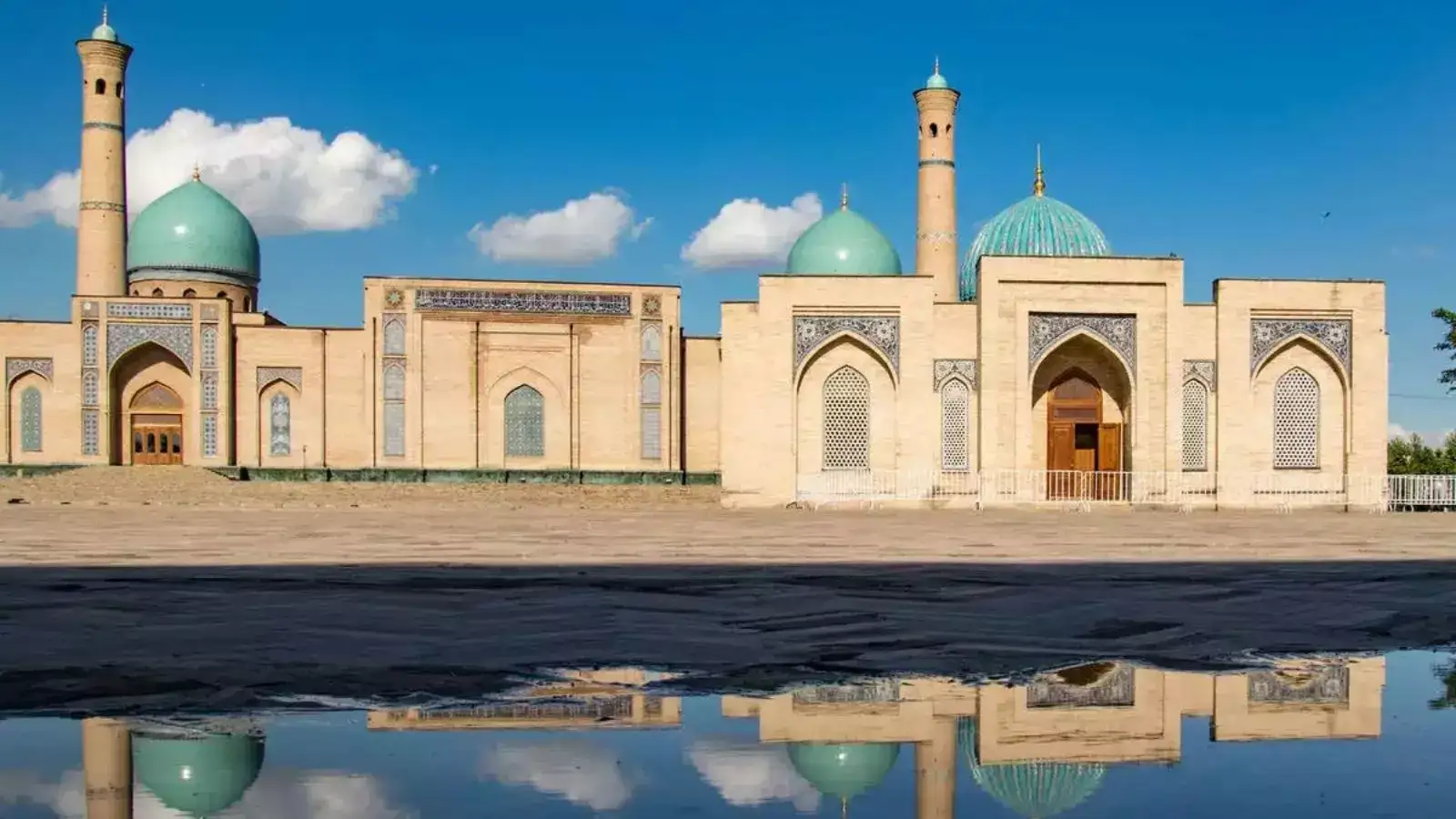
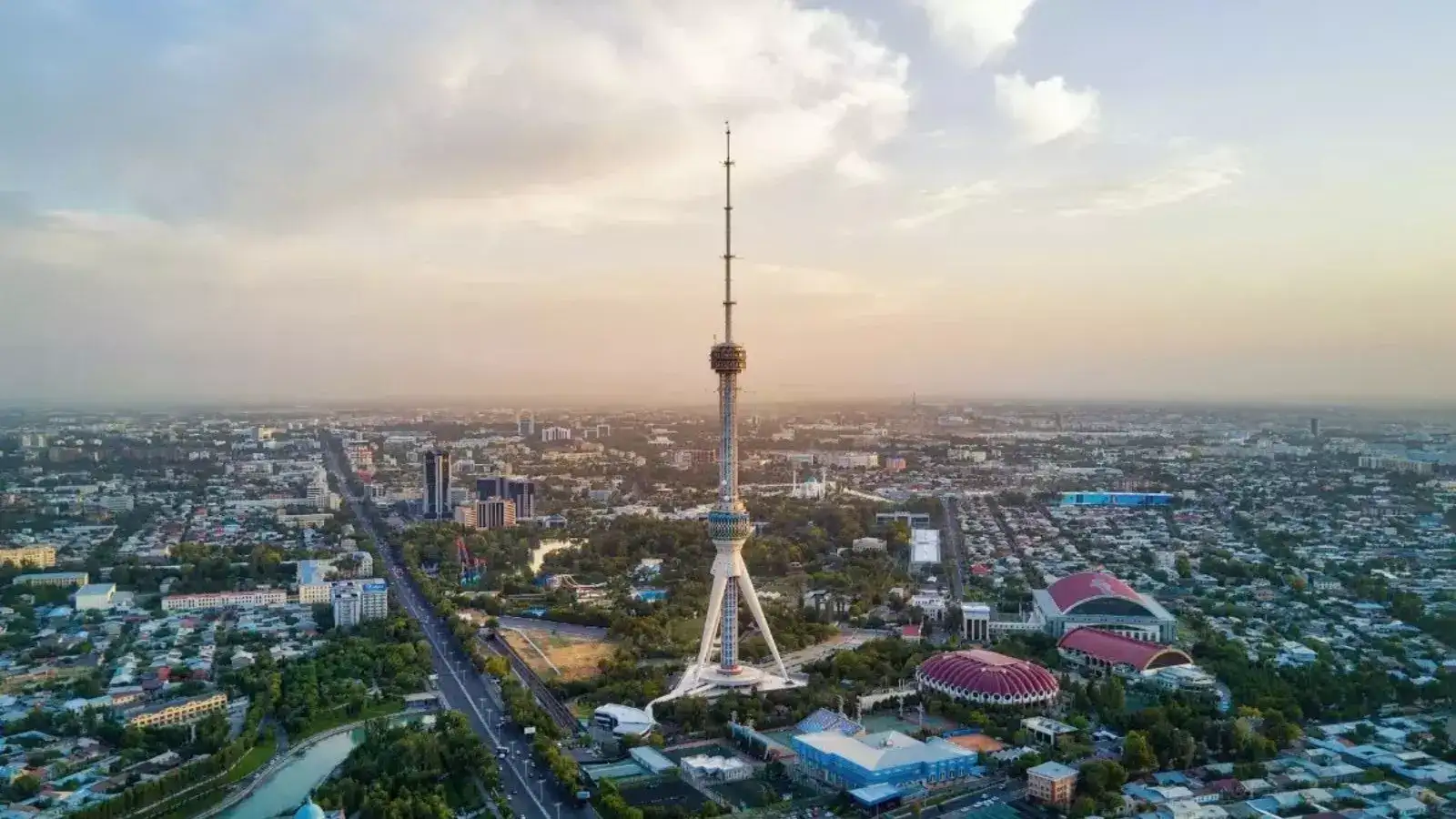
The cultural richness of Uzbekistan is deeply rooted in its historical significance. Samarkand, the ‘Jewel of the Silk Road,’ showcases the grandeur of Timurid architecture with the iconic Registan Square adorned in intricate tilework. The city of Bukhara, a living museum, preserves the essence of mediaeval Central Asia, while Tashkent, the contemporary capital, blends modernity seamlessly with its ancient past. Beyond the urban sprawls, the Fergana Valley and the vast Kyzylkum Desert offer glimpses into the region's diverse landscapes, where craftsmanship and natural beauty coexist in harmony.
Uzbekistan's cultural and architectural heritage extends beyond physical landmarks. The warmth of Uzbek hospitality, reflected in its traditional cuisine, music, and art, adds an intangible layer to the visitor's experience. From savoring pilaf in a bustling bazaar to immersing oneself in the melodic strains of traditional Maqom music, every encounter in Uzbekistan is a journey into a cultural legacy that has withstood the test of time. Let's delves into the heart of Uzbekistan, inviting readers to explore the nuances of its culture, heritage, and the captivating stories etched into the very fabric of this Central Asian gem.
1. Registan, Samarkand: The Jewel of the Silk Road
The renowned Registan Square stands as an unparalleled marvel that captivates the senses of first-time visitors to Uzbekistan. Acknowledged on the esteemed UNESCO World Heritage list, this historic square comprises three remarkable madrassas – Ulugbek, Sherdor, and Tilla-Kori – collectively functioning as an Islamic scholars' university. Translated as ‘a sand place,’ Registan has been a focal point since the Timurid era, witnessing significant meetings, crucial announcements, and pivotal events embedded in the annals of Uzbekistan's history.
Samarkand, a city steeped in historical significance, boasts an array of other captivating landmarks. Among them, the Bibi-Khanym Mosque, Shah-i-Zinda Necropolis, Gur-e-Amir mausoleum, and Ulugbek's Observatory stand as testaments to the city's rich heritage. While a day may suffice to cover the essential stops, those desiring to immerse themselves in Samarkand's unhurried pace, engage with local artisans, relish tea, and savour the local cuisine should allocate two days or more to truly appreciate the city's vibrant life.
2. Bukhara: Living History in Every Brick
Bukhara, another gem on the Silk Road, transports visitors to a bygone era. The city's well-preserved old town boasts over 140 architectural monuments, including the Kalyan Minaret and the Ark of Bukhara. The Lab-i Hauz Ensemble provides a tranquil setting to soak in the ambiance of this living museum.
Bukhara boasts numerous indispensable attractions for visitors. Ensure you allocate time to explore the Ark, once the residence of the Bukhara Emir, as well as the visually captivating madrassas of Mir-i-Arab, Nadir Divan Begi, and Abdul Aziz Khan. The Kalon Minaret and the enchanting Sitorai Mohi Hosa summer palace are additional highlights that merit a visit.
3. Tashkent: Modernity Meets Tradition
Tashkent, the capital of Uzbekistan, serves not only as the country's gateway but also as a captivating destination with a rich tapestry of experiences. The city combines Islamic architecture, lively avenues, art and history museums, theatres, international culinary delights, and a vibrant nightlife, providing a contemporary and cosmopolitan atmosphere. Commence your exploration by visiting central Amir Timur Square, where attractions such as the Amir Timur Museum, the Amir Timur monument, and the Tashkent clock tower (now housing two distinctive restaurants) await. Don't miss the chance to witness the imposing Soviet architectural marvel, Hotel Uzbekistan.
A stroll down Broadway Street, particularly in the evening, offers a kaleidoscope of colours with souvenir shops, street food stalls, and amusements. Just a short distance to the west, Tashkent City Park beckons with its array of attractions, including an aquarium, planetarium, dancing fountains, street performances, contemporary restaurants, modern hotels, shopping complexes, and an open-air cinema. If you're up for a shopping adventure, explore the expansive Chorsu Bazaar, Tashkent's beloved marketplace, or delve into the cultural richness at the Navruz Ethnopark, where traditional clothing, accessories, local crafts, and authentic Uzbek cuisine can be discovered.
4. Nukus: A Haven for Savants
Karakalpakstan, an autonomous republic situated in the western part of Uzbekistan, beckons numerous visitors with its distinctive landscapes, including the intriguing expanses of the Aral Sea, the Ustyurt Plateau, and the ancient fortresses dotting the surrounding desert. However, one of the region's most captivating attractions is the Savitsky Museum, nestled in the autonomous republic's capital, Nukus. Often dubbed the ‘Louvre in the desert,’ this museum houses an extensive collection of Russian avant-garde art, discreetly preserved during the Soviet era. Founded by the art connoisseur Igor Savitsky, the museum safeguards approximately 100,000 artworks, providing a vivid portrayal of the affluent lifestyle and heritage of the local population in this region.
5. Ichan Kala, Old Khiva : A Living Museum in the Desert
The ancient city of Khiva, with its well-preserved city walls and historic architecture, is a step back in time. The Ichan Kala, a walled inner town, features the Kunya-Ark Fortress and the distinctive Kalta Minor Minaret. Strolling through the narrow streets feels like wandering through a living museum.
Khiva, once the capital of the Khorezm Shakhs and later the focal point of the Khiva Khanate, stands today as an open-air museum preserving its distinctive language, traditions, and culture. The captivating Ichan Kala, meaning ‘inner city,’ serves as the fortress at the heart of Khiva, housing many of the architectural marvels within its walls. Exploring this area, you'll encounter the atmospheric Juma mosque, the Tosh-Hovli Palace featuring harem rooms for the ruler's wives, and the imposing Kalta Minor minaret, offering a glimpse into the grandeur and serenity of Central Asia during the Middle Ages.
Several historic structures have been ingeniously transformed into boutique hotels, providing guests with a unique experience of spending the night in rooms adorned with mediaeval features while enjoying modern amenities like air-conditioning and hot showers. Immerse yourself in the culture of Khiva by participating in classes that range from traditional bread baking to energetic Khorezm dancing, offering an authentic and enriching experience.
The cultural richness of Uzbekistan is deeply rooted in its historical significance. Samarkand, the ‘Jewel of the Silk Road,’ showcases the grandeur of Timurid architecture with the iconic Registan Square adorned in intricate tilework. The city of Bukhara, a living museum, preserves the essence of mediaeval Central Asia, while Tashkent, the contemporary capital, blends modernity seamlessly with its ancient past. Beyond the urban sprawls, the Fergana Valley and the vast Kyzylkum Desert offer glimpses into the region's diverse landscapes, where craftsmanship and natural beauty coexist in harmony.
Uzbekistan's cultural and architectural heritage extends beyond physical landmarks. The warmth of Uzbek hospitality, reflected in its traditional cuisine, music, and art, adds an intangible layer to the visitor's experience. From savoring pilaf in a bustling bazaar to immersing oneself in the melodic strains of traditional Maqom music, every encounter in Uzbekistan is a journey into a cultural legacy that has withstood the test of time. Let's delves into the heart of Uzbekistan, inviting readers to explore the nuances of its culture, heritage, and the captivating stories etched into the very fabric of this Central Asian gem.
1. Registan, Samarkand: The Jewel of the Silk Road
The renowned Registan Square stands as an unparalleled marvel that captivates the senses of first-time visitors to Uzbekistan. Acknowledged on the esteemed UNESCO World Heritage list, this historic square comprises three remarkable madrassas – Ulugbek, Sherdor, and Tilla-Kori – collectively functioning as an Islamic scholars' university. Translated as ‘a sand place,’ Registan has been a focal point since the Timurid era, witnessing significant meetings, crucial announcements, and pivotal events embedded in the annals of Uzbekistan's history.
Samarkand, a city steeped in historical significance, boasts an array of other captivating landmarks. Among them, the Bibi-Khanym Mosque, Shah-i-Zinda Necropolis, Gur-e-Amir mausoleum, and Ulugbek's Observatory stand as testaments to the city's rich heritage. While a day may suffice to cover the essential stops, those desiring to immerse themselves in Samarkand's unhurried pace, engage with local artisans, relish tea, and savour the local cuisine should allocate two days or more to truly appreciate the city's vibrant life.
2. Bukhara: Living History in Every Brick
Bukhara, another gem on the Silk Road, transports visitors to a bygone era. The city's well-preserved old town boasts over 140 architectural monuments, including the Kalyan Minaret and the Ark of Bukhara. The Lab-i Hauz Ensemble provides a tranquil setting to soak in the ambiance of this living museum.
Bukhara boasts numerous indispensable attractions for visitors. Ensure you allocate time to explore the Ark, once the residence of the Bukhara Emir, as well as the visually captivating madrassas of Mir-i-Arab, Nadir Divan Begi, and Abdul Aziz Khan. The Kalon Minaret and the enchanting Sitorai Mohi Hosa summer palace are additional highlights that merit a visit.
3. Tashkent: Modernity Meets Tradition
Tashkent, the capital of Uzbekistan, serves not only as the country's gateway but also as a captivating destination with a rich tapestry of experiences. The city combines Islamic architecture, lively avenues, art and history museums, theatres, international culinary delights, and a vibrant nightlife, providing a contemporary and cosmopolitan atmosphere. Commence your exploration by visiting central Amir Timur Square, where attractions such as the Amir Timur Museum, the Amir Timur monument, and the Tashkent clock tower (now housing two distinctive restaurants) await. Don't miss the chance to witness the imposing Soviet architectural marvel, Hotel Uzbekistan.
A stroll down Broadway Street, particularly in the evening, offers a kaleidoscope of colours with souvenir shops, street food stalls, and amusements. Just a short distance to the west, Tashkent City Park beckons with its array of attractions, including an aquarium, planetarium, dancing fountains, street performances, contemporary restaurants, modern hotels, shopping complexes, and an open-air cinema. If you're up for a shopping adventure, explore the expansive Chorsu Bazaar, Tashkent's beloved marketplace, or delve into the cultural richness at the Navruz Ethnopark, where traditional clothing, accessories, local crafts, and authentic Uzbek cuisine can be discovered.
4. Nukus: A Haven for Savants
Karakalpakstan, an autonomous republic situated in the western part of Uzbekistan, beckons numerous visitors with its distinctive landscapes, including the intriguing expanses of the Aral Sea, the Ustyurt Plateau, and the ancient fortresses dotting the surrounding desert. However, one of the region's most captivating attractions is the Savitsky Museum, nestled in the autonomous republic's capital, Nukus. Often dubbed the ‘Louvre in the desert,’ this museum houses an extensive collection of Russian avant-garde art, discreetly preserved during the Soviet era. Founded by the art connoisseur Igor Savitsky, the museum safeguards approximately 100,000 artworks, providing a vivid portrayal of the affluent lifestyle and heritage of the local population in this region.
5. Ichan Kala, Old Khiva : A Living Museum in the Desert
The ancient city of Khiva, with its well-preserved city walls and historic architecture, is a step back in time. The Ichan Kala, a walled inner town, features the Kunya-Ark Fortress and the distinctive Kalta Minor Minaret. Strolling through the narrow streets feels like wandering through a living museum.
Khiva, once the capital of the Khorezm Shakhs and later the focal point of the Khiva Khanate, stands today as an open-air museum preserving its distinctive language, traditions, and culture. The captivating Ichan Kala, meaning ‘inner city,’ serves as the fortress at the heart of Khiva, housing many of the architectural marvels within its walls. Exploring this area, you'll encounter the atmospheric Juma mosque, the Tosh-Hovli Palace featuring harem rooms for the ruler's wives, and the imposing Kalta Minor minaret, offering a glimpse into the grandeur and serenity of Central Asia during the Middle Ages.
Several historic structures have been ingeniously transformed into boutique hotels, providing guests with a unique experience of spending the night in rooms adorned with mediaeval features while enjoying modern amenities like air-conditioning and hot showers. Immerse yourself in the culture of Khiva by participating in classes that range from traditional bread baking to energetic Khorezm dancing, offering an authentic and enriching experience.
Next Story