
7 Indian Villages Known for Their Unique Art and Craft Traditions

India’s villages are home to remarkable artistic traditions passed down through generations. From hand-painted scrolls and embroidered fabrics to clay toys and intricate metalwork, these crafts reflect the culture, beliefs and everyday life of local communities. Visiting such villages offers a chance to discover the country’s artistic heritage beyond its famous cities. Here are seven Indian villages known for their unique art and craft traditions.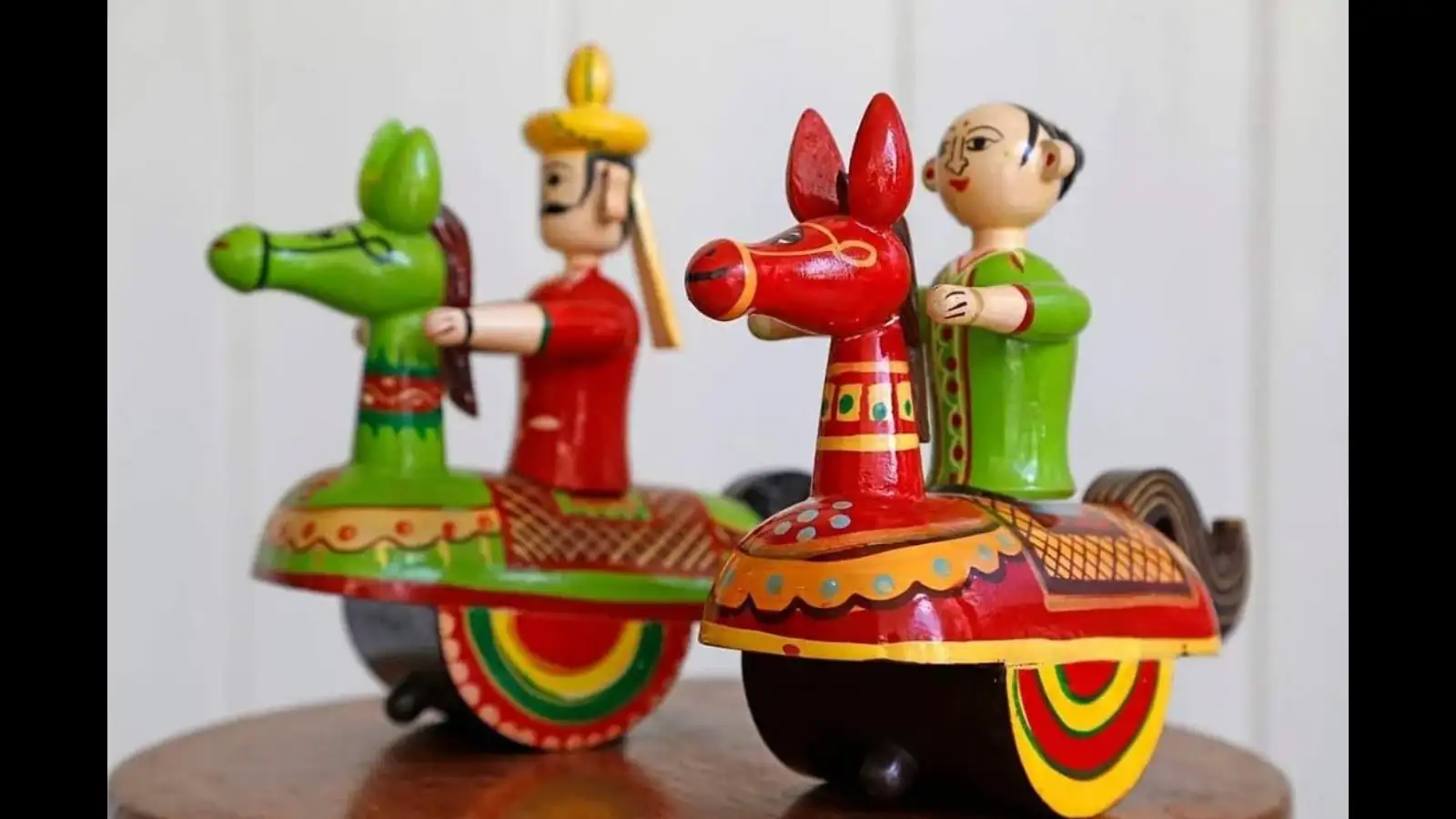
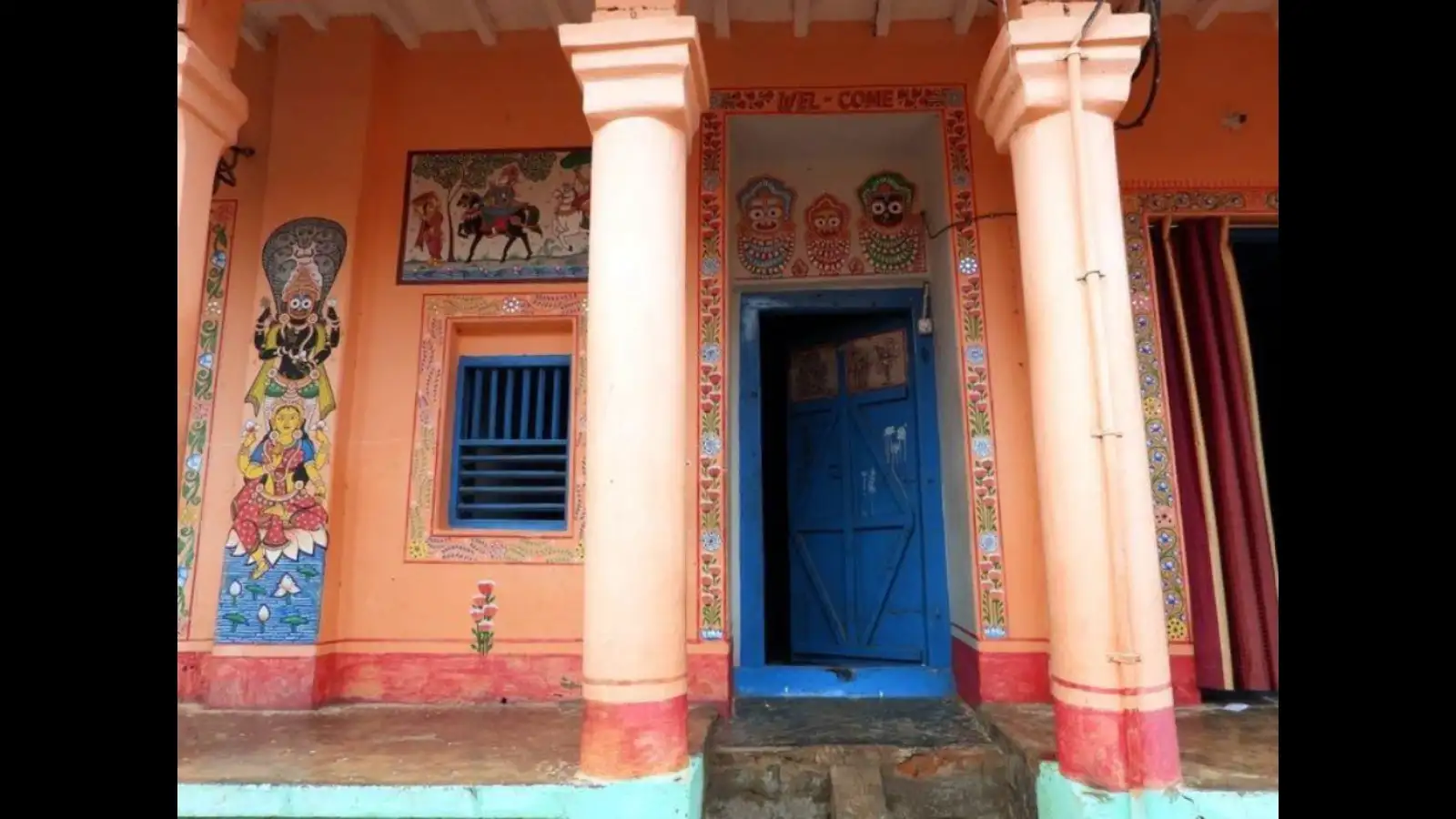 Located near Puri in Odisha, Raghurajpur is one of India’s best-known traditional craft villages. It is particularly famous for Pattachitra, a detailed style of painting that often features Hindu mythology, religious stories and traditional decorative motifs.
The paintings are created on specially prepared cloth known as patta. Artists use natural-looking colours, fine outlines and intricate patterns to bring their subjects to life. Lord Jagannath, Krishna and scenes from the Ramayana are among the themes commonly seen in this art tradition.
Raghurajpur is also associated with other crafts, including palm-leaf engraving, traditional masks and decorative wooden objects. Many homes in the village serve as both living spaces and artist workshops, allowing visitors to see artisans at work.
What makes it special: The village combines traditional art, living craft practices and Odisha’s rich cultural heritage.
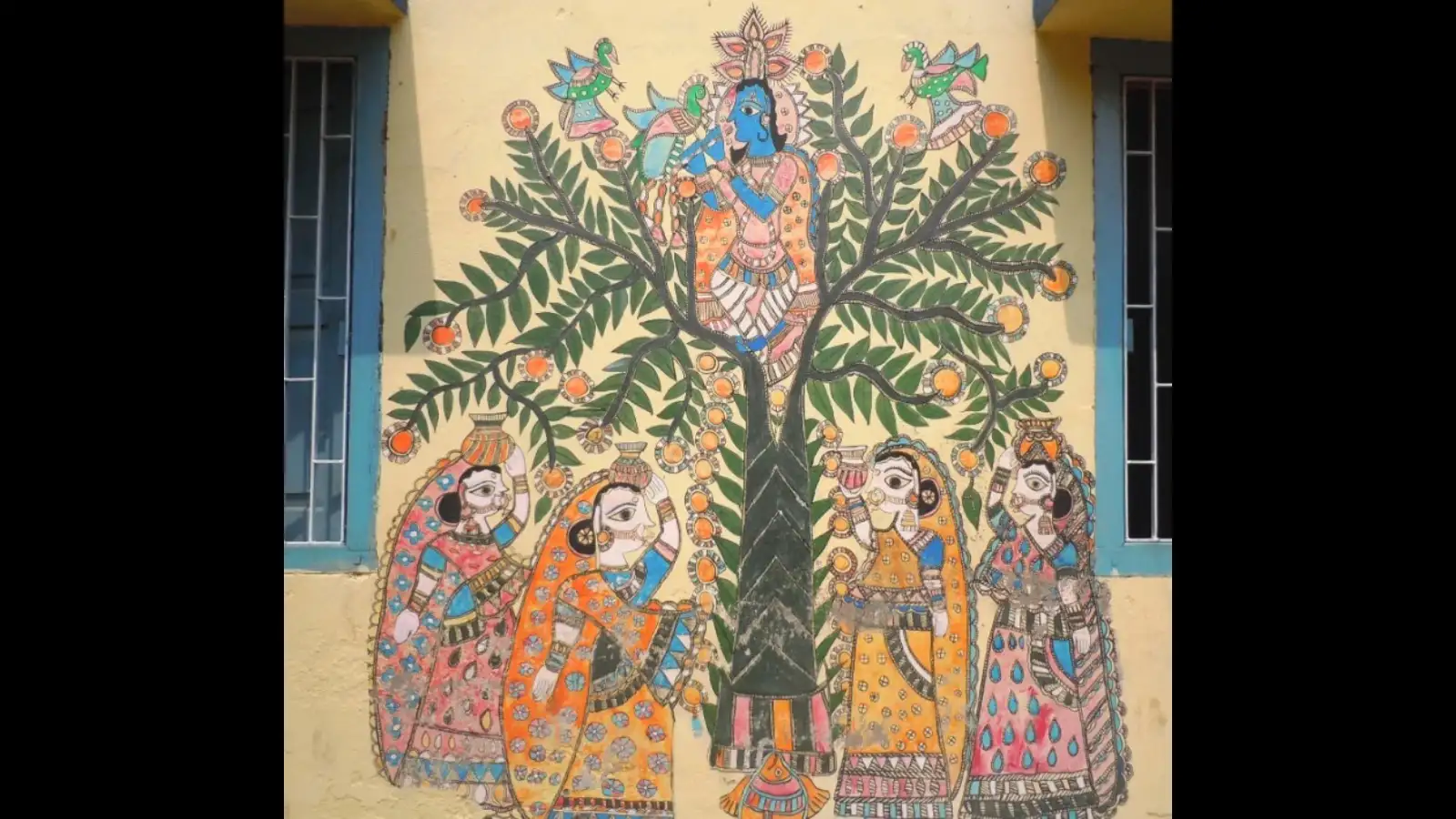 The Madhubani region of Bihar is closely associated with Mithila painting, one of India’s most recognisable folk-art traditions. The art developed in the Mithila cultural region and was traditionally practised by women, who decorated walls and floors during festivals, weddings and important family occasions.
Madhubani paintings are known for their bold lines, vibrant colours and intricate patterns. Common subjects include flowers, birds, animals, nature and scenes inspired by Hindu mythology. Different traditional styles use distinctive patterns, colours and techniques.
Artists today create paintings on paper, cloth, canvas and other surfaces, helping the tradition reach audiences beyond Bihar. The art also provides livelihood opportunities for many craft communities.
What makes it special: Mithila painting turns traditional storytelling and everyday cultural expressions into colourful works of art.
The craft is particularly associated with terracotta images of local deities, including forms of folk gods and guardian figures. Artisans shape the clay, add fine details and fire the pieces to create durable objects.
These terracotta panels have traditionally been used by communities for religious and ceremonial purposes. Their designs often reflect the beliefs and cultural practices of Rajasthan’s rural communities.
The village’s pottery tradition demonstrates how clay can become more than a household material. In the hands of skilled artisans, it becomes a medium for storytelling, worship and artistic expression.
What makes it special: Molela’s terracotta reliefs offer a distinctive combination of sculpture, folk religion and traditional craftsmanship.
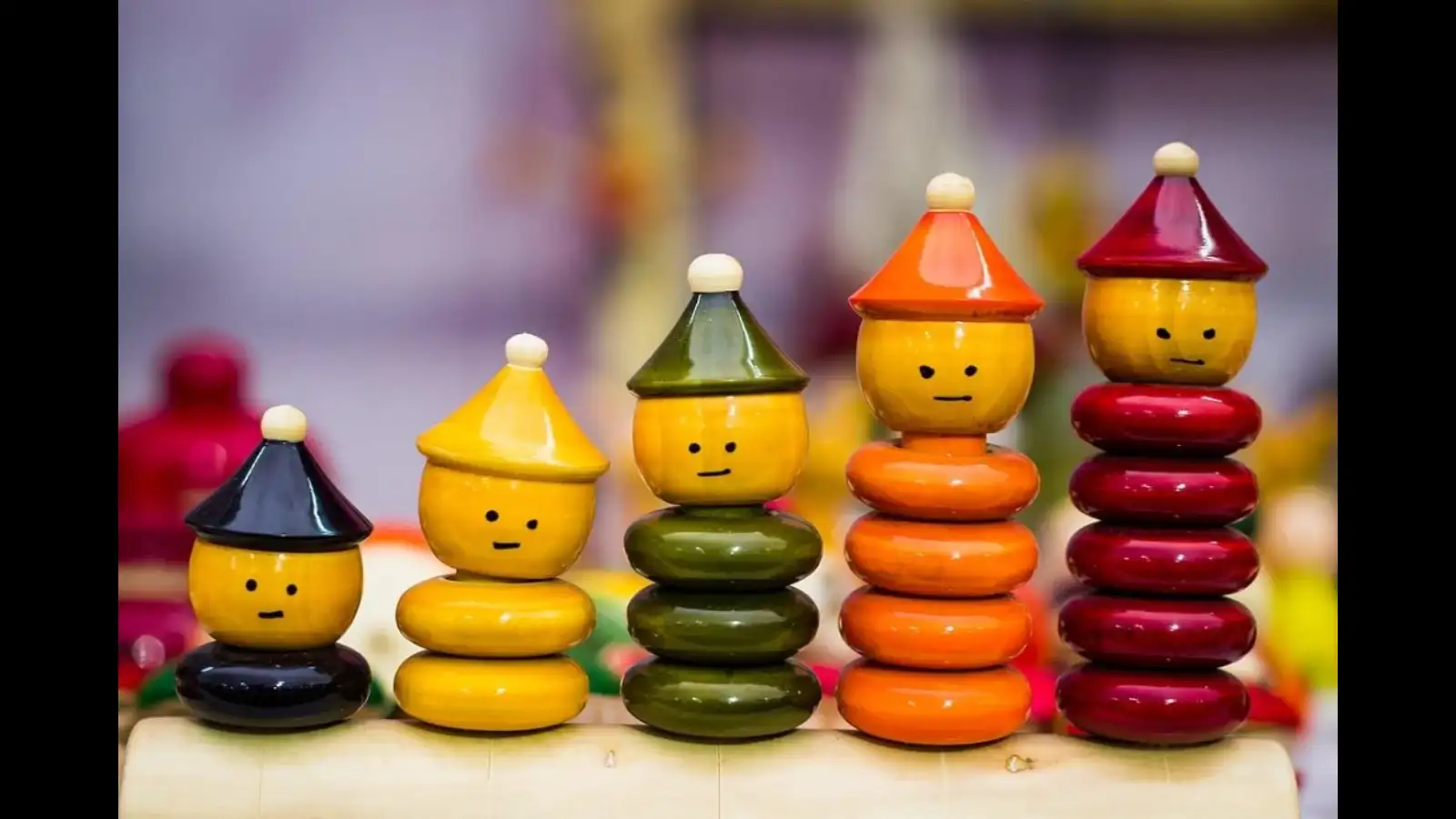 Channapatna, near Bengaluru in Karnataka, is widely recognised for its traditional wooden toys and lacquerware. The craft is often called Channapatna toys, and the town has a long association with turning wood into colourful, smooth and playful objects.
Artisans traditionally use soft woods such as hale wood, ivory wood and other suitable varieties. The wood is shaped on a lathe and finished with coloured lacquer to create the toys’ characteristic appearance.
The craft includes spinning tops, dolls, animals, puzzles and decorative objects. Their simple forms and bright colours have made them popular among children and collectors alike.
Channapatna’s craft heritage also shows how traditional skills can adapt to changing markets. Alongside classic toys, artisans produce contemporary home décor and lifestyle products.
What makes it special: The craft blends traditional woodworking, natural materials and vibrant lacquer finishes.
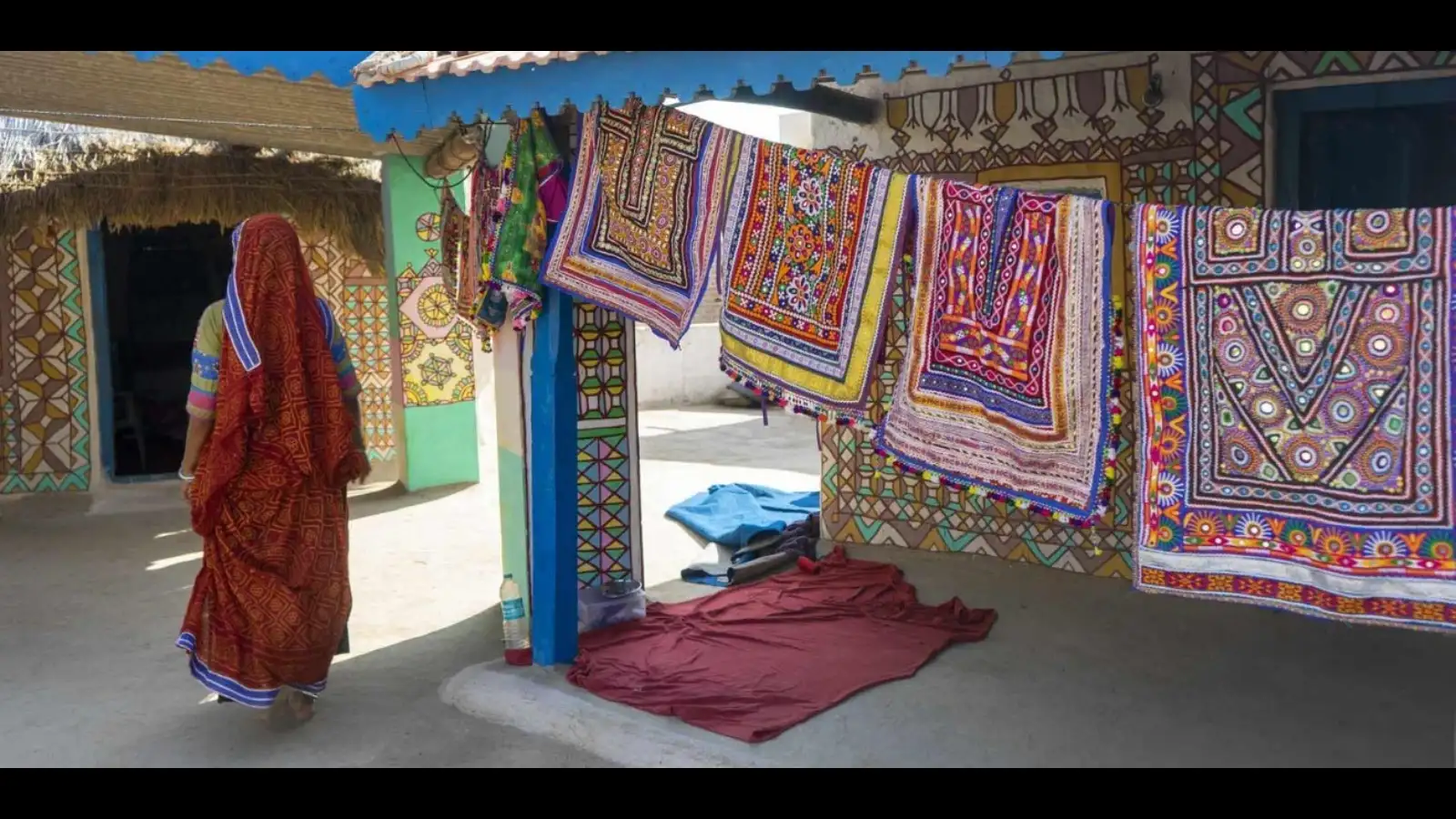 The Kutch region of Gujarat is famous for its diverse textile traditions, and several villages are known for embroidery, weaving, block printing and other forms of handmade craft. Villages such as Bhujodi are especially associated with traditional weaving.
Kutch embroidery is known for its colourful threads, intricate stitches and, in some styles, small mirrors sewn into fabric. Different communities have developed their own embroidery patterns, reflecting local identity and cultural history.
Bhujodi, near Bhuj, is known for handwoven textiles, including shawls, stoles, blankets and other fabric products. The region’s weavers use traditional techniques to create textiles with distinctive textures and patterns.
Craft villages across Kutch offer a glimpse into the skill and patience behind handmade clothing and home furnishings. Many of these traditions continue to support artisan families.
What makes it special: Kutch brings together several textile traditions, with each community adding its own colours, patterns and techniques.
Ikat is a resist-dyeing technique in which yarns are dyed before weaving. Selected sections of the yarn are protected from the dye, creating patterns when the threads are woven together. The process requires careful planning, precision and considerable skill.
Pochampally’s textiles include sarees, dress materials, scarves and other handloom products. Traditional designs often feature diamonds, stripes and other geometric shapes.
The village has become an important destination for people interested in Indian handloom traditions. Its weaving heritage demonstrates the creativity involved in transforming threads into intricate patterns.
What makes it special: Pochampally’s Ikat textiles are recognised for their geometric designs and complex resist-dyeing process.
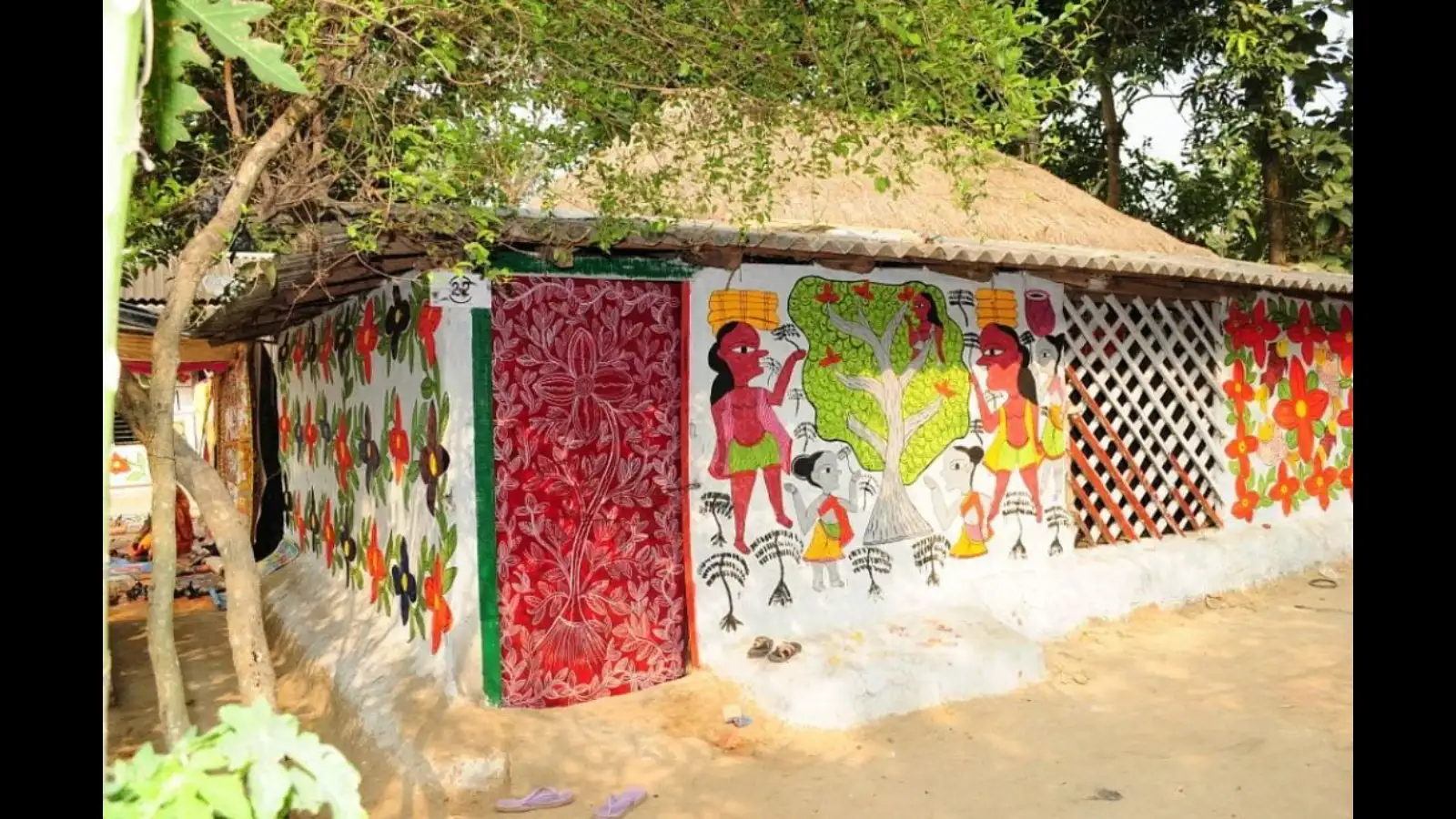 Naya village in Pingla, West Midnapore district of West Bengal, is known for its Patachitra tradition. The village is home to artists from the Patua community, who create painted scrolls and use them to narrate stories.
Traditional Patachitra scrolls feature a series of painted scenes arranged in sequence. Historically, travelling artists known as patuas would unfold these scrolls while singing or narrating the stories depicted in them.
The artwork often includes stories from Hindu mythology, folklore, social life and contemporary events. Artists use bold outlines, vivid colours and detailed compositions to bring the narratives alive.
Naya is also associated with the annual Patmaya festival, which celebrates the village’s artistic heritage and gives visitors an opportunity to meet artists and explore their work.
What makes it special: Naya’s art combines painting, music and storytelling, making it a unique example of India’s living folk traditions.
Visiting craft villages can help travellers understand the effort behind handmade products and appreciate the importance of supporting artisans. Buying directly from craftspeople, visiting local workshops and learning about traditional techniques are meaningful ways to contribute to the preservation of these art forms.
From Odisha’s painted cloth to Telangana’s woven textiles, these villages show how creativity continues to thrive in rural India. Each destination offers a different story, making them worth exploring for anyone interested in art, culture and heritage.
Disclaimer: Craft traditions may vary between communities and villages. This article highlights well-known associations and does not represent every artisan or craft practice in the regions mentioned.
1. Raghurajpur, Odisha: A Village of Pattachitra Paintings
The paintings are created on specially prepared cloth known as patta. Artists use natural-looking colours, fine outlines and intricate patterns to bring their subjects to life. Lord Jagannath, Krishna and scenes from the Ramayana are among the themes commonly seen in this art tradition.
Raghurajpur is also associated with other crafts, including palm-leaf engraving, traditional masks and decorative wooden objects. Many homes in the village serve as both living spaces and artist workshops, allowing visitors to see artisans at work.
What makes it special: The village combines traditional art, living craft practices and Odisha’s rich cultural heritage.
2. Madhubani, Bihar: The Home of Mithila Painting
Madhubani paintings are known for their bold lines, vibrant colours and intricate patterns. Common subjects include flowers, birds, animals, nature and scenes inspired by Hindu mythology. Different traditional styles use distinctive patterns, colours and techniques.
Artists today create paintings on paper, cloth, canvas and other surfaces, helping the tradition reach audiences beyond Bihar. The art also provides livelihood opportunities for many craft communities.
What makes it special: Mithila painting turns traditional storytelling and everyday cultural expressions into colourful works of art.
3. Molela, Rajasthan: Terracotta Art and Clay Reliefs
Molela, a village in Rajasthan’s Rajsamand district, is known for its distinctive terracotta craft. Unlike ordinary clay pots, Molela’s traditional work often takes the form of raised clay panels or plaques featuring religious and cultural themes.The craft is particularly associated with terracotta images of local deities, including forms of folk gods and guardian figures. Artisans shape the clay, add fine details and fire the pieces to create durable objects.
These terracotta panels have traditionally been used by communities for religious and ceremonial purposes. Their designs often reflect the beliefs and cultural practices of Rajasthan’s rural communities.
The village’s pottery tradition demonstrates how clay can become more than a household material. In the hands of skilled artisans, it becomes a medium for storytelling, worship and artistic expression.
What makes it special: Molela’s terracotta reliefs offer a distinctive combination of sculpture, folk religion and traditional craftsmanship.
4. Channapatna, Karnataka: Colourful Wooden Toys
Artisans traditionally use soft woods such as hale wood, ivory wood and other suitable varieties. The wood is shaped on a lathe and finished with coloured lacquer to create the toys’ characteristic appearance.
The craft includes spinning tops, dolls, animals, puzzles and decorative objects. Their simple forms and bright colours have made them popular among children and collectors alike.
Channapatna’s craft heritage also shows how traditional skills can adapt to changing markets. Alongside classic toys, artisans produce contemporary home décor and lifestyle products.
What makes it special: The craft blends traditional woodworking, natural materials and vibrant lacquer finishes.
5. Kutch, Gujarat: Villages Rich in Embroidery and Textile Crafts
Kutch embroidery is known for its colourful threads, intricate stitches and, in some styles, small mirrors sewn into fabric. Different communities have developed their own embroidery patterns, reflecting local identity and cultural history.
Bhujodi, near Bhuj, is known for handwoven textiles, including shawls, stoles, blankets and other fabric products. The region’s weavers use traditional techniques to create textiles with distinctive textures and patterns.
Craft villages across Kutch offer a glimpse into the skill and patience behind handmade clothing and home furnishings. Many of these traditions continue to support artisan families.
What makes it special: Kutch brings together several textile traditions, with each community adding its own colours, patterns and techniques.
6. Pochampally, Telangana: The Village of Ikat Weaving
Pochampally, in Telangana’s Yadadri Bhuvanagiri district, is renowned for its Ikat weaving tradition. The village is particularly famous for Pochampally Ikat sarees and textiles, which feature striking geometric designs and carefully planned colour patterns.Ikat is a resist-dyeing technique in which yarns are dyed before weaving. Selected sections of the yarn are protected from the dye, creating patterns when the threads are woven together. The process requires careful planning, precision and considerable skill.
Pochampally’s textiles include sarees, dress materials, scarves and other handloom products. Traditional designs often feature diamonds, stripes and other geometric shapes.
The village has become an important destination for people interested in Indian handloom traditions. Its weaving heritage demonstrates the creativity involved in transforming threads into intricate patterns.
What makes it special: Pochampally’s Ikat textiles are recognised for their geometric designs and complex resist-dyeing process.
7. Naya, West Bengal: The Art of Patachitra Storytelling
Traditional Patachitra scrolls feature a series of painted scenes arranged in sequence. Historically, travelling artists known as patuas would unfold these scrolls while singing or narrating the stories depicted in them.
The artwork often includes stories from Hindu mythology, folklore, social life and contemporary events. Artists use bold outlines, vivid colours and detailed compositions to bring the narratives alive.
Naya is also associated with the annual Patmaya festival, which celebrates the village’s artistic heritage and gives visitors an opportunity to meet artists and explore their work.
What makes it special: Naya’s art combines painting, music and storytelling, making it a unique example of India’s living folk traditions.
Why These Craft Villages Matter
India’s traditional crafts are more than decorative objects. They represent generations of knowledge, local materials, cultural beliefs and artistic skills. In many villages, craftwork remains an important source of income for families.Visiting craft villages can help travellers understand the effort behind handmade products and appreciate the importance of supporting artisans. Buying directly from craftspeople, visiting local workshops and learning about traditional techniques are meaningful ways to contribute to the preservation of these art forms.
From Odisha’s painted cloth to Telangana’s woven textiles, these villages show how creativity continues to thrive in rural India. Each destination offers a different story, making them worth exploring for anyone interested in art, culture and heritage.
Disclaimer: Craft traditions may vary between communities and villages. This article highlights well-known associations and does not represent every artisan or craft practice in the regions mentioned.
Next Story