
7 Indian Destinations Famous for Traditional Pottery and Terracotta Art

India’s pottery traditions are as diverse as its landscapes. From the detailed terracotta panels of West Bengal to the glossy black pottery of Uttar Pradesh and the distinctive clay work of Rajasthan, different regions have developed their own techniques, designs and uses for clay.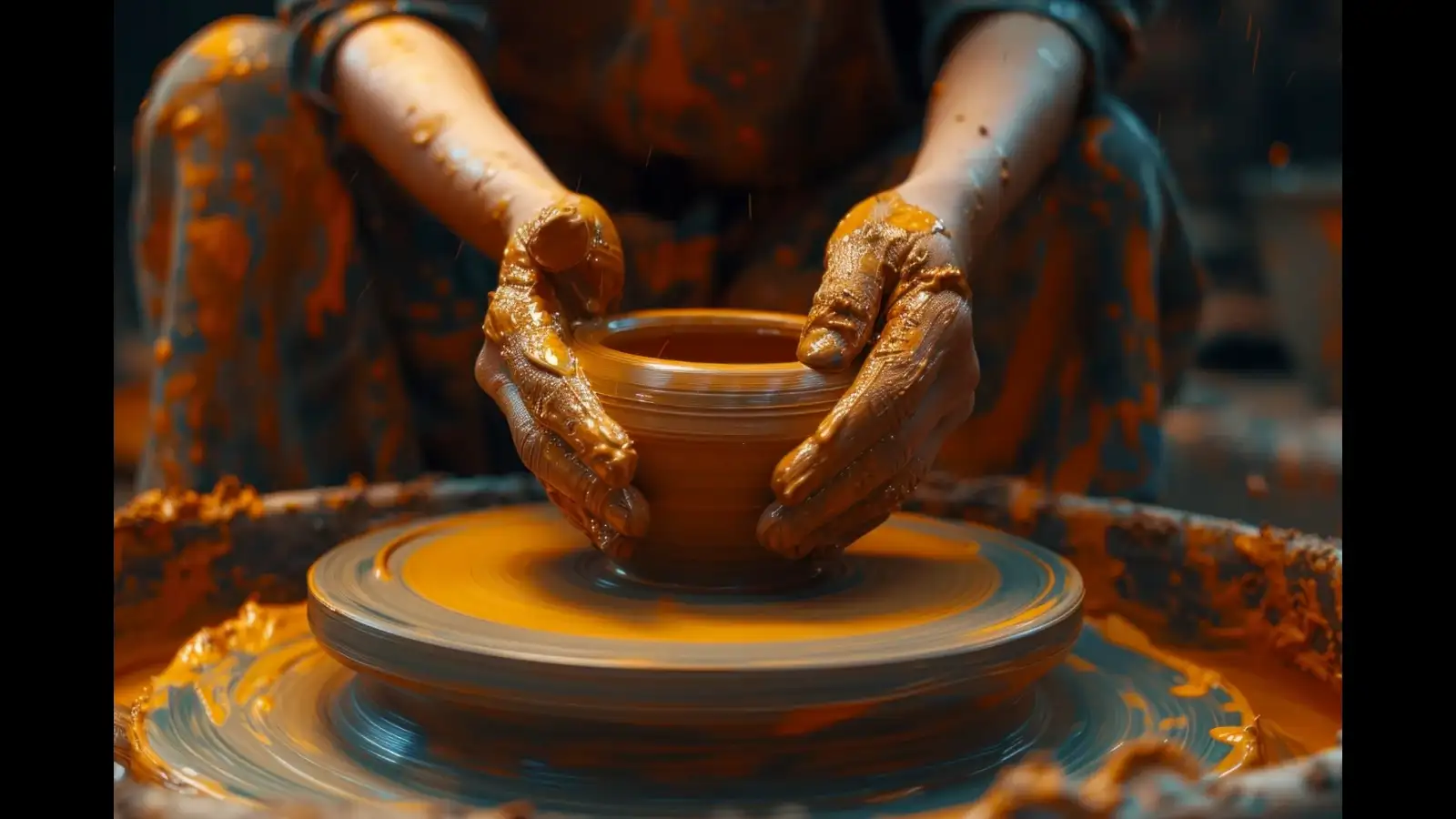
For travellers interested in traditional crafts, these destinations offer a chance to discover pottery beyond ordinary souvenirs. Here are seven places where clay remains an important part of local artistic heritage.
The craft tradition extends beyond temple architecture. Bishnupur is also known for terracotta pottery, figurines and decorative objects. Nearby Panchmura is another important centre, known for its terracotta figures and the iconic Bankura horse.
For visitors, Bishnupur offers a fascinating combination of heritage architecture and living craft traditions.
The pottery is generally decorated with hand-painted patterns, often featuring floral designs and earthy shades. Glazing gives the finished products their characteristic shine.
A visit to Khurja can therefore be interesting for travellers who want to see how traditional pottery has adapted to modern household and decorative needs while retaining its distinctive character.
Nizamabad Black Pottery has a heritage of more than 500 years and is recognised under the GI system. The pottery is famous for its deep black surface, intricate engraved designs and striking silver-coloured decoration.
The unusual black finish is achieved through a specialised firing process that limits oxygen inside the kiln. Artisans first shape the clay on a potter’s wheel before drying, engraving and firing the pieces.
The result is pottery that combines traditional craftsmanship with an elegant decorative appearance.
Unlike conventional pots, Molela terracotta is largely created as raised clay artwork on flat plaques. Artisans shape the clay by hand and create figures and scenes associated with religious traditions and village life.
Traditional works include representations of deities, wedding processions and other cultural themes. The craft has been passed down through generations and remains closely connected with the cultural life of the region.
For craft lovers, Molela provides an opportunity to see a very different use of clay, where terracotta becomes a form of storytelling.
The clay is carefully processed before artisans shape it into pots, vases, kitchenware and decorative objects. Traditional products have also expanded to include items such as lamps, jars, planters and other household pieces.
The pottery received a GI tag in 2018, adding to its recognition as a traditional craft of the region.
Manamadurai pottery is generally known for its simple shapes and earthy appearance. Artisans use clay along with other materials to create pots, cooking vessels, water-storage containers, lamps, planters and decorative pieces.
The craft received GI recognition, and its products demonstrate how pottery can remain both functional and artistic while retaining a strong connection with local materials and traditions.
Artisans work with clay sourced from riverbeds and paddy fields. Depending on the community and type of product, pieces may be hand-built or made using a potter’s wheel. Traditional products include household vessels, ceremonial objects, toys and terracotta figurines.
The craft is also recognised under the GI system as Assam Asharikandi Terracotta Craft.
For travellers, visiting these destinations is not just about buying handmade products. It is also a way to discover the artisans, traditions and regional stories that continue to keep India’s clay heritage alive.
Disclaimer:Craft traditions and practices may vary across regions and artisan communities. This article is for informational purposes only.
For travellers interested in traditional crafts, these destinations offer a chance to discover pottery beyond ordinary souvenirs. Here are seven places where clay remains an important part of local artistic heritage.
1. Bishnupur, West Bengal
Bishnupur is one of India’s best-known destinations for terracotta art. The historic town in Bankura district is particularly famous for its terracotta temples, whose walls feature elaborate panels depicting scenes from the Ramayana, Mahabharata, stories of Krishna and aspects of everyday life.The craft tradition extends beyond temple architecture. Bishnupur is also known for terracotta pottery, figurines and decorative objects. Nearby Panchmura is another important centre, known for its terracotta figures and the iconic Bankura horse.
For visitors, Bishnupur offers a fascinating combination of heritage architecture and living craft traditions.
2. Khurja, Uttar Pradesh
Khurja is widely known as a major pottery centre and is often called the Ceramic City. Khurja pottery is recognised for its colourful glazed earthenware, including crockery, vases, tiles and decorative pieces. The craft has also received a Geographical Indication (GI) tag.The pottery is generally decorated with hand-painted patterns, often featuring floral designs and earthy shades. Glazing gives the finished products their characteristic shine.
A visit to Khurja can therefore be interesting for travellers who want to see how traditional pottery has adapted to modern household and decorative needs while retaining its distinctive character.
3. Nizamabad, Uttar Pradesh
Another fascinating pottery destination in Uttar Pradesh is Nizamabad, known for its distinctive black pottery.Nizamabad Black Pottery has a heritage of more than 500 years and is recognised under the GI system. The pottery is famous for its deep black surface, intricate engraved designs and striking silver-coloured decoration.
The unusual black finish is achieved through a specialised firing process that limits oxygen inside the kiln. Artisans first shape the clay on a potter’s wheel before drying, engraving and firing the pieces.
The result is pottery that combines traditional craftsmanship with an elegant decorative appearance.
4. Molela, Rajasthan
Molela offers one of Rajasthan’s most distinctive terracotta traditions. Located near the Banas River, the village is particularly known for its handmade terracotta plaques.Unlike conventional pots, Molela terracotta is largely created as raised clay artwork on flat plaques. Artisans shape the clay by hand and create figures and scenes associated with religious traditions and village life.
Traditional works include representations of deities, wedding processions and other cultural themes. The craft has been passed down through generations and remains closely connected with the cultural life of the region.
For craft lovers, Molela provides an opportunity to see a very different use of clay, where terracotta becomes a form of storytelling.
5. Pokhran, Rajasthan
Pokhran is another Rajasthan destination with a distinctive pottery tradition. Pokhran pottery stands out for its light pinkish colour, which differs from the deeper red tones commonly associated with terracotta.The clay is carefully processed before artisans shape it into pots, vases, kitchenware and decorative objects. Traditional products have also expanded to include items such as lamps, jars, planters and other household pieces.
The pottery received a GI tag in 2018, adding to its recognition as a traditional craft of the region.
You may also like
- The death of beige: Why colour is coming back into Indian homes
- Why Alia Bhatt has been sending emails to daughter Raha since her birth: “When she's 15, I'd give this to her and say…”
- Trains Cancelled: Over 17 trains cancelled from September 24 to October 4; passengers should check the list.
- Solar panels can be insured too—will you get a payout for theft or damage?
- EPF Scheme: Government May Reduce PF Contributions for 3 Months
6. Manamadurai, Tamil Nadu
Manamadurai is known for its long-standing pottery tradition, closely associated with the Vaigai River. The craft has been passed down through generations and remains an important part of the area’s traditional workmanship.Manamadurai pottery is generally known for its simple shapes and earthy appearance. Artisans use clay along with other materials to create pots, cooking vessels, water-storage containers, lamps, planters and decorative pieces.
The craft received GI recognition, and its products demonstrate how pottery can remain both functional and artistic while retaining a strong connection with local materials and traditions.
7. Asharikandi, Assam
For a different pottery experience, travellers can head to Asharikandi in Assam, an important centre for traditional terracotta work. Assam’s pottery traditions are associated with both utilitarian and ceremonial objects, with different artisan communities following their own techniques.Artisans work with clay sourced from riverbeds and paddy fields. Depending on the community and type of product, pieces may be hand-built or made using a potter’s wheel. Traditional products include household vessels, ceremonial objects, toys and terracotta figurines.
The craft is also recognised under the GI system as Assam Asharikandi Terracotta Craft.
Clay That Tells India's Story
India’s pottery traditions show how the same basic material can take remarkably different forms across the country. In Bishnupur, terracotta becomes elaborate architectural art. In Nizamabad, clay takes on a striking black finish, while Molela turns it into detailed narrative plaques. Khurja, Pokhran, Manamadurai and Asharikandi add their own distinctive techniques and styles.For travellers, visiting these destinations is not just about buying handmade products. It is also a way to discover the artisans, traditions and regional stories that continue to keep India’s clay heritage alive.
Disclaimer:Craft traditions and practices may vary across regions and artisan communities. This article is for informational purposes only.






Loving Newspoint? Download the app now
