
Festive overeating decoded: Why Diwali treats trigger acidity, bloating and gas, and how to enjoy celebrations without upsetting your gut


Every year, in the weeks around Diwali, my clinic fills up with the same complaints: a burning chest, a tight and swollen belly, gas that won’t settle, a stomach that feels like a stone. Festive food is not the villain. The real trouble is the sudden change in what we eat, when we eat, and how much we eat, made worse by short sleep and fewer walks. The good news is that a few sensible habits can let you enjoy every mithai and family dinner without paying for it later.
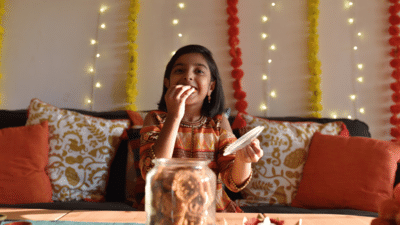
Why the gut protests during festivalsThe first culprit is meal timing . Late-night gatherings, skipped breakfasts and long gaps followed by a heavy feast disturb the body’s digestive rhythm. When a large amount of food enters a very hungry stomach, acid production surges, and reflux symptoms follow.
Then there is the pleasure of eating together, which so easily turns into overeating. When friends and relatives keep refilling your plate, it is hard to stop at the right moment. As the stomach stretches beyond its comfort zone, you feel pressure, heaviness and a burning sensation in the chest.
Celebrations also bring alcohol, caffeine and fizzy drinks, often all at once. Each of them irritates the stomach lining, and they also relax the valve between the food pipe and the stomach, allowing acid to travel upward.
Finally, stress, disturbed sleep and skipped walks slow the gut down. One of the most common triggers of night-time reflux that I see is simply lying down soon after a big meal.
Protecting your gut without missing the funThe simplest rule is not to arrive at a feast ravenous. Regular, light meals earlier in the day make it far easier to manage portions when the festive spread appears.
Once you are at the table, slow down. Sweets don’t have to be off-limits, since one or two pieces are usually well tolerated, whereas a full plate often isn’t. The brain takes about 20 minutes to register fullness, so eating slowly is one of the easiest ways to avoid overeating.
It also helps to balance the plate. Pairing festive dishes with vegetables, salad, dal or another source of protein adds fibre, which supports digestion and helps blunt the effect of sugar. Water, buttermilk and coconut water are gentle choices for hydration, and sipping through the day works better than gulping large amounts with meals.
If you choose to drink alcohol, keep it moderate, steer clear of fizzy mixers where you can, and never drink on an empty stomach. Try to leave a gap of two to three hours between dinner and bedtime, and take a short walk after meals to help digestion along.
After a particularly heavy day, return to simple food. Khichdi, curd rice, fruit or soup help the gut recover. Skipping meals to “compensate” usually backfires and makes acidity worse.
When to see a doctorMild bloating or acidity after a greasy, fatty meal is common and usually settles on its own, in part because of the bile the body produces to digest fat. But some signs should not be brushed off. Please consult a doctor if you have heartburn or acidity more than twice a week, difficulty or pain while eating or swallowing, vomiting that lasts more than 24 hours, unexplained weight loss, black stools or blood in the stool, severe or frequent abdominal pain, or symptoms that persist for more than two weeks despite changing your diet.
If you already live with GERD, gastritis, fatty liver, peptic ulcers, IBS or inflammatory bowel disease, take extra care, because festive indulgence can trigger a flare-up. Remember too that relying on antacids again and again may mask symptoms and delay the diagnosis of an underlying problem.
The takeawayCelebrating well and gut comfort are not opposites. Moderation, regular meal times, adequate water, light activity and good sleep are usually enough to carry you through the season. Enjoy the sweets, savour the company, and let your gut enjoy the festival too.
Next Story