
Planning Your First Solo Trip? 10 Things You Should Know Before Travelling Alone

Travelling alone can be an exciting experience, especially if you enjoy exploring new places, meeting people and stepping outside your comfort zone. However, planning your first solo trip can also feel a little overwhelming. From choosing the right destination and booking accommodation to managing your budget and staying safe, there are several things to consider before setting off on your journey.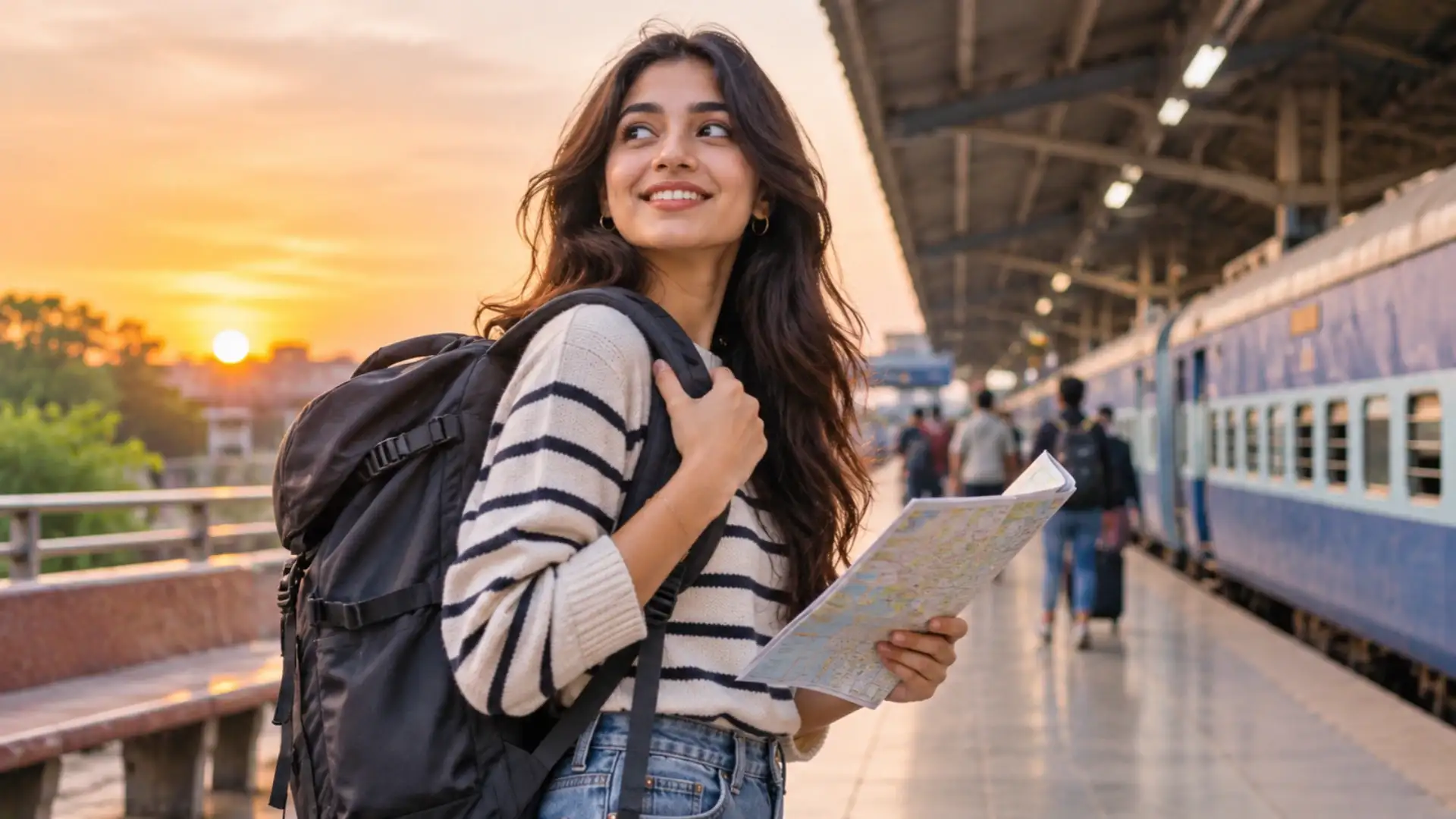
Whether you are planning a short weekend getaway or a longer holiday, a little preparation can make solo travel much more comfortable and enjoyable. Here are 10 practical solo travel tips to help you plan your first trip with confidence.
Whether you are planning a short weekend getaway or a longer holiday, a little preparation can make solo travel much more comfortable and enjoyable. Here are 10 practical solo travel tips to help you plan your first trip with confidence.
1. Choose a Destination That Suits Your Experience
If this is your first time travelling alone, consider starting with a destination that is relatively easy to navigate. Look for places with reliable public transport, accessible accommodation and popular tourist attractions. You can also choose a destination where you are comfortable with the local language and customs. Starting with a shorter trip can help you gain confidence before planning longer solo holidays.2. Plan Your Budget in Advance
Having a clear travel budget can help you avoid unnecessary financial stress during your trip. Calculate your expected expenses, including transportation, accommodation, food, sightseeing and shopping. Keep some extra money aside for unexpected situations. Researching travel costs beforehand and booking tickets early can also help you find affordable options.3. Research Your Accommodation Carefully
Choosing the right accommodation is particularly important when travelling alone. Before booking a hotel, hostel or homestay, check its location, facilities, security arrangements and guest reviews. Try to stay somewhere that offers easy access to public transport, restaurants and popular attractions. A well-located accommodation can make exploring an unfamiliar destination much easier.4. Share Your Travel Plans With Someone You Trust
Before leaving, share your itinerary, accommodation details and travel information with a family member or friend. Keep them updated about major changes in your plans, especially when travelling between destinations. You can also share your live location when necessary. This simple precaution can provide additional reassurance to both you and your loved ones.5. Pack Light but Carry All the Essentials
Packing efficiently can make solo travel much easier, particularly when you need to manage your luggage without assistance. Carry comfortable clothes, appropriate footwear, toiletries, medicines, chargers, identification documents and other daily essentials. Keep important items such as your phone, wallet and travel documents somewhere secure and easily accessible. Avoid carrying unnecessary belongings that make travelling difficult.6. Learn About Local Transportation
Understanding how to travel around your destination can save both time and money. Research available transport options, including buses, trains, metro services and local taxis. Download useful navigation applications and check transport schedules before heading out. Knowing how to reach your accommodation from the airport or railway station can also make your arrival less stressful.7. Prioritise Your Personal Safety
Personal safety should always be a priority when travelling alone. Avoid visiting unfamiliar or isolated areas late at night, keep an eye on your belongings and be careful about sharing personal information with strangers. Trust your instincts if a situation makes you uncomfortable. It is also helpful to save emergency contact numbers and identify nearby hospitals or police stations.8. Keep Digital and Physical Copies of Important Documents
Losing important documents during a trip can create unnecessary complications. Keep digital copies of your identification, tickets, accommodation bookings and other essential travel documents on your phone or in secure cloud storage. Carry the necessary physical documents as well, and keep them separate from your wallet whenever possible.9. Avoid Planning Every Minute of Your Itinerary
While having a travel itinerary is important, leave some room for spontaneous experiences. You might discover an interesting café, a local market or a beautiful attraction that was not part of your original plan. Allowing some flexibility can make your solo trip more enjoyable without making you feel rushed. However, always keep your accommodation and return travel arrangements in mind.10. Stay Connected but Enjoy Your Own Company
One of the best parts of travelling alone is having the freedom to explore at your own pace. You can spend time at places that interest you, try new activities and enjoy experiences without adjusting to someone else's schedule. Stay connected with your friends and family, but also give yourself the opportunity to enjoy your surroundings. Solo travel can be a wonderful way to become more independent and discover new interests.Final Thoughts
Planning your first solo trip does not have to be complicated. With the right preparation, a realistic budget and a little attention to personal safety, travelling alone can become a rewarding experience. Start with a destination that feels comfortable, keep your plans organised and remain open to new experiences. Most importantly, remember that you do not need to have everything figured out to enjoy your first solo adventure.Next Story