
Floating On Wonders: The Secrets Of The Dead Sea

Nestled between Jordan, Israel, and Palestine, the Dead Sea is a geographical and natural marvel. It is the lowest point on Earth, sitting 430 meters below sea level, and offers an experience unlike any other: floating effortlessly on its surface. But what exactly makes this place so unique? The answer lies in its extreme salinity and a fascinating blend of geological history, health benefits, and mysteries.
The Saltiest Body of Water
The Dead Sea is not a sea in the traditional sense, but a saltwater lake. What sets it apart is its remarkable salt concentration, which is nearly 10 times that of regular ocean water. The salinity reaches around 34%, making it one of the saltiest bodies of water in the world. This high salt content creates an extraordinary phenomenon—natural buoyancy. The salt makes the water so dense that people can float effortlessly on its surface. Even non-swimmers can enjoy this once-in-a-lifetime experience.
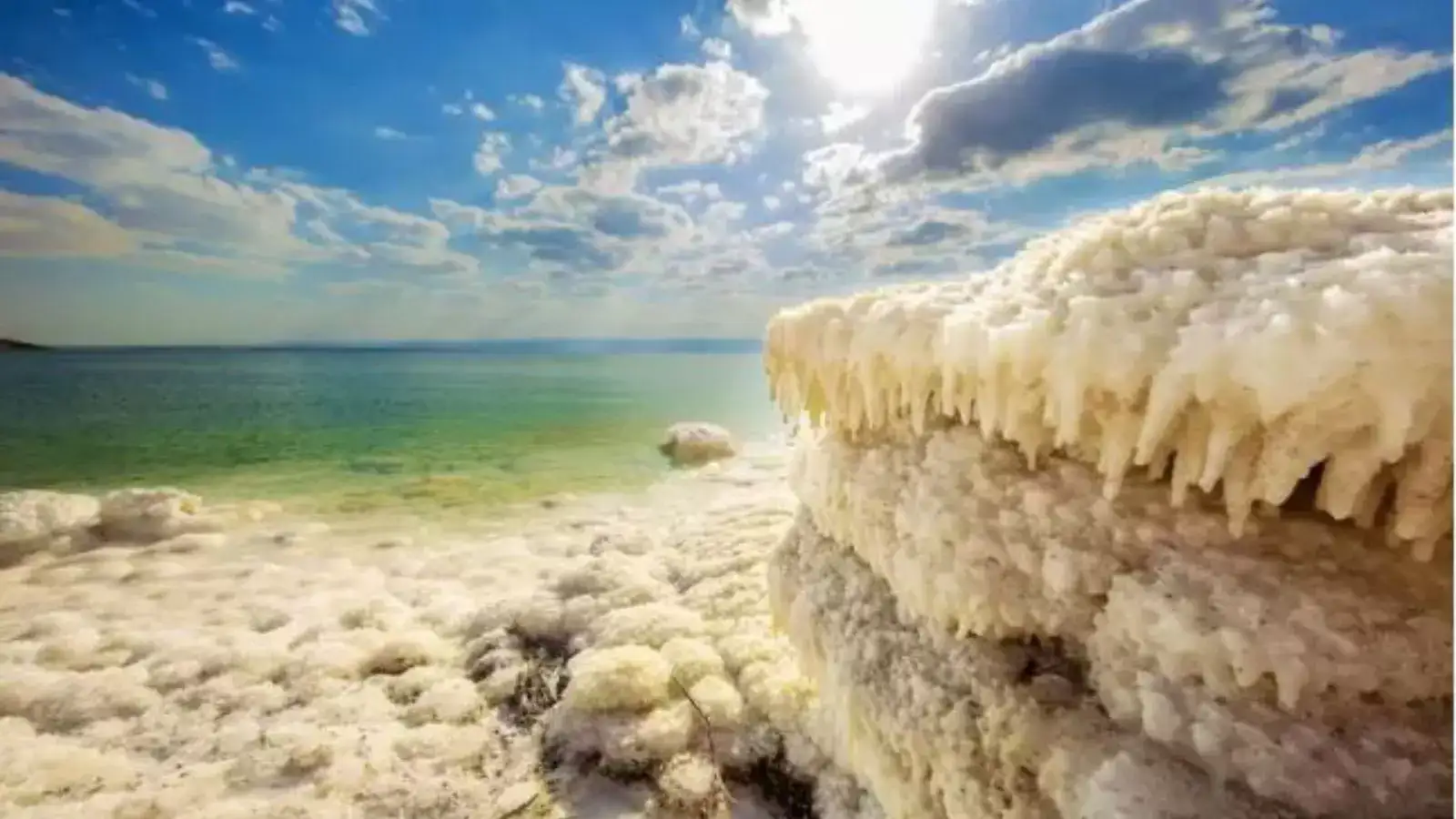
The reason for this saltiness is linked to the region’s arid climate and high evaporation rates. With no outlets to the sea, the water that flows into the Dead Sea from rivers and streams evaporates, leaving behind salt and minerals. Over millions of years, these deposits have turned the Dead Sea into the mineral-rich oasis it is today.
A Treasure Trove of Minerals
The Dead Sea isn’t just about salt—it is also home to a unique blend of minerals like magnesium, potassium, and bromine. These minerals have been used for centuries in cosmetics and therapeutic treatments. The mud along the shores is rich in nutrients and is known to soothe skin conditions such as eczema and psoriasis. Visitors often coat themselves in this mud for its purifying and rejuvenating properties.
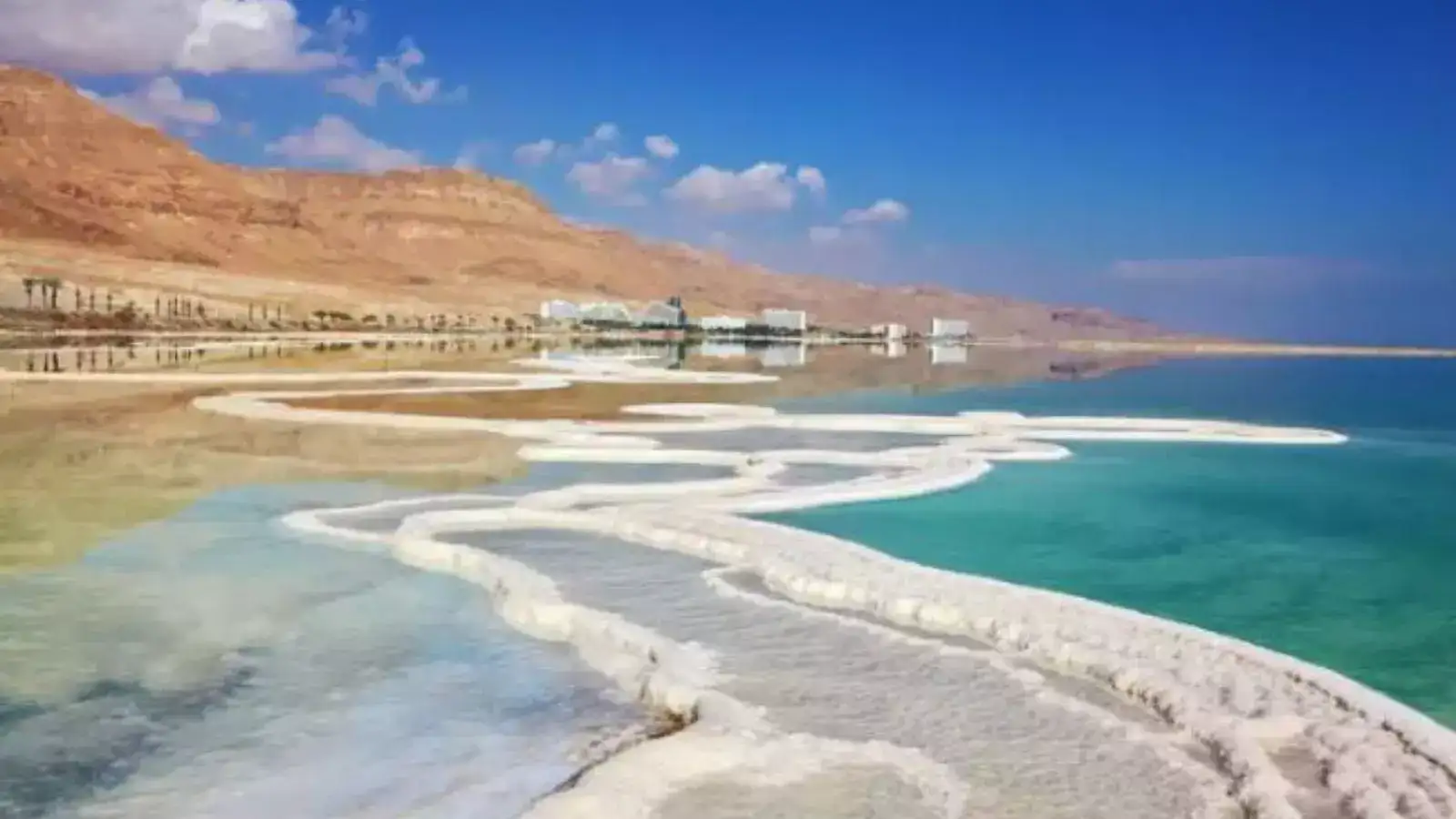
In fact, the waters and mud of the Dead Sea have long been regarded as therapeutic. The combination of low allergens, high atmospheric pressure, and oxygen levels makes the area a wellness destination for people seeking relief from respiratory, skin, and joint conditions. Many wellness resorts have sprung up along the shores, offering treatments that capitalize on these natural elements.
The Health Benefits of the Dead Sea
The therapeutic value of the Dead Sea goes beyond its mud. The high salt content helps the body retain moisture, which is beneficial for dry skin. The air around the Dead Sea is also rich in bromine, which is thought to help alleviate stress and anxiety.
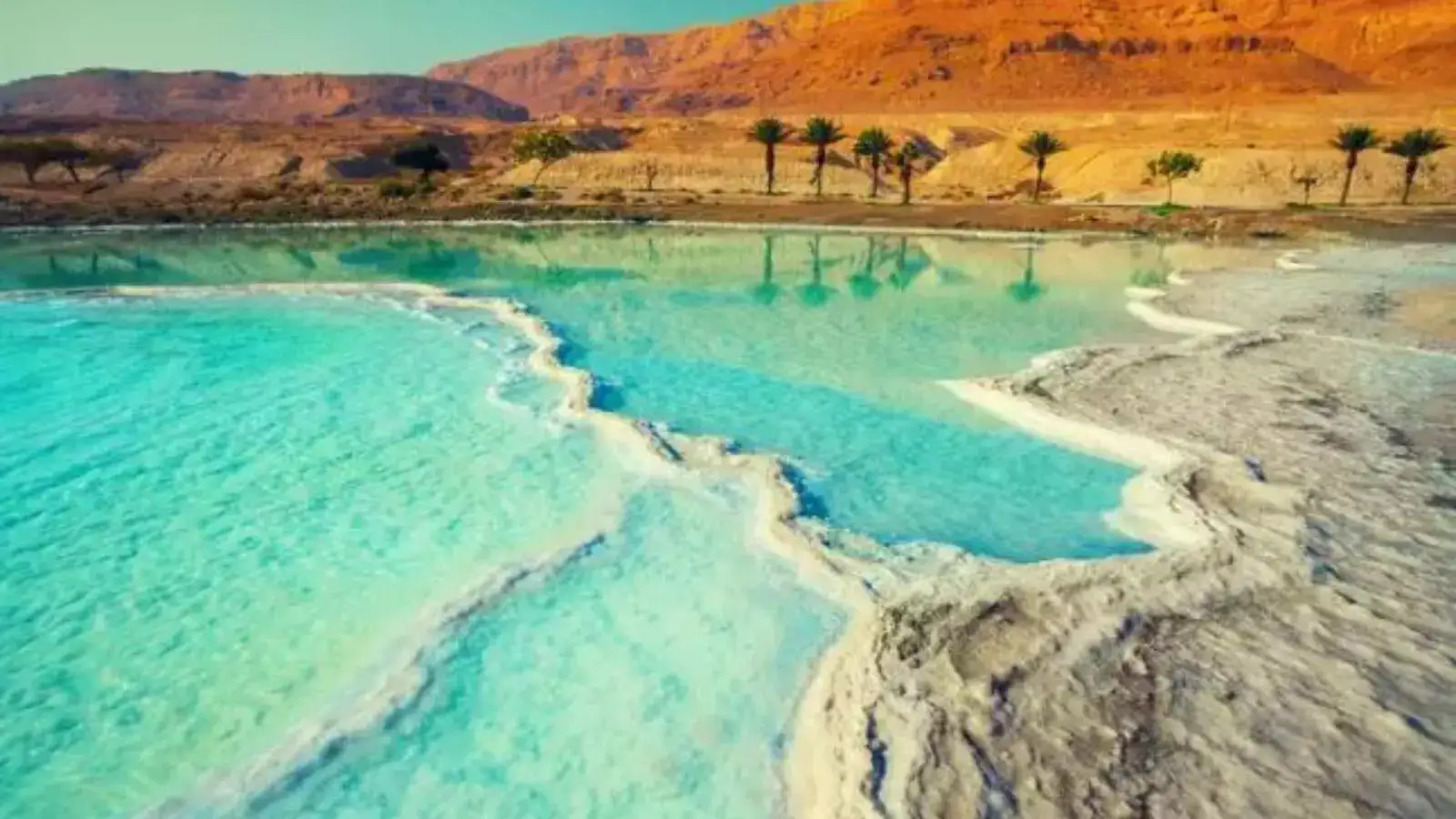
What’s more, the Dead Sea’s low altitude means the sun’s UV rays are less harmful, allowing visitors to soak up the sun’s benefits without the risk of sunburn. This is why the Dead Sea is also a prime spot for heliotherapy (sunlight therapy).
Disappearing Wonders?
However, the Dead Sea is facing an ecological crisis. Its water levels have been dropping by over a meter per year due to water diversion from the Jordan River, its primary source. Environmentalists warn that without intervention, the Dead Sea could shrink drastically or even disappear within the next 50 years.
The Dead Sea is a place where nature defies logic, offering visitors a chance to float on water, heal with mud, and bask in an environment rich with minerals. As this wonder continues to shrink, it serves as a reminder of both nature’s magnificence and its fragility. Visiting the Dead Sea isn’t just a trip to a unique landscape—it’s an opportunity to witness one of Earth’s most incredible secrets.
The Saltiest Body of Water
The Dead Sea is not a sea in the traditional sense, but a saltwater lake. What sets it apart is its remarkable salt concentration, which is nearly 10 times that of regular ocean water. The salinity reaches around 34%, making it one of the saltiest bodies of water in the world. This high salt content creates an extraordinary phenomenon—natural buoyancy. The salt makes the water so dense that people can float effortlessly on its surface. Even non-swimmers can enjoy this once-in-a-lifetime experience.
The reason for this saltiness is linked to the region’s arid climate and high evaporation rates. With no outlets to the sea, the water that flows into the Dead Sea from rivers and streams evaporates, leaving behind salt and minerals. Over millions of years, these deposits have turned the Dead Sea into the mineral-rich oasis it is today.
A Treasure Trove of Minerals
The Dead Sea isn’t just about salt—it is also home to a unique blend of minerals like magnesium, potassium, and bromine. These minerals have been used for centuries in cosmetics and therapeutic treatments. The mud along the shores is rich in nutrients and is known to soothe skin conditions such as eczema and psoriasis. Visitors often coat themselves in this mud for its purifying and rejuvenating properties.
In fact, the waters and mud of the Dead Sea have long been regarded as therapeutic. The combination of low allergens, high atmospheric pressure, and oxygen levels makes the area a wellness destination for people seeking relief from respiratory, skin, and joint conditions. Many wellness resorts have sprung up along the shores, offering treatments that capitalize on these natural elements.
The Health Benefits of the Dead Sea
The therapeutic value of the Dead Sea goes beyond its mud. The high salt content helps the body retain moisture, which is beneficial for dry skin. The air around the Dead Sea is also rich in bromine, which is thought to help alleviate stress and anxiety.
What’s more, the Dead Sea’s low altitude means the sun’s UV rays are less harmful, allowing visitors to soak up the sun’s benefits without the risk of sunburn. This is why the Dead Sea is also a prime spot for heliotherapy (sunlight therapy).
Disappearing Wonders?
However, the Dead Sea is facing an ecological crisis. Its water levels have been dropping by over a meter per year due to water diversion from the Jordan River, its primary source. Environmentalists warn that without intervention, the Dead Sea could shrink drastically or even disappear within the next 50 years.
The Dead Sea is a place where nature defies logic, offering visitors a chance to float on water, heal with mud, and bask in an environment rich with minerals. As this wonder continues to shrink, it serves as a reminder of both nature’s magnificence and its fragility. Visiting the Dead Sea isn’t just a trip to a unique landscape—it’s an opportunity to witness one of Earth’s most incredible secrets.
Next Story