
10 Foods That Were Once Considered Poor People’s Meals

Some of the world's most loved foods began with very little. Long before they appeared on restaurant menus or became popular around the globe, many dishes were created by people who had to make the most of cheap, seasonal or leftover ingredients.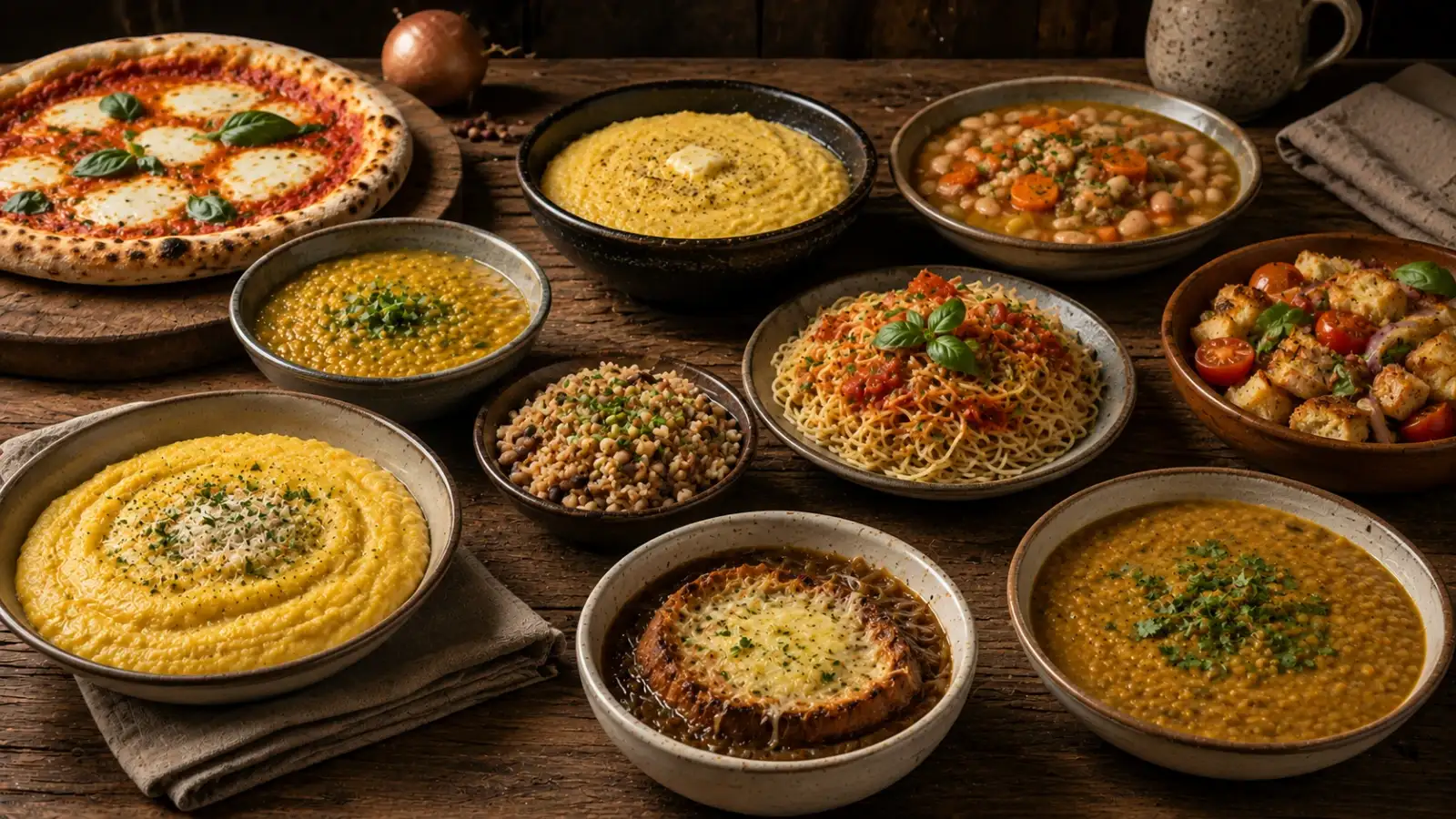
For families with limited money, cooking was often about being practical. Nothing was wasted if it could be turned into another meal. Simple grains, vegetables, bread, beans and inexpensive cuts of meat could become filling dishes with plenty of flavour.
Over time, some of these humble meals travelled beyond their original communities. They were adapted, improved and eventually embraced by people from all backgrounds. Today, a few are even considered comfort food or culinary specialities.
Here are 10 foods with humble origins that show how necessity can inspire some of the most memorable dishes.
Early versions were simple flatbreads topped with inexpensive ingredients such as tomatoes, cheese, oil and herbs. They provided an affordable and filling meal for ordinary people.
The dish eventually spread far beyond Naples, with countless variations appearing around the world. What was once associated with simple everyday eating is now found everywhere from takeaway shops to high-end restaurants.
It could be eaten on its own or combined with whatever ingredients were available, including vegetables, cheese or sauces.
Today, polenta appears on restaurant menus in many different forms. It can be creamy, grilled, baked or served alongside meat and vegetables.
Slowly cooking the onions brings out their natural sweetness. Bread and cheese can then turn the soup into something much more substantial.
Although modern versions can be served as an elegant starter, the basic idea remains wonderfully simple.
The dish could be prepared using inexpensive ingredients while still providing plenty of flavour and nourishment. Different versions use ingredients such as onion, greens or pork.
Today, it remains an important part of Southern food culture and is particularly associated with New Year's Day traditions.
A simple bowl of dal can be eaten with rice or flatbreads and can easily be adapted according to what is available.
Its humble reputation has never stopped it from becoming one of the most important foods in South Asian cooking. Today, dal is enjoyed in both simple home kitchens and sophisticated restaurants.
Beans can be combined with vegetables, grains, herbs and small amounts of meat to create a substantial dish. Different countries developed their own versions based on local ingredients.
These soups demonstrate an important principle of traditional cooking. You do not necessarily need expensive ingredients to make food satisfying.
Noodles in broth provided a convenient and inexpensive meal, and over time different Japanese regions developed their own styles. Ingredients such as vegetables, meat, eggs and seafood could be added according to availability.
Today, ramen ranges from inexpensive quick meals to carefully prepared restaurant dishes featuring elaborate broths and toppings.
The ingredients could be slowly cooked together to create a warm and filling meal. Potatoes were particularly important because they were relatively affordable and became a major part of the Irish diet.
Modern recipes vary, but the dish still represents the idea of making something comforting from basic ingredients.
Stale bread is combined with ingredients such as tomatoes, onions, basil and olive oil. Instead of throwing away bread that has become hard, cooks can give it a new life in a fresh and satisfying dish.
The idea is simple but clever. It turns what might otherwise be kitchen waste into the central ingredient of a meal.
The mixture was placed beneath a layer of mashed potato and baked until the top became golden.
The dish reflects the practical approach of traditional cooking, where leftovers were often transformed into something new instead of being discarded. Today, shepherd's pie remains a popular comfort food.
Leftovers also played an important role. Yesterday's bread could become today's salad, while leftover meat could be combined with vegetables and potatoes to make another meal.
Seasonality mattered too. People cooked with whatever was available at a particular time of year. This helped create regional dishes that became closely connected with local culture.
Pizza, dal, ramen, polenta and shepherd's pie have all travelled far beyond the communities where their humble versions were prepared. Their popularity today shows how recipes can evolve while still carrying traces of their origins.
These humble foods are also a reminder that necessity can encourage creativity. What begins as a simple meal made with whatever is available can eventually become a dish recognised and enjoyed across the world.
For families with limited money, cooking was often about being practical. Nothing was wasted if it could be turned into another meal. Simple grains, vegetables, bread, beans and inexpensive cuts of meat could become filling dishes with plenty of flavour.
Over time, some of these humble meals travelled beyond their original communities. They were adapted, improved and eventually embraced by people from all backgrounds. Today, a few are even considered comfort food or culinary specialities.
Here are 10 foods with humble origins that show how necessity can inspire some of the most memorable dishes.
1. Pizza
Pizza is now one of the world's most recognisable foods, but its history is closely connected with working-class life in Naples, Italy.Early versions were simple flatbreads topped with inexpensive ingredients such as tomatoes, cheese, oil and herbs. They provided an affordable and filling meal for ordinary people.
The dish eventually spread far beyond Naples, with countless variations appearing around the world. What was once associated with simple everyday eating is now found everywhere from takeaway shops to high-end restaurants.
2. Polenta
Polenta has long been associated with northern Italy and was traditionally made from grains, particularly maize. For poorer rural families, it was an inexpensive way to create a filling meal.It could be eaten on its own or combined with whatever ingredients were available, including vegetables, cheese or sauces.
Today, polenta appears on restaurant menus in many different forms. It can be creamy, grilled, baked or served alongside meat and vegetables.
3. French Onion Soup
French onion soup is another example of a dish built around an inexpensive ingredient. Onions were affordable, widely available and could be turned into a satisfying meal with simple additions.Slowly cooking the onions brings out their natural sweetness. Bread and cheese can then turn the soup into something much more substantial.
Although modern versions can be served as an elegant starter, the basic idea remains wonderfully simple.
4. Hoppin' John
Hoppin' John is a traditional dish associated with the American South and is made primarily with black-eyed peas and rice. It developed as an economical, filling meal among African American communities.The dish could be prepared using inexpensive ingredients while still providing plenty of flavour and nourishment. Different versions use ingredients such as onion, greens or pork.
Today, it remains an important part of Southern food culture and is particularly associated with New Year's Day traditions.
5. Dal
Dal has been a staple across South Asia for generations because pulses are affordable, versatile and filling. Different regions have developed their own combinations of lentils, spices, vegetables and cooking methods.A simple bowl of dal can be eaten with rice or flatbreads and can easily be adapted according to what is available.
Its humble reputation has never stopped it from becoming one of the most important foods in South Asian cooking. Today, dal is enjoyed in both simple home kitchens and sophisticated restaurants.
6. Bean Soup
Across Europe and beyond, bean soups have traditionally provided a practical way to make a filling meal from inexpensive ingredients.Beans can be combined with vegetables, grains, herbs and small amounts of meat to create a substantial dish. Different countries developed their own versions based on local ingredients.
These soups demonstrate an important principle of traditional cooking. You do not necessarily need expensive ingredients to make food satisfying.
7. Ramen
Modern ramen can be found in specialist restaurants around the world, but its roots are strongly connected with affordable everyday food.Noodles in broth provided a convenient and inexpensive meal, and over time different Japanese regions developed their own styles. Ingredients such as vegetables, meat, eggs and seafood could be added according to availability.
Today, ramen ranges from inexpensive quick meals to carefully prepared restaurant dishes featuring elaborate broths and toppings.
8. Irish Stew
Irish stew traditionally relied on simple ingredients that were available to rural families, including potatoes, onions and inexpensive cuts of meat.The ingredients could be slowly cooked together to create a warm and filling meal. Potatoes were particularly important because they were relatively affordable and became a major part of the Irish diet.
Modern recipes vary, but the dish still represents the idea of making something comforting from basic ingredients.
9. Panzanella
Panzanella is a traditional Italian bread salad that demonstrates how leftover food can be transformed rather than wasted.Stale bread is combined with ingredients such as tomatoes, onions, basil and olive oil. Instead of throwing away bread that has become hard, cooks can give it a new life in a fresh and satisfying dish.
The idea is simple but clever. It turns what might otherwise be kitchen waste into the central ingredient of a meal.
10. Shepherd's Pie
Shepherd's pie is closely associated with British and Irish home cooking. It traditionally provided a way to use leftover cooked meat along with inexpensive vegetables and potatoes.The mixture was placed beneath a layer of mashed potato and baked until the top became golden.
The dish reflects the practical approach of traditional cooking, where leftovers were often transformed into something new instead of being discarded. Today, shepherd's pie remains a popular comfort food.
You may also like
- Headache Striking Suddenly? This Simple Salt-and-Water Trick Is Being Shared for Quick Relief
- Health Tips: If you consume dry fruits daily, you will get many benefits, you can include them in your diet
- A spectacular confluence of classical dances unfolds in Pune
- Mosquitoes Bothering Your Little One? Try These 5 Simple Ways to Keep Insects Away
- Opportunity to Join BHEL: 10th Pass Candidates Can Also Apply
Why Did Poor Communities Create So Many Famous Foods ?
Economic hardship often forced people to become creative with food. Expensive ingredients were not always an option, so cooks relied on staples that were affordable, available locally and capable of feeding several people.Leftovers also played an important role. Yesterday's bread could become today's salad, while leftover meat could be combined with vegetables and potatoes to make another meal.
Seasonality mattered too. People cooked with whatever was available at a particular time of year. This helped create regional dishes that became closely connected with local culture.
From Humble Kitchens to Global Menus
The story behind these foods shows that great cooking does not always begin with expensive ingredients. Sometimes it starts with a nearly empty cupboard and the need to feed a family.Pizza, dal, ramen, polenta and shepherd's pie have all travelled far beyond the communities where their humble versions were prepared. Their popularity today shows how recipes can evolve while still carrying traces of their origins.
These humble foods are also a reminder that necessity can encourage creativity. What begins as a simple meal made with whatever is available can eventually become a dish recognised and enjoyed across the world.






Loving Newspoint? Download the app now
