
From Mistakes to Masterpieces: Foods Created by Accident

From a kitchen experiment gone wrong to a dessert that became a worldwide favourite, some of the most interesting food stories began with unexpected mistakes. A recipe may have been changed by chance, an ingredient added at the wrong time, or a cooking method used for an entirely different purpose.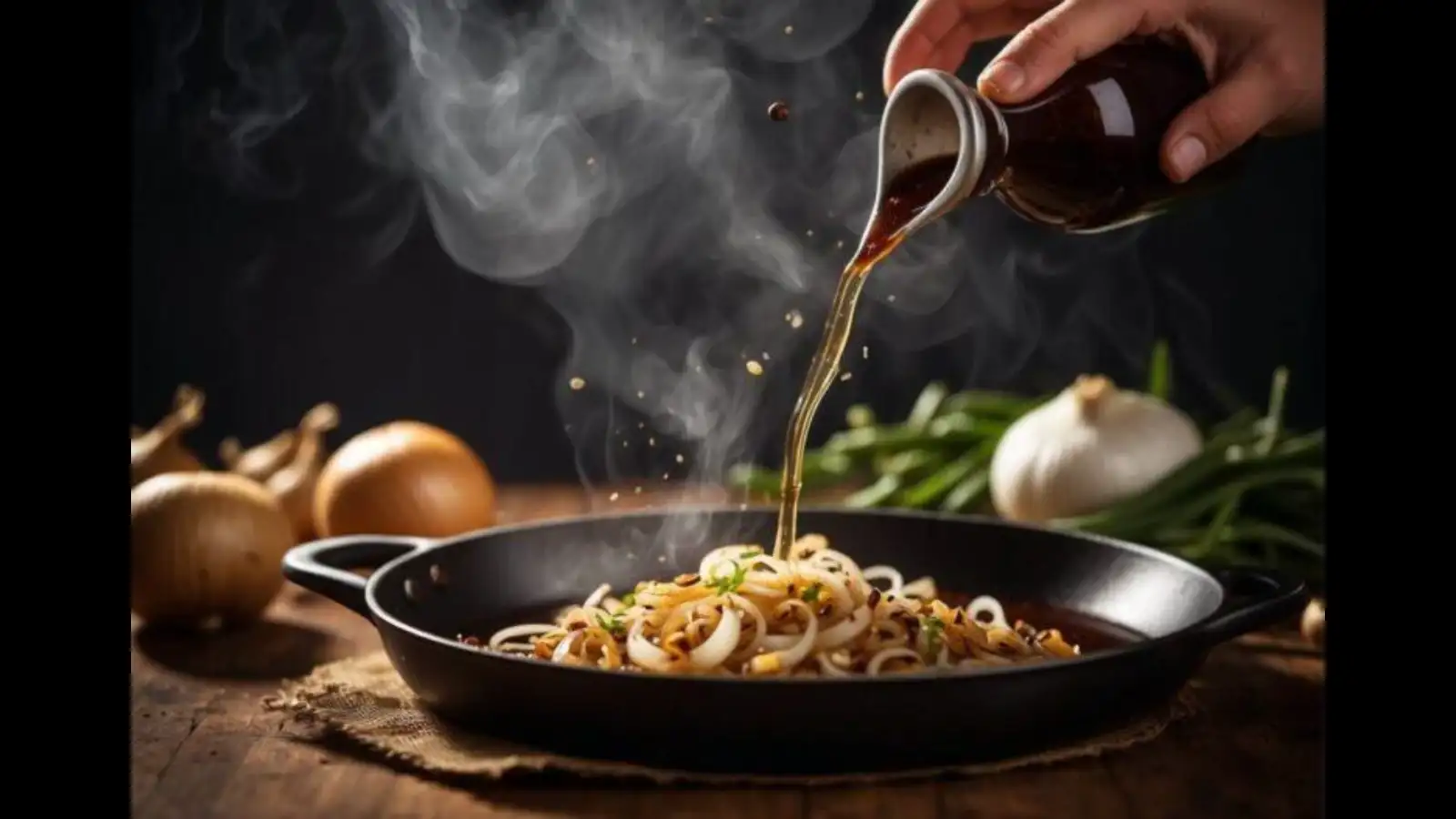
Here are some famous dishes and food creations with fascinating accidental origins. Where the history is debated, the story is presented with the appropriate caution.
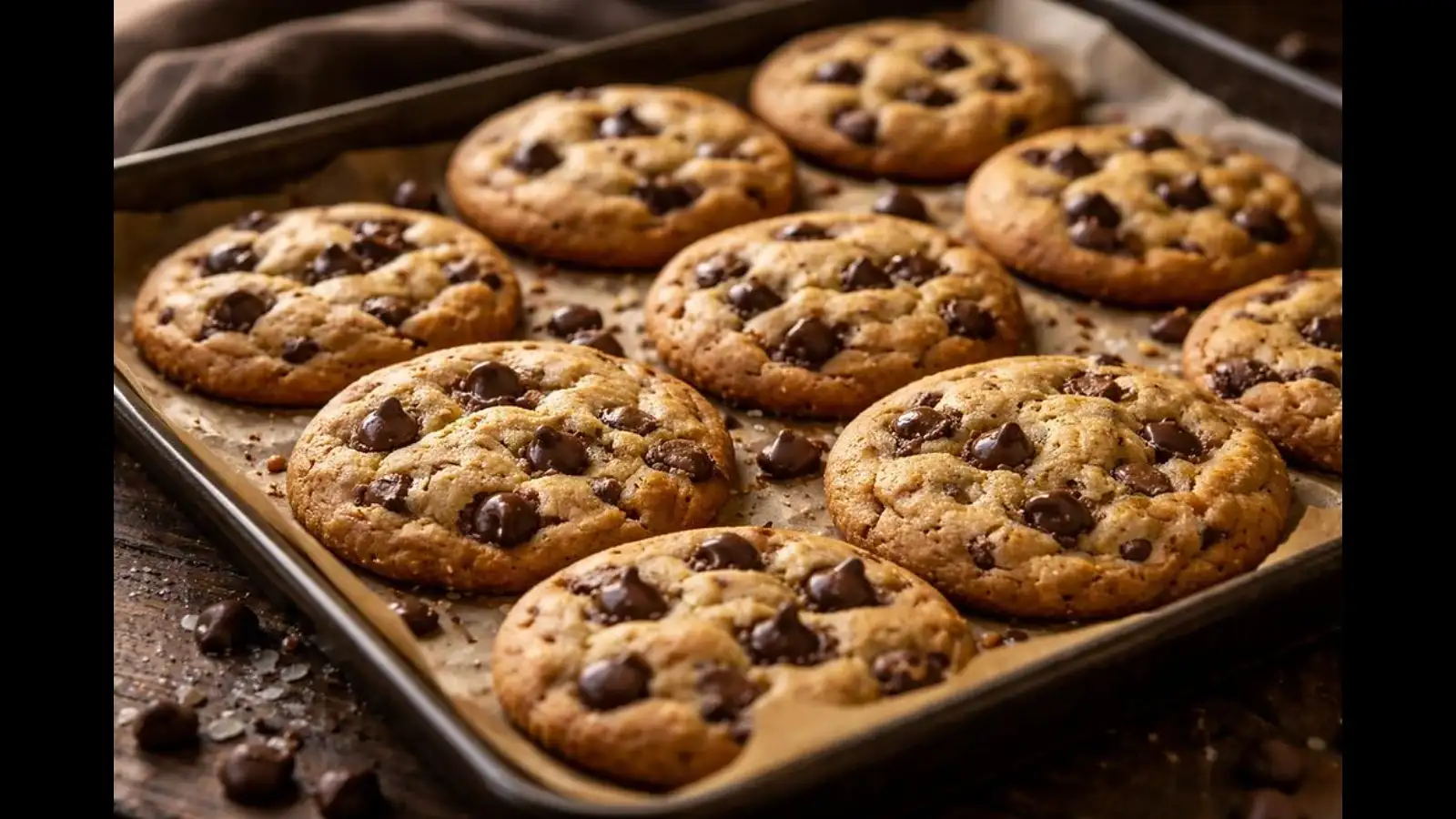 Few biscuits are as universally loved as chocolate chip cookies. Their origin is commonly linked to Ruth Graves Wakefield, who ran the Toll House Inn in Massachusetts, USA, during the 1930s.
According to the popular account, Wakefield was preparing cookies when she ran out of baker's chocolate. She used chopped pieces of semi-sweet chocolate instead, expecting them to melt into the dough.
The chocolate did not blend completely. Instead, the pieces remained visible in the baked cookies, creating the combination of crisp edges, soft dough and chocolate chunks that became so popular.
The story is widely associated with Wakefield, although chocolate had already appeared in other types of cookies before her recipe became famous.
The delicious result: A baking substitution helped popularise one of the world's favourite cookies.
 The Popsicle has a story that began with a child and a forgotten drink.
In 1905, 11-year-old Frank Epperson reportedly left a mixture of soda powder and water outdoors overnight, with a stirring stick inside. The cold weather froze the drink around the stick.
The next morning, he discovered that the frozen mixture could be held and eaten like a lollipop.
Years later, Epperson developed the idea commercially. He initially called the treat the “Epsicle”, a name that was later changed to Popsicle. He applied for a patent in 1923.
The delicious result: A forgotten drink became a refreshing frozen treat enjoyed in countless flavours.
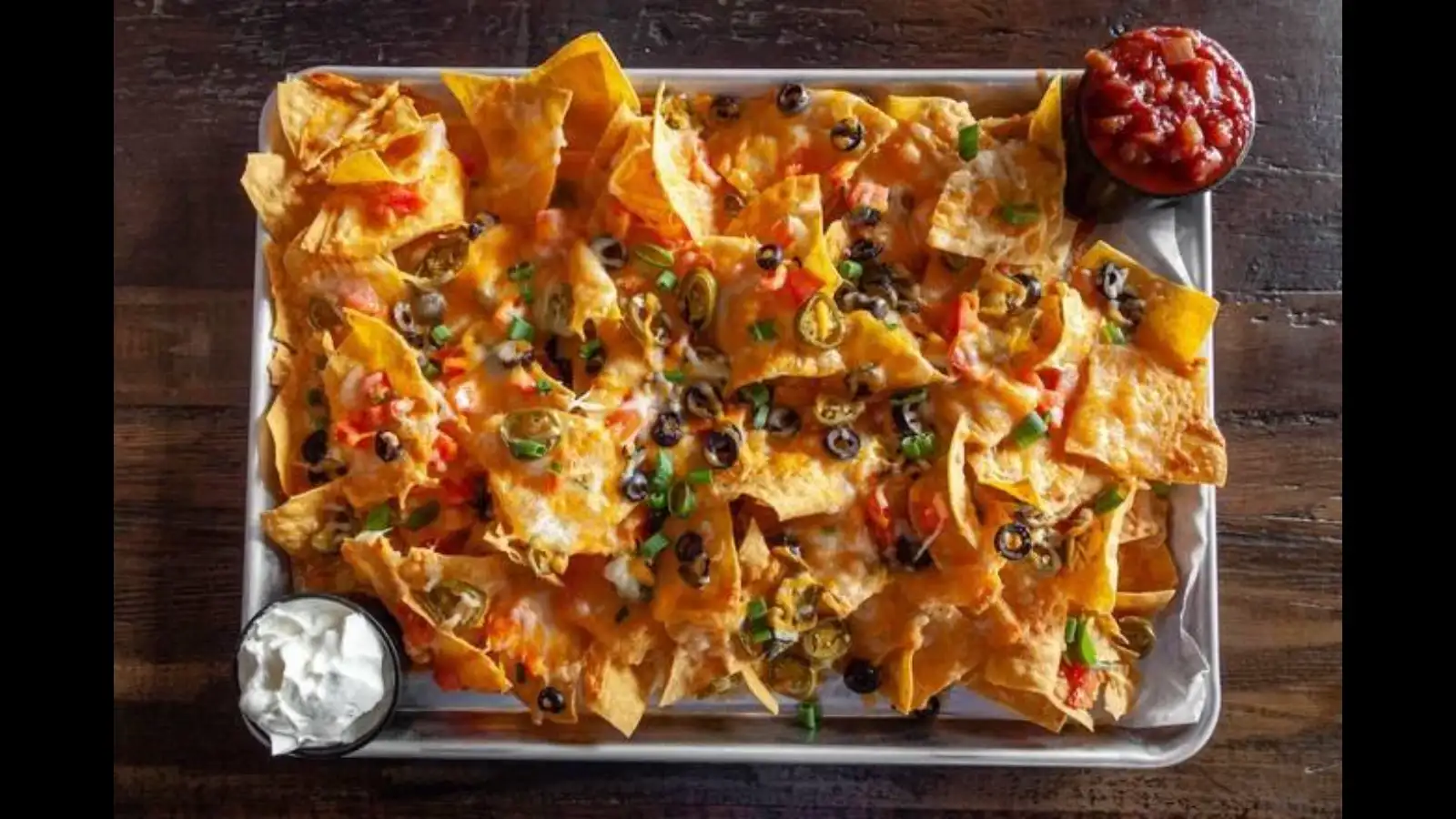 Sometimes, a shortage of time can inspire a dish that becomes a favourite around the world. Nachos are commonly associated with one such kitchen improvisation.
The story dates to 1943 in Piedras Negras, Mexico. Ignacio Anaya, a restaurant worker known as “Nacho”, reportedly prepared a quick snack for unexpected customers when the cook was unavailable.
He used tortilla chips, melted cheese and sliced jalapeños. The simple combination proved popular, and the dish became known as “Nacho's Especiales”, later shortened to nachos.
The precise details of the original preparation and how the dish spread are not fully documented, but Anaya is widely credited with its creation.
The delicious result: A quick snack made from readily available ingredients became a globally recognised appetiser.
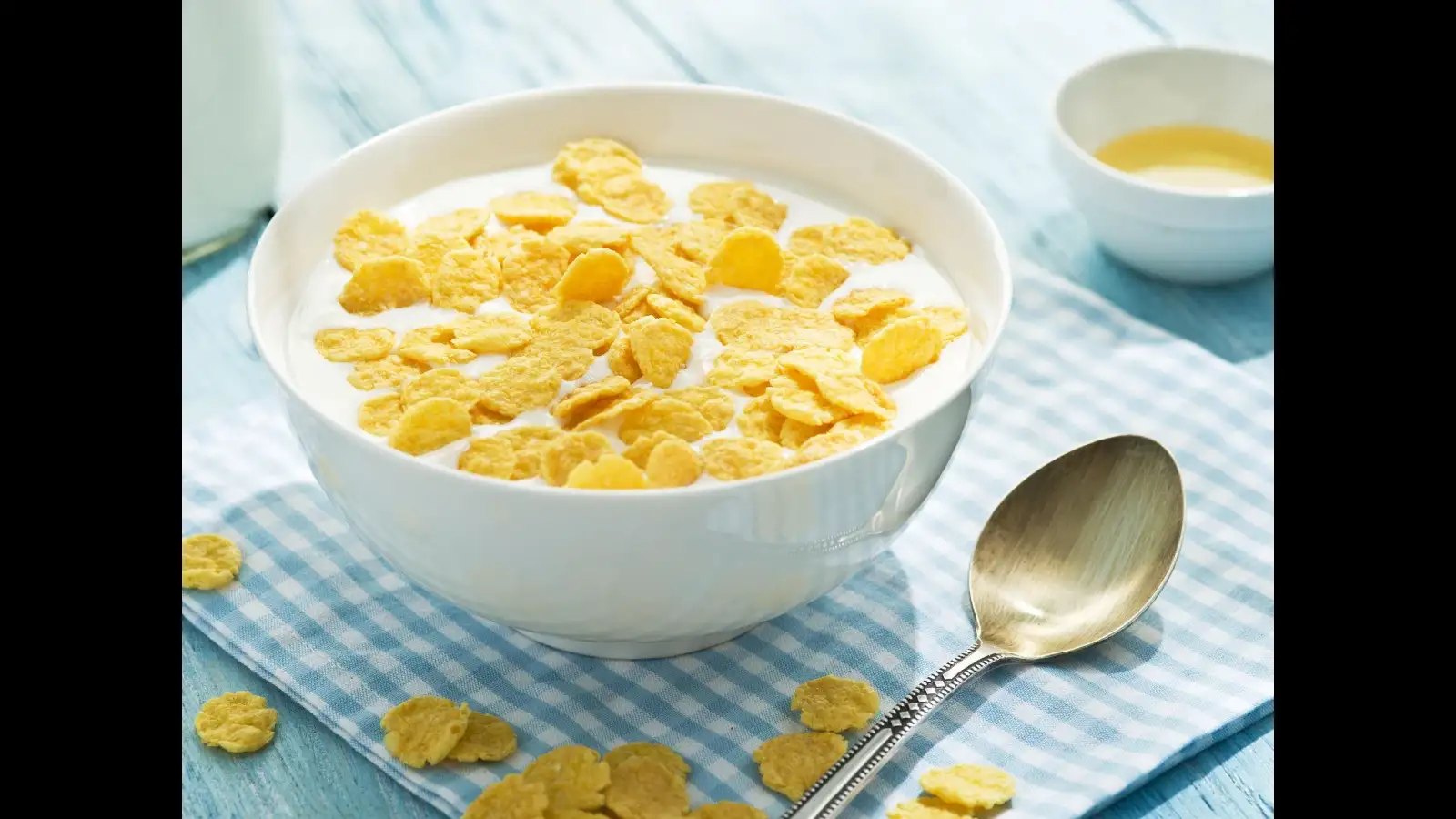 The breakfast cereal Corn flakes is linked to experiments at the Battle Creek Sanitarium in Michigan, USA, during the late 19th century.
Brothers John Harvey Kellogg and Will Keith Kellogg were experimenting with cooked grains as part of their work at the sanitarium. During one experiment, cooked wheat was left sitting for longer than intended.
When the grain was rolled out, it produced thin flakes rather than the expected sheet of dough. The brothers later experimented with corn, leading to the development of cornflakes.
The Kellogg brothers' work helped establish the cereal, although the exact sequence of experiments is sometimes simplified in popular accounts.
The delicious result: An unexpected texture helped inspire a breakfast staple.
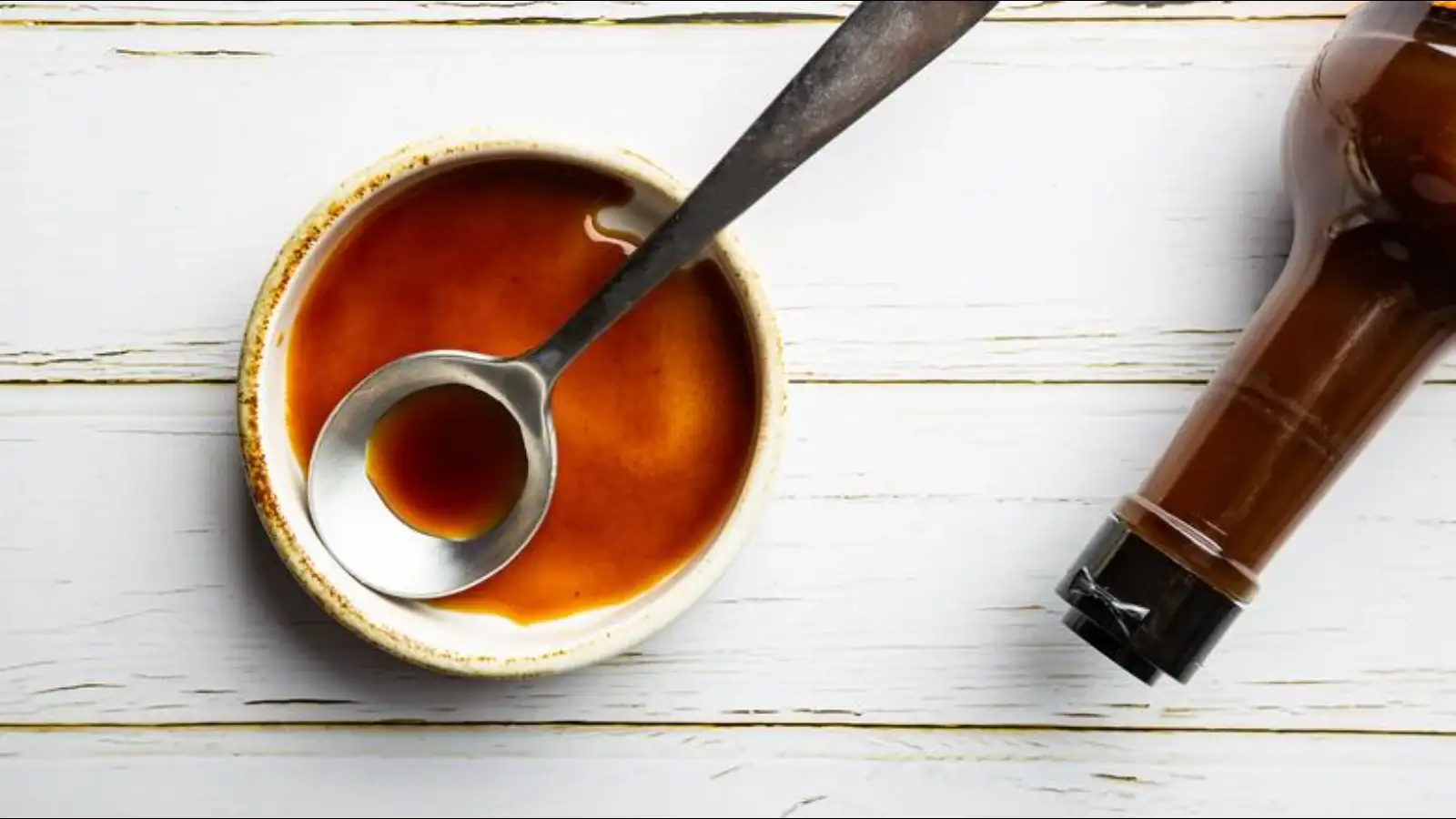 The dark, tangy condiment Worcestershire sauce has a history involving an unsuccessful recipe and an unexpected change in flavour.
In the 19th century, chemists John Lea and William Perrins in Worcester, England, were asked to recreate a sauce inspired by Indian flavours. The resulting mixture was reportedly unpleasant when first prepared.
The sauce was stored away rather than immediately sold. Over time, fermentation and maturation changed its flavour. When the mixture was later tasted, it had developed a more appealing taste.
Lea and Perrins eventually began selling the sauce commercially. The story of its initial failure and later transformation is widely repeated, although some details of its early recipe remain uncertain.
The delicious result: A failed sauce experiment became a popular condiment used in cooking and seasoning.
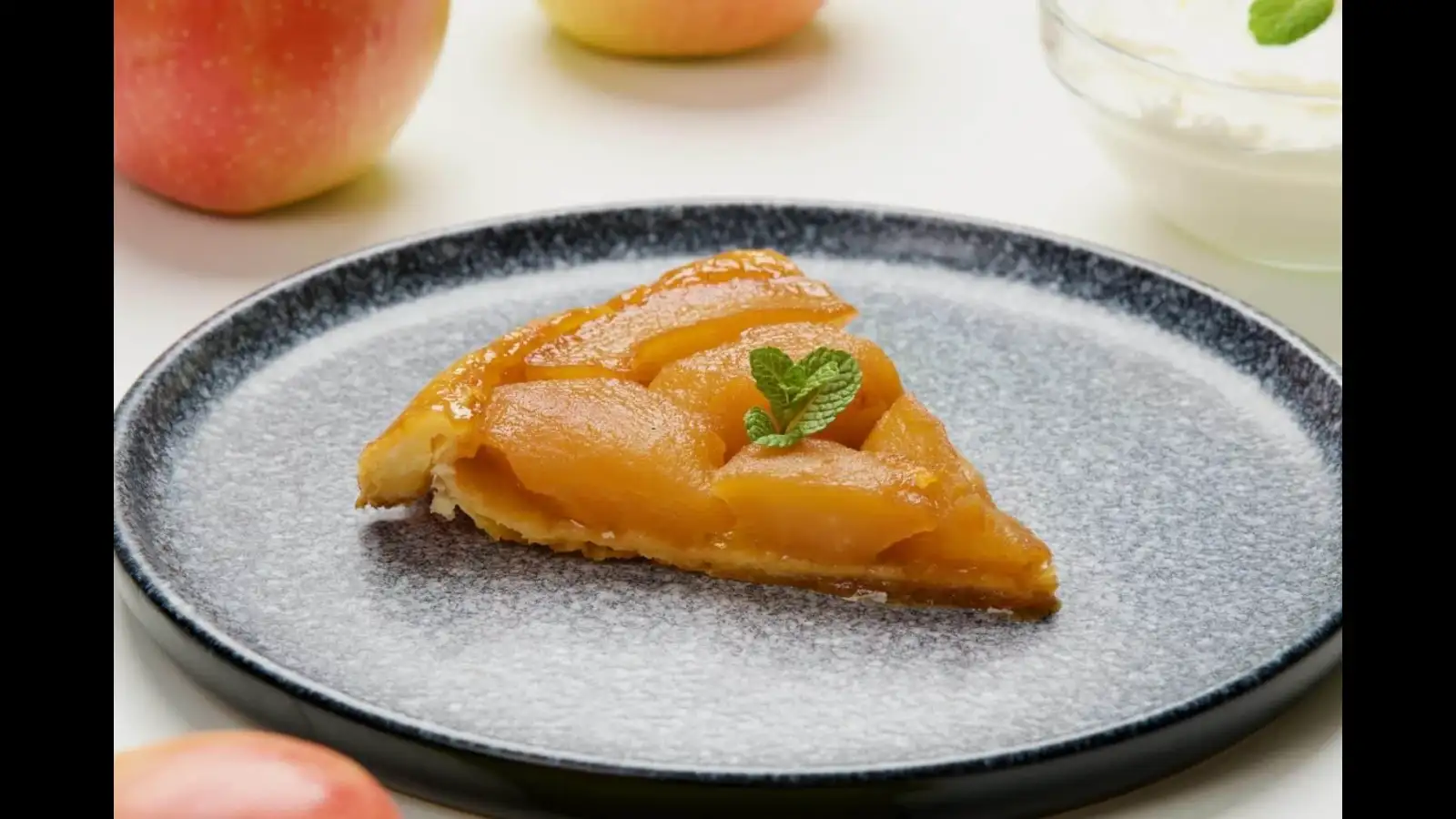 The French dessert Tarte Tatin is famous for its caramelised apples and pastry. Its creation is often linked to the Tatin sisters, who ran a hotel in Lamotte-Beuvron, France.
A popular story says that one of the sisters accidentally cooked apples in butter and sugar for too long while preparing an apple tart. To save the dessert, she placed pastry over the apples and baked it.
The tart was then turned upside down before serving, revealing the caramelised fruit on top.
The exact details of the dessert's origin are debated, and historians have questioned the idea that it was created through one single accident. Nevertheless, the Tatin sisters are strongly associated with the dish's popular history.
The delicious result: A dessert served upside down became a celebrated French classic.
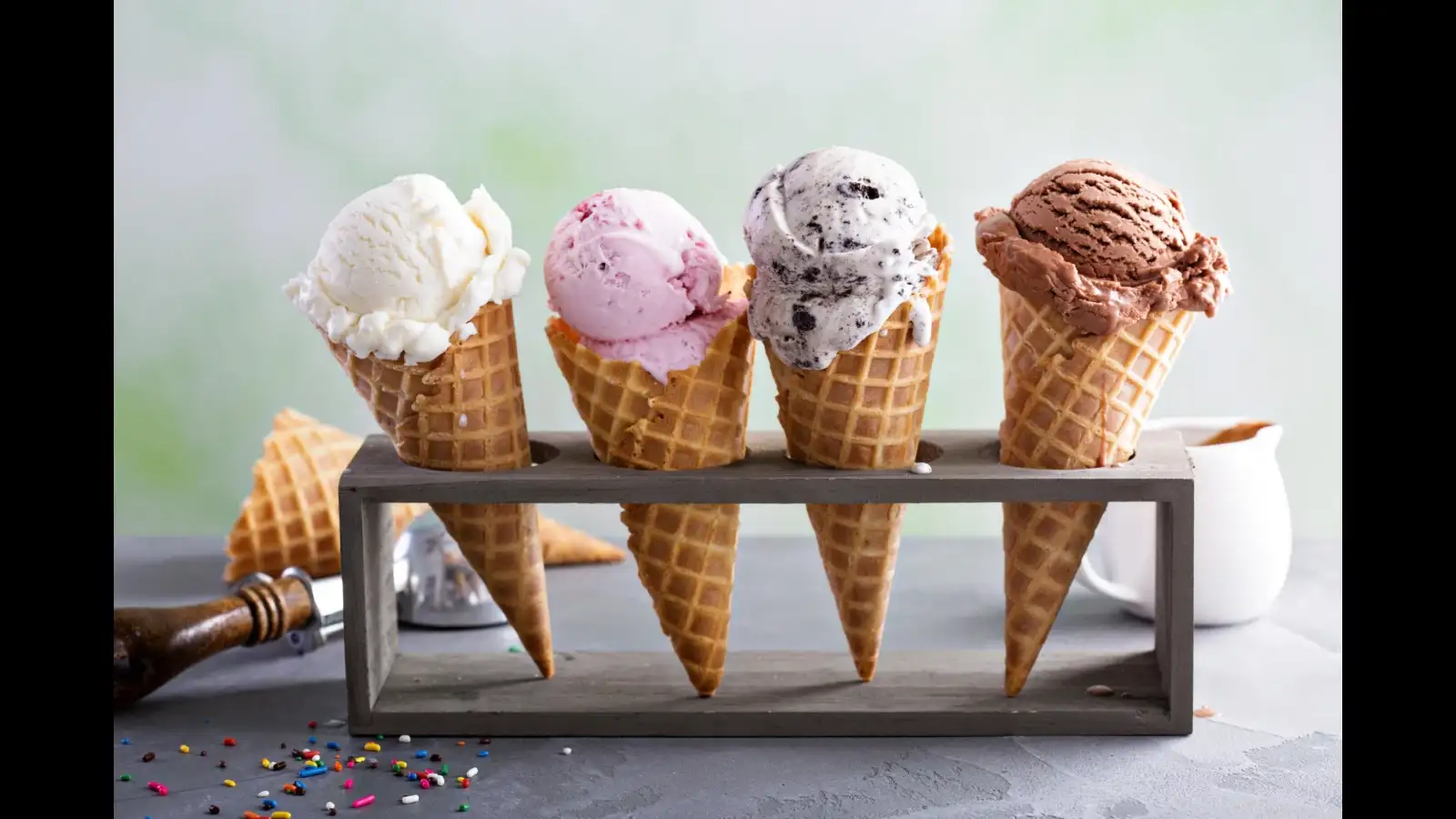 The ice cream cone is another food creation often connected with a busy event and a shortage of serving dishes.
At the 1904 World's Fair in St Louis, Missouri, a popular story says that an ice cream seller ran out of bowls. A nearby waffle vendor rolled a thin waffle into a cone shape, creating a holder for the ice cream.
The idea made it easier for visitors to enjoy ice cream while walking around the fair.
However, the story should be treated cautiously. Historical evidence suggests that edible cones and similar wafer containers existed before 1904. The fair helped popularise the cone, but it may not have been the place where it was first invented.
The delicious result: A practical serving idea helped shape the way ice cream is enjoyed today.
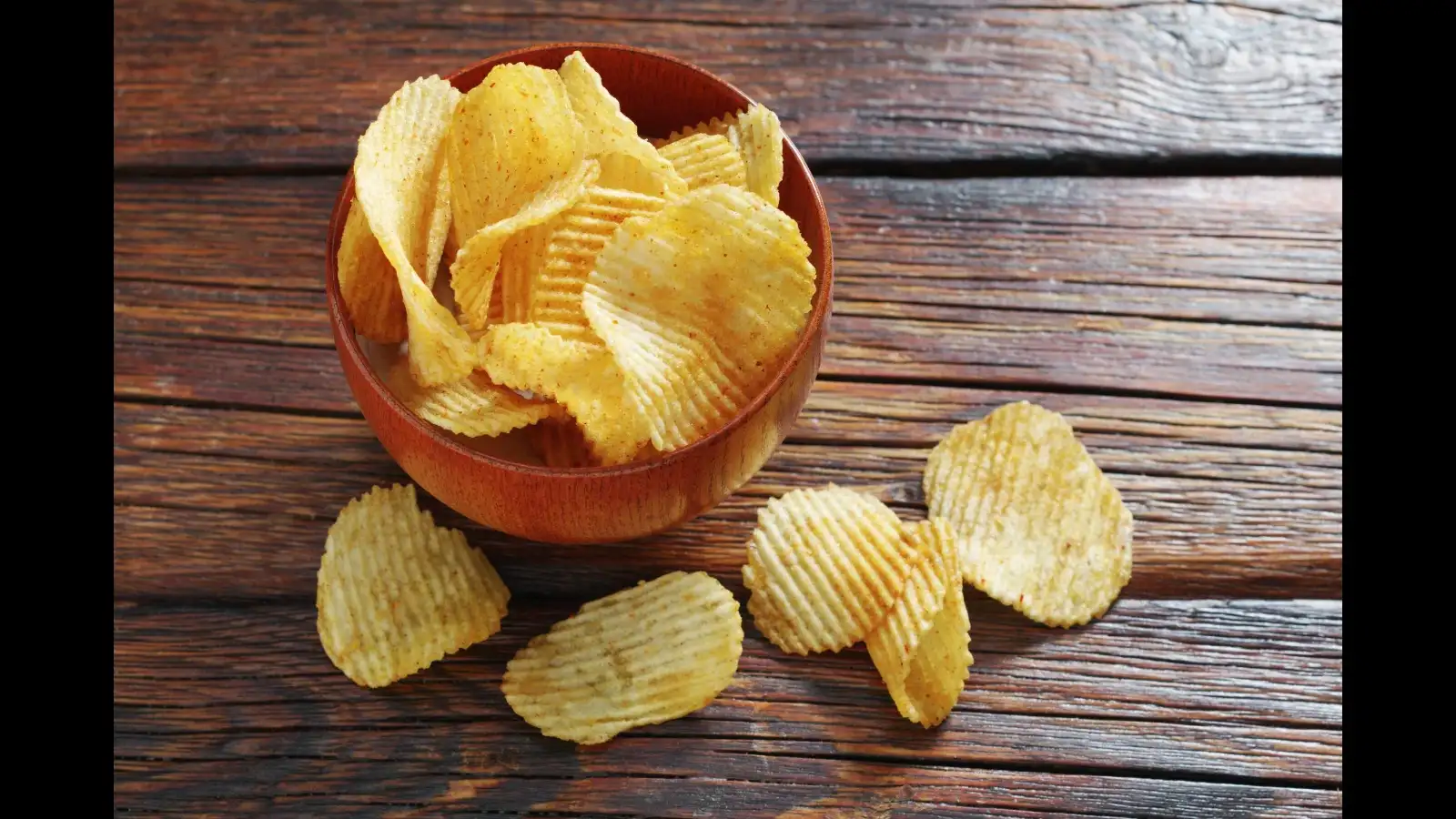 The story of Potato chips is one of the most famous accidental food invention tales. It is also one of the stories that needs the most careful wording.
According to a popular legend, chef George Crum, who worked at Moon's Lake House in Saratoga Springs, New York, prepared extremely thin fried potatoes after a customer complained that the usual fried potatoes were too thick.
The thin slices were fried until crisp and served with seasoning. They reportedly became a hit, eventually being known as Saratoga Chips.
However, historical research has found evidence of thin fried potato recipes published before the 1850s. The Smithsonian's Lemelson Center describes the George Crum story as a legend, rather than a firmly established first invention.
The delicious result: Whether or not Crum invented the first potato chip, his story remains an important part of the snack's history.
Disclaimer: This article is for information purposes only and is based on information available online. NewsPoint does not independently verify or claim the accuracy of the information provided.
Here are some famous dishes and food creations with fascinating accidental origins. Where the history is debated, the story is presented with the appropriate caution.
1. Chocolate Chip Cookies: A Sweet Kitchen Surprise
According to the popular account, Wakefield was preparing cookies when she ran out of baker's chocolate. She used chopped pieces of semi-sweet chocolate instead, expecting them to melt into the dough.
The chocolate did not blend completely. Instead, the pieces remained visible in the baked cookies, creating the combination of crisp edges, soft dough and chocolate chunks that became so popular.
The story is widely associated with Wakefield, although chocolate had already appeared in other types of cookies before her recipe became famous.
The delicious result: A baking substitution helped popularise one of the world's favourite cookies.
2. Popsicles: A Frozen Mistake
In 1905, 11-year-old Frank Epperson reportedly left a mixture of soda powder and water outdoors overnight, with a stirring stick inside. The cold weather froze the drink around the stick.
The next morning, he discovered that the frozen mixture could be held and eaten like a lollipop.
Years later, Epperson developed the idea commercially. He initially called the treat the “Epsicle”, a name that was later changed to Popsicle. He applied for a patent in 1923.
The delicious result: A forgotten drink became a refreshing frozen treat enjoyed in countless flavours.
3. Nachos: A Quick Snack for Unexpected Guests
The story dates to 1943 in Piedras Negras, Mexico. Ignacio Anaya, a restaurant worker known as “Nacho”, reportedly prepared a quick snack for unexpected customers when the cook was unavailable.
He used tortilla chips, melted cheese and sliced jalapeños. The simple combination proved popular, and the dish became known as “Nacho's Especiales”, later shortened to nachos.
The precise details of the original preparation and how the dish spread are not fully documented, but Anaya is widely credited with its creation.
The delicious result: A quick snack made from readily available ingredients became a globally recognised appetiser.
4. Cornflakes: From an Unplanned Flaking Experiment
Brothers John Harvey Kellogg and Will Keith Kellogg were experimenting with cooked grains as part of their work at the sanitarium. During one experiment, cooked wheat was left sitting for longer than intended.
When the grain was rolled out, it produced thin flakes rather than the expected sheet of dough. The brothers later experimented with corn, leading to the development of cornflakes.
The Kellogg brothers' work helped establish the cereal, although the exact sequence of experiments is sometimes simplified in popular accounts.
The delicious result: An unexpected texture helped inspire a breakfast staple.
5. Worcestershire Sauce: A Recipe That Needed Tim
In the 19th century, chemists John Lea and William Perrins in Worcester, England, were asked to recreate a sauce inspired by Indian flavours. The resulting mixture was reportedly unpleasant when first prepared.
The sauce was stored away rather than immediately sold. Over time, fermentation and maturation changed its flavour. When the mixture was later tasted, it had developed a more appealing taste.
Lea and Perrins eventually began selling the sauce commercially. The story of its initial failure and later transformation is widely repeated, although some details of its early recipe remain uncertain.
The delicious result: A failed sauce experiment became a popular condiment used in cooking and seasoning.
6. Tarte Tatin: An Upside-Down Apple Dessert
A popular story says that one of the sisters accidentally cooked apples in butter and sugar for too long while preparing an apple tart. To save the dessert, she placed pastry over the apples and baked it.
The tart was then turned upside down before serving, revealing the caramelised fruit on top.
The exact details of the dessert's origin are debated, and historians have questioned the idea that it was created through one single accident. Nevertheless, the Tatin sisters are strongly associated with the dish's popular history.
The delicious result: A dessert served upside down became a celebrated French classic.
7. Ice Cream Cones: A Clever Solution at a Busy Fair
At the 1904 World's Fair in St Louis, Missouri, a popular story says that an ice cream seller ran out of bowls. A nearby waffle vendor rolled a thin waffle into a cone shape, creating a holder for the ice cream.
The idea made it easier for visitors to enjoy ice cream while walking around the fair.
However, the story should be treated cautiously. Historical evidence suggests that edible cones and similar wafer containers existed before 1904. The fair helped popularise the cone, but it may not have been the place where it was first invented.
The delicious result: A practical serving idea helped shape the way ice cream is enjoyed today.
8. Potato Chips: The Famous Story With a Twist
According to a popular legend, chef George Crum, who worked at Moon's Lake House in Saratoga Springs, New York, prepared extremely thin fried potatoes after a customer complained that the usual fried potatoes were too thick.
You may also like
- 39 wives, 94 children and a four-storey mansion: The story of Ziona Chana, the Mizoram man who once headed the 'world's biggest family'
- EPFO will now provide updates to account holders via a WhatsApp channel; learn the easy way to join..
- This gang has already circulated counterfeit ₹10 and ₹20 coins worth ₹70 crore; here is how to spot fake coins in two minutes..
- Meet Aaryan Shukla, the 16-year-old from Nashik who became the world's number one human calculator with 9 Guinness World Records; His father says, " We are not a family of mental calculators..."
- Deadline of September 25 for driving license holders! Complete this task online before your license gets suspended..
The thin slices were fried until crisp and served with seasoning. They reportedly became a hit, eventually being known as Saratoga Chips.
However, historical research has found evidence of thin fried potato recipes published before the 1850s. The Smithsonian's Lemelson Center describes the George Crum story as a legend, rather than a firmly established first invention.
The delicious result: Whether or not Crum invented the first potato chip, his story remains an important part of the snack's history.
What These Accidental Food Creations Teach Us
These dishes show that cooking is not always about following a recipe perfectly. Sometimes, an unexpected change produces a result that people enjoy.- A substitute ingredient can create a new favourite, as in the chocolate chip cookie story.
- A forgotten mixture can lead to a frozen treat, as with the Popsicle.
- A quick solution can turn into a signature dish, as with nachos.
- A cooking mistake can inspire a new presentation, as in the story of tarte Tatin.
Disclaimer: This article is for information purposes only and is based on information available online. NewsPoint does not independently verify or claim the accuracy of the information provided.






Loving Newspoint? Download the app now
