
Foods To Avoid For Hyperactive Children: What Parents Should Know About Sugar, Additives And Eating Habits

Parents often wonder whether a child’s diet could be linked to restlessness, impulsive behaviour or difficulty concentrating. Foods such as sweets, fizzy drinks and brightly coloured snacks are commonly blamed, but the connection between food and hyperactivity is not straightforward. Sugar, for example, has not been shown to be a universal cause of hyperactivity. However, a child’s overall eating pattern can still affect energy levels, appetite and general wellbeing. According to experts, focusing on balanced meals and noticing individual responses is more useful than removing large groups of foods without a clear reason.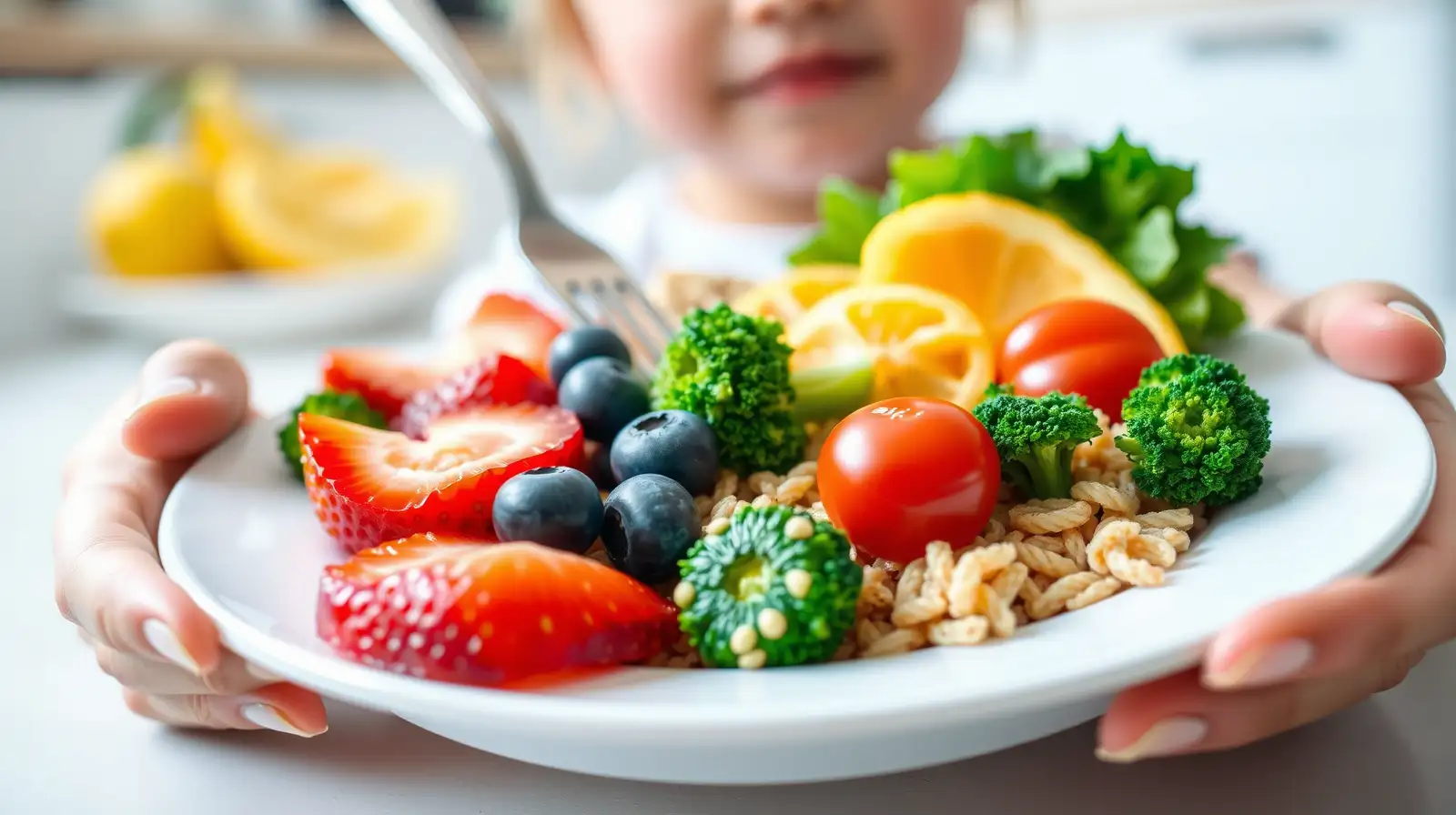
Parents can replace some of these choices with fresh fruit, plain yoghurt, homemade snacks or other foods with greater nutritional value. Water and milk can also be preferable to heavily sweetened drinks.
These additives can be found in brightly coloured sweets, drinks, desserts, cereals and packaged snacks. Checking ingredient labels can help parents identify them when trying to understand whether a particular food appears to coincide with changes in behaviour.
For a balanced hyperactive children diet , parents can include vegetables, fruits, whole grains, pulses, eggs, dairy products and other sources of protein as appropriate for the child's age and dietary needs.
If parents notice a repeated pattern between a particular food and changes in behaviour, keeping a simple food and behaviour diary may help. A doctor or qualified dietitian can then advise whether a specific dietary change is appropriate.
A healthy diet for children should provide enough energy, protein, vitamins and minerals for growth and development. Rather than focusing only on foods to avoid, parents should aim for regular, varied and nutritious meals while observing any consistent individual reactions.
Sugary Foods And Drinks
Sweets, chocolates, cakes, biscuits, sugary cereals and fizzy drinks can contain substantial amounts of added sugar. Although sugar does not automatically cause hyperactivity, regularly consuming too many sugary foods can make it harder to maintain a balanced diet.Parents can replace some of these choices with fresh fruit, plain yoghurt, homemade snacks or other foods with greater nutritional value. Water and milk can also be preferable to heavily sweetened drinks.
Foods With Artificial Colours
Artificial food colours are another area parents may want to watch. Some children may show behavioural changes after consuming products containing particular food colours, although this does not happen to every child.These additives can be found in brightly coloured sweets, drinks, desserts, cereals and packaged snacks. Checking ingredient labels can help parents identify them when trying to understand whether a particular food appears to coincide with changes in behaviour.
You may also like
- Meet Shankar Baba Papalkar, whose name appears as the father's name on the Aadhaar cards of 123 children
- Pay-slips to change for those earning between ₹15,000 and ₹25,000; find out how your take-home salary will be affected
- Traveling home for Chhath and Diwali just got easier! Railways to run 13 pairs of special trains; check the full list.
- Big news for millions of LPG customers: This gas cylinder rule changes from October 1
- He scored just 52% in Class 10, failed IIT entrance exam 3 times and missed IIM: How Rahul Sinha went on to become an SDM in Bihar at 34
Highly Processed Snacks
Packaged snacks such as crisps, confectionery, sugary biscuits and heavily processed convenience foods may contain combinations of added sugar, salt and various additives. Eating these foods frequently can also displace more nutritious choices.For a balanced hyperactive children diet , parents can include vegetables, fruits, whole grains, pulses, eggs, dairy products and other sources of protein as appropriate for the child's age and dietary needs.
Avoid Unnecessary Restrictive Diets
There is no universal list of foods for ADHD children that must be completely eliminated. Children can respond differently to foods, and removing several ingredients at once can make it difficult to identify what may actually be causing a reaction.If parents notice a repeated pattern between a particular food and changes in behaviour, keeping a simple food and behaviour diary may help. A doctor or qualified dietitian can then advise whether a specific dietary change is appropriate.
A healthy diet for children should provide enough energy, protein, vitamins and minerals for growth and development. Rather than focusing only on foods to avoid, parents should aim for regular, varied and nutritious meals while observing any consistent individual reactions.






Loving Newspoint? Download the app now
