
Foods You Should Refrigerate During Monsoon To Keep Them Fresh And Safe

The monsoon brings welcome relief from the heat, but the damp weather can make food storage more challenging. Higher humidity and fluctuating temperatures may allow bacteria and mould to multiply more readily in perishable foods. While refrigeration is not necessary for everything in the kitchen, several everyday foods need extra attention during the rainy season.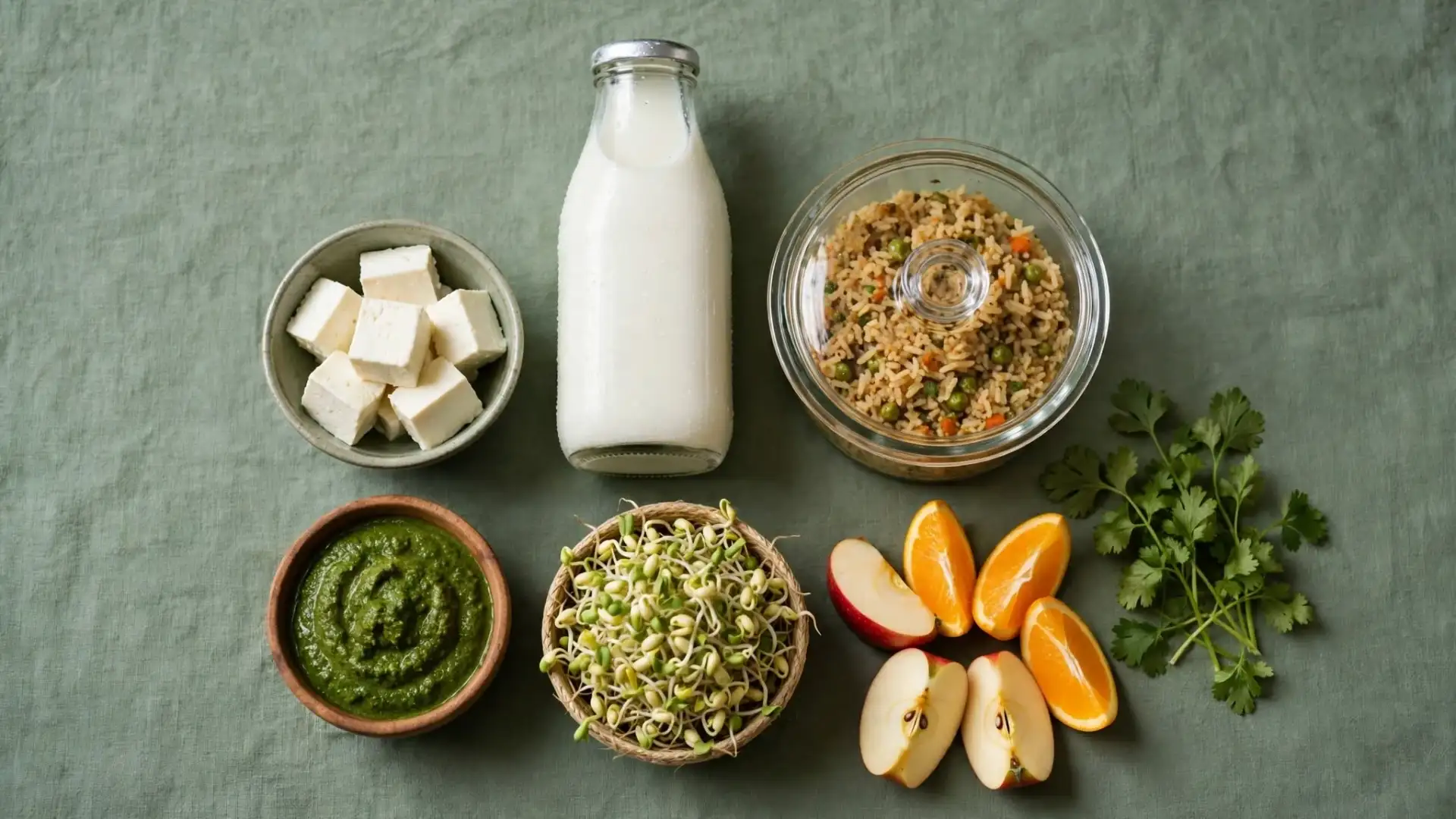
Knowing which foods to refrigerate during monsoon can help preserve freshness and support safer food handling. Prompt refrigeration, clean containers and good kitchen hygiene all play a role.
Food-safety guidance generally recommends refrigerating perishable cooked food within two hours. If the surrounding temperature is above 32°C, the recommended limit drops to one hour.
Before eating leftovers, reheat them thoroughly. If food develops an unusual smell, texture, appearance or signs of mould, it is safer to throw it away.
Keep opened dairy products in clean, covered containers and return them to the fridge soon after use. These simple monsoon food safety measures can help maintain their quality for longer.
Leafy greens and other washed vegetables should also be refrigerated. According to food-storage experts, removing excess moisture before storage can help reduce premature deterioration, as trapped moisture may encourage spoilage.
Sprouts also require careful handling and should be kept refrigerated. If they develop an off smell, slimy texture or other obvious signs of spoilage, they should be discarded.
Industry experts also recommend cleaning spills promptly and checking stored food regularly. These simple rainy season food storage habits can help reduce cross-contamination, slow spoilage and keep everyday meals safer during the monsoon.
Image Courtesy: Meta AI
Knowing which foods to refrigerate during monsoon can help preserve freshness and support safer food handling. Prompt refrigeration, clean containers and good kitchen hygiene all play a role.
Cooked Food And Leftovers
Rice, dal, curries, cooked vegetables and other leftovers should not sit at room temperature for extended periods. Refrigerate them in covered, shallow containers so they cool more quickly.Food-safety guidance generally recommends refrigerating perishable cooked food within two hours. If the surrounding temperature is above 32°C, the recommended limit drops to one hour.
Before eating leftovers, reheat them thoroughly. If food develops an unusual smell, texture, appearance or signs of mould, it is safer to throw it away.
Milk, Paneer And Other Dairy Foods
Milk and dairy products such as yoghurt, paneer, cream and fresh cheese are among the foods that should remain refrigerated. Leaving them outside for too long can accelerate spoilage, particularly in warm kitchens.Keep opened dairy products in clean, covered containers and return them to the fridge soon after use. These simple monsoon food safety measures can help maintain their quality for longer.
Cut Fruits And Leafy Vegetables
Whole fruits generally keep better than cut fruit. Once fruit has been peeled or chopped, however, it becomes more vulnerable to contamination and should be stored in the refrigerator in a clean, covered container.Leafy greens and other washed vegetables should also be refrigerated. According to food-storage experts, removing excess moisture before storage can help reduce premature deterioration, as trapped moisture may encourage spoilage.
Homemade Chutneys And Sprouts
Fresh coconut, coriander and mint chutneys are highly perishable and are best refrigerated soon after preparation. Use clean, dry utensils when serving them and avoid repeatedly leaving the container outside.Sprouts also require careful handling and should be kept refrigerated. If they develop an off smell, slimy texture or other obvious signs of spoilage, they should be discarded.
Keep Your Refrigerator Clean
Refrigeration alone does not guarantee safe storage. Keep the refrigerator at 4°C or below, avoid overcrowding it and separate raw foods from ready-to-eat items.Industry experts also recommend cleaning spills promptly and checking stored food regularly. These simple rainy season food storage habits can help reduce cross-contamination, slow spoilage and keep everyday meals safer during the monsoon.
Image Courtesy: Meta AI
Next Story