
Forgotten Indian Breakfasts That Deserve a Comeback in Modern Kitchens

Indian breakfast was never just about toast, cereal or packaged snacks. In different regions, mornings once began with fermented rice, millet flatbreads, lentil preparations, steamed cakes and leftover grains transformed into something delicious. Many of these dishes were designed around practicality. They used ingredients already available in the household, provided energy for a day's work and often made clever use of leftovers. Some have survived in particular regions, while others have almost disappeared from everyday urban kitchens. Their revival is not simply about nostalgia. These foods can reveal a more seasonal, economical and diverse idea of what breakfast can be.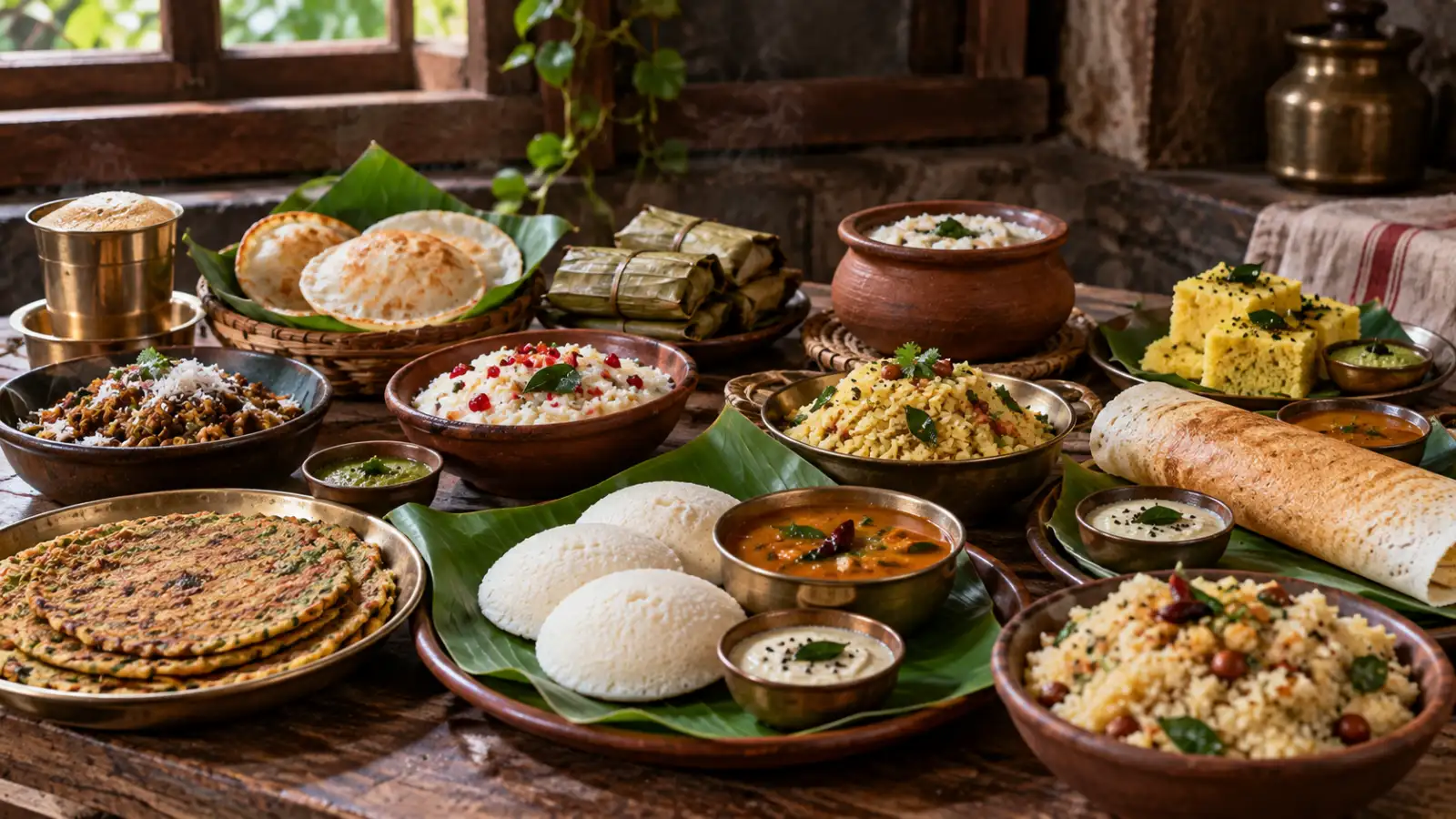
In Maharashtra, thalipeeth brought together grains and pulses into a filling savoury flatbread. In parts of eastern India, rice-based breakfasts could be light, fermented or paired with vegetables and fish. In South India, fermented batters transformed rice and pulses into idli, dosa and related dishes.
These meals were usually substantial because breakfast was expected to support physical work rather than simply fill a short gap before lunch.
Cooked rice could be fermented overnight and eaten the following morning. In eastern India, variations of fermented or soaked rice dishes became part of local food culture. Instead of seeing yesterday's rice as something to throw away, households could transform it into a completely different breakfast.
This approach also reduced the need for elaborate morning cooking.
The familiar idli and dosa are examples of cereal and pulse fermentation. Modern research continues to study India's large variety of fermented foods and their microbial diversity.
Fermentation also reflects an important historical principle: food preservation and food preparation were often the same process.
Traditional breakfasts offer another model. They can use millets, pulses, rice, vegetables and locally available ingredients, often without complicated equipment.
The recent interest in millets has also encouraged people to reconsider older grain-based foods that had been pushed aside by more standardised diets.
A family could try thalipeeth at the weekend, experiment with fermented rice preparations or replace an occasional packaged breakfast with a regional dish.
The bigger point is that India's breakfast history is far richer than the modern breakfast table suggests. Rediscovering these foods means recovering a piece of culinary knowledge that was shaped by climate, agriculture, thrift and everyday life.
Breakfast Was Closely Linked to Local Agriculture
Traditional Indian breakfasts often reflected what farmers grew nearby.In Maharashtra, thalipeeth brought together grains and pulses into a filling savoury flatbread. In parts of eastern India, rice-based breakfasts could be light, fermented or paired with vegetables and fish. In South India, fermented batters transformed rice and pulses into idli, dosa and related dishes.
These meals were usually substantial because breakfast was expected to support physical work rather than simply fill a short gap before lunch.
Leftovers Were Often Turned Into Something New
One of the cleverest features of traditional Indian cooking was its ability to avoid waste.Cooked rice could be fermented overnight and eaten the following morning. In eastern India, variations of fermented or soaked rice dishes became part of local food culture. Instead of seeing yesterday's rice as something to throw away, households could transform it into a completely different breakfast.
This approach also reduced the need for elaborate morning cooking.
Fermentation Made Breakfast More Interesting
Some traditional breakfasts depended on fermentation, which changed both flavour and texture.The familiar idli and dosa are examples of cereal and pulse fermentation. Modern research continues to study India's large variety of fermented foods and their microbial diversity.
You may also like
- Waking Up Suddenly in the Middle of the Night? Experts Warn It Could Be a Sign of Insomnia or Sleep Apnea
- Invest just ₹10,000 per month starting at age 40; understand the monthly pension you will receive through this calculation..
- Salary vs. Savings Account: What is the difference between the two, and which account offers 8 major benefits?
- Aadhaar linking with ESIC has become mandatory; failure to do so could halt free medical treatment! Learn the step-by-step process..
- Can one FASTag be used for two vehicles? Know the NHAI rule
Fermentation also reflects an important historical principle: food preservation and food preparation were often the same process.
Why These Foods Are Relevant Again
Modern breakfast culture often rewards convenience. Packaged bread, cereals and instant mixes can be prepared in minutes, but convenience does not necessarily mean variety.Traditional breakfasts offer another model. They can use millets, pulses, rice, vegetables and locally available ingredients, often without complicated equipment.
The recent interest in millets has also encouraged people to reconsider older grain-based foods that had been pushed aside by more standardised diets.
A Breakfast Revival Could Start at Home
Bringing back forgotten Indian breakfasts does not require turning every morning into a traditional feast.A family could try thalipeeth at the weekend, experiment with fermented rice preparations or replace an occasional packaged breakfast with a regional dish.
The bigger point is that India's breakfast history is far richer than the modern breakfast table suggests. Rediscovering these foods means recovering a piece of culinary knowledge that was shaped by climate, agriculture, thrift and everyday life.






Loving Newspoint? Download the app now
