
Forgotten Lighthouses of India and the Fascinating Stories Behind Them

Long before GPS became part of everyday navigation, a light on the coastline could mean the difference between a safe arrival and disaster. India's lighthouses therefore have a story that goes far beyond architecture. They were working pieces of maritime infrastructure, operated by keepers who maintained lamps, optics and machinery through storms and isolation. Some have now become tourist attractions and museums, while others remain working navigational aids. Government data shows that lighthouse tourism has expanded across the country, with museums and visitor facilities developed at several historic sites.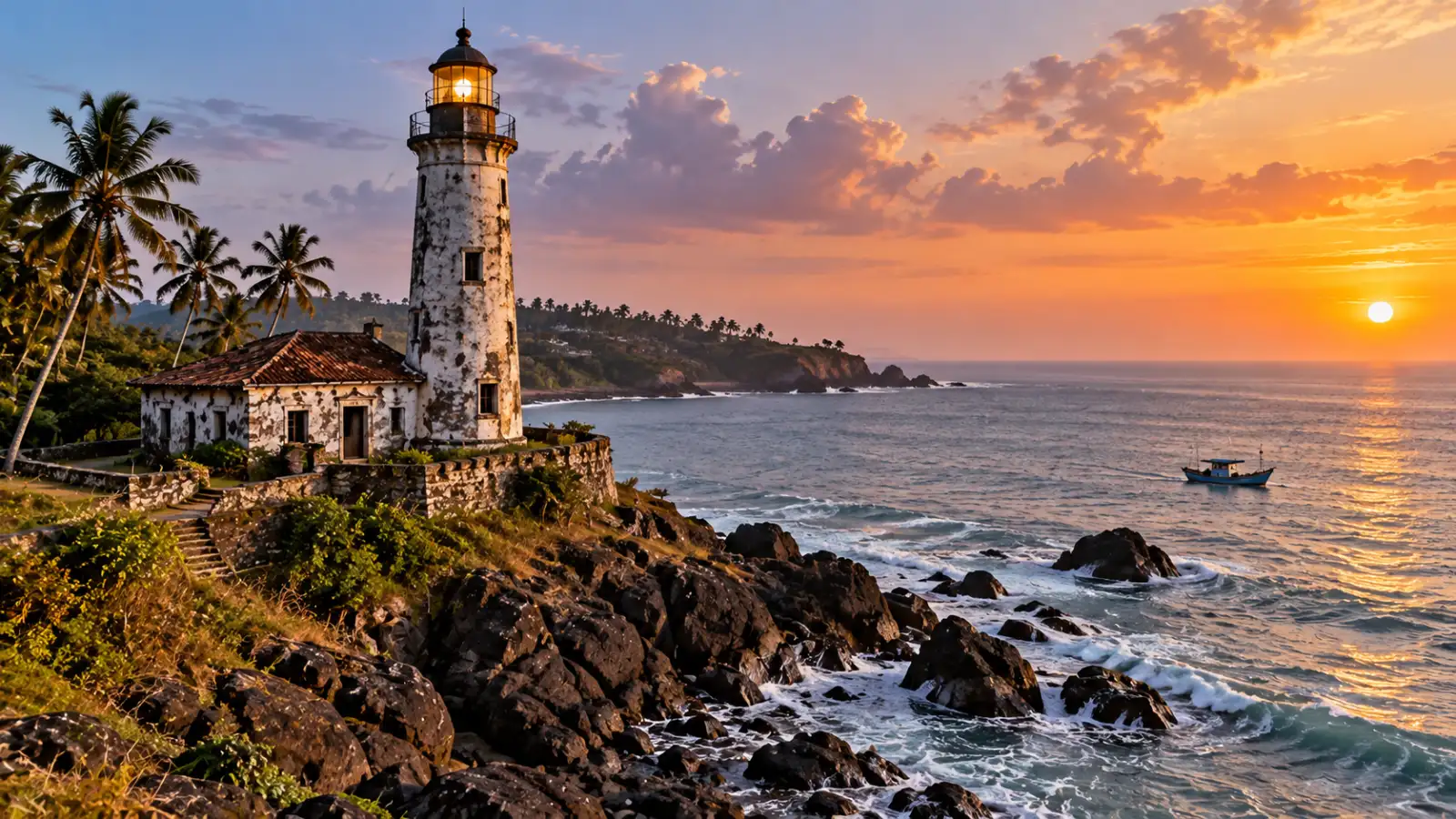
The city's first formal lighthouse began operating in 1796 from the roof of the Officer's Mess and Exchange Building at Fort St George. It used an oil lantern with large wicks.
Later structures became taller and more sophisticated as shipping increased and navigational demands changed.
The present lighthouse is therefore part of a much longer sequence of lights that once marked the approach to Madras.
The Directorate General of Lighthouses and Lightships notes that a log fire on a high rock was used as a beacon in ancient times. The first conventional lighthouse came much later, in 1887, when a wick lamp and optical system were placed on the roof of the Olakkannesvara Temple.
The present 26-metre stone tower was built around 1900 and commissioned in 1901.
Today, the lighthouse complex also includes maritime heritage facilities.
The present tower was completed in the early 1860s, and its light was commissioned on 28 March 1862. Its original system used a coconut-oil double-wick lamp and optical equipment supplied from Britain.
The lighthouse was not simply decorative. It served a port that had become important for maritime trade.
At Mahabalipuram, for example, the main light source was converted to an LED array in 2020.
Yet the basic purpose remains unchanged: helping vessels understand where they are.
They connect trade, engineering, colonial history, regional kingdoms, port cities and the lives of lighthouse keepers.
With lighthouse museums and tourism facilities now being developed at numerous locations, these old structures are gradually finding a second life.
They are reminders that before satellites watched the sea from space, people depended on a single light shining from a distant tower.
Chennai's First Lighthouse Was Surprisingly Modest
The history of Chennai's lighthouse system illustrates how technology evolved.The city's first formal lighthouse began operating in 1796 from the roof of the Officer's Mess and Exchange Building at Fort St George. It used an oil lantern with large wicks.
Later structures became taller and more sophisticated as shipping increased and navigational demands changed.
The present lighthouse is therefore part of a much longer sequence of lights that once marked the approach to Madras.
Mahabalipuram Used Fire Before Modern Lighthouses
Mahabalipuram has an even older maritime story.The Directorate General of Lighthouses and Lightships notes that a log fire on a high rock was used as a beacon in ancient times. The first conventional lighthouse came much later, in 1887, when a wick lamp and optical system were placed on the roof of the Olakkannesvara Temple.
The present 26-metre stone tower was built around 1900 and commissioned in 1901.
Today, the lighthouse complex also includes maritime heritage facilities.
You may also like
- Waking Up Suddenly in the Middle of the Night? Experts Warn It Could Be a Sign of Insomnia or Sleep Apnea
- Invest just ₹10,000 per month starting at age 40; understand the monthly pension you will receive through this calculation..
- Salary vs. Savings Account: What is the difference between the two, and which account offers 8 major benefits?
- Aadhaar linking with ESIC has become mandatory; failure to do so could halt free medical treatment! Learn the step-by-step process..
- Can one FASTag be used for two vehicles? Know the NHAI rule
Alappuzha's Lighthouse Tells Another Story
The Alappuzha lighthouse emerged from the needs of a busy port in Travancore.The present tower was completed in the early 1860s, and its light was commissioned on 28 March 1862. Its original system used a coconut-oil double-wick lamp and optical equipment supplied from Britain.
The lighthouse was not simply decorative. It served a port that had become important for maritime trade.
The Technology Has Changed Completely
Lighthouse technology has moved from oil flames to sophisticated electric and LED systems.At Mahabalipuram, for example, the main light source was converted to an LED array in 2020.
Yet the basic purpose remains unchanged: helping vessels understand where they are.
Why These Buildings Deserve Attention
Lighthouses preserve a piece of India's maritime history that is easy to overlook.They connect trade, engineering, colonial history, regional kingdoms, port cities and the lives of lighthouse keepers.
With lighthouse museums and tourism facilities now being developed at numerous locations, these old structures are gradually finding a second life.
They are reminders that before satellites watched the sea from space, people depended on a single light shining from a distant tower.






Loving Newspoint? Download the app now
