
India’s Lesser-Known Rice Dishes That Deserve More Attention

Rice is one of the most important staples in Indian cuisine, but its role goes far beyond everyday dal and rice. Across the country, different communities have developed unique rice dishes using local ingredients, traditional cooking methods and seasonal produce.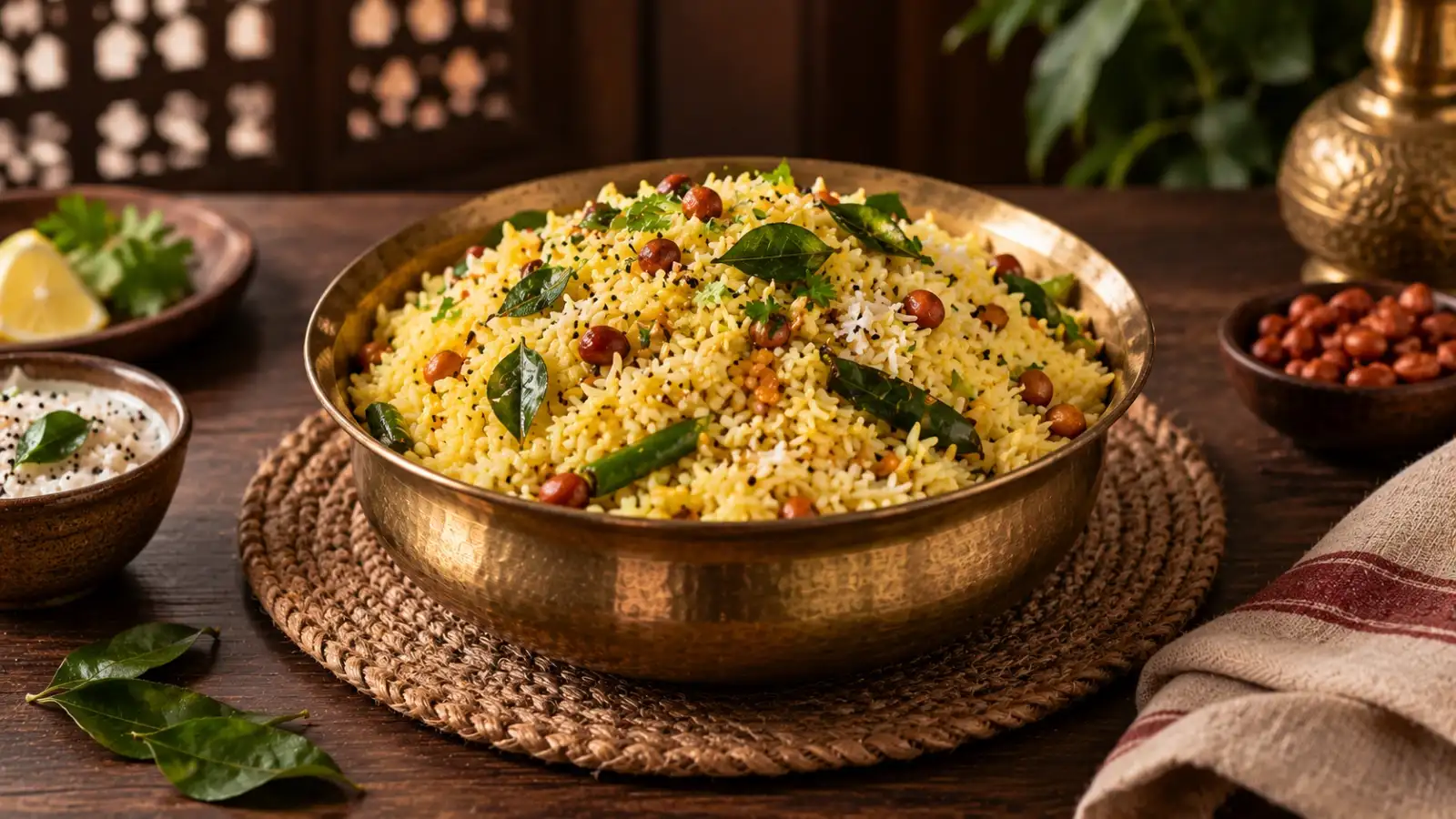
While biryani, pulao and fried rice are widely recognised, many regional preparations remain unfamiliar outside their home states. Some are connected to festivals, others to farming traditions, religious ceremonies or simple home cooking.
These lesser-known rice dishes reflect India's diverse food culture and deserve a place in conversations about the country's culinary heritage.
The rice gives the dessert its distinctive purple shade when cooked. It also has a naturally nutty flavour and a slightly chewy texture, making it different from the usual rice-based puddings found across India.
Chak-Hao Kheer is often prepared during celebrations and special occasions. Its unique colour and connection with local agricultural traditions make it one of the most interesting rice desserts in the country.
Today, it is gaining attention among people interested in regional grains and traditional Indian sweets.
One traditional preparation is a payas or rice pudding made with milk, jaggery or sugar and aromatic spices. The sticky texture of Bora Saul gives the dish a distinctive consistency.
Bora Saul is closely linked with Assamese food traditions and is often used during festivals and special family occasions. Its preparation reflects the importance of locally grown rice varieties in northeastern India.
Although rice puddings are found in many parts of the country, the use of sticky rice gives this Assamese version its own identity.
Rice is frequently served alongside khar as part of a traditional Assamese meal. Some variations also include raw papaya, pulses or other locally available ingredients.
The dish is known for its unusual alkaline flavour and its place in Assamese culinary customs. It is not a conventional rice dish in the same way as pulao or biryani, but it is an important part of the region's rice-based dining tradition.
Khar highlights how traditional communities used local plants and age-old techniques to create distinctive flavours.
The dish is particularly popular during the warmer months because it is light, refreshing and easy to prepare. Fermentation may occur naturally during soaking, depending on the preparation and storage conditions.
Pakhala is more than a simple leftover rice recipe. It is closely connected with Odisha's food culture and is celebrated through special observances and cultural events.
Its simplicity reflects the traditional relationship between seasonal weather, local ingredients and everyday meals.
The term bhajani refers to a roasted mixture of grains and pulses that is used in several Maharashtrian preparations. When combined with rice, it creates a flavourful and filling dish with a distinct roasted aroma.
Recipes vary between families and regions. Some versions are prepared as a simple everyday meal, while others are served during special occasions.
Bhajani Bhaat represents the resourceful nature of regional Indian cooking, where familiar grains and pantry ingredients are combined to create satisfying meals.
Although Kaima rice dishes are not entirely unknown, they receive less attention outside Kerala compared with more widely recognised rice varieties.
Malabar-style rice dishes often include spices, fried onions, vegetables and locally preferred ingredients. Some preparations are associated with weddings, religious celebrations and family gatherings.
The use of Kaima rice shows how rice varieties themselves can shape the identity of a regional dish. Its fragrance and texture contribute significantly to the character of Malabar cuisine.
Unlike fermented dosas, neer dosa is usually made from a batter that is soaked, ground and used without the same lengthy fermentation process. The result is a delicate, almost lacy dosa with a soft texture.
It is commonly served with coconut-based chutneys, vegetable curries and other regional accompaniments. Some families prepare it for breakfast, while others serve it during gatherings.
Neer Dosa demonstrates how rice can be transformed into a light and versatile dish without requiring elaborate ingredients.
The dough is shaped into thick, rustic flatbreads and cooked on a hot surface. It is often eaten with vegetables, chutneys or regional curries.
Angakar Roti reflects the importance of rice in central India's food traditions. It is especially interesting because it presents rice in a form that is different from the usual steamed or boiled preparation.
The dish remains closely connected with rural food habits and local culinary knowledge.
The dish is known for its rich texture and is often prepared during celebrations or family occasions. Like several regional rice sweets, it reflects the importance of milk, grains and festive cooking in traditional households.
Although it may not be as widely recognised as other Indian desserts, Kheeranand offers a glimpse into Rajasthan's lesser-known sweet-making traditions.
Its preparation also highlights how simple ingredients can become special dishes when combined with time and patience.
The mixture is placed in a mould or cloth and steamed until it becomes soft and fragrant. Some versions include date palm jaggery, which gives the dish a distinctive seasonal flavour.
Bhapa Pitha is often prepared during winter and is linked with traditional celebrations and family gatherings. It is particularly valued for its delicate texture and the aroma of freshly steamed rice flour.
The dish represents the deep connection between rice, seasonal ingredients and festive food traditions in eastern India.
A sticky rice dessert from Manipur, a fermented rice preparation from Odisha and a delicate rice crepe from coastal Karnataka may appear completely different, but all reflect the adaptability of Indian food culture.
Many of these dishes are passed down through families rather than written in cookbooks. As lifestyles change and traditional cooking becomes less frequent, some recipes risk becoming less familiar to younger generations.
Documenting and preparing these foods can help keep regional culinary knowledge alive.
Exploring lesser-known rice dishes offers an opportunity to discover the country's cultural diversity through food. It also encourages greater appreciation for local rice varieties and traditional cooking practices.
These forgotten or overlooked preparations deserve more attention, not because they compete with popular dishes, but because they tell stories that might otherwise disappear from everyday kitchens.
While biryani, pulao and fried rice are widely recognised, many regional preparations remain unfamiliar outside their home states. Some are connected to festivals, others to farming traditions, religious ceremonies or simple home cooking.
These lesser-known rice dishes reflect India's diverse food culture and deserve a place in conversations about the country's culinary heritage.
1. Chak-Hao Kheer from Manipur
Chak-Hao Kheer is a traditional dessert made with black rice, milk, sugar and aromatic ingredients. It is especially associated with Manipur, where black rice has been cultivated and consumed for generations.The rice gives the dessert its distinctive purple shade when cooked. It also has a naturally nutty flavour and a slightly chewy texture, making it different from the usual rice-based puddings found across India.
Chak-Hao Kheer is often prepared during celebrations and special occasions. Its unique colour and connection with local agricultural traditions make it one of the most interesting rice desserts in the country.
Today, it is gaining attention among people interested in regional grains and traditional Indian sweets.
2. Bora Saul Payas from Assam
Bora Saul is a type of sticky rice traditionally used in Assamese cuisine. It can be prepared in several ways, including sweet dishes and festive recipes.One traditional preparation is a payas or rice pudding made with milk, jaggery or sugar and aromatic spices. The sticky texture of Bora Saul gives the dish a distinctive consistency.
Bora Saul is closely linked with Assamese food traditions and is often used during festivals and special family occasions. Its preparation reflects the importance of locally grown rice varieties in northeastern India.
Although rice puddings are found in many parts of the country, the use of sticky rice gives this Assamese version its own identity.
3. Khar from Assam
Khar is one of Assam's most distinctive traditional food preparations. It is generally made using an alkaline liquid filtered through the ashes of certain plant materials, often banana stem or banana peel, depending on the recipe.Rice is frequently served alongside khar as part of a traditional Assamese meal. Some variations also include raw papaya, pulses or other locally available ingredients.
The dish is known for its unusual alkaline flavour and its place in Assamese culinary customs. It is not a conventional rice dish in the same way as pulao or biryani, but it is an important part of the region's rice-based dining tradition.
Khar highlights how traditional communities used local plants and age-old techniques to create distinctive flavours.
4. Pakhala Bhata from Odisha
Pakhala Bhata is a traditional dish from Odisha made by soaking cooked rice in water, often overnight. It is usually served with salt, green chillies, fried vegetables, pickles or other accompaniments.The dish is particularly popular during the warmer months because it is light, refreshing and easy to prepare. Fermentation may occur naturally during soaking, depending on the preparation and storage conditions.
Pakhala is more than a simple leftover rice recipe. It is closely connected with Odisha's food culture and is celebrated through special observances and cultural events.
Its simplicity reflects the traditional relationship between seasonal weather, local ingredients and everyday meals.
5. Bhajani Bhaat from Maharashtra
Bhajani Bhaat is a traditional rice preparation associated with parts of Maharashtra. The dish is generally made using rice along with roasted grains, pulses or spices, depending on the household recipe.The term bhajani refers to a roasted mixture of grains and pulses that is used in several Maharashtrian preparations. When combined with rice, it creates a flavourful and filling dish with a distinct roasted aroma.
Recipes vary between families and regions. Some versions are prepared as a simple everyday meal, while others are served during special occasions.
Bhajani Bhaat represents the resourceful nature of regional Indian cooking, where familiar grains and pantry ingredients are combined to create satisfying meals.
6. Kaima Rice Preparations from Kerala
Kaima rice is a small-grained, aromatic rice variety widely used in parts of Kerala, particularly in Malabar cuisine. It is often used in regional biryanis and festive rice preparations.Although Kaima rice dishes are not entirely unknown, they receive less attention outside Kerala compared with more widely recognised rice varieties.
Malabar-style rice dishes often include spices, fried onions, vegetables and locally preferred ingredients. Some preparations are associated with weddings, religious celebrations and family gatherings.
The use of Kaima rice shows how rice varieties themselves can shape the identity of a regional dish. Its fragrance and texture contribute significantly to the character of Malabar cuisine.
7. Mangalorean Neer Dosa
Neer Dosa is a thin, soft crepe made from a watery rice batter. It is associated with coastal Karnataka, particularly the Mangalorean region.Unlike fermented dosas, neer dosa is usually made from a batter that is soaked, ground and used without the same lengthy fermentation process. The result is a delicate, almost lacy dosa with a soft texture.
It is commonly served with coconut-based chutneys, vegetable curries and other regional accompaniments. Some families prepare it for breakfast, while others serve it during gatherings.
Neer Dosa demonstrates how rice can be transformed into a light and versatile dish without requiring elaborate ingredients.
8. Angakar Roti from Chhattisgarh
Angakar Roti is a traditional rice-based flatbread associated with Chhattisgarh. It is generally prepared using rice flour and water, although recipes may include additional ingredients according to local customs.The dough is shaped into thick, rustic flatbreads and cooked on a hot surface. It is often eaten with vegetables, chutneys or regional curries.
Angakar Roti reflects the importance of rice in central India's food traditions. It is especially interesting because it presents rice in a form that is different from the usual steamed or boiled preparation.
The dish remains closely connected with rural food habits and local culinary knowledge.
9. Kheeranand from Rajasthan
Kheeranand is a traditional sweet preparation associated with parts of Rajasthan. It is made using rice, milk, sugar and ghee, with some variations including nuts or aromatic spices.The dish is known for its rich texture and is often prepared during celebrations or family occasions. Like several regional rice sweets, it reflects the importance of milk, grains and festive cooking in traditional households.
Although it may not be as widely recognised as other Indian desserts, Kheeranand offers a glimpse into Rajasthan's lesser-known sweet-making traditions.
Its preparation also highlights how simple ingredients can become special dishes when combined with time and patience.
10. Bhapa Pitha from Bengal
Bhapa Pitha is a traditional steamed rice cake associated with Bengal and parts of eastern India. It is commonly made using rice flour, coconut and jaggery.The mixture is placed in a mould or cloth and steamed until it becomes soft and fragrant. Some versions include date palm jaggery, which gives the dish a distinctive seasonal flavour.
Bhapa Pitha is often prepared during winter and is linked with traditional celebrations and family gatherings. It is particularly valued for its delicate texture and the aroma of freshly steamed rice flour.
The dish represents the deep connection between rice, seasonal ingredients and festive food traditions in eastern India.
Why These Rice Dishes Matter
Regional rice dishes are more than recipes. They preserve information about local crops, climate, farming practices and community traditions.A sticky rice dessert from Manipur, a fermented rice preparation from Odisha and a delicate rice crepe from coastal Karnataka may appear completely different, but all reflect the adaptability of Indian food culture.
Many of these dishes are passed down through families rather than written in cookbooks. As lifestyles change and traditional cooking becomes less frequent, some recipes risk becoming less familiar to younger generations.
Documenting and preparing these foods can help keep regional culinary knowledge alive.
Rediscovering India's Rice Heritage
India's rice culture cannot be understood through a few popular dishes alone. Every region has its own methods of soaking, steaming, fermenting, roasting and cooking rice.Exploring lesser-known rice dishes offers an opportunity to discover the country's cultural diversity through food. It also encourages greater appreciation for local rice varieties and traditional cooking practices.
These forgotten or overlooked preparations deserve more attention, not because they compete with popular dishes, but because they tell stories that might otherwise disappear from everyday kitchens.
Next Story