How We Used to Explore the World Before Smartphones: Paper Maps, Guidebooks, Film Photos and More

Decades ago, navigating an unfamiliar city was an immersive physical puzzle rather than a series of digital prompts. Travelers unfolded massive paper maps on breezy street corners, carefully tracing routes with a finger. Getting lost was not viewed as an annoying delay, but as a natural part of the journey. When paper maps proved confusing, finding your way required talking directly to local residents, shopkeepers or taxi drivers. These spontaneous conversations offered genuine human connection, leading to unexpected cultural insights, hidden cafes and authentic neighborhood spots that no algorithm could recommend.
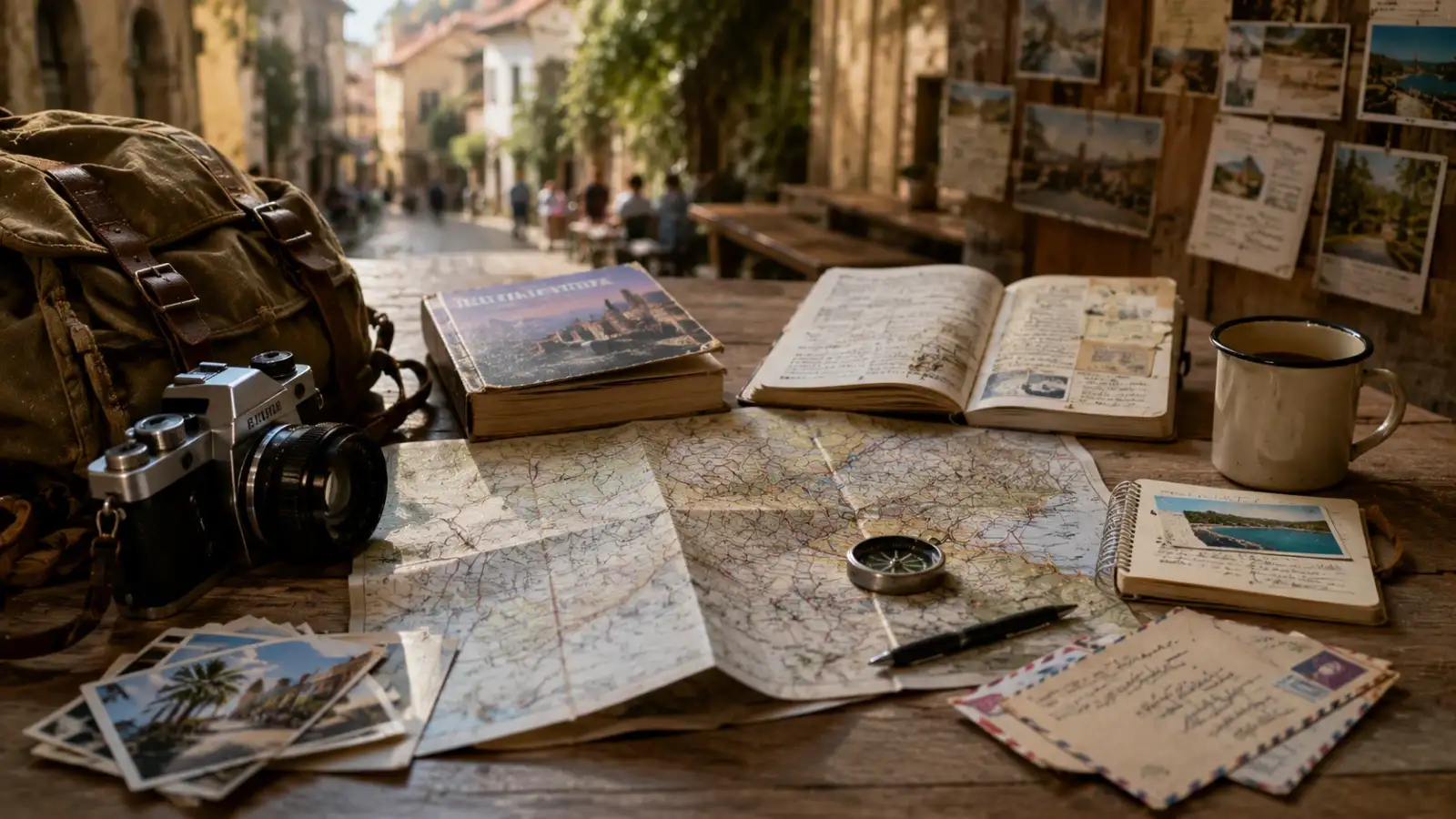
Hero Image


Relying on Paper Guidebooks and Hostel Notice Boards

Before instant online reviews and digital travel apps dominated every trip, globetrotters carried thick paper guidebooks in their backpacks. Dog-eared books like Lonely Planet were treated like prized treasures, packed with handwritten notes, underlined recommendations and folded pages. Common spaces inside budget accommodation featured bulletin boards covered with paper notices. Travelers used these physical boards to swap secondhand paperbacks, leave messages for friends, or find travel buddies for upcoming road trips. This shared reliance on physical guidebooks built an instant sense of community among backpackers exploring similar routes.


Taking Film Photos and Waiting Weeks for Development

Photographing a holiday before smartphones was an exercise in patience and restraint. Carrying a traditional film camera meant working with a limited roll of twenty-four or thirty-six exposures. Every shot was carefully considered, forcing travelers to live in the present moment rather than posing constantly for instant social media feeds. You could not instantly review, filter or delete pictures on a screen. The true excitement came weeks after returning home, when you picked up developed prints from the local photo lab. Seeing those physical prints for the first time rekindled warm holiday memories all over again.


Keeping Detailed Paper Journals and Postcard Writing

Documenting trips used to be a deeply personal, analogue ritual. Travelers carried leather journals or paper diaries, writing down daily thoughts, recording local prices and taping paper train tickets or museum stubs onto the pages. Furthermore, staying in touch with family required buying colourful paper postcards, writing personal notes by hand and hunting down local post offices to buy foreign stamps. Receiving a postcard weeks after it was sent was a joyful event, offering loved ones a tangible piece of your far-off adventures.

Embracing Serendipity and Complete Digital Disconnection

Perhaps the most significant difference in pre-smartphone travel was the true sense of retreat and disconnection. Without constant email notifications, instant messaging or live location tracking, travelers were genuinely off the grid. If plans fell through, you simply adapted on the spot, wandering down unfamiliar alleys or waiting patiently at quiet train stations. This lack of constant digital connection encouraged deeper observation, heightened self-reliance and a rare freedom to fully immerse yourself in the sights, sounds and rhythms of a foreign place.