
How to Set Up a Freshwater Aquarium at Home: A Beginner's Guide

A freshwater aquarium can add an interesting feature to a living room or study, but keeping fish requires more preparation than simply filling a bowl with water. Fish depend on a stable aquatic environment, suitable filtration and regular maintenance.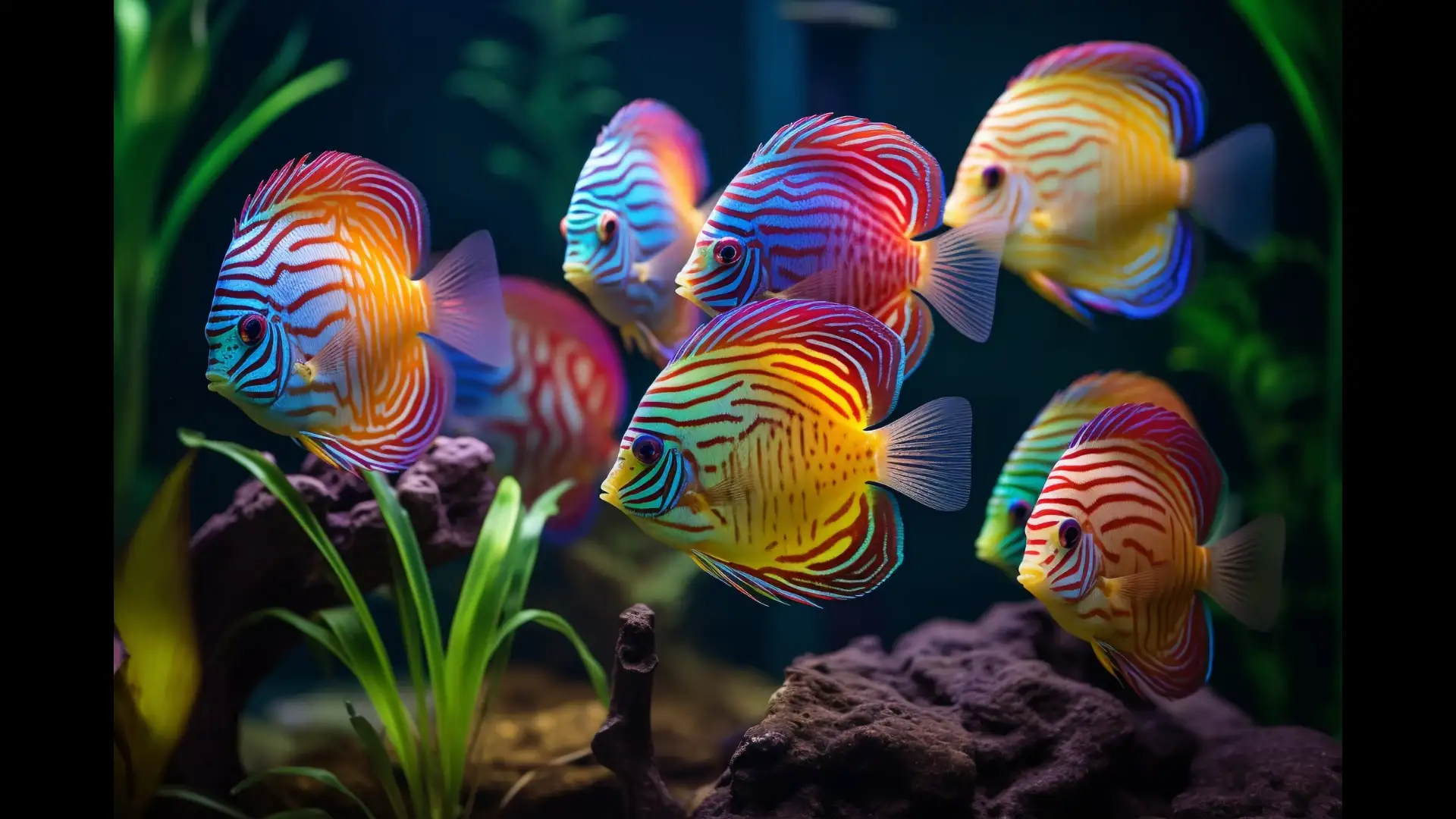
Before purchasing any fish, decide how much space you can dedicate to the aquarium and research the needs of the species you are interested in keeping.
A properly planned setup is easier to maintain and gives the fish a more suitable environment.
Do not choose a tank based only on its appearance. Research the adult size, activity and social needs of the fish before deciding on the dimensions.
Place the aquarium on a level, sturdy stand designed to support its filled weight. Keep it away from direct sunlight, which can contribute to unwanted temperature changes and excessive algae growth.
Choose a filter suitable for the tank's volume and the species being kept. Follow the manufacturer's instructions for installation and maintenance.
A filter should run continuously as part of the aquarium system. Switching it off for long periods can interfere with the filtration process.
Use a suitable water conditioner according to its label instructions. Research the temperature and water conditions required by your chosen species before filling the tank.
A thermometer and a water-testing kit are useful tools. At a minimum, learn how to check ammonia and nitrite, as well as other parameters relevant to the fish you plan to keep.
This process is commonly called cycling. A fishless cycling method allows the filter to establish without exposing fish to the initial build-up of waste compounds.
Follow a reliable aquarium cycling guide and test the water regularly. Do not add fish simply because the tank has been running for a particular number of days. Use the test results to confirm that the system is ready.
The process can take several weeks, so patience is essential.
Some fish need to be kept in groups, while others may not be suitable for a shared aquarium. Combining species simply because they look attractive together can create problems later.
Avoid overcrowding the tank. Introduce fish gradually and seek advice from a knowledgeable aquarium specialist about compatibility and stocking levels.
Rinse new decorations and substrate according to the supplier's instructions before placing them in the tank. Never use household cleaning products inside an aquarium.
Live plants can create a natural-looking environment, but choose varieties that match the light and water conditions of the tank.
Carry out regular partial water changes according to water-test results and species requirements. When cleaning filter media, avoid washing biological material under untreated tap water, as this can disrupt beneficial bacteria.
A successful aquarium depends on consistent care rather than occasional cleaning. Take time to understand the needs of the fish before bringing them home.
Before purchasing any fish, decide how much space you can dedicate to the aquarium and research the needs of the species you are interested in keeping.
A properly planned setup is easier to maintain and gives the fish a more suitable environment.
Choose a suitable aquarium
Start by selecting a tank that offers enough swimming space for the species you plan to keep. A larger, properly maintained aquarium is often more stable than a very small container because changes in water conditions can happen more quickly in limited volumes.Do not choose a tank based only on its appearance. Research the adult size, activity and social needs of the fish before deciding on the dimensions.
Place the aquarium on a level, sturdy stand designed to support its filled weight. Keep it away from direct sunlight, which can contribute to unwanted temperature changes and excessive algae growth.
Install a reliable filter
A filter is an essential part of most freshwater aquarium setups. It helps remove suspended particles and provides a surface for beneficial bacteria that process waste in the water.Choose a filter suitable for the tank's volume and the species being kept. Follow the manufacturer's instructions for installation and maintenance.
A filter should run continuously as part of the aquarium system. Switching it off for long periods can interfere with the filtration process.
Prepare the water
Tap water should not be added directly without checking whether it is suitable for aquarium use. Municipal supplies may contain chlorine or other treatment chemicals that need to be addressed.Use a suitable water conditioner according to its label instructions. Research the temperature and water conditions required by your chosen species before filling the tank.
A thermometer and a water-testing kit are useful tools. At a minimum, learn how to check ammonia and nitrite, as well as other parameters relevant to the fish you plan to keep.
Cycle the aquarium before adding fish
One of the most important steps is establishing the aquarium's biological filtration. Beneficial bacteria need time to develop in the filter and other surfaces.This process is commonly called cycling. A fishless cycling method allows the filter to establish without exposing fish to the initial build-up of waste compounds.
Follow a reliable aquarium cycling guide and test the water regularly. Do not add fish simply because the tank has been running for a particular number of days. Use the test results to confirm that the system is ready.
The process can take several weeks, so patience is essential.
Choose compatible fish
Research the adult size, temperature requirements, behaviour and social needs of every species before buying them.Some fish need to be kept in groups, while others may not be suitable for a shared aquarium. Combining species simply because they look attractive together can create problems later.
Avoid overcrowding the tank. Introduce fish gradually and seek advice from a knowledgeable aquarium specialist about compatibility and stocking levels.
You may also like
- Why did the issue of sleeping hours on trains (10 PM to 6 AM) reach the High Court?
- Scared of Steroid Creams? What Eczema Patients Need to Know
- Rs 150 coffee, hours of laptop work: Bengaluru cafe owner asks how to stop customers from occupying tables all day and losing business
- Are You Using Enough Moisturiser? The Common Mistake That Affects Your Skin
- No official charges on UPI, yet extra fees are being demanded from vendors – Survey
Create a suitable environment
Add aquarium-safe substrate, plants and decorations that do not have sharp edges. Provide open swimming areas as well as hiding spaces appropriate for the chosen fish.Rinse new decorations and substrate according to the supplier's instructions before placing them in the tank. Never use household cleaning products inside an aquarium.
Live plants can create a natural-looking environment, but choose varieties that match the light and water conditions of the tank.
Build a regular maintenance routine
Observe the aquarium daily and check that the filter and other equipment are working properly. Feed only the quantity recommended for the fish and remove uneaten food.Carry out regular partial water changes according to water-test results and species requirements. When cleaning filter media, avoid washing biological material under untreated tap water, as this can disrupt beneficial bacteria.
A successful aquarium depends on consistent care rather than occasional cleaning. Take time to understand the needs of the fish before bringing them home.






Loving Newspoint? Download the app now
