
From Ancient ‘Shirastrana’ To 74% Less Brain Injuries—Why Helmets Matter Today

Helmets are more than accessories or legal obligations—they are life-saving devices rooted in both science and history. From the ancient 'Shirastrana' used in battle to today’s precision-tested BIS-certified designs, protective headgear has evolved with one purpose: to safeguard the human head from fatal impact. 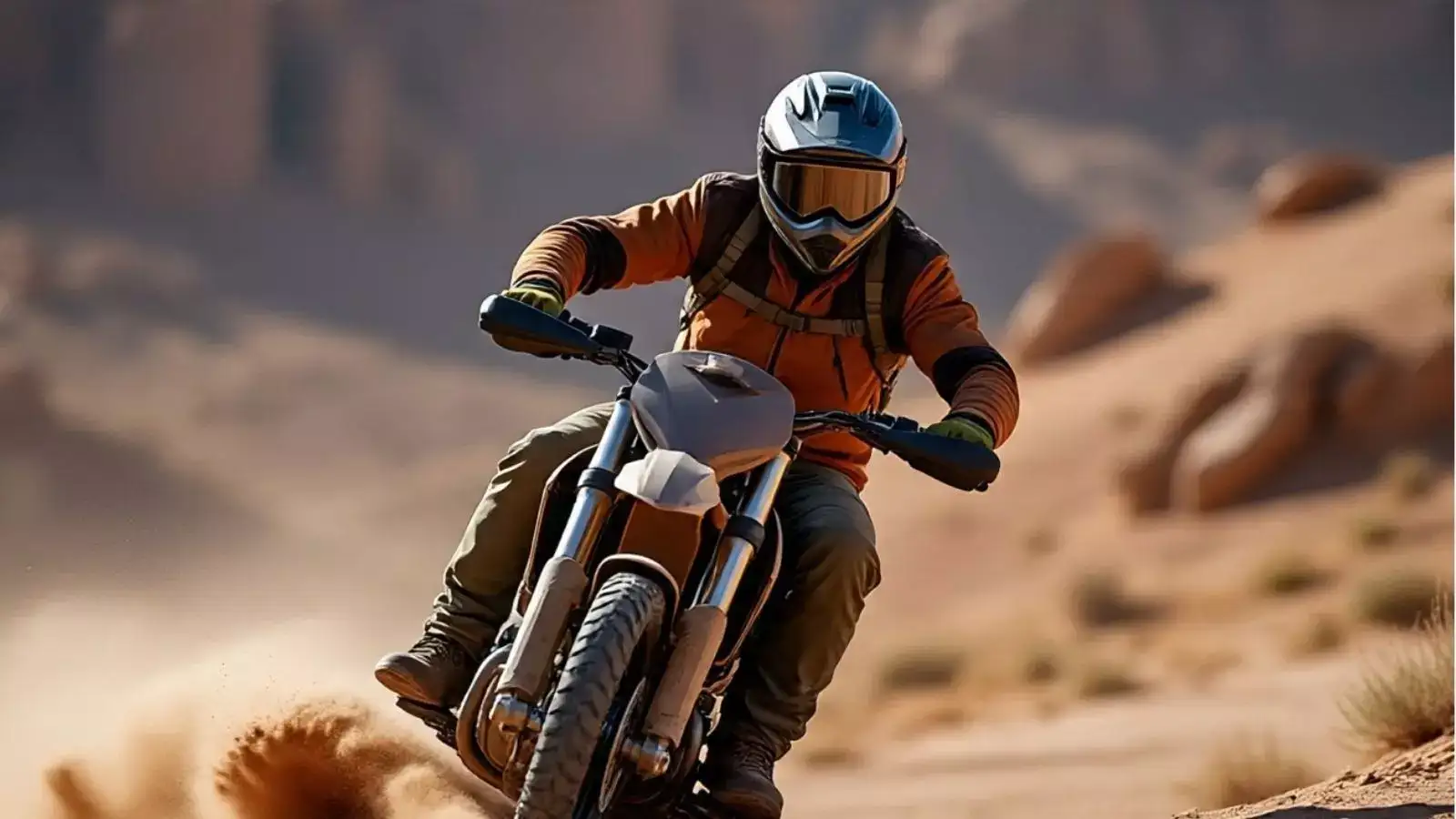 Representative Image/ Credit: Meta AI
Yet, in modern India, where road conditions are unpredictable and two-wheelers remain the dominant mode of transport, the significance of helmets often goes underappreciated. Fatalities from road crashes continue to rise, with two-wheeler riders making up a staggering 44.5% of total road deaths, according to national transport data. Despite legal mandates and widespread access to protective gear, behavioural gaps and the prevalence of substandard helmets threaten road safety across the country.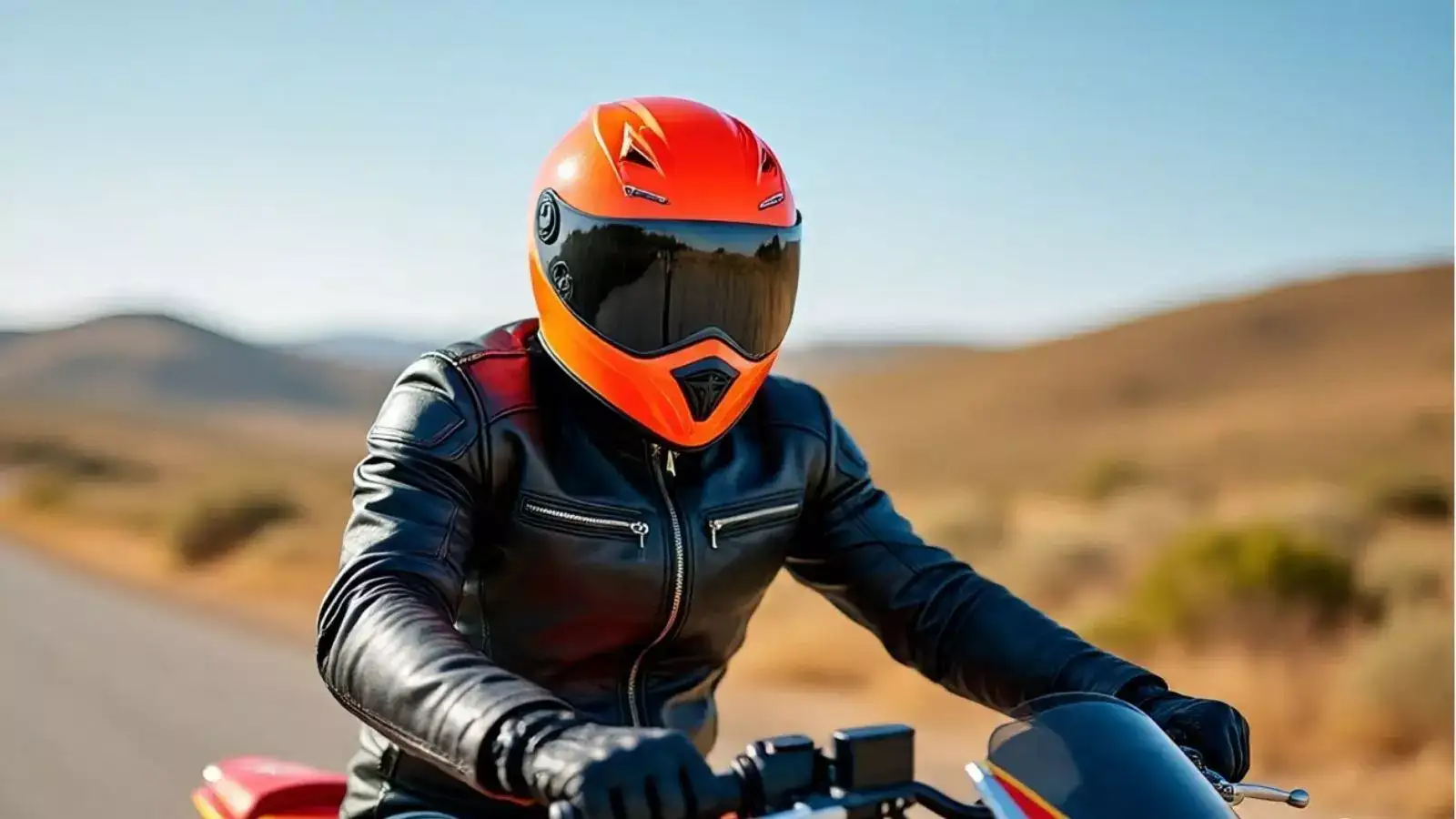 Representative Image/ Credit: Meta AI
A large proportion of these fatalities could be prevented with consistent use of proper helmets. Yet, many riders use helmets only when required to avoid penalties, removing them immediately after passing traffic checkpoints. In practice, this approach reduces helmets to symbolic items, failing to harness their actual protective value.
Modern protective helmets are designed using a multi-layered structure—an outer shell that resists penetration, a foam-based impact-absorbing layer, and inner padding for comfort and secure fit. This structure not only cushions the head but also ensures the helmet stays in place, even during rolling falls or glancing blows.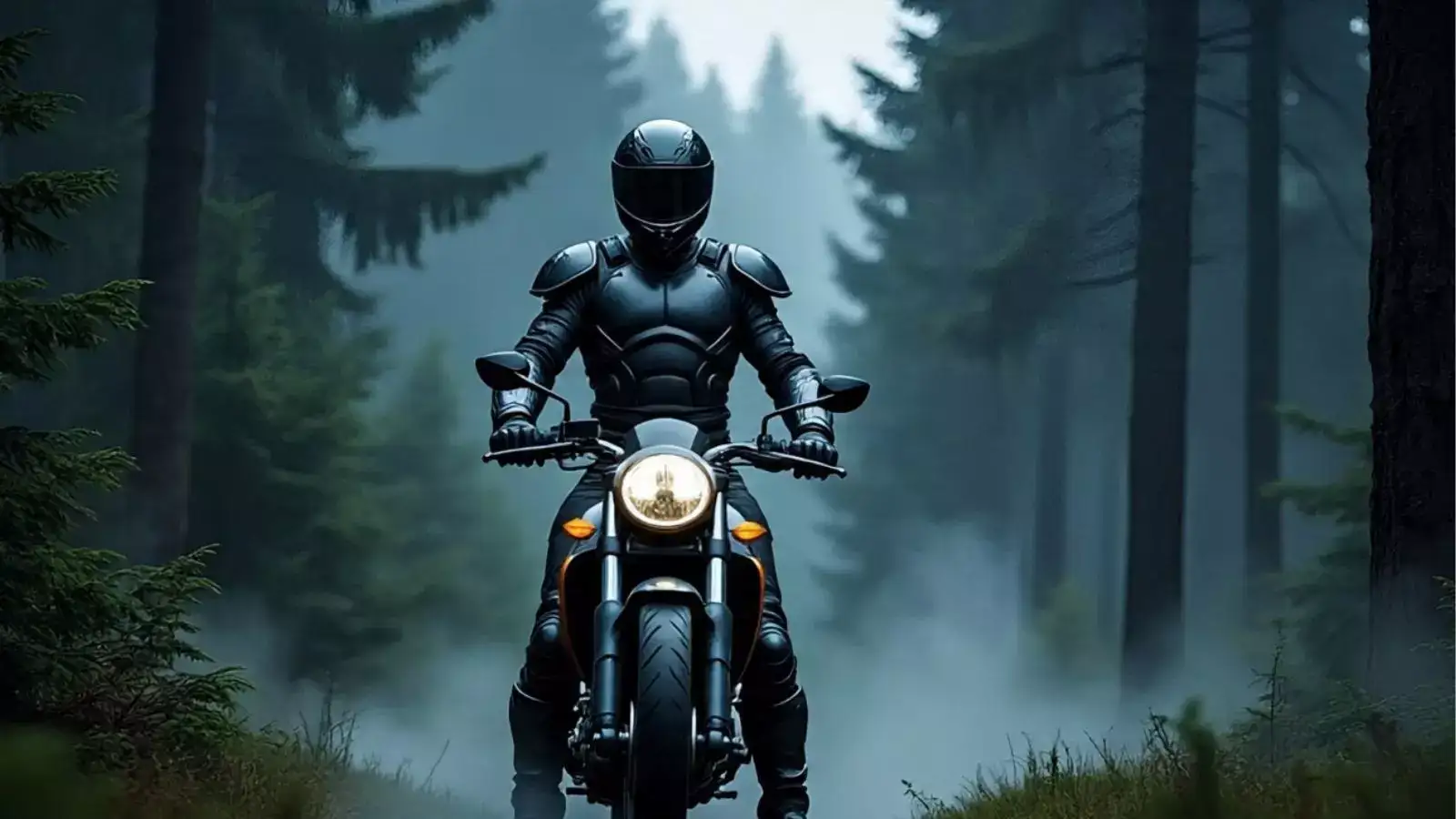 Representative Image/ Credit: Meta AI
Crucially, the helmet’s fit, stability, and material integrity can determine its effectiveness. According to the World Health Organisation, correct helmet usage reduces the risk of death by over six times and the likelihood of severe brain injury by 74%. These are not minor improvements—they represent the difference between life and death.
The Bureau of Indian Standards (BIS), which certifies helmets under the IS 4151:2015 standard, has repeatedly warned consumers against using such counterfeit gear. These helmets give a false sense of security and have been directly linked to preventable injuries and fatalities.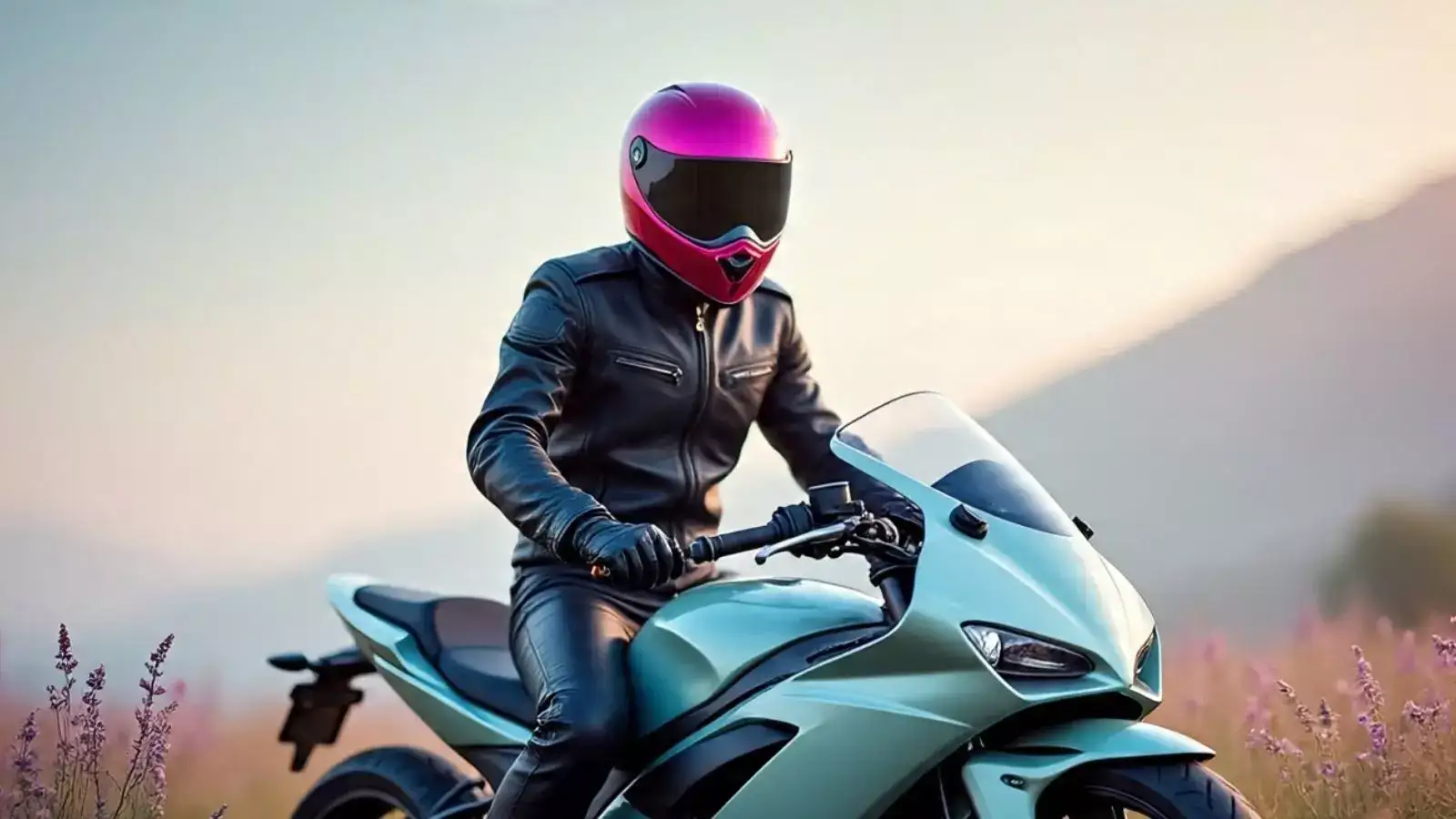 Representative Image/ Credit: Meta AI
As part of recent enforcement measures, BIS led multiple operations across the country. In 2024–25 alone, over 3,000 non-compliant helmets were seized, including 2,500 from manufacturers in Delhi operating without valid licences. Another 500 unsafe helmets were confiscated from roadside vendors in 17 different locations.
Additionally, the BIS has launched digital tools like the BIS Care App, allowing consumers to verify the authenticity of helmets and ensure they meet national safety standards. With this step, buyers can make informed decisions and avoid falling prey to fake or expired products.
The BIS currently recognises 176 licensed manufacturers nationwide, each authorised to produce helmets that conform to India’s strict quality norms. However, until every rider chooses safety over superficial savings, the risks will remain high.
Modern helmets carry the weight of that legacy forward, backed by scientific design and rigorous testing. Their role remains unchanged: to absorb shock, prevent trauma, and save lives.
As Indian roads grow busier and more hazardous, the choice every rider makes becomes critical. Don’t just wear a helmet—wear one that has been designed, tested, and proven to protect.
Yet, in modern India, where road conditions are unpredictable and two-wheelers remain the dominant mode of transport, the significance of helmets often goes underappreciated. Fatalities from road crashes continue to rise, with two-wheeler riders making up a staggering 44.5% of total road deaths, according to national transport data. Despite legal mandates and widespread access to protective gear, behavioural gaps and the prevalence of substandard helmets threaten road safety across the country.
India’s Two-Wheeler Crisis: A Safety Emergency
The rising number of two-wheelers in India—estimated at over 21 crore—reflects the country’s reliance on motorcycles and scooters for everyday mobility. However, this growing dependency brings with it a high human cost. The Ministry of Road Transport and Highways reported that in 2022 alone, nearly half of the nation’s road deaths involved two-wheeler riders.A large proportion of these fatalities could be prevented with consistent use of proper helmets. Yet, many riders use helmets only when required to avoid penalties, removing them immediately after passing traffic checkpoints. In practice, this approach reduces helmets to symbolic items, failing to harness their actual protective value.
The Science Behind the Safety
Helmets are engineered with one mission in mind: to absorb and distribute the intense force generated during a crash. In any high-speed collision, it is the rider’s kinetic energy that transforms into impact. The helmet acts as a barrier, preventing this energy from transferring directly to the skull and brain.Modern protective helmets are designed using a multi-layered structure—an outer shell that resists penetration, a foam-based impact-absorbing layer, and inner padding for comfort and secure fit. This structure not only cushions the head but also ensures the helmet stays in place, even during rolling falls or glancing blows.
Crucially, the helmet’s fit, stability, and material integrity can determine its effectiveness. According to the World Health Organisation, correct helmet usage reduces the risk of death by over six times and the likelihood of severe brain injury by 74%. These are not minor improvements—they represent the difference between life and death.
Unsafe Headgear Flooding Markets Raises Alarms
Despite the clear benefits of proper helmets, Indian roads remain plagued by the widespread availability of low-quality headgear. Many of these are cheaply made and sold at informal stalls, often styled to mimic authentic products but offering little to no real protection. In fact, when subjected to basic testing, these helmets often crack on impact, fail to stay strapped, or offer no skull protection whatsoever.The Bureau of Indian Standards (BIS), which certifies helmets under the IS 4151:2015 standard, has repeatedly warned consumers against using such counterfeit gear. These helmets give a false sense of security and have been directly linked to preventable injuries and fatalities.
As part of recent enforcement measures, BIS led multiple operations across the country. In 2024–25 alone, over 3,000 non-compliant helmets were seized, including 2,500 from manufacturers in Delhi operating without valid licences. Another 500 unsafe helmets were confiscated from roadside vendors in 17 different locations.
Education, Not Just Enforcement, Is the Key
Beyond legal action, safety authorities are now focusing on education and behaviour change. Public campaigns, including roadshows in major cities, are helping highlight the need for certified helmets. In collaboration with local traffic departments, some initiatives have distributed quality helmets for free to spread awareness.Additionally, the BIS has launched digital tools like the BIS Care App, allowing consumers to verify the authenticity of helmets and ensure they meet national safety standards. With this step, buyers can make informed decisions and avoid falling prey to fake or expired products.
The BIS currently recognises 176 licensed manufacturers nationwide, each authorised to produce helmets that conform to India’s strict quality norms. However, until every rider chooses safety over superficial savings, the risks will remain high.
From Tradition To Modernity: The Helmet's Enduring Role
India’s cultural legacy of head protection dates back centuries, when warriors wore cloth wraps or metal helmets in battle. That ancient principle—shielding the head to preserve life—still holds true today. Only now, instead of swords and spears, riders face speeding traffic, unpredictable roads, and distracted drivers.Modern helmets carry the weight of that legacy forward, backed by scientific design and rigorous testing. Their role remains unchanged: to absorb shock, prevent trauma, and save lives.
As Indian roads grow busier and more hazardous, the choice every rider makes becomes critical. Don’t just wear a helmet—wear one that has been designed, tested, and proven to protect.
Next Story