
From Butter Yellow to Burgundy: Why Fashion Colours Change With the Seasons

Have you noticed how fashion wardrobes seem to change colour as the seasons shift? Summer collections are often filled with butter yellow, mint green, lilac and soft pink, while winter outfits lean towards burgundy, chocolate brown, navy and forest green. This seasonal contrast is not simply about changing fashion trends . Colour intensity, visual appearance, fabric choices and the atmosphere associated with different seasons all influence what people enjoy wearing. Pastels often feel light and refreshing in bright summer weather, whereas deeper shades bring a sense of richness and comfort to winter dressing.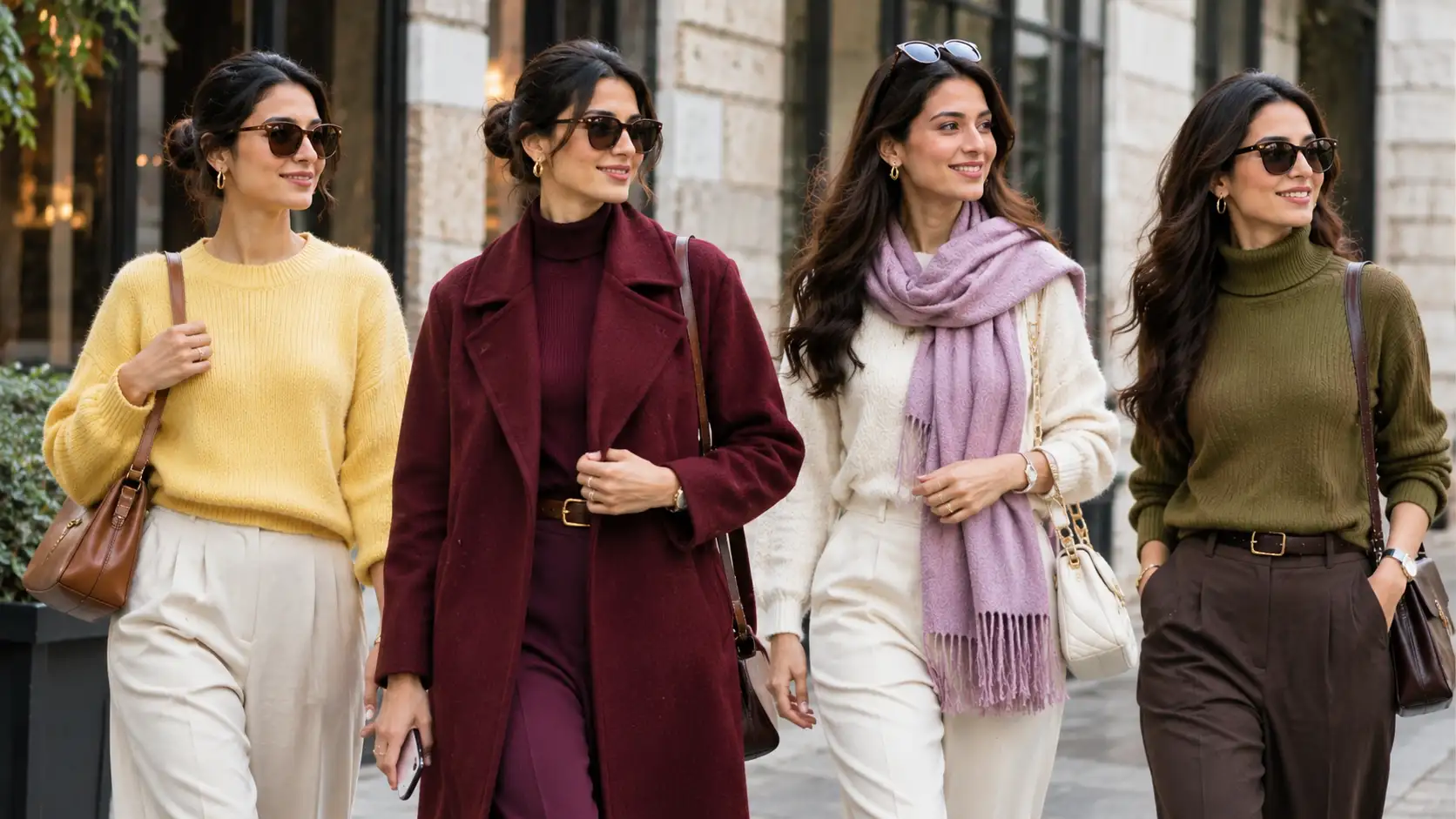
Shades such as sky blue, mint green, butter yellow, lilac and rosé complement the bright atmosphere of summer. They also work beautifully with lightweight clothing, making everyday outfits look fresh and effortless.
Pastel combinations also allow people to experiment with colour without choosing particularly bold or overpowering shades.
They also pair easily with traditional winter staples such as coats, boots, scarves and layered outfits.
For example, a forest-green wool coat or chocolate-brown knitwear can create an elegant winter look without requiring complicated styling.
However, winter fashion is not limited to dark shades. Icy blues, soft pinks and other winter pastels can also introduce contrast and freshness.
Ultimately, choosing colours should depend on personal preference, comfort and the overall outfit rather than the season alone.
Why Pastel Colours Dominate Summer
1. They Create a Light and Airy Appearance
Pastel colours are softer versions of traditional hues, created by adding white to a base colour. Their low-saturation appearance gives them a gentle, understated quality.Shades such as sky blue, mint green, butter yellow, lilac and rosé complement the bright atmosphere of summer. They also work beautifully with lightweight clothing, making everyday outfits look fresh and effortless.
2. They Reflect a Calm and Refreshing Mood
Summer fashion often embraces colours associated with optimism, relaxation and lightness. Soft shades can create a pleasant visual impression, particularly when paired with natural fabrics and simple silhouettes.Pastel combinations also allow people to experiment with colour without choosing particularly bold or overpowering shades.
3. They Pair Well With Summer Fabrics
Linen, cotton, sheer materials and lightweight dresses are common summer wardrobe choices. Pastel colours complement these fabrics because both contribute to an airy and relaxed appearance.Why Deep Colours Take Over Winter
4. Rich Shades Create Visual Depth
Winter wardrobes frequently feature dark berry, navy, forest green, espresso, charcoal and plum. These deeper colours create a visually rich appearance that suits the season's heavier clothing.They also pair easily with traditional winter staples such as coats, boots, scarves and layered outfits.
5. They Complement Heavier Fabrics
Wool, cashmere and knitted materials naturally add texture and structure to winter clothing. Deep shades can emphasise these textures, giving outfits a more sophisticated and layered appearance.For example, a forest-green wool coat or chocolate-brown knitwear can create an elegant winter look without requiring complicated styling.
6. They Match the Seasonal Atmosphere
Shorter days, cooler temperatures and changing surroundings influence how people approach seasonal dressing. Rich colours often feel more appropriate for the cosy atmosphere associated with winter.However, winter fashion is not limited to dark shades. Icy blues, soft pinks and other winter pastels can also introduce contrast and freshness.
Can You Wear Pastels in Winter and Dark Colours in Summer?
Absolutely. Seasonal colour preferences are fashion conventions, not strict rules. A pastel pink sweater can look beautiful with winter trousers, while a dark chocolate-brown dress can work perfectly for summer when styled with lightweight fabrics.Ultimately, choosing colours should depend on personal preference, comfort and the overall outfit rather than the season alone.
Next Story