
From Chia to Pumpkin Seeds: 8 Nutrient-Rich Seeds Worth Adding to Your Diet

Seeds may be small, but they contain several nutrients that can contribute to a balanced diet. Depending on the variety, they provide fibre, plant-based protein, healthy fats, vitamins and essential minerals. Adding a spoonful to breakfast, smoothies, salads or homemade snacks is a simple way to improve the nutritional variety of everyday meals. However, no single seed can cure a health problem or replace a balanced diet. Including different varieties in sensible portions can help you benefit from their nutritional properties while keeping your meals interesting and satisfying.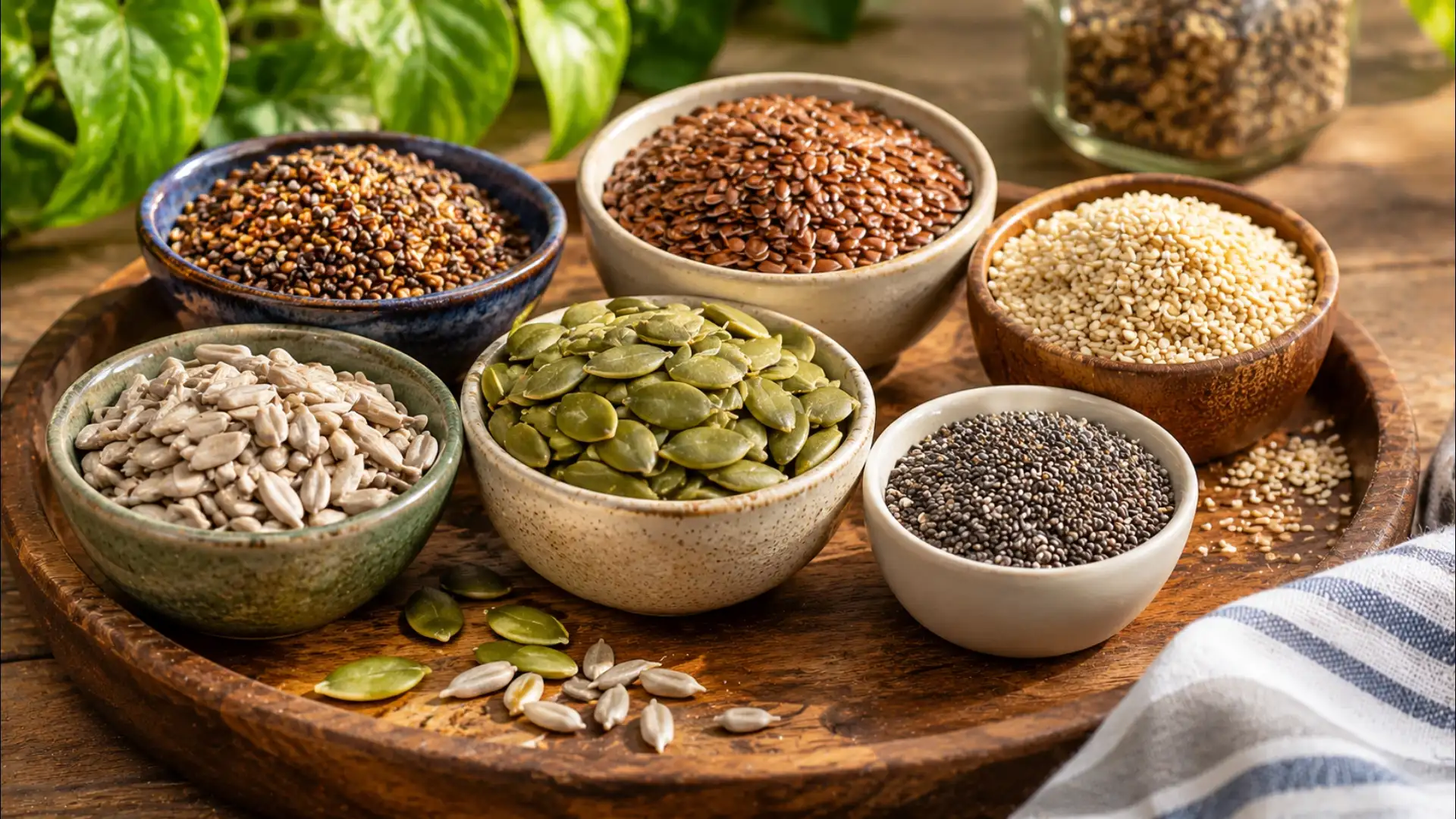
8 Healthy Seeds and Their Potential Benefits
1. Chia Seeds for Fiber and Digestion
Chia seeds are rich in dietary fiber and contain plant-based omega-3 fatty acids. When soaked in water or milk, they develop a gel-like texture that works well in puddings, smoothies and overnight oats. Their fibre content can support regular bowel movements and help you feel fuller for longer.2. Flaxseeds for Heart Health
Flaxseeds contain alpha-linolenic acid (ALA), a plant-based omega-3 fatty acid, along with fibre and lignans. Ground flaxseeds are easier to digest than whole seeds and can be added to porridge, yoghurt, chutneys and roti dough.3. Pumpkin Seeds for Protein and Minerals
Pumpkin seeds provide plant-based protein, magnesium, zinc and healthy fats. They make a convenient snack when lightly roasted and can also be sprinkled over salads, soups and vegetable dishes.4. Sunflower Seeds for Vitamin E
Sunflower seeds are a good source of vitamin E, an antioxidant that helps protect cells from oxidative damage. They also provide healthy fats and some protein. Add them to homemade trail mixes, breakfast bowls or salads.5. Sesame Seeds for Calcium and Healthy Fats
Sesame seeds contain calcium, iron, magnesium and unsaturated fats. They are commonly used in Indian cooking and can be added to chutneys, laddoos, vegetable preparations and homemade seasoning mixes.6. Hemp Seeds for Plant-Based Protein
Hemp seeds provide protein, magnesium and essential fatty acids. Their mild, nutty flavour makes them easy to add to smoothies, salads, soups and breakfast bowls without significantly changing the taste.7. Basil Seeds for Fibre and Refreshment
Also known as sabja seeds, basil seeds are commonly used in Indian drinks and desserts. They absorb water and develop a gel-like coating when soaked. Their fibre content can contribute to digestive health. Always soak them properly before consumption.8. Watermelon Seeds for Magnesium and Protein
Watermelon seeds contain protein, magnesium, iron and healthy fats. Roasted watermelon seeds can be eaten as a snack or added to trail mixes. Choose unsalted varieties to avoid excessive sodium intake.Easy Ways to Include Seeds in Your Everyday Meals
You do not need to eat all eight varieties every day. Start with small quantities and rotate different seeds throughout the week.- Add chia or ground flaxseeds to overnight oats and smoothies.
- Sprinkle pumpkin and sunflower seeds over salads.
- Use sesame seeds in chutneys and vegetable dishes.
- Mix hemp seeds into yoghurt or breakfast bowls.
- Add roasted watermelon seeds to homemade snack mixes.
- Soak basil seeds before adding them to drinks.
How Much Should You Eat?
Seeds are nutrient-dense but also contain calories, so portion sizes matter. Start with around one tablespoon a day, depending on the variety and your overall diet, and increase gradually if tolerated. Drink enough water when increasing your fibre intake. If you have a seed allergy or a medical condition requiring dietary restrictions, seek professional advice before making significant changes.Next Story