
From Family Recipes to Classic Snacks: Why Nostalgic Foods Are Trending Again

There is something strangely powerful about the taste of a food you remember from childhood. One spoonful of homemade dal, a familiar biscuit, a bowl of khichdi or a traditional sweet can bring back memories that no modern food trend can quite replicate. That emotional connection is helping nostalgic foods find a new audience. Across supermarkets, restaurants and social media, traditional recipes and old-fashioned flavours are being rediscovered, sometimes with a modern twist. The trend reflects more than a desire to eat what our parents and grandparents ate. At a time when food can feel increasingly complicated, nostalgic dishes offer something wonderfully simple: familiarity, comfort and a connection to the past.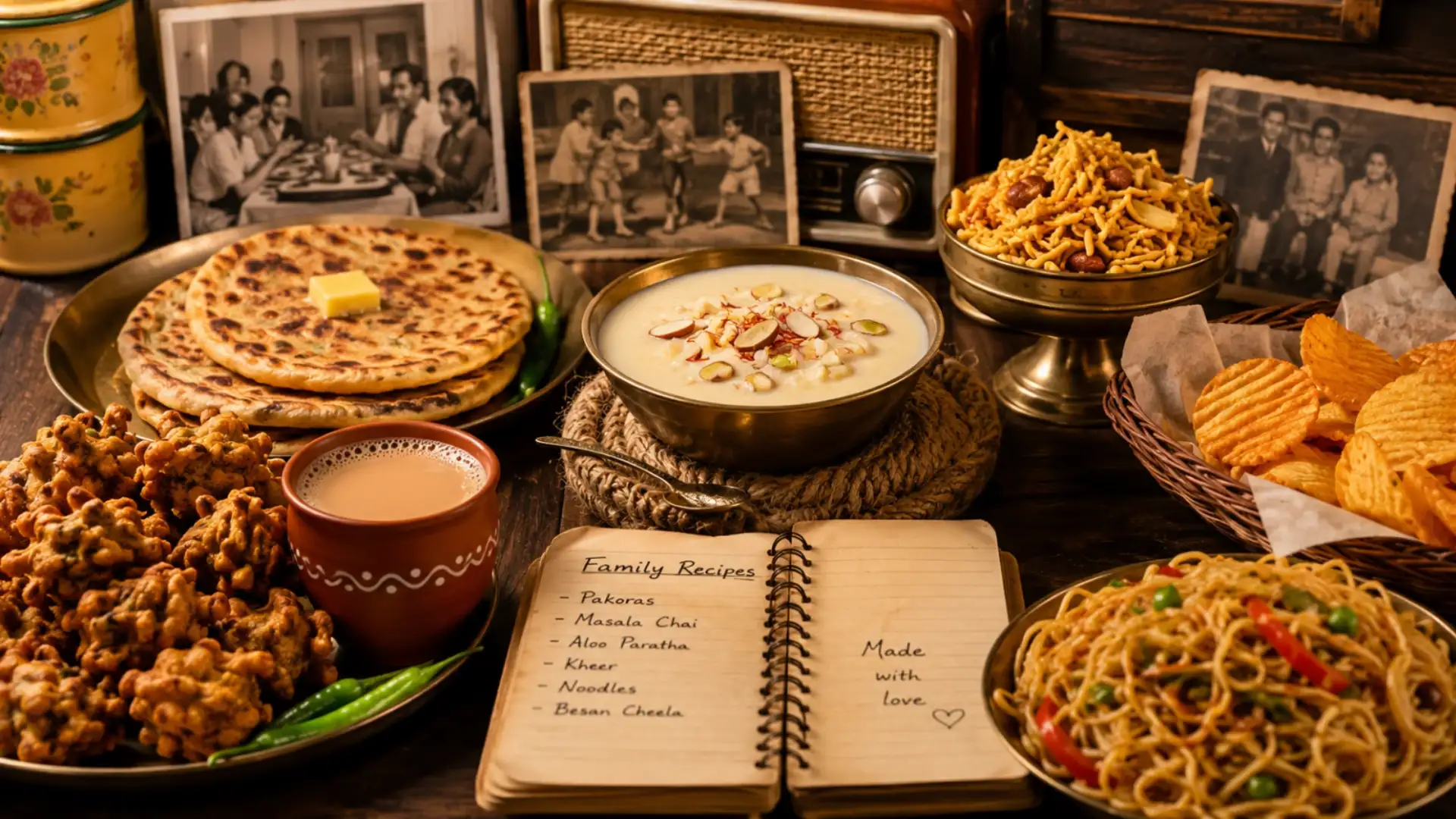
Scientists have studied this connection between food, memory and emotion for years. Smell is particularly powerful because the brain's olfactory system has close connections with regions involved in memory and emotion.
That helps explain why people often crave specific dishes when they feel homesick, stressed or simply nostalgic.
A traditional pudding might be made with less sugar. An old family curry may be presented as a modern bowl meal. Classic Indian snacks can appear at cafés alongside more contemporary dishes.
Social media has accelerated this process. Recipes that might once have existed only in a grandmother's handwritten notebook can now reach thousands of people through short videos and food blogs.
Food provides an unusually accessible form of comfort. You do not need to travel anywhere or buy something expensive to recreate a meaningful memory. Sometimes, cooking a dish associated with home is enough.
This may be one reason traditional recipes continue to survive even as eating habits change.
In India, this can mean everything from forgotten millet preparations and regional pickles to traditional sweets and home-style breakfasts. What was once considered ordinary can suddenly become interesting when people begin asking where their food traditions came from.
The revival therefore has a cultural dimension as well as a culinary one.
Restaurants may present a familiar dish in a more contemporary way, while home cooks adjust recipes according to modern ingredients, dietary preferences or cooking equipment.
That balance allows old foods to remain relevant without becoming museum pieces.
People may enjoy experimenting with global cuisines and modern food products, but familiar flavours continue to carry something that novelty cannot provide.
In the end, nostalgic food succeeds because it tells a story. It reminds us where a recipe came from, who cooked it and, perhaps most importantly, how a simple meal once made us feel.
Food Is More Than Just Fuel
Eating is closely linked with memory. The smell of a particular spice or the taste of a childhood snack can instantly remind someone of a family kitchen, a festival or a meal shared with relatives.Scientists have studied this connection between food, memory and emotion for years. Smell is particularly powerful because the brain's olfactory system has close connections with regions involved in memory and emotion.
That helps explain why people often crave specific dishes when they feel homesick, stressed or simply nostalgic.
Traditional Recipes Are Finding New Audiences
Nostalgic food does not necessarily mean eating exactly as previous generations did. Younger cooks are increasingly taking familiar recipes and adapting them to contemporary tastes.A traditional pudding might be made with less sugar. An old family curry may be presented as a modern bowl meal. Classic Indian snacks can appear at cafés alongside more contemporary dishes.
Social media has accelerated this process. Recipes that might once have existed only in a grandmother's handwritten notebook can now reach thousands of people through short videos and food blogs.
Why Comfort Matters Right Now
There is also a broader cultural reason for the return of familiar food. During periods of uncertainty or rapid change, people often look for things that feel stable and recognisable.Food provides an unusually accessible form of comfort. You do not need to travel anywhere or buy something expensive to recreate a meaningful memory. Sometimes, cooking a dish associated with home is enough.
This may be one reason traditional recipes continue to survive even as eating habits change.
The Rise of Regional and Forgotten Foods
The nostalgia trend is also helping lesser-known foods receive attention. Ingredients and recipes once considered old-fashioned are being rediscovered, particularly through interest in regional cooking .In India, this can mean everything from forgotten millet preparations and regional pickles to traditional sweets and home-style breakfasts. What was once considered ordinary can suddenly become interesting when people begin asking where their food traditions came from.
The revival therefore has a cultural dimension as well as a culinary one.
Nostalgia With a Modern Twist
Perhaps the most interesting part of the trend is that nostalgic food is not simply being copied from the past. It is being reinterpreted.Restaurants may present a familiar dish in a more contemporary way, while home cooks adjust recipes according to modern ingredients, dietary preferences or cooking equipment.
That balance allows old foods to remain relevant without becoming museum pieces.
Why the Comeback Matters
The return of nostalgic foods shows that food trends do not always move forwards. Sometimes they move backwards before moving forwards again.People may enjoy experimenting with global cuisines and modern food products, but familiar flavours continue to carry something that novelty cannot provide.
In the end, nostalgic food succeeds because it tells a story. It reminds us where a recipe came from, who cooked it and, perhaps most importantly, how a simple meal once made us feel.






Loving Newspoint? Download the app now
