
Why Childhood Sibling Fights Turn Into Adult Sibling Loyalty

You fought over the remote, the last piece of mithai, the window seat on every long car ride. You tattled, you sulked, you swore you would never speak again. And then, somewhere between those childhood battlegrounds and the adults you became, something shifted. The sibling you once could not stand became the one person who truly knows where you came from.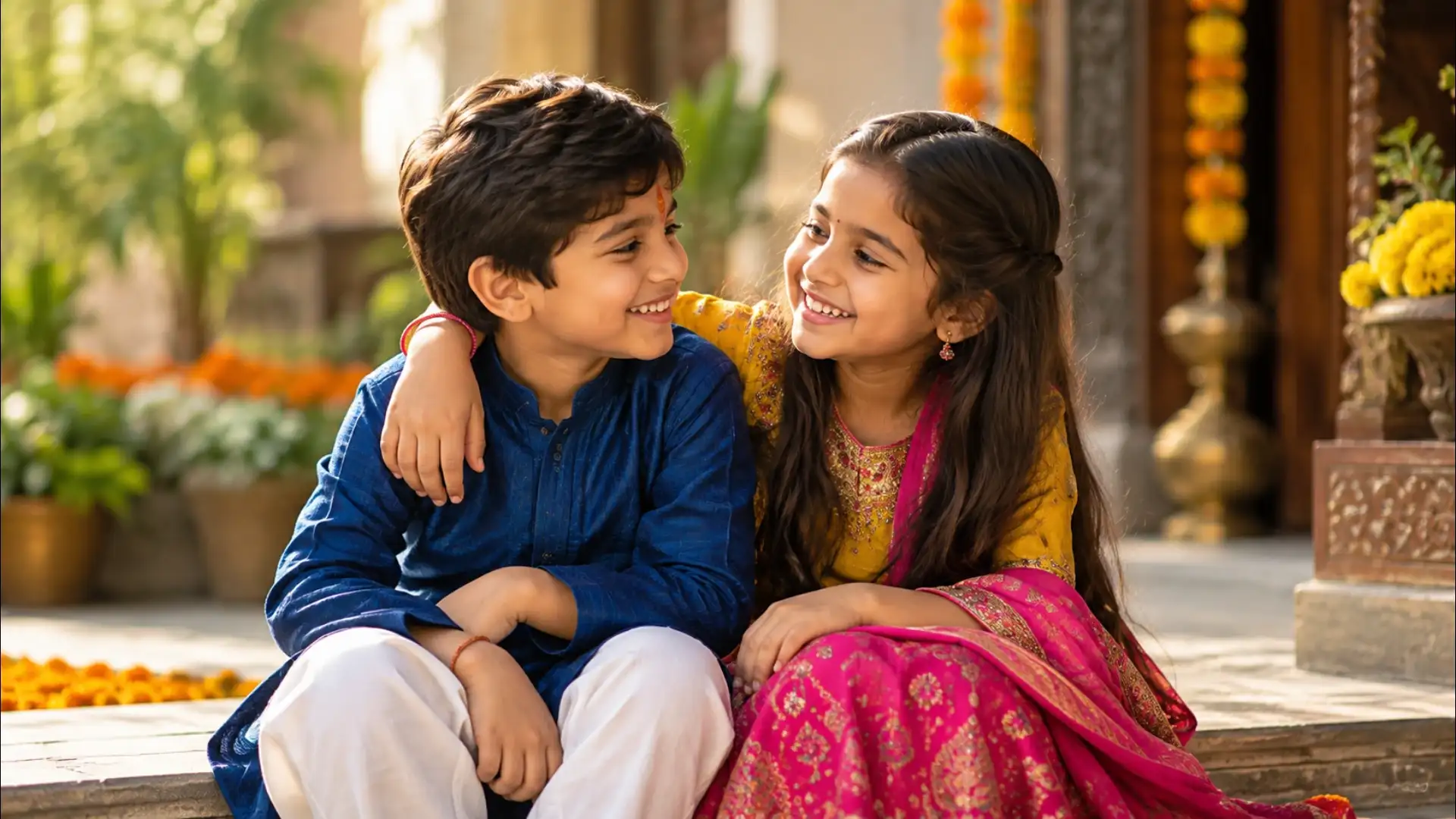
The Argument Was Never About the Eraser
Sibling fights in childhood are almost never about the thing they appear to be about. The eraser, the television channel, the bigger slice, these are just the available currency for something much older, the need to know where you stand. Children are constantly measuring their place in the family, and a sibling is the most immediate comparison point available. The fight is a negotiation. Who matters more right now? Whose need gets met first? These are not small questions for a child. They are the whole question. What makes this different from a fight with a friend is that the relationship cannot be ended. A friend who frustrates you can be avoided. A sibling is at the breakfast table the next morning, and the morning after that. This forced proximity means the repair has to happen. You learn to come back, to let it go, to find a way to coexist, not because you are noble, but because you have no choice. That repeated cycle of rupture and repair is exactly what builds the muscle that holds the adult relationship together.Shared Embarrassment Is a Stronger Bond Than Shared Success
Siblings do not just share a home. They share the specific texture of a particular family's life, its particular silences, its particular chaos, its particular brand of embarrassment. They know which parent's mood meant dinner would be quiet. They remember the car that kept breaking down, the flat that was too small, the relative nobody liked but everyone was polite to. This shared archive of the ordinary and the awkward creates something no adult friendship can replicate from scratch. A friend can be told about your childhood. A sibling lived it. The shorthand this creates is remarkable. A single look across a room at a family gathering can carry a paragraph's worth of meaning. That look says, I remember, I was there, I understand exactly what you are feeling right now. No explanation needed. This is not nostalgia. It is a shared private language, and it was built in the middle of those fights, those competitions, those years of being thrown together.You may also like
- A 16th-century Kashmiri poetess fell in love with Sultan Yusuf Shah Chak, but when Akbar sent him into exile, her hearbreak songs became Kashmir's folklore, and a peak in Gurez Valley came to bear her name; meet Habba Khatoon, the 'Nightingale of Kashmir'
- Community Connect: Chennai gets into the halloween spirit
- 6 Houseplants that are best for purifying indoor air and are backed by science
- Psychology says people who preserve old newspapers, greeting cards and even cinema tickets may have a deeper emotional connection with the past, finding it difficult to part with objects that hold memories of people, places and moments they never want to forget
- Fig Wasps and Figs: The Pollination Deal That Binds Two Species Forever
Competition Teaches You How the Other Person Works
Sibling rivalry, for all the distress it causes in the moment, is an extended study in another human being. When you compete with someone daily over years, you learn how they think, what they fear, what makes them retreat, what makes them push back. You learn their tells. You learn what matters to them and what does not. This knowledge does not disappear when the rivalry fades. It becomes the foundation of adult understanding. The sibling who once knew exactly which button to press to make you cry is the same person who, thirty years later, knows exactly what you need to hear when your marriage is struggling or your job falls apart. The intimacy is the same. Only the direction has changed, from wound to support. Research in developmental psychology consistently finds that sibling relationships, even conflicted ones, are among the longest-lasting relationships most people will have. The length matters. A relationship that has survived decades of ordinary friction has been tested in ways that newer relationships simply have not.Distance Clarifies What the Fighting Obscured
The shift from childhood rivalry to adult loyalty often happens not through a single moment of reconciliation but through physical distance. When siblings move to different cities, marry into different lives, or simply stop sharing a household, the daily irritations that fuelled the fights disappear. What remains is the underlying connection that was always there but was hard to see through the noise. Many people describe a quiet realisation in their twenties or thirties, the sibling they once resented is now the person they miss. The absence makes the bond visible in a way that constant proximity never could. This is also when shared history becomes actively valuable. Parents age. Family homes are sold. The people who remember the same things you remember become rare. A sibling is one of the few people left who can say, yes, I remember that too. That confirmation, that your past was real and shared, is something no new relationship can provide.The Bond That Needed No Agreement to Begin
Every other significant relationship in adult life is chosen. You chose your friends, your partner, your professional community. The sibling relationship is the one you were placed into without consent, which is also what makes it unlike anything else. There was no honeymoon period, no careful first impression, no version of yourself you could curate. They saw you at your worst before you knew what your worst looked like. That involuntary beginning, the lack of any performance at the start, is what makes the adult version of the relationship feel so steady. You are not maintaining an image with a sibling. You are just known. The fights were part of being known. The loyalty is what knowing someone for a lifetime, without the option of leaving, eventually produces.





Loving Newspoint? Download the app now
