
10 Fruit Desserts From Around the World You Can Make at Home

Fruit can be one of the simplest ways to make a sweet dish. You do not always need unusual ingredients or complicated techniques to create an interesting dessert. Apples, bananas, mangoes, oranges, peaches and berries can become completely different treats when they are prepared in different parts of the world.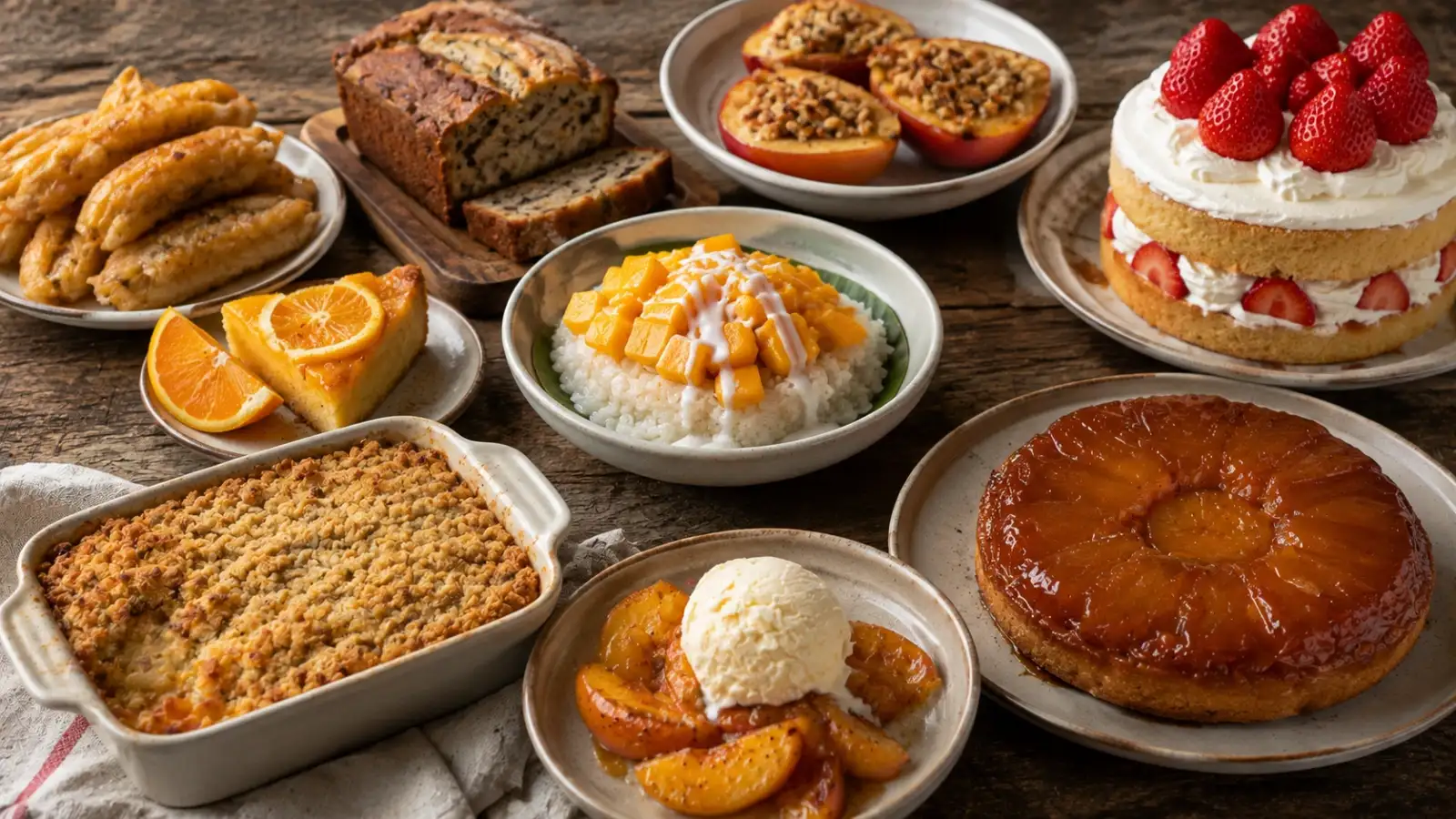
Across cultures, home cooks have found clever ways to turn seasonal fruit into puddings, pastries, cakes, fritters and chilled desserts. Some recipes are rich and comforting, while others are light enough for a warm afternoon.
The best part is that many of these fruit desserts use ingredients that are easy to find in an ordinary supermarket. Here are 10 sweet dishes from around the world that show just how versatile everyday fruit can be.
The apples are usually cooked with sugar and sometimes cinnamon before being covered with a mixture of flour, butter and sugar. The topping turns golden in the oven while the fruit underneath becomes soft and fragrant.
Serve it warm with custard, cream or ice cream for a comforting British dessert that is particularly enjoyable on a cool evening.
Ripe bananas are coated in a simple batter and fried until the outside becomes crisp and golden. The heat softens the banana inside, creating a delicious contrast between the crunchy coating and warm fruit.
They can be served as a snack or dessert and are a clever way to use bananas that have become very ripe.
The rice is cooked until soft and then mixed with sweetened coconut milk. It is served alongside slices of fresh mango, often with a little extra coconut sauce.
The combination of creamy coconut, chewy rice and juicy mango makes this Thai dessert both simple and satisfying.
The apples are cooked with butter and sugar until they become golden and sticky. Pastry is then placed over the fruit before the tart is baked. Once cooked, it is carefully turned upside down so the caramelised apples appear on top.
Although the finished dessert looks impressive, its basic ingredients are surprisingly ordinary.
Mashed bananas are combined with flour, sugar, eggs and other baking ingredients before being baked into a moist loaf.
The strong flavour of ripe bananas means you can make a delicious banana dessert without needing an elaborate list of ingredients. Nuts, cinnamon or chocolate chips can also be added.
Ripe peaches can be halved, filled with a mixture containing crushed biscuits, nuts or other simple ingredients and then baked until tender.
The heat brings out the fruit's natural sweetness while creating a soft, fragrant texture. This style of dessert reflects the Italian preference for allowing good seasonal ingredients to remain at the centre of a dish.
Depending on the recipe, orange juice and zest may be added to the batter, giving the cake a fresh citrus flavour.
The result is a soft dessert that works well with tea or coffee. It is also a useful reminder that an ordinary orange can become much more than a snack.
Unlike some rich Western-style cakes, the Japanese version is known for its soft texture and balanced sweetness. Fresh strawberries provide a bright contrast to the cream and sponge.
It is especially popular for celebrations and special occasions, showing how a simple fruit can become part of an elegant Japanese dessert.
As it bakes, the peach juices become thick and syrupy while the topping develops a golden surface.
It is often served warm with ice cream, creating a combination of hot fruit and cold creaminess that makes it a popular comfort dessert.
The pears are cooked slowly until tender while absorbing the flavours around them. Cinnamon, vanilla, cloves or orange peel can add extra fragrance.
The finished fruit can be served warm or chilled, sometimes with cream, yoghurt or chocolate sauce.
Baking apples softens them and brings out their aroma. Roasting peaches makes them juicy and tender, while frying bananas creates a crisp exterior around a soft centre.
Fruit also adds colour and freshness. A few strawberries can brighten a cake, while mango can make a simple bowl of sticky rice feel special.
This is why easy fruit desserts appear in so many different food cultures.
Have a few ripe bananas? Try fritters or banana bread. Apples can become crumble or tarte Tatin. Peaches can be baked or turned into a cobbler, while mango can be paired with coconut sticky rice.
The recipes may come from different corners of the world, but their basic idea is surprisingly universal. Take fruit, combine it with a few simple ingredients and transform it into something worth sharing.
The recipes also prove that delicious desserts do not always need complicated techniques. Sometimes the best results come from allowing the natural flavour of the fruit to take centre stage.
So, the next time you have a bowl of ripe fruit in your kitchen, look beyond eating it fresh. With a little inspiration from around the world, an ordinary apple, banana, mango or peach can become the starting point for a memorable sweet dish.
Across cultures, home cooks have found clever ways to turn seasonal fruit into puddings, pastries, cakes, fritters and chilled desserts. Some recipes are rich and comforting, while others are light enough for a warm afternoon.
The best part is that many of these fruit desserts use ingredients that are easy to find in an ordinary supermarket. Here are 10 sweet dishes from around the world that show just how versatile everyday fruit can be.
1. Apple Crumble From Britain
Apple crumble is a classic British dessert that combines soft cooked apples with a crisp, buttery topping. It became popular as a simple alternative to more elaborate baked desserts.The apples are usually cooked with sugar and sometimes cinnamon before being covered with a mixture of flour, butter and sugar. The topping turns golden in the oven while the fruit underneath becomes soft and fragrant.
Serve it warm with custard, cream or ice cream for a comforting British dessert that is particularly enjoyable on a cool evening.
2. Banana Fritters From Southeast Asia
Banana fritters are enjoyed in several parts of Southeast Asia, with different countries and regions having their own versions.Ripe bananas are coated in a simple batter and fried until the outside becomes crisp and golden. The heat softens the banana inside, creating a delicious contrast between the crunchy coating and warm fruit.
They can be served as a snack or dessert and are a clever way to use bananas that have become very ripe.
3. Mango Sticky Rice From Thailand
Mango sticky rice is one of Thailand's best-known fruit desserts. It combines sweet ripe mango with sticky rice and coconut milk.The rice is cooked until soft and then mixed with sweetened coconut milk. It is served alongside slices of fresh mango, often with a little extra coconut sauce.
The combination of creamy coconut, chewy rice and juicy mango makes this Thai dessert both simple and satisfying.
4. Tarte Tatin From France
Tarte Tatin is a French upside-down tart traditionally made with caramelised apples.The apples are cooked with butter and sugar until they become golden and sticky. Pastry is then placed over the fruit before the tart is baked. Once cooked, it is carefully turned upside down so the caramelised apples appear on top.
Although the finished dessert looks impressive, its basic ingredients are surprisingly ordinary.
5. Banana Bread From the United States
Banana bread became a popular way to use very ripe bananas, especially when home cooks did not want to waste fruit that had become too soft to eat on its own.Mashed bananas are combined with flour, sugar, eggs and other baking ingredients before being baked into a moist loaf.
The strong flavour of ripe bananas means you can make a delicious banana dessert without needing an elaborate list of ingredients. Nuts, cinnamon or chocolate chips can also be added.
6. Baked Peaches From Italy
Simple baked peaches are a good example of how fresh fruit can become an elegant dessert with very little effort.Ripe peaches can be halved, filled with a mixture containing crushed biscuits, nuts or other simple ingredients and then baked until tender.
The heat brings out the fruit's natural sweetness while creating a soft, fragrant texture. This style of dessert reflects the Italian preference for allowing good seasonal ingredients to remain at the centre of a dish.
7. Orange Cake From Portugal
Portugal has a strong tradition of citrus desserts, and orange cakes are particularly popular. These cakes use oranges to add both sweetness and fragrance.Depending on the recipe, orange juice and zest may be added to the batter, giving the cake a fresh citrus flavour.
The result is a soft dessert that works well with tea or coffee. It is also a useful reminder that an ordinary orange can become much more than a snack.
8. Strawberry Shortcake From Japan
Japanese strawberry shortcake is a light and delicate dessert made with sponge cake, whipped cream and fresh strawberries.Unlike some rich Western-style cakes, the Japanese version is known for its soft texture and balanced sweetness. Fresh strawberries provide a bright contrast to the cream and sponge.
It is especially popular for celebrations and special occasions, showing how a simple fruit can become part of an elegant Japanese dessert.
9. Peach Cobbler From the United States
Peach cobbler is a traditional American dessert that combines juicy peaches with a baked topping. The fruit is usually cooked with sugar before being covered with a biscuit-like or cake-like mixture.As it bakes, the peach juices become thick and syrupy while the topping develops a golden surface.
It is often served warm with ice cream, creating a combination of hot fruit and cold creaminess that makes it a popular comfort dessert.
10. Poached Pears From France
Pears can be transformed into an elegant dessert simply by gently cooking them in a sweet liquid. Poached pears are commonly prepared with ingredients such as sugar, spices and citrus.The pears are cooked slowly until tender while absorbing the flavours around them. Cinnamon, vanilla, cloves or orange peel can add extra fragrance.
The finished fruit can be served warm or chilled, sometimes with cream, yoghurt or chocolate sauce.
Why Fruit Works So Well in Desserts
Fruit already contains natural sweetness, which means it can provide much of the flavour needed in a dessert. Cooking can make that sweetness even more noticeable.You may also like
- In 2017, a professor found a dried coconut leaf on a walk; years later, it had inspired straws designed to replace plastic
- Indian-origin 7-year-old stuns with GCSE Maths result nearly 9 years early after finding primary school “too boring”; now preparing for A-levels
- Measuring Your Body's True Biological Age: How the New 'Intrinsic Capacity' Score Reveals Physical and Mental Strength
- What David Beckham's parenting journey teaches about staying connected with children: Being present is the greatest gift
- From one hour of study for a thekua to changing how India learns Physics: How HC Verma went from a struggling student in Bihar to a teacher millions turned to
Baking apples softens them and brings out their aroma. Roasting peaches makes them juicy and tender, while frying bananas creates a crisp exterior around a soft centre.
Fruit also adds colour and freshness. A few strawberries can brighten a cake, while mango can make a simple bowl of sticky rice feel special.
This is why easy fruit desserts appear in so many different food cultures.
You Do Not Need Exotic Ingredients
One of the most appealing things about these desserts is that many can be made with everyday fruit. You do not need to search for rare ingredients to experience flavours inspired by different countries.Have a few ripe bananas? Try fritters or banana bread. Apples can become crumble or tarte Tatin. Peaches can be baked or turned into a cobbler, while mango can be paired with coconut sticky rice.
The recipes may come from different corners of the world, but their basic idea is surprisingly universal. Take fruit, combine it with a few simple ingredients and transform it into something worth sharing.
Everyday Fruit With a Global Twist
From Britain's apple crumble to Thailand's mango sticky rice and France's tarte Tatin, these fruit-based desserts show how different cultures have found their own ways to celebrate familiar ingredients.The recipes also prove that delicious desserts do not always need complicated techniques. Sometimes the best results come from allowing the natural flavour of the fruit to take centre stage.
So, the next time you have a bowl of ripe fruit in your kitchen, look beyond eating it fresh. With a little inspiration from around the world, an ordinary apple, banana, mango or peach can become the starting point for a memorable sweet dish.






Loving Newspoint? Download the app now
