
From Berries to Cherries: Fruits That May Help Reduce Inflammation

Inflammation is a natural response through which the body protects itself from injury and infection. However, prolonged inflammation may be linked with several health concerns. Diet can play a role in supporting the body's natural inflammatory response, and including a variety of fruits can be a simple way to add antioxidants, fibre and other beneficial plant compounds to meals.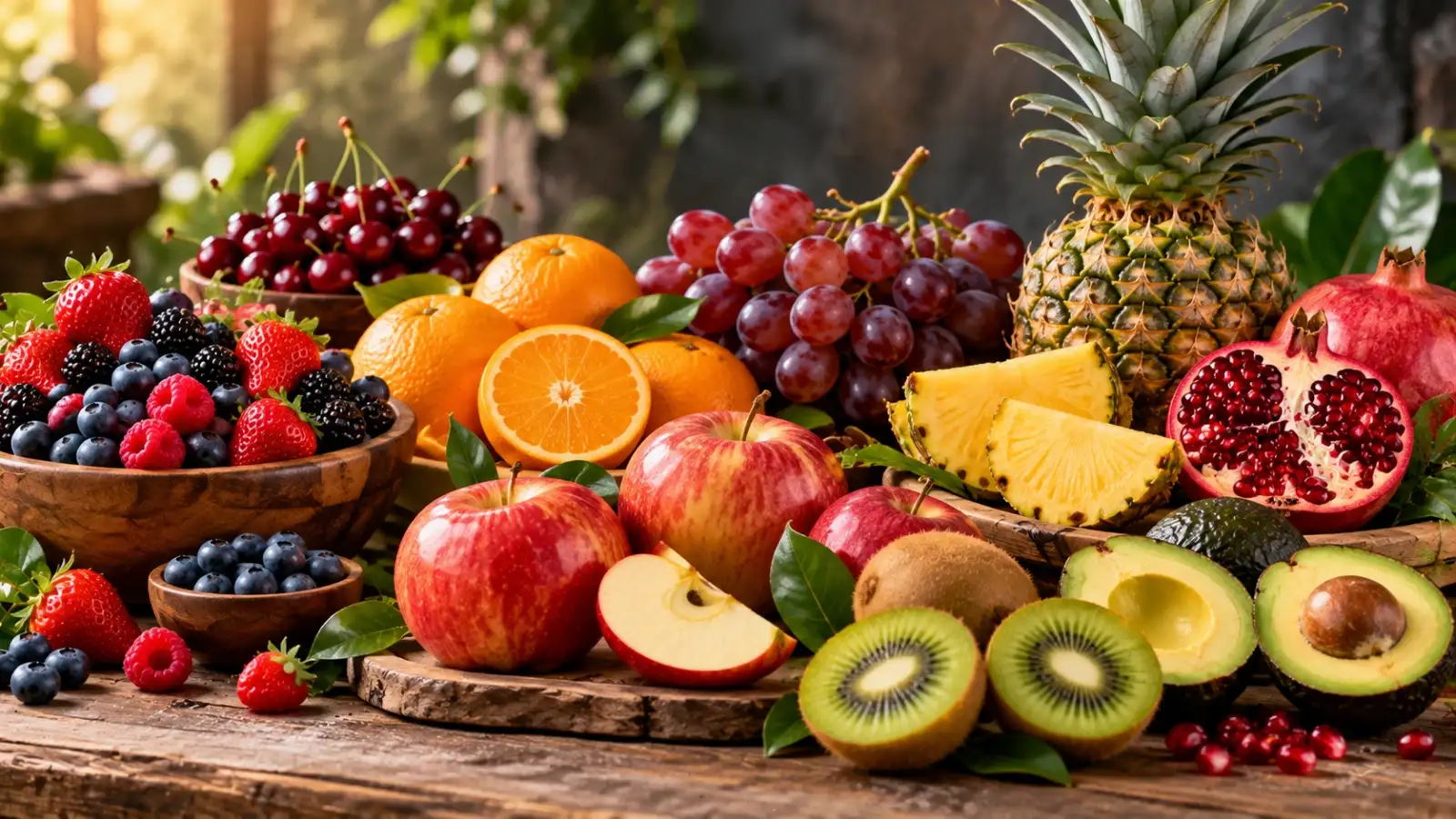
Here are some fruits that may help support a balanced inflammatory response when included as part of an overall healthy diet.
Whole fruits are generally a better choice than fruit juices because they retain their fibre and are more filling. It is also important to remember that no single food can eliminate inflammation. A balanced diet, regular physical activity, adequate sleep and other healthy habits all contribute to overall wellbeing.
Disclaimer: This article is for general information purposes only. The nutritional information discussed here should not be considered medical advice or a substitute for professional treatment. People with persistent inflammation or health concerns should consult a qualified healthcare professional.
Here are some fruits that may help support a balanced inflammatory response when included as part of an overall healthy diet.
Berries
Strawberries, blueberries, raspberries and blackberries are rich in antioxidants and plant compounds called polyphenols. These compounds may help protect cells from oxidative stress and support the body's normal inflammatory processes. Berries can be added to yoghurt, porridge or eaten as a snack.Cherries
Cherries contain anthocyanins, antioxidant compounds responsible for much of their red colour. Research has explored cherries and their potential role in supporting recovery after exercise and managing inflammatory processes. Fresh cherries can be enjoyed on their own or added to a fruit bowl.Oranges
Oranges are well known for their vitamin C content and also provide flavonoids and fibre. Vitamin C contributes to normal immune function and helps protect cells from oxidative stress. Eating the whole fruit rather than relying only on juice also provides dietary fibre.Apples
Apples provide fibre and a range of plant compounds, particularly in and around the skin. Their antioxidant content may contribute to overall cellular protection. Keeping the skin on after washing the fruit can help retain more of its fibre and plant compounds.Grapes
Grapes contain polyphenols, including resveratrol, as well as other antioxidant compounds. These nutrients have been studied for their potential effects on inflammation and cardiovascular health. Choose whole grapes instead of products with added sugar.Pineapple
Pineapple contains vitamin C, manganese and an enzyme called bromelain. Bromelain has been studied for its potential effects on inflammatory processes, although eating pineapple should not be considered a treatment for inflammation or any medical condition.Pomegranate
Pomegranate is rich in polyphenols and other antioxidant compounds. Studies have examined pomegranate and its possible role in supporting cardiovascular and metabolic health. The seeds can be added to salads, yoghurt or eaten as a snack.Avocado
Although commonly used in savoury dishes, avocado is technically a fruit. It provides monounsaturated fats, fibre, potassium and various plant compounds. Its nutrient profile can complement an overall diet that focuses on minimally processed foods.Kiwi
Kiwi provides vitamin C, fibre and several antioxidant compounds. Adding it to breakfast or eating it as a snack can increase fruit variety while contributing important nutrients to the diet.How To Include More Fruits In Your Diet
Rather than depending on one particular fruit, aim for variety. Mix different fruits through the week and pair them with other nutritious foods such as whole grains, vegetables, pulses, nuts and seeds.Whole fruits are generally a better choice than fruit juices because they retain their fibre and are more filling. It is also important to remember that no single food can eliminate inflammation. A balanced diet, regular physical activity, adequate sleep and other healthy habits all contribute to overall wellbeing.
Disclaimer: This article is for general information purposes only. The nutritional information discussed here should not be considered medical advice or a substitute for professional treatment. People with persistent inflammation or health concerns should consult a qualified healthcare professional.
Next Story