
Game-Changing Blood Test Breakthrough: How Tiny Blood Platelets Could Detect Parkinson's Early


In a monumental medical discovery that could fundamentally transform how clinicians screen for neurodegenerative disorders, European researchers have uncovered that the tiniest cellular fragments in human blood could unlock the deepest biological secrets of Parkinson’s disease. Long notoriously difficult to detect prior to the onset of motor tremors and severe cognitive decline, Parkinson’s may soon be tracked via routine liquid biopsies.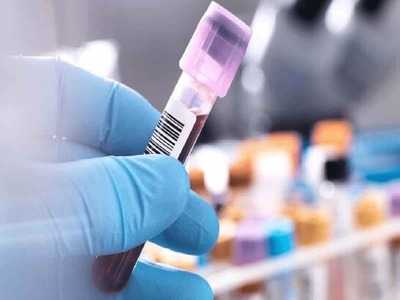 According to pioneering findings published in the premier medical journal Movement Disorders, clinical investigators in Spain have demonstrated that targeted molecular alterations occurring within blood platelets provide a sensitive, early-stage biological alarm bell for disease progression, offering fresh hope for timely therapeutic intervention.The Spanish Clinical Mystery: Rapid Onset and the Discovery of Spontaneous SNCA MutationsThe medical breakthrough originated during the evaluation of an aggressive early-onset case managed by scientists at the prestigious Germans Trias i Pujol Research Institute (IGTP) in Spain.The patient developed symptoms of Parkinson’s disease at an unusually young age, which progressed with alarming speed into severe dementia within just three years. Upon conducting an exhaustive genomic sequencing of the patient's biological profile, researchers discovered three tandem copies of a distinct chromosomal region housing the critical SNCA gene—the primary genetic code responsible for producing the alpha-synuclein protein. In neurodegenerative pathology, alpha-synuclein misfolds and clumps into toxic aggregations known as Lewy bodies, destroying dopamine-producing neurons.Crucially, the team established that this genetic duplication was a de novo mutation, confirming that the patient did not inherit the fault from parents, but rather developed the genetic anomaly spontaneously—proving that rapid Parkinson’s can emerge unpredictably without any familial history.Platelets Over Whole Blood: Unlocking a High-Precision Window into Brain PathologyTracking the patient's biological journey from age 41 at initial diagnosis to age 44 after the onset of dementia, investigators analyzed dynamic transcriptomic and molecular expression shifts across multiple biological samples over time.The findings revealed that disease-related biochemical alterations were dramatically more pronounced and clearly isolated within blood platelets than in conventional whole-blood samples. Because blood platelets share striking biochemical, enzymatic, and receptor characteristics with central nervous system neurons, their cellular behavior closely mirrors brain metabolism. By identifying how these circulating fragments capture the progressive footprint of the disease, medical researchers have established a promising biomarker roadmap that could pave the way for a simple, non-invasive blood test to diagnose, track, and monitor Parkinson's progression years before permanent brain damage occurs.
Next Story