
Gandhi Jayanti 2026: History, Significance and Interesting Facts

Gandhi Jayanti is observed every year on 2 October to mark the birth anniversary of Mahatma Gandhi , one of the most influential figures in India's freedom movement. In 2026, Gandhi Jayanti will be observed on Friday, 2 October.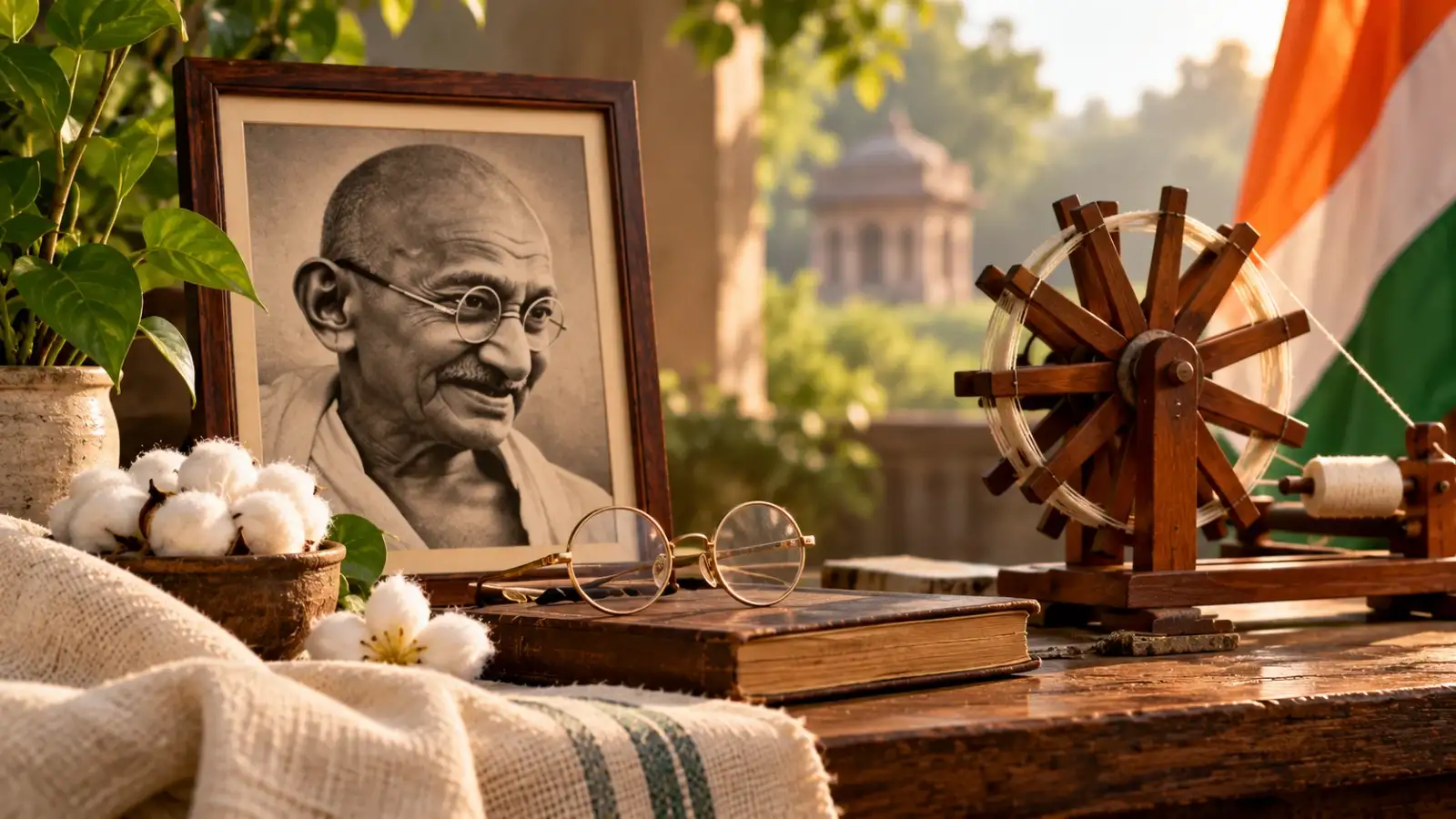
The day is remembered for Gandhi's philosophy of non-violence, truth and peaceful resistance. It is also an opportunity to reflect on his contribution to India's independence movement and the principles associated with his public life.
Gandhi became a prominent leader of India's struggle against British rule. Rather than relying primarily on armed resistance, he promoted Satyagraha , a form of non-violent resistance based on truth and peaceful action.
His ideas influenced several major movements during India's independence struggle and later inspired civil rights and political movements in other parts of the world.
The day is a national holiday in India. Government institutions, schools and organisations often conduct commemorative programmes, while communities may organise cleanliness drives, discussions and other activities associated with Gandhi's principles.
He subsequently became a major figure in the Indian National Congress and participated in several important movements against British rule.
The Non-Cooperation Movement, Salt March and Quit India Movement are among the major episodes associated with his political activism.
The Salt March of 1930 became particularly significant. Gandhi and his followers marched from Sabarmati Ashram to Dandi to challenge the British salt laws, turning the issue into a wider act of civil resistance.
For Gandhi, resistance did not simply mean refusing to cooperate. It involved discipline, personal sacrifice and a commitment to avoiding violence.
The concept became an important part of several campaigns during India's independence movement.
He argued that social and political change could be pursued without resorting to physical violence. This approach shaped his campaigns and became one of the most widely recognised aspects of his legacy.
His philosophy later attracted international attention and influenced figures involved in other movements for social and political rights.
This means Gandhi Jayanti has both national significance in India and a broader international connection with the promotion of peaceful action.
The spinning wheel, or Charkha, became an important symbol of this idea. Gandhi promoted hand-spinning and the use of khadi as part of his broader emphasis on self-reliance and rural economic development.
Khadi subsequently became closely associated with India's freedom movement and Gandhi's public image.
Leaders and members of the public traditionally pay their respects at the memorial. Schools and other institutions may organise prayer meetings, speeches, essay competitions, discussions and cleanliness activities.
The day is also associated with promoting values such as cleanliness, peaceful coexistence and social responsibility.
Gandhi Jayanti therefore goes beyond commemorating a birth anniversary. It provides an opportunity to revisit an important period in India's history and consider the ideas that shaped one of the country's most prominent freedom movement leaders.
The day is remembered for Gandhi's philosophy of non-violence, truth and peaceful resistance. It is also an opportunity to reflect on his contribution to India's independence movement and the principles associated with his public life.
Why Is Gandhi Jayanti Celebrated?
Gandhi Jayanti commemorates the birth of Mohandas Karamchand Gandhi, who was born on 2 October 1869 in Porbandar, Gujarat.Gandhi became a prominent leader of India's struggle against British rule. Rather than relying primarily on armed resistance, he promoted Satyagraha , a form of non-violent resistance based on truth and peaceful action.
His ideas influenced several major movements during India's independence struggle and later inspired civil rights and political movements in other parts of the world.
When Is Gandhi Jayanti 2026 ?
Gandhi Jayanti will be celebrated on Friday, 2 October 2026.The day is a national holiday in India. Government institutions, schools and organisations often conduct commemorative programmes, while communities may organise cleanliness drives, discussions and other activities associated with Gandhi's principles.
Gandhi's Role in India's Freedom Movement
Gandhi returned to India from South Africa in 1915 after spending years developing his approach to non-violent resistance.He subsequently became a major figure in the Indian National Congress and participated in several important movements against British rule.
The Non-Cooperation Movement, Salt March and Quit India Movement are among the major episodes associated with his political activism.
The Salt March of 1930 became particularly significant. Gandhi and his followers marched from Sabarmati Ashram to Dandi to challenge the British salt laws, turning the issue into a wider act of civil resistance.
What Does Satyagraha Mean?
Satyagraha is closely associated with Gandhi's philosophy and is generally understood as holding firmly to truth through non-violent resistance.For Gandhi, resistance did not simply mean refusing to cooperate. It involved discipline, personal sacrifice and a commitment to avoiding violence.
The concept became an important part of several campaigns during India's independence movement.
Gandhi and Non-Violence
Non-violence, or Ahimsa , was central to Gandhi's political and personal philosophy.He argued that social and political change could be pursued without resorting to physical violence. This approach shaped his campaigns and became one of the most widely recognised aspects of his legacy.
His philosophy later attracted international attention and influenced figures involved in other movements for social and political rights.
Why Is 2 October Also Observed as International Day of Non-Violence ?
The significance of 2 October extends beyond India. In 2007, the United Nations declared 2 October as the International Day of Non-Violence, recognising Gandhi's legacy and promoting the message of non-violence.This means Gandhi Jayanti has both national significance in India and a broader international connection with the promotion of peaceful action.
Gandhi's Connection With Swadeshi
Gandhi strongly supported Swadeshi, encouraging people to use locally produced goods and strengthen India's economic self-reliance.The spinning wheel, or Charkha, became an important symbol of this idea. Gandhi promoted hand-spinning and the use of khadi as part of his broader emphasis on self-reliance and rural economic development.
Khadi subsequently became closely associated with India's freedom movement and Gandhi's public image.
Gandhi Jayanti Celebrations in India
Gandhi Jayanti is marked through commemorative events across the country. One of the most significant ceremonies takes place at Raj Ghat in New Delhi, the memorial dedicated to Gandhi.Leaders and members of the public traditionally pay their respects at the memorial. Schools and other institutions may organise prayer meetings, speeches, essay competitions, discussions and cleanliness activities.
The day is also associated with promoting values such as cleanliness, peaceful coexistence and social responsibility.
Interesting Facts About Mahatma Gandhi
- Mahatma Gandhi was born on 2 October 1869 in Porbandar, Gujarat.
- His full name was Mohandas Karamchand Gandhi.
- He studied law in London and later worked in South Africa.
- He returned to India in 1915.
- The Salt March of 1930 became one of the most recognised acts of civil resistance during the freedom movement.
- Gandhi promoted khadi and the Charkha as symbols of self-reliance.
- He was assassinated on 30 January 1948 in New Delhi.
- The United Nations observes 2 October as the International Day of Non-Violence.
Gandhi's Legacy
Gandhi remains an important and sometimes debated historical figure whose ideas have been studied in India and around the world. His emphasis on non-violence, truth, civil resistance and self-reliance continues to feature in discussions about political movements and social change.Gandhi Jayanti therefore goes beyond commemorating a birth anniversary. It provides an opportunity to revisit an important period in India's history and consider the ideas that shaped one of the country's most prominent freedom movement leaders.
Next Story