
Ganesh Chaturthi 2026: Check September 14 puja muhurat, Ganpati Sthapana vidhi, vrat katha, fasting rules and visarjan date


Ganesh Chaturthi 2026 will be celebrated on Monday, September 14 as it marks the beginning of one of one of the most awaited festivals. The Ganeshotsav will welcome Lord Ganesha into homes, housing societies and public pandals across the city with devotees seeking Bappa’s blessings.
The festival commences with Ganpati Sthapana where devotees perform the ceremonial installation of Lord Ganesha’s idol and Pran Pratishtha. This is succeeded by daily puja, aarti and offerings before it is finally taken for visarjan. While some families immerse the idol after one-and-a-half, three, five or seven days, the biggest farewell takes place on Anant Chaturdashi, September 25, 2026.
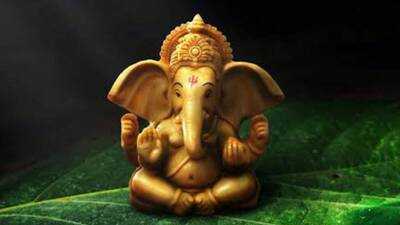
Ganesh Chaturthi 2026 date and tithi in MumbaiIn Mumbai, Ganesh Chaturthi will be observed on September 14, 2026. According to the Mumbai Panchang, the Bhadrapada Shukla Chaturthi Tithi begins at 7:06 AM on September 14 and comes to an end at 7:44 AM on September 15.
The festival is observed on September 14 as the Chaturthi Tithi is present during the recommended period for Ganesh Chaturthi puja. The Madhyahna period or midday is of especial importance for Ganesh worship as it is associated with Lord Ganesha’s birth.
Ganesh Chaturthi 2026 shubh muhurat in MumbaiFor the devotees in Mumbai, the Ganesh Chaturthi Puja Muhurat is from 11:20 AM to 1:48 PM on September 14. This gives the devotees a little over two hours to perform the main Ganpati puja and related rituals.
Key Ganesh Chaturthi 2026 timings for Mumbai
Ganesh Chaturthi: Monday, September 14, 2026
Chaturthi Tithi begins: 7:06 AM, September 14
Ganesh Puja Muhurat: 11:20 AM to 1:48 PM
Chaturthi Tithi ends: 7:44 AM, September 15
Anant Chaturdashi/Ganpati Visarjan: Friday, September 25, 2026
It is important for devotees to bear in mind that muhurat calculations are location-specific. The timings mentioned above are specially for Mumbai and should not be automatically transferred to other cities.
Ganpati Sthapana and Puja VidhiOn Ganesh Chaturthi, devotees traditionally clean their homes and prepare a dedicated space or mandap for Bappa. The area is adorned with flowers, rangoli, torans, lights and festive elements. A raised platform is prepared for the idol.
After taking a bath and wearing clean clothes, devotees bring the idol to the prepared space and put it on the platform during the auspicious period. Many families choose to use clay or eco-friendly idols for the festival.
The puja begins with Sankalp in which devotees formally resolve to perform the worship. This is followed by the invocation of Lord Ganesha and Pran Pratishtha, the ceremony by which the deity is ceremonially invoked into the idol.
The idol is then worshipped with water, sandalwood paste, turmeric, kumkum, flowers and Durva grass. Durva is considered to be especially sacred in Ganesha worship. Red flowers are also commonly offered to Bappa.
Devotees offer modak, fruits, sweets and other naivedya. Modak has a special place in Ganesh worship and is among the most recognisable offerings associated with the festival.
Depending on family tradition, the puja may include the offering of clothes, sacred thread, incense, a lamp and other articles. Devotees may recite Ganesh mantras and the Ganesh Atharvashirsha before performing the aarti.
The puja concludes with prayers seeking Lord Ganesha’s blessings for wisdom, prosperity, happiness and freedom from obstacles. Prasad is then distributed among family members and other devotees.
Ganesh Chaturthi vrat and fasting rulesMany devotees observe a vrat or fast on Ganesh Chaturthi, although the way it is observed differs from one household to another.
Some devotees choose to observe a complete fast while others follow phalahar, eating fruits, milk, nuts and other foods considered suitable for fasting. Some devotees may have a single sattvic meal during the day.
The purpose of the vrat is traditionally associated with devotion, discipline and focusing the mind on Lord Ganesha rather than just avoiding food.
There is no universal requirement that every devotee must undertake a strict fast. People who cannot safely fast can participate in the puja and prayers without a rigorous food restriction. Children, the elderly and those with specific dietary needs should follow suitable practices.
Ganesh Chaturthi fasting should also not be confused with the monthly Sankashti Chaturthi vrat. Although both are associated with Chaturthi and Lord Ganesha, their observances are different.
Ganesh Chaturthi Vrat KathaOne of the most popularly narrated stories associated with Ganesh Chaturthi concerns Lord Ganesha and Chandra Dev, the Moon God.
According to the traditional legend, Lord Ganesha once attended a feast and ate a great deal of food. While returning on his mouse vehicle, he stumbled and fell. The food spilled from his stomach and Ganesha gathered it and tied a snake around his stomach to hold everything together.
Chandra Dev witnessed the incident and laughed at Ganesha. Angered by the Moon’s behaviour, Lord Ganesha cursed him.
Chandra later realised his mistake and sought forgiveness. Ganesha eventually softened the curse but declared that anyone who saw the Moon on Chaturthi could face false accusations or allegations.
This story is traditionally associated with the practice of avoiding Moon sighting on Ganesh Chaturthi. The day is also associated with the name Kalank Chaturthi because of this belief.
The exact period during which devotees should avoid looking at the Moon is location-specific and should therefore be checked against the Mumbai Panchang.
Ganpati Visarjan 2026 in MumbaiThe grand culmination of Ganeshotsav will take place on Friday, September 25, 2026, on Anant Chaturdashi. This is the traditional 10-day culmination of the festival and one of the biggest days of the Ganesh Chaturthi celebrations in Mumbai.
However, families do not necessarily have to keep Bappa for 10 days. Depending on their tradition, some households perform visarjan after one-and-a-half, three, five or seven days.
On the day of immersion, devotees perform the final puja and aarti, before carrying the idol in a procession. The farewell is accompanied by devotional songs and the familiar chant of “Ganpati Bappa Morya.”
The immersion is traditionally understood as the return of Lord Ganesha’s physical form to the elements. The farewell therefore represents the temporary nature of the physical form while devotees continue to carry the deity’s blessings and teachings with them.
In Mumbai, Ganpati Visarjan is also a major public spectacle with the devotees gathering along the designated routes and immersion points to bid farewell to Bappa.
Eco-friendly Ganpati celebrations and visarjanWith thousands of idols immersed during Ganeshotsav, eco-friendly celebrations have become a big concern. Devotees can opt for natural clay idols and avoid decorations made from materials that can harm water bodies.
Families can also comply with municipal guidelines for immersion and use designated artificial ponds or collection facilities wherever available.
Choosing sustainable decorations is another way to reduce the environmental impact of the festival. Natural flowers, cloth, paper, bamboo and reusable decorative materials can be used in place of thermocol and excessive plastic.
Ganesh Chaturthi remains one of Mumbai’s most cherished festivals as it unites families and communities in devotion and celebration. From the moment Bappa arrives at homes and pandals to the emotional farewell on visarjan day, the festival is centred around a simple prayer: that Lord Ganesha removes obstacles, offers wisdom and prosperity and returns again the following year.
Note: Puja, Moon-sighting and visarjan timings can vary according to location. The timings mentioned above are specifically for Mumbai and are based on the city’s 2026 Panchang. Devotees in other cities should check their respective Panchang before performing the rituals.
The festival commences with Ganpati Sthapana where devotees perform the ceremonial installation of Lord Ganesha’s idol and Pran Pratishtha. This is succeeded by daily puja, aarti and offerings before it is finally taken for visarjan. While some families immerse the idol after one-and-a-half, three, five or seven days, the biggest farewell takes place on Anant Chaturdashi, September 25, 2026.
Ganesh Chaturthi 2026 date and tithi in MumbaiIn Mumbai, Ganesh Chaturthi will be observed on September 14, 2026. According to the Mumbai Panchang, the Bhadrapada Shukla Chaturthi Tithi begins at 7:06 AM on September 14 and comes to an end at 7:44 AM on September 15.
The festival is observed on September 14 as the Chaturthi Tithi is present during the recommended period for Ganesh Chaturthi puja. The Madhyahna period or midday is of especial importance for Ganesh worship as it is associated with Lord Ganesha’s birth.
Ganesh Chaturthi 2026 shubh muhurat in MumbaiFor the devotees in Mumbai, the Ganesh Chaturthi Puja Muhurat is from 11:20 AM to 1:48 PM on September 14. This gives the devotees a little over two hours to perform the main Ganpati puja and related rituals.
Key Ganesh Chaturthi 2026 timings for Mumbai
Ganesh Chaturthi: Monday, September 14, 2026
Chaturthi Tithi begins: 7:06 AM, September 14
Ganesh Puja Muhurat: 11:20 AM to 1:48 PM
Chaturthi Tithi ends: 7:44 AM, September 15
Anant Chaturdashi/Ganpati Visarjan: Friday, September 25, 2026
It is important for devotees to bear in mind that muhurat calculations are location-specific. The timings mentioned above are specially for Mumbai and should not be automatically transferred to other cities.
Ganpati Sthapana and Puja VidhiOn Ganesh Chaturthi, devotees traditionally clean their homes and prepare a dedicated space or mandap for Bappa. The area is adorned with flowers, rangoli, torans, lights and festive elements. A raised platform is prepared for the idol.
After taking a bath and wearing clean clothes, devotees bring the idol to the prepared space and put it on the platform during the auspicious period. Many families choose to use clay or eco-friendly idols for the festival.
The puja begins with Sankalp in which devotees formally resolve to perform the worship. This is followed by the invocation of Lord Ganesha and Pran Pratishtha, the ceremony by which the deity is ceremonially invoked into the idol.
The idol is then worshipped with water, sandalwood paste, turmeric, kumkum, flowers and Durva grass. Durva is considered to be especially sacred in Ganesha worship. Red flowers are also commonly offered to Bappa.
Devotees offer modak, fruits, sweets and other naivedya. Modak has a special place in Ganesh worship and is among the most recognisable offerings associated with the festival.
Depending on family tradition, the puja may include the offering of clothes, sacred thread, incense, a lamp and other articles. Devotees may recite Ganesh mantras and the Ganesh Atharvashirsha before performing the aarti.
The puja concludes with prayers seeking Lord Ganesha’s blessings for wisdom, prosperity, happiness and freedom from obstacles. Prasad is then distributed among family members and other devotees.
Ganesh Chaturthi vrat and fasting rulesMany devotees observe a vrat or fast on Ganesh Chaturthi, although the way it is observed differs from one household to another.
Some devotees choose to observe a complete fast while others follow phalahar, eating fruits, milk, nuts and other foods considered suitable for fasting. Some devotees may have a single sattvic meal during the day.
The purpose of the vrat is traditionally associated with devotion, discipline and focusing the mind on Lord Ganesha rather than just avoiding food.
There is no universal requirement that every devotee must undertake a strict fast. People who cannot safely fast can participate in the puja and prayers without a rigorous food restriction. Children, the elderly and those with specific dietary needs should follow suitable practices.
Ganesh Chaturthi fasting should also not be confused with the monthly Sankashti Chaturthi vrat. Although both are associated with Chaturthi and Lord Ganesha, their observances are different.
Ganesh Chaturthi Vrat KathaOne of the most popularly narrated stories associated with Ganesh Chaturthi concerns Lord Ganesha and Chandra Dev, the Moon God.
According to the traditional legend, Lord Ganesha once attended a feast and ate a great deal of food. While returning on his mouse vehicle, he stumbled and fell. The food spilled from his stomach and Ganesha gathered it and tied a snake around his stomach to hold everything together.
Chandra Dev witnessed the incident and laughed at Ganesha. Angered by the Moon’s behaviour, Lord Ganesha cursed him.
Chandra later realised his mistake and sought forgiveness. Ganesha eventually softened the curse but declared that anyone who saw the Moon on Chaturthi could face false accusations or allegations.
This story is traditionally associated with the practice of avoiding Moon sighting on Ganesh Chaturthi. The day is also associated with the name Kalank Chaturthi because of this belief.
The exact period during which devotees should avoid looking at the Moon is location-specific and should therefore be checked against the Mumbai Panchang.
Ganpati Visarjan 2026 in MumbaiThe grand culmination of Ganeshotsav will take place on Friday, September 25, 2026, on Anant Chaturdashi. This is the traditional 10-day culmination of the festival and one of the biggest days of the Ganesh Chaturthi celebrations in Mumbai.
However, families do not necessarily have to keep Bappa for 10 days. Depending on their tradition, some households perform visarjan after one-and-a-half, three, five or seven days.
On the day of immersion, devotees perform the final puja and aarti, before carrying the idol in a procession. The farewell is accompanied by devotional songs and the familiar chant of “Ganpati Bappa Morya.”
The immersion is traditionally understood as the return of Lord Ganesha’s physical form to the elements. The farewell therefore represents the temporary nature of the physical form while devotees continue to carry the deity’s blessings and teachings with them.
In Mumbai, Ganpati Visarjan is also a major public spectacle with the devotees gathering along the designated routes and immersion points to bid farewell to Bappa.
Eco-friendly Ganpati celebrations and visarjanWith thousands of idols immersed during Ganeshotsav, eco-friendly celebrations have become a big concern. Devotees can opt for natural clay idols and avoid decorations made from materials that can harm water bodies.
Families can also comply with municipal guidelines for immersion and use designated artificial ponds or collection facilities wherever available.
Choosing sustainable decorations is another way to reduce the environmental impact of the festival. Natural flowers, cloth, paper, bamboo and reusable decorative materials can be used in place of thermocol and excessive plastic.
Ganesh Chaturthi remains one of Mumbai’s most cherished festivals as it unites families and communities in devotion and celebration. From the moment Bappa arrives at homes and pandals to the emotional farewell on visarjan day, the festival is centred around a simple prayer: that Lord Ganesha removes obstacles, offers wisdom and prosperity and returns again the following year.
Note: Puja, Moon-sighting and visarjan timings can vary according to location. The timings mentioned above are specifically for Mumbai and are based on the city’s 2026 Panchang. Devotees in other cities should check their respective Panchang before performing the rituals.
Next Story