
Ganga River: The Only River That Flows Through 5 States of India and What Makes It Unique

India is blessed with numerous rivers, each shaping the culture, economy, and ecology of the regions it touches. Among them, the Ganga River stands out as the only river that flows through five Indian states, making it a vital lifeline for millions. Beyond its physical expanse, the Ganga carries historical, spiritual, and ecological significance, touching lives in ways few rivers can.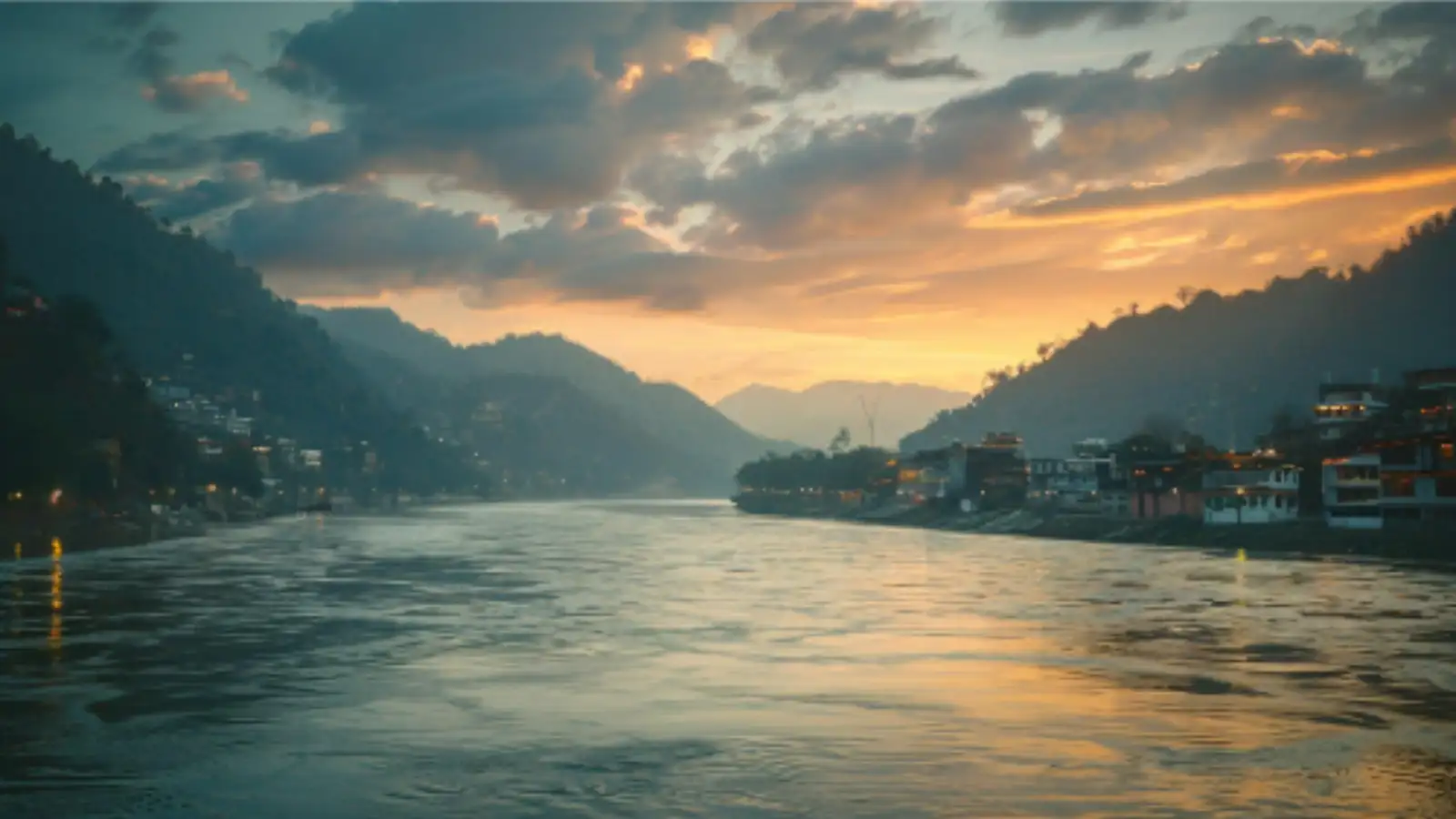
The Journey of the Ganga River
The Ganga begins its sacred journey from the Gangotri Glacier in Uttarakhand, where it is initially called the Bhagirathi. It meets the Alaknanda at Devprayag, after which it is known as the Ganga. From the Himalayas, it travels approximately 2,525 kilometres, flowing through Uttarakhand, Uttar Pradesh, Bihar, Jharkhand, and West Bengal, before emptying into the Bay of Bengal via the Ganges Delta.
Interestingly, while the Ganga flows through five states, its basin spreads across 11 Indian states, including Haryana, Himachal Pradesh, Madhya Pradesh, and Rajasthan, further cementing its status as India’s true lifeline.
Fascinating Facts About the Ganga
Experiencing India Through the Ganga
For travellers, following the Ganga is like experiencing India itself. From the spiritual energy of Rishikesh and Varanasi to the verdant mangroves of the Sundarbans, the river narrates countless human and natural stories. Devotees gather at Triveni Sangam in Prayagraj, fishermen cast nets in West Bengal, and pilgrims perform rituals on its ghats - proving that the Ganga is more than a river; it’s a way of life.
The Journey of the Ganga River
The Ganga begins its sacred journey from the Gangotri Glacier in Uttarakhand, where it is initially called the Bhagirathi. It meets the Alaknanda at Devprayag, after which it is known as the Ganga. From the Himalayas, it travels approximately 2,525 kilometres, flowing through Uttarakhand, Uttar Pradesh, Bihar, Jharkhand, and West Bengal, before emptying into the Bay of Bengal via the Ganges Delta.
- Uttarakhand: The river originates here as Bhagirathi, gaining strength as it merges with Alaknanda.
- Uttar Pradesh: Major cities along the river include Haridwar, Prayagraj, and Varanasi, famous for their ghats and spiritual significance.
- Bihar: In Patna and Bhagalpur, the river reaches over 30 metres deep, making it one of the deepest stretches.
- Jharkhand: Flows through the Sahibganj district, though only for a small stretch.
- West Bengal: Splits into the Hooghly River near Kolkata while the main channel continues into Bangladesh as the Padma.
Interestingly, while the Ganga flows through five states, its basin spreads across 11 Indian states, including Haryana, Himachal Pradesh, Madhya Pradesh, and Rajasthan, further cementing its status as India’s true lifeline.
Fascinating Facts About the Ganga
- Bifurcation in Bengal: The river splits in West Bengal; the Hooghly flows south past Kolkata, while the main river continues as Padma into Bangladesh.
- Deepest Point: Patna holds the river’s deepest measurement at over 100 feet (30 metres).
- World’s Largest Delta: Along with the Brahmaputra, the Ganga forms the Sundarbans Delta , the largest river delta on Earth.
- Endangered Wildlife: The Ganges River Dolphin, one of the rare freshwater dolphin species, calls this river home.
Experiencing India Through the Ganga
For travellers, following the Ganga is like experiencing India itself. From the spiritual energy of Rishikesh and Varanasi to the verdant mangroves of the Sundarbans, the river narrates countless human and natural stories. Devotees gather at Triveni Sangam in Prayagraj, fishermen cast nets in West Bengal, and pilgrims perform rituals on its ghats - proving that the Ganga is more than a river; it’s a way of life.
Next Story