
Gangaur Festival in Rajasthan: Exploring the Traditions, Rituals and Cultural Significance

Rajasthan is known for its colourful festivals, traditional music and deeply rooted customs, and Gangaur holds a special place among them. Celebrated with devotion and enthusiasm, the festival honours Goddess Gauri, a form of Parvati associated with marital happiness, prosperity and devotion. Women worship the goddess, decorate clay or wooden figures, sing traditional songs and take part in community celebrations. Although Gangaur is especially associated with married women praying for their husbands' well-being, unmarried women also participate, seeking a suitable life partner in keeping with local traditions. The festival offers a glimpse into Rajasthan’s religious beliefs, family customs, artistic heritage and community life.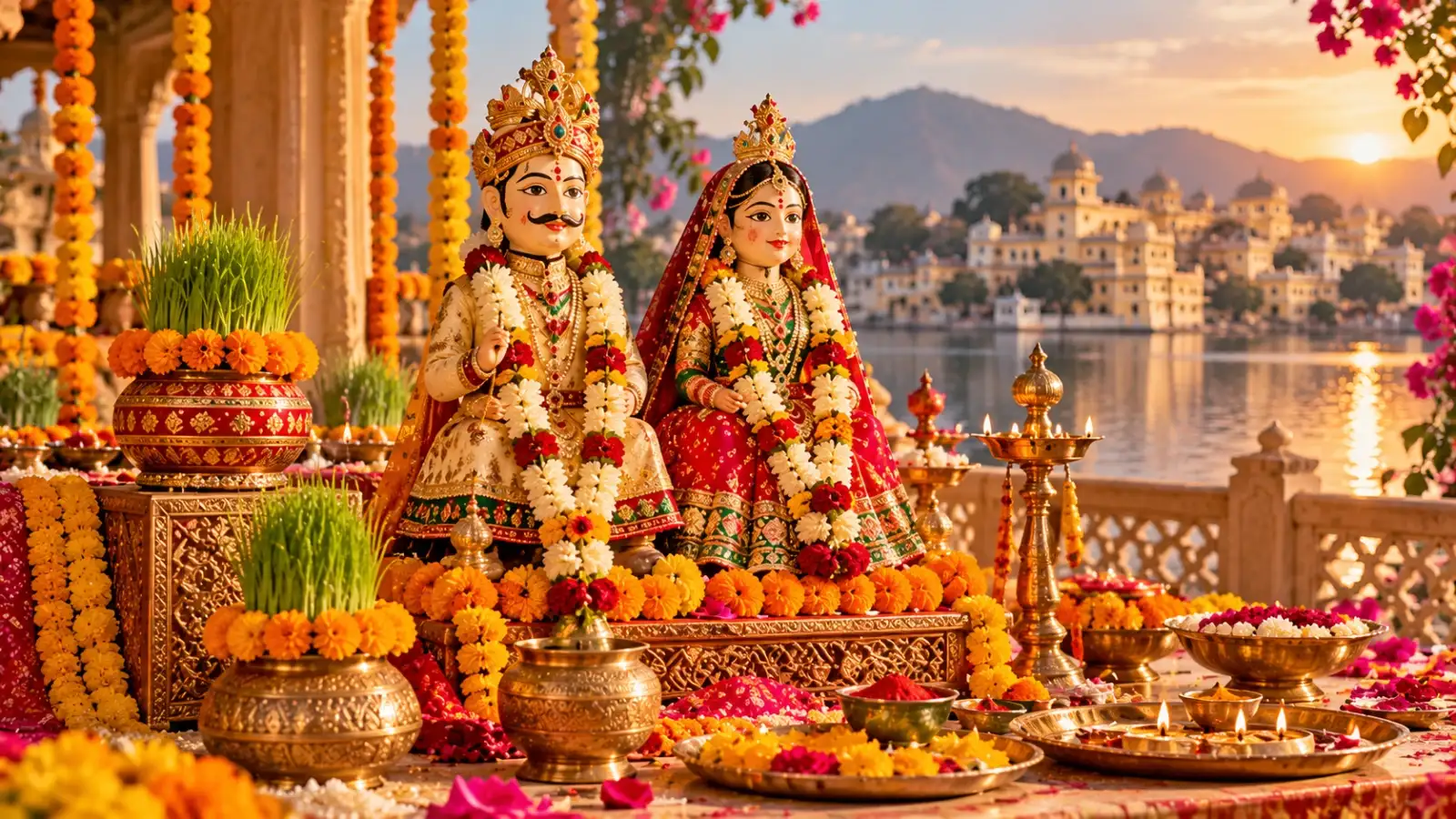
Gangaur is observed across Rajasthan, with celebrations particularly prominent in Jaipur, Udaipur, Jodhpur and other towns. The rituals can differ between communities and regions, reflecting the diversity of Rajasthani culture.
The festival generally begins soon after Holi and continues through the Hindu month of Chaitra. Its main celebrations take place around Chaitra Shukla Tritiya, the third day of the bright lunar fortnight. The corresponding Gregorian date changes each year.
During Gangaur, many married women pray for the well-being and long life of their husbands. Unmarried girls may observe the rituals while praying for a compatible partner and a happy married life.
However, Gangaur is not only about marriage. For many participants, it is also an occasion to express faith, seek blessings for their families and maintain a connection with customs passed down through generations.
Women often decorate the figures, offer flowers and observe prayers during the festival period. Traditional songs form an important part of the celebrations, with lyrics that describe the goddess, married life, family relationships and hopes for prosperity.
In some households, women also sow wheat or barley in small containers at the beginning of the festival. The growing shoots become part of the ritual observances and symbolise fertility, growth and renewal.
Jaipur is particularly known for its public Gangaur procession, which attracts residents and visitors interested in Rajasthan's cultural heritage. Udaipur also holds notable celebrations, with traditional processions and festivities associated with the city's lakeside setting.
The scale and style of these events vary by location. In smaller towns and villages, the festival may be centred more strongly on neighbourhood gatherings and local customs.
Folk songs, local musical traditions and ceremonial decorations contribute to the festival's distinctive atmosphere. Artisans who make or decorate festival figures also help preserve skills that have been practised and adapted across generations.
These cultural expressions make Gangaur more than a religious observance. It also provides a setting in which regional identity and artistic traditions are shared within families and communities.
The festival also attracts tourists who want to experience Rajasthan beyond its forts and palaces. Visitors can learn about local customs, traditional clothing and community celebrations by attending public events respectfully.
For local communities, however, Gangaur remains first and foremost a festival of faith, family bonds and cultural continuity, rather than simply a tourist attraction.
Gangaur reflects the religious beliefs, artistic traditions and community values that shape Rajasthan's cultural identity. Through the worship of Goddess Gauri, traditional songs, decorated figures and public processions, the festival brings generations together around shared customs. Its emphasis on devotion, prosperity and family well-being gives it lasting significance across the state. Whether celebrated in a household or through a large public procession, Gangaur remains an important expression of Rajasthan's living heritage.
1. What Is the Gangaur Festival?
The word Gangaur combines 'Gan', associated with Lord Shiva, and 'Gaur', referring to Goddess Gauri or Parvati. The festival celebrates the divine couple and symbolises love, devotion, prosperity and the importance of family relationships.Gangaur is observed across Rajasthan, with celebrations particularly prominent in Jaipur, Udaipur, Jodhpur and other towns. The rituals can differ between communities and regions, reflecting the diversity of Rajasthani culture.
The festival generally begins soon after Holi and continues through the Hindu month of Chaitra. Its main celebrations take place around Chaitra Shukla Tritiya, the third day of the bright lunar fortnight. The corresponding Gregorian date changes each year.
2. The Religious Significance of Goddess Gauri
Goddess Gauri represents Parvati, the consort of Lord Shiva. In Hindu tradition, she is associated with devotion, strength, prosperity and marital harmony.During Gangaur, many married women pray for the well-being and long life of their husbands. Unmarried girls may observe the rituals while praying for a compatible partner and a happy married life.
However, Gangaur is not only about marriage. For many participants, it is also an occasion to express faith, seek blessings for their families and maintain a connection with customs passed down through generations.
3. Traditional Rituals and Worship
One of the most recognisable features of Gangaur is the worship of figures representing Shiva and Gauri. Depending on local customs, these figures may be made from clay or wood and dressed in colourful clothing.Women often decorate the figures, offer flowers and observe prayers during the festival period. Traditional songs form an important part of the celebrations, with lyrics that describe the goddess, married life, family relationships and hopes for prosperity.
In some households, women also sow wheat or barley in small containers at the beginning of the festival. The growing shoots become part of the ritual observances and symbolise fertility, growth and renewal.
4. Colourful Processions Across Rajasthan
Gangaur celebrations often extend beyond homes and temples into public spaces. Processions featuring decorated idols, traditional clothing, music and folk performances bring communities together.Jaipur is particularly known for its public Gangaur procession, which attracts residents and visitors interested in Rajasthan's cultural heritage. Udaipur also holds notable celebrations, with traditional processions and festivities associated with the city's lakeside setting.
The scale and style of these events vary by location. In smaller towns and villages, the festival may be centred more strongly on neighbourhood gatherings and local customs.
5. Gangaur and Rajasthan’s Traditional Arts
The festival provides an opportunity to appreciate regional crafts and clothing. Figures of Gauri are often decorated with jewellery, fabrics and bright colours, while women may wear traditional Rajasthani attire and ornaments for worship and processions.Folk songs, local musical traditions and ceremonial decorations contribute to the festival's distinctive atmosphere. Artisans who make or decorate festival figures also help preserve skills that have been practised and adapted across generations.
These cultural expressions make Gangaur more than a religious observance. It also provides a setting in which regional identity and artistic traditions are shared within families and communities.
6. Why Gangaur Remains Important Today
Despite changes in lifestyles and urban living, Gangaur continues to connect many Rajasthanis with their cultural roots. Families pass down prayers, songs, recipes and ritual practices, while public celebrations introduce younger generations to local traditions.The festival also attracts tourists who want to experience Rajasthan beyond its forts and palaces. Visitors can learn about local customs, traditional clothing and community celebrations by attending public events respectfully.
For local communities, however, Gangaur remains first and foremost a festival of faith, family bonds and cultural continuity, rather than simply a tourist attraction.
Gangaur reflects the religious beliefs, artistic traditions and community values that shape Rajasthan's cultural identity. Through the worship of Goddess Gauri, traditional songs, decorated figures and public processions, the festival brings generations together around shared customs. Its emphasis on devotion, prosperity and family well-being gives it lasting significance across the state. Whether celebrated in a household or through a large public procession, Gangaur remains an important expression of Rajasthan's living heritage.
Next Story