
Gardening Tips: 5 Indoor Plants That Can Help Make Your Bedroom More Relaxing

If you are looking for a simple way to make your bedroom feel calmer and more relaxing, a few carefully chosen plants may help. Beyond adding greenery, some indoor plants are associated with pleasant aromas, cleaner-feeling spaces and a soothing bedtime environment. Snake plant , jasmine and a few other popular varieties can be worth considering for a sleep-friendly bedroom.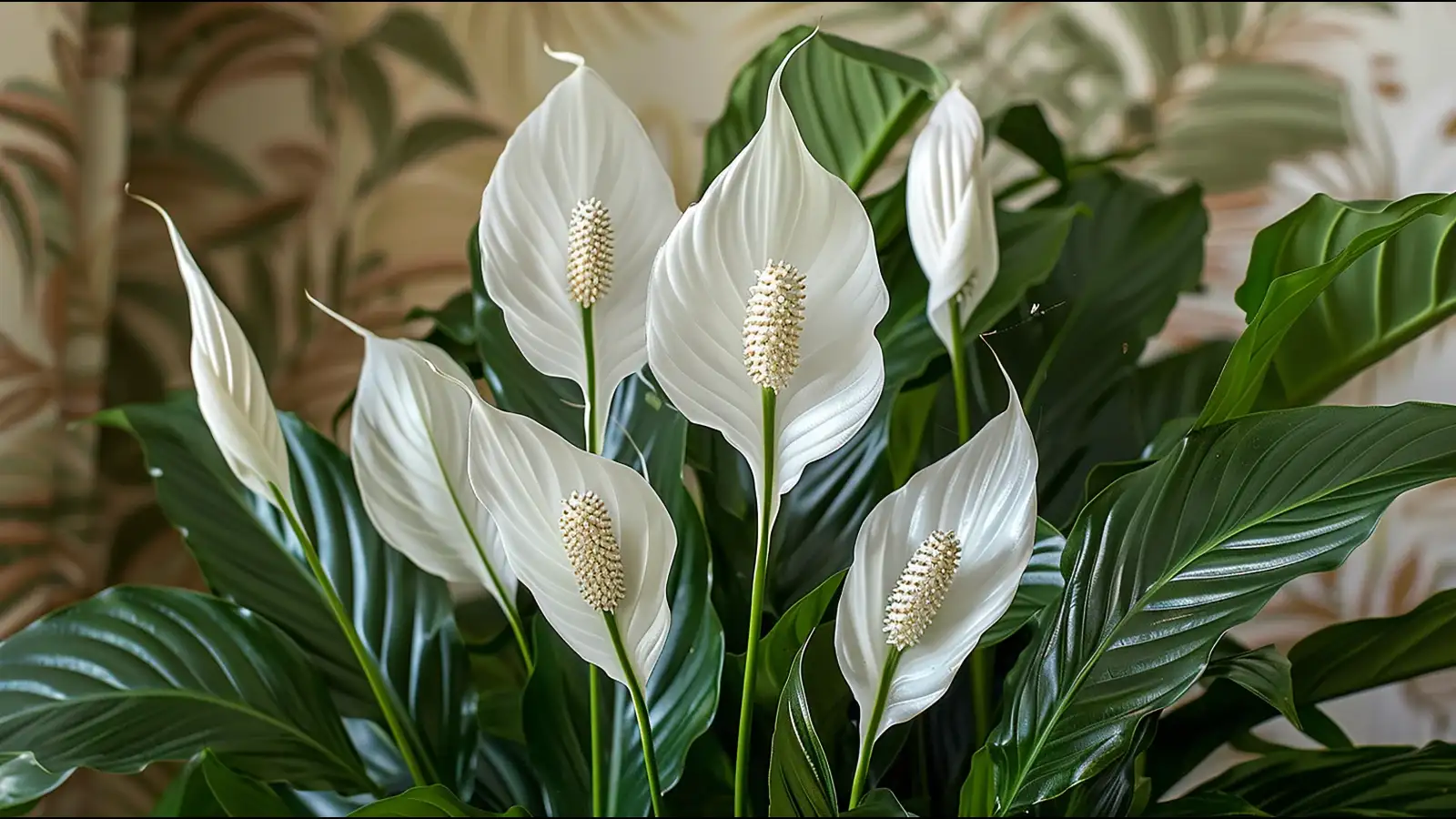
The plant is often associated with air-purifying qualities and is known for its ability to tolerate lower light and irregular watering. Keeping one in the bedroom can add greenery without requiring much daily care.
However, it is important not to treat a snake plant as a substitute for proper ventilation or medical treatment for sleep problems.
Some research has explored the relationship between jasmine fragrance and relaxation or sleep-related outcomes. However, the effects can vary from person to person, and more research is needed before making strong health claims.
If you enjoy floral scents, jasmine can be an attractive addition to a quiet evening routine.
Its scent is often used in bedtime routines, although individual responses can differ. A small plant near a bright window can be a good option if you want to combine gardening with a calming nighttime environment.
Avoid placing strongly scented plants too close to your bed if you are sensitive to fragrances.
Like snake plant, aloe vera is sometimes included in lists of bedroom-friendly plants because of its perceived air-quality benefits. Still, indoor plants should complement, rather than replace, good ventilation and regular cleaning.
It generally prefers indirect light and evenly moist soil. However, peace lilies can be toxic if chewed or swallowed, so they should be kept away from children and pets.
If you have persistent difficulty sleeping, frequent nighttime waking or other ongoing sleep concerns, consider speaking with a healthcare professional rather than relying only on plants.
Disclaimer: The information provided is for general information purposes only. Individual responses to plants and fragrances may vary. These plants should not be considered a treatment or cure for sleep disorders or other health conditions. NewsPoint does not claim that keeping these plants indoors will directly improve sleep quality.
Snake Plant
Snake plants are among the easiest indoor plants to maintain. Their upright leaves add a neat, refreshing touch to bedrooms and other indoor spaces.The plant is often associated with air-purifying qualities and is known for its ability to tolerate lower light and irregular watering. Keeping one in the bedroom can add greenery without requiring much daily care.
However, it is important not to treat a snake plant as a substitute for proper ventilation or medical treatment for sleep problems.
Jasmine
Jasmine is popular for its delicate flowers and sweet fragrance. Its pleasant scent can create a relaxing atmosphere, which may make it a suitable choice for a bedroom or nearby indoor space.Some research has explored the relationship between jasmine fragrance and relaxation or sleep-related outcomes. However, the effects can vary from person to person, and more research is needed before making strong health claims.
If you enjoy floral scents, jasmine can be an attractive addition to a quiet evening routine.
Lavender
Lavender is widely recognised for its soothing fragrance and is commonly associated with relaxation. A lavender plant can also bring colour and a gentle natural aroma to your home.Its scent is often used in bedtime routines, although individual responses can differ. A small plant near a bright window can be a good option if you want to combine gardening with a calming nighttime environment.
You may also like
- Aspiring actors should understand their strengths and how Bollywood functions, says actor Yash Ahlawat
- Supporting horses, sustaining livelihood: Kolkata warms up to a humane revival of a maidan ritual
- Houseplants that can survive in zero light
- Women's Health Tips: These health tests are essential for women after 30; pay close attention if you experience fatigue or weakness..
- Mahishashur Mardini is a must on Mahalaya, no matter where I am: Amrita Bagchi
Avoid placing strongly scented plants too close to your bed if you are sensitive to fragrances.
Aloe Vera
Aloe vera is another low-maintenance plant that can work well indoors. It prefers bright light and relatively little watering, making it suitable for people who do not want a plant that needs constant attention.Like snake plant, aloe vera is sometimes included in lists of bedroom-friendly plants because of its perceived air-quality benefits. Still, indoor plants should complement, rather than replace, good ventilation and regular cleaning.
Peace Lily
Peace lily is known for its broad green leaves and white flowers, making it a popular indoor plant. It can add a fresh, natural appearance to a bedroom and may contribute to a more pleasant indoor environment.It generally prefers indirect light and evenly moist soil. However, peace lilies can be toxic if chewed or swallowed, so they should be kept away from children and pets.
Choose Plants For A Calmer Bedroom
Plants can make a bedroom feel more inviting, but their presence alone cannot guarantee better sleep. Your overall sleep environment also matters. Keep the room comfortable, reduce excessive light and noise, maintain good ventilation and follow a consistent bedtime routine.If you have persistent difficulty sleeping, frequent nighttime waking or other ongoing sleep concerns, consider speaking with a healthcare professional rather than relying only on plants.
Disclaimer: The information provided is for general information purposes only. Individual responses to plants and fragrances may vary. These plants should not be considered a treatment or cure for sleep disorders or other health conditions. NewsPoint does not claim that keeping these plants indoors will directly improve sleep quality.






Loving Newspoint? Download the app now
