
From Vintage Denim to Y2K Styles: Why Thrifting Is Trending Among Indian Gen Z

Fashion trends change quickly, but buying brand-new clothes every time a new style appears can be expensive. For many young shoppers in India, thrift stores are becoming an alternative, offering everything from vintage denim and oversized jackets to unique accessories at potentially lower prices.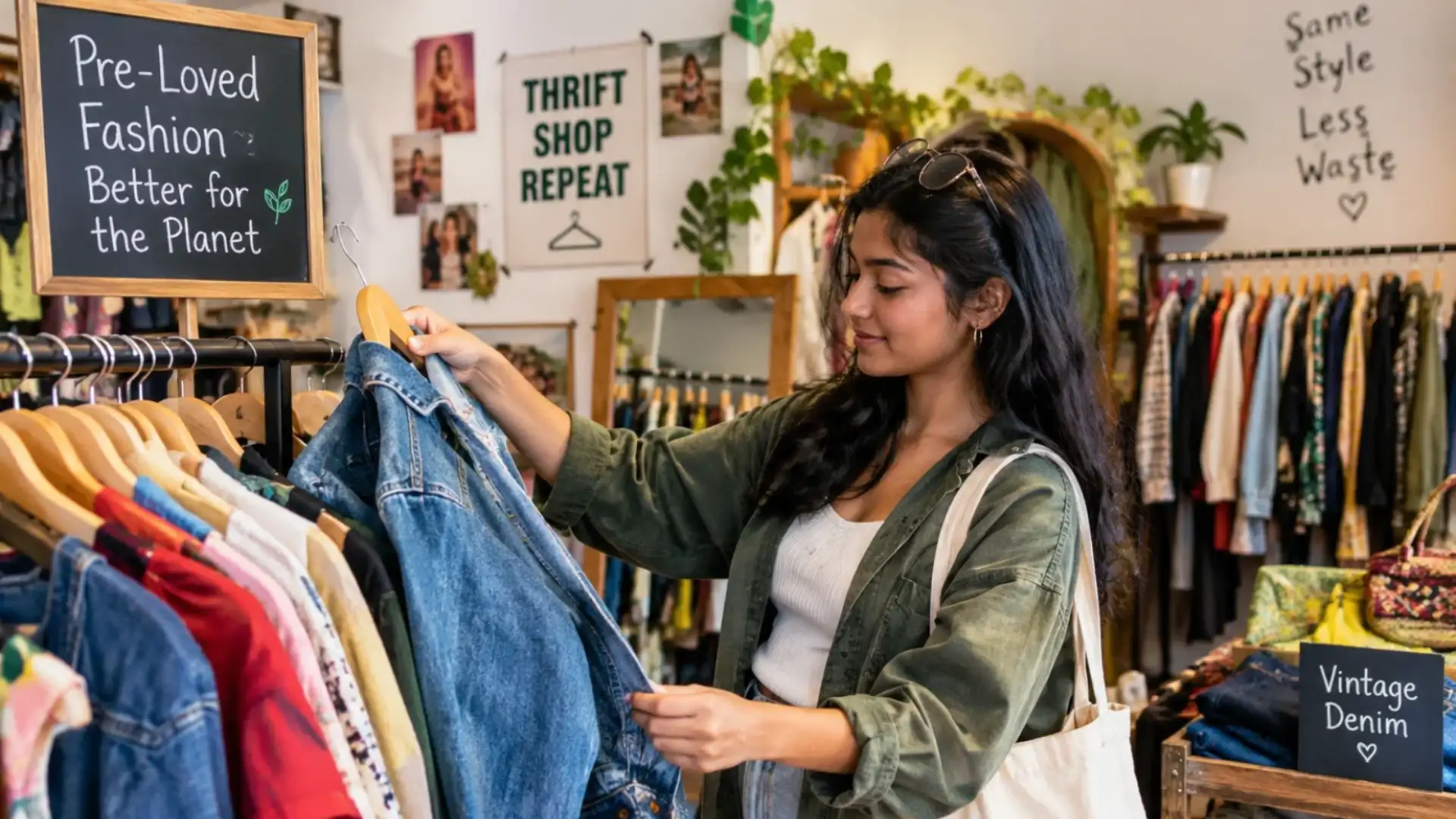
The growing interest in second-hand fashion is also showing up online. According to Google India, searches for thrifting reached an all-time high in the country over the past year. Searches for “how to thrift” increased by 850%, while searches for “thrift store near me” rose by 600%. The figures suggest that more Indians are exploring pre-loved fashion, whether out of curiosity or with the intention of shopping.
So, why is thrifting gaining popularity among Gen Z, and what makes second-hand clothing appealing to a generation that has grown up surrounded by fast fashion and online shopping?
Thrift stores may stock everything from everyday shirts and jeans to vintage pieces and branded clothing. However, prices vary depending on the item's condition, brand, rarity and seller. Not every thrifted item is necessarily cheaper, so comparing prices remains important.
Unlike conventional retail stores, where multiple copies of the same design may be available, thrift collections often contain limited quantities of individual pieces. This makes browsing part of the experience, particularly for shoppers who enjoy discovering unexpected finds.
Social media has helped bring this style of shopping into the spotlight. Online thrift sellers showcase curated collections through photographs, styling videos and social media posts, making second-hand fashion easier for young shoppers to discover.
For shoppers concerned about fashion waste, second-hand clothing provides an opportunity to make more considered purchasing decisions. However, thrifting alone does not guarantee sustainable consumption. The benefits depend partly on how often people shop, how long they use their purchases and whether second-hand buying actually replaces unnecessary new purchases.
Instagram and other digital platforms allow sellers to display their collections, communicate with buyers and accept orders without necessarily operating a conventional retail store. This has also created opportunities for young entrepreneurs to turn second-hand fashion into a business.
However, online thrift shopping requires some care. Buyers should check garment measurements, examine available photographs, read seller reviews and understand shipping and return policies before paying. Prices that seem unusually attractive should also be approached cautiously.
The growing interest in thrift stores reflects a changing approach to fashion among young Indians. Affordable prices, distinctive clothing, social media discovery and an interest in reusing garments have all helped make second-hand shopping more appealing.
With Google India reporting record search interest in thrifting, the trend is clearly attracting attention. Whether Gen Z shoppers are looking for vintage finds, trying to manage their budgets or exploring more mindful ways to shop, thrift fashion offers an alternative to buying everything new. Its lasting appeal, however, will depend on whether shoppers can find good-quality pieces, make informed purchases and use their clothes for longer.
The growing interest in second-hand fashion is also showing up online. According to Google India, searches for thrifting reached an all-time high in the country over the past year. Searches for “how to thrift” increased by 850%, while searches for “thrift store near me” rose by 600%. The figures suggest that more Indians are exploring pre-loved fashion, whether out of curiosity or with the intention of shopping.
So, why is thrifting gaining popularity among Gen Z, and what makes second-hand clothing appealing to a generation that has grown up surrounded by fast fashion and online shopping?
1. Affordable Fashion Without Compromising on Style
One of the biggest attractions of thrift shopping is the possibility of finding interesting clothes without spending as much as one might on brand-new alternatives. For students and young professionals managing limited budgets, second-hand fashion can offer a way to experiment with personal style while keeping spending under control.Thrift stores may stock everything from everyday shirts and jeans to vintage pieces and branded clothing. However, prices vary depending on the item's condition, brand, rarity and seller. Not every thrifted item is necessarily cheaper, so comparing prices remains important.
2. Finding Clothes That Stand Out
Another reason behind the popularity of thrift fashion is the opportunity to find pieces that are less common in mainstream stores. Vintage jackets, distinctive denim, retro prints and Y2K-inspired outfits appeal to shoppers who want their wardrobes to feel more personal.Unlike conventional retail stores, where multiple copies of the same design may be available, thrift collections often contain limited quantities of individual pieces. This makes browsing part of the experience, particularly for shoppers who enjoy discovering unexpected finds.
Social media has helped bring this style of shopping into the spotlight. Online thrift sellers showcase curated collections through photographs, styling videos and social media posts, making second-hand fashion easier for young shoppers to discover.
3. Is Sustainability Driving the Trend?
Thrifting also offers an alternative to constantly purchasing new clothing. Buying pre-loved garments can extend their useful life and reduce the need to replace items that are still wearable.You may also like
- Why Ignoring That Nightly Tingling Could Signal Serious Nerve Compression
- How Many Decibels Can Human Ears Handle Before Sound Waves Turn Fatal
- Chorionic Villus Sampling: Why and How Is It Performed?
- Meet Cillian O'Connor, the 15-year-old magician who performs 28 tricks in 60 seconds; he started learning magic at 7 and now uses it to help other children build confidence
- Why not knowing may be your greatest strength: Santhosh Jayaram's book challenges conventional ideas of intelligence and leadership
For shoppers concerned about fashion waste, second-hand clothing provides an opportunity to make more considered purchasing decisions. However, thrifting alone does not guarantee sustainable consumption. The benefits depend partly on how often people shop, how long they use their purchases and whether second-hand buying actually replaces unnecessary new purchases.
4. From Local Markets to Instagram Thrift Stores
In India, second-hand shopping is not entirely new. Markets such as Sarojini Nagar in Delhi have long attracted shoppers looking for affordable clothing and distinctive finds. What has changed is how easily thrift sellers can reach customers online.Instagram and other digital platforms allow sellers to display their collections, communicate with buyers and accept orders without necessarily operating a conventional retail store. This has also created opportunities for young entrepreneurs to turn second-hand fashion into a business.
However, online thrift shopping requires some care. Buyers should check garment measurements, examine available photographs, read seller reviews and understand shipping and return policies before paying. Prices that seem unusually attractive should also be approached cautiously.
The growing interest in thrift stores reflects a changing approach to fashion among young Indians. Affordable prices, distinctive clothing, social media discovery and an interest in reusing garments have all helped make second-hand shopping more appealing.
With Google India reporting record search interest in thrifting, the trend is clearly attracting attention. Whether Gen Z shoppers are looking for vintage finds, trying to manage their budgets or exploring more mindful ways to shop, thrift fashion offers an alternative to buying everything new. Its lasting appeal, however, will depend on whether shoppers can find good-quality pieces, make informed purchases and use their clothes for longer.






Loving Newspoint? Download the app now
