
Giardiasis During Pregnancy: Symptoms, Causes, Diagnosis, and Treatment


Giardiasis during pregnancy is an intestinal infection caused by a tiny parasite called Giardia. You can become infected after swallowing the parasite through contaminated water, food, hands, surfaces, or objects. The infection can spread easily through faecal contamination. Poor hand hygiene, unsafe drinking water, and contaminated food can increase your exposure. Some people have no symptoms. Others develop diarrhoea, stomach discomfort, gas, nausea, or tiredness. The symptoms may last for several weeks. During pregnancy, prolonged diarrhoea can cause fluid loss. Therefore, you should speak to your doctor if your symptoms persist or become difficult to manage.
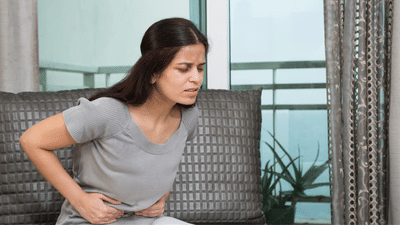

What Causes Giardiasis During Pregnancy?You can develop giardiasis when you swallow Giardia germs. They are usually passed in the faeces of an infected person or animal. You may be exposed through:
Safe drinking water, careful food handling, and regular handwashing can help reduce your risk.
Symptoms of Giardiasis During PregnancyYou may have no symptoms. When symptoms occur, they can include:
Can Giardiasis Affect Your Baby?Giardiasis does not usually mean that the infection has directly affected your baby. However, prolonged diarrhoea can cause dehydration. Ongoing symptoms may also make it difficult for you to eat and absorb enough nutrients. Therefore, persistent symptoms during pregnancy may indirectly affect the health of your growing baby.
Diagnosis and Treatment of Giardiasis During PregnancyYour doctor may diagnose your condition based on the following factors:
What Should You Do If You Suspect Giardiasis?You should take the following measures if you suspect such an infection:
Whether you’re pregnant, a new mom, or navigating postpartum, you don’t have to do it alone. Join our support group to connect, share, and support one another.
FAQs on Giardiasis During Pregnancy: Symptoms, Causes, Diagnosis, and TreatmentCan giardiasis cause dehydration during pregnancy?
Yes. Frequent diarrhoea can cause loss of fluids and electrolytes. Pregnancy can increase the risk of dehydration from diarrhoeal illness, so persistent diarrhoea should be assessed by a healthcare professional. Can you get giardiasis from drinking tap water?
It depends on the safety and treatment of the water supply. Giardia can spread through contaminated drinking water. If you are unsure whether your water is safe, use a reliable source of treated drinking water. Is treatment for giardiasis safe during pregnancy?
Treatment needs to be decided by your doctor. Different medicines may be used for giardiasis, but your pregnancy, symptoms, medical history, and nutritional status should be considered before treatment is chosen.
What Causes Giardiasis During Pregnancy?You can develop giardiasis when you swallow Giardia germs. They are usually passed in the faeces of an infected person or animal. You may be exposed through:
- Drinking contaminated or untreated water
- Eating food contaminated with Giardia
- Touching contaminated surfaces and then touching your mouth
- Close contact with someone who has the infection
- Poor hand hygiene after using the toilet or changing nappies
- Swimming in contaminated recreational water and accidentally swallowing it
| Source | How exposure can happen |
| Drinking water | Water contaminated with faecal matter may contain Giardia |
| Food | Food can become contaminated during preparation or handling |
| Hands and surfaces | Germs can spread from contaminated hands, bathroom surfaces, toys, or objects |
| Recreational water | You may become infected after swallowing contaminated pool, lake, river, or other water |
Symptoms of Giardiasis During PregnancyYou may have no symptoms. When symptoms occur, they can include:
- Diarrhoea
- Foul-smelling or greasy stools that may float
- Gas and bloating
- Stomach cramps or pain
- Nausea
- Tiredness
- Reduced appetite
- Weight loss
- Dehydration
Can Giardiasis Affect Your Baby?Giardiasis does not usually mean that the infection has directly affected your baby. However, prolonged diarrhoea can cause dehydration. Ongoing symptoms may also make it difficult for you to eat and absorb enough nutrients. Therefore, persistent symptoms during pregnancy may indirectly affect the health of your growing baby.
Diagnosis and Treatment of Giardiasis During PregnancyYour doctor may diagnose your condition based on the following factors:
- Symptoms
- Recent food and water exposure
- Travel history
- Household illness
- Possible contact with someone who has diarrhoea
What Should You Do If You Suspect Giardiasis?You should take the following measures if you suspect such an infection:
- Speak to your obstetrician or doctor
- Tell them that you are pregnant
- Follow any recommended stool testing
- Drink enough safe fluids to reduce the risk of dehydration
- Eat as tolerated if diarrhoea has affected your appetite
- Wash your hands with soap and water regularly
- Avoid preparing food for others while you are unwell
- Avoid drinking water that you are unsure is safe
Whether you’re pregnant, a new mom, or navigating postpartum, you don’t have to do it alone. Join our support group to connect, share, and support one another.
FAQs on Giardiasis During Pregnancy: Symptoms, Causes, Diagnosis, and Treatment
Yes. Frequent diarrhoea can cause loss of fluids and electrolytes. Pregnancy can increase the risk of dehydration from diarrhoeal illness, so persistent diarrhoea should be assessed by a healthcare professional.
It depends on the safety and treatment of the water supply. Giardia can spread through contaminated drinking water. If you are unsure whether your water is safe, use a reliable source of treated drinking water.
Treatment needs to be decided by your doctor. Different medicines may be used for giardiasis, but your pregnancy, symptoms, medical history, and nutritional status should be considered before treatment is chosen.
Next Story