
Gold Found in Indian Rivers: 3 Rivers in India Where Gold Is Still Discovered

Gold found in Indian rivers is a fascinating subject that blends geology, history, and local traditions. While India is widely known for its gold mines, a few rivers also carry tiny traces of this precious metal. Over time, natural processes transport gold particles from mineral-rich hills into riverbeds, making these rivers historically significant.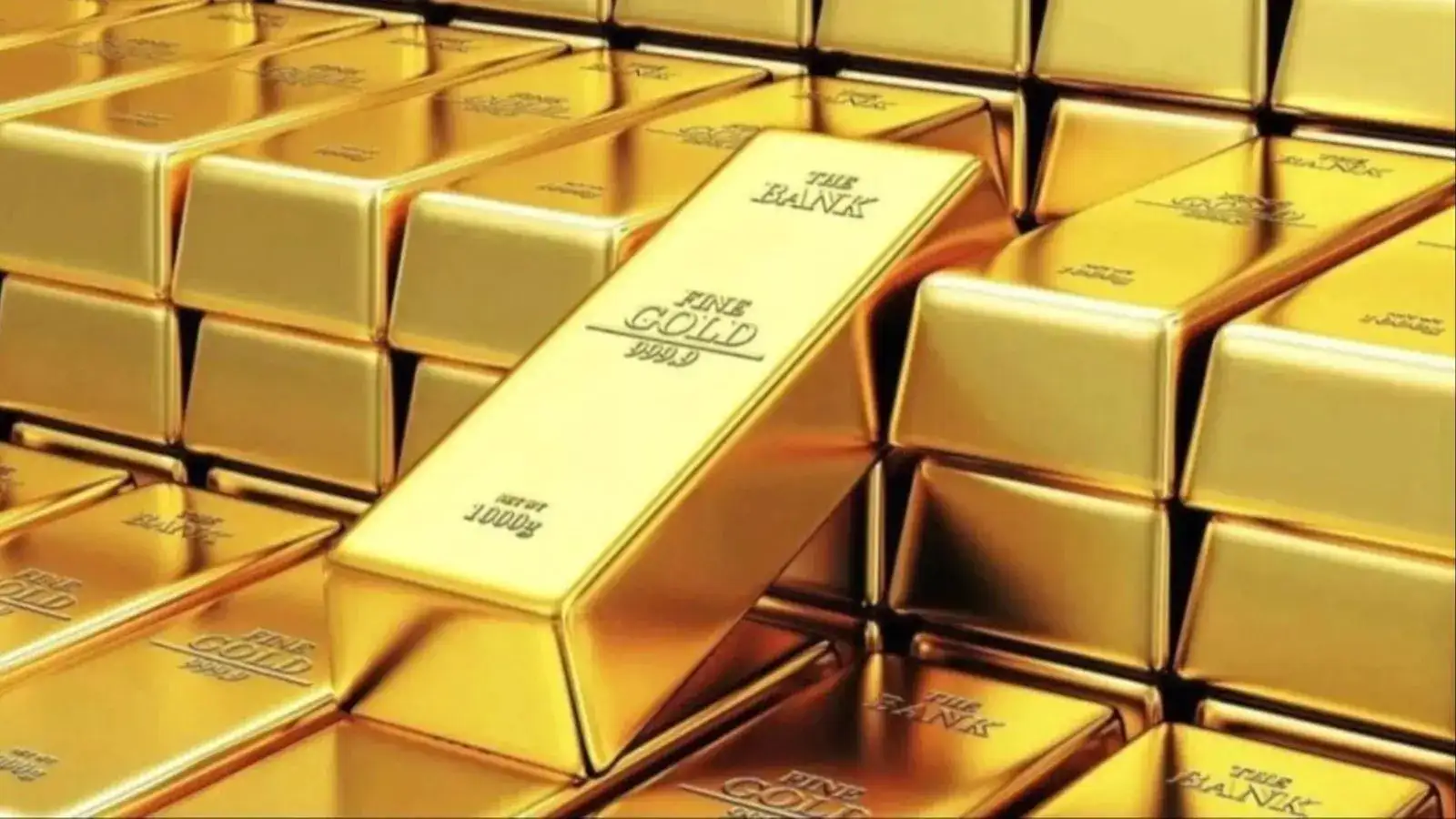
Subarnarekha River: India’s “Golden Line”
The Subarnarekha River is the most well-known river associated with gold in India. Its name literally translates to “Golden Line,” highlighting its connection with gold deposits.
For generations, people living near the river used traditional washing methods to extract small amounts of gold from its sediments.
Son River: A Hidden Source of Gold Traces
The Son River is another river where traces of gold have been reported over the years.
Although not used for commercial mining, the river has drawn attention due to its mineral potential.
Ken River: Mineral-Rich Waters with Gold Presence
The Ken River is also believed to contain small quantities of gold within its sediments.
Apart from its mineral importance, the river plays a crucial role in sustaining local ecosystems.
Which Is the Largest Gold-Producing State in India?
Karnataka holds the title of the largest gold-producing state in India.
Interesting Facts About Gold Found in Indian Rivers
1. Why Subarnarekha Is Called the “Golden Line”
The name comes from Sanskrit words meaning gold and line, reflecting the long-standing presence of gold particles in the river. Local folklore often links the river with hidden wealth.
2. Gold in Rivers Is Extremely Tiny
3. Gold Originates from Mountain Rocks
Gold particles in rivers come from mineral-rich rocks in nearby hills. Over time, erosion breaks these rocks, and flowing water carries the particles downstream where they settle.
4. Traditional Gold Panning Was Common
Earlier, people used simple tools like pans and sieves to collect gold from riverbeds. This method relied on separating heavier gold particles from lighter sand.
5. Rivers Helped Identify Gold-Rich Regions
The discovery of gold in rivers often guided early explorers to nearby mineral-rich zones, helping identify potential mining areas.
Although the quantity is small, gold found in Indian rivers continues to spark curiosity and historical interest. Rivers like Subarnarekha, Son, and Ken highlight how nature slowly distributes precious minerals over time, making them unique parts of India’s geological and cultural landscape.
Subarnarekha River: India’s “Golden Line”
The Subarnarekha River is the most well-known river associated with gold in India. Its name literally translates to “Golden Line,” highlighting its connection with gold deposits.
- Flows through Jharkhand, West Bengal, and Odisha
- Passes through mineral-rich regions
- Known for tiny gold flakes found in river sand
- Local communities historically practised gold collection
For generations, people living near the river used traditional washing methods to extract small amounts of gold from its sediments.
Son River: A Hidden Source of Gold Traces
The Son River is another river where traces of gold have been reported over the years.
- Originates in Madhya Pradesh
- Flows through Uttar Pradesh and Bihar before merging with the Ganga
- Passes through rocky and mineral-rich terrain
- Geological findings suggest the presence of gold particles
Although not used for commercial mining, the river has drawn attention due to its mineral potential.
Ken River: Mineral-Rich Waters with Gold Presence
The Ken River is also believed to contain small quantities of gold within its sediments.
- Flows across Madhya Pradesh and Uttar Pradesh
- Moves through rugged, mineral-rich landscapes
- Gold particles mix with sand due to natural weathering
- Supports agriculture and wildlife in surrounding areas
Apart from its mineral importance, the river plays a crucial role in sustaining local ecosystems.
Which Is the Largest Gold-Producing State in India?
Karnataka holds the title of the largest gold-producing state in India.
- Home to the famous Kolar Gold Fields
- Once counted among the deepest gold mines globally
- Has contributed significantly to India’s gold output
- Remains a key region in the country’s mining history
Interesting Facts About Gold Found in Indian Rivers
1. Why Subarnarekha Is Called the “Golden Line”
The name comes from Sanskrit words meaning gold and line, reflecting the long-standing presence of gold particles in the river. Local folklore often links the river with hidden wealth.
2. Gold in Rivers Is Extremely Tiny
- Found mostly as fine flakes or dust
- Rarely appears as large nuggets
- Requires careful washing and filtering to extract
3. Gold Originates from Mountain Rocks
Gold particles in rivers come from mineral-rich rocks in nearby hills. Over time, erosion breaks these rocks, and flowing water carries the particles downstream where they settle.
4. Traditional Gold Panning Was Common
Earlier, people used simple tools like pans and sieves to collect gold from riverbeds. This method relied on separating heavier gold particles from lighter sand.
5. Rivers Helped Identify Gold-Rich Regions
The discovery of gold in rivers often guided early explorers to nearby mineral-rich zones, helping identify potential mining areas.
Although the quantity is small, gold found in Indian rivers continues to spark curiosity and historical interest. Rivers like Subarnarekha, Son, and Ken highlight how nature slowly distributes precious minerals over time, making them unique parts of India’s geological and cultural landscape.
Next Story