
Why This Bright Yellow Frog Is One Of The World’s Most Toxic Animals

The Golden Poison Dart Frog is widely regarded as one of the most toxic animals on earth . Found in the rainforests of Colombia, this tiny amphibian stands out with its bright yellow or orange skin.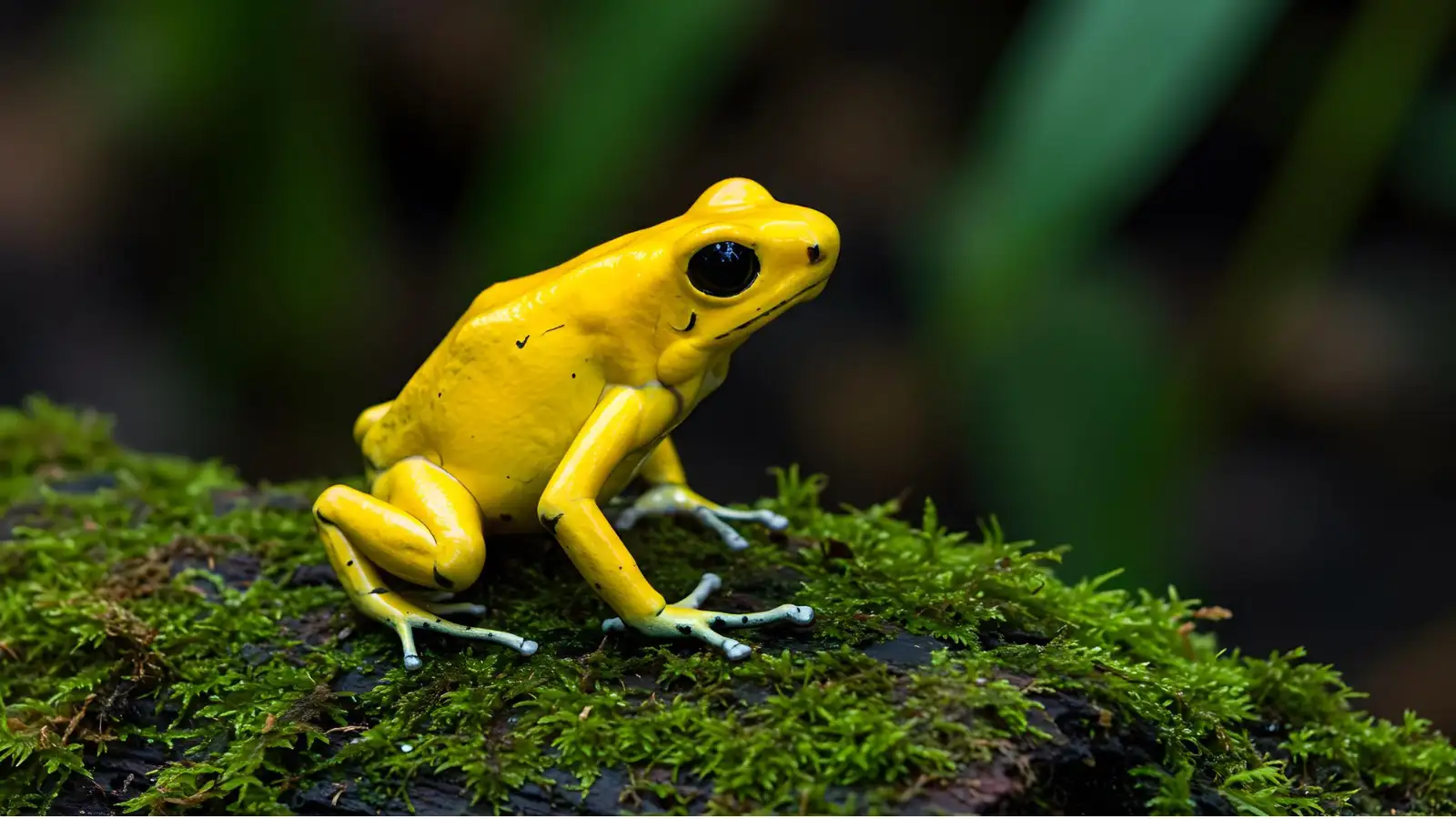
Its striking colour is not just for display, it acts as a warning signal to predators, indicating extreme toxicity.
Highly Toxic Skin and Deadly Defence
What makes the golden poison dart frog so dangerous is the toxin secreted through its skin. Unlike snakes or spiders, this frog does not bite, it releases poison externally.
The toxin, known as Batrachotoxin, is one of the most potent natural poisons known. It affects both the heart and nervous system, making it a key subject in batrachotoxin effects research.
Even a tiny amount can disrupt nerve signals, leading to paralysis or severe cardiac issues. There is currently no specific antidote, making it one of the most feared toxins in the animal kingdom.
Appearance and Identification
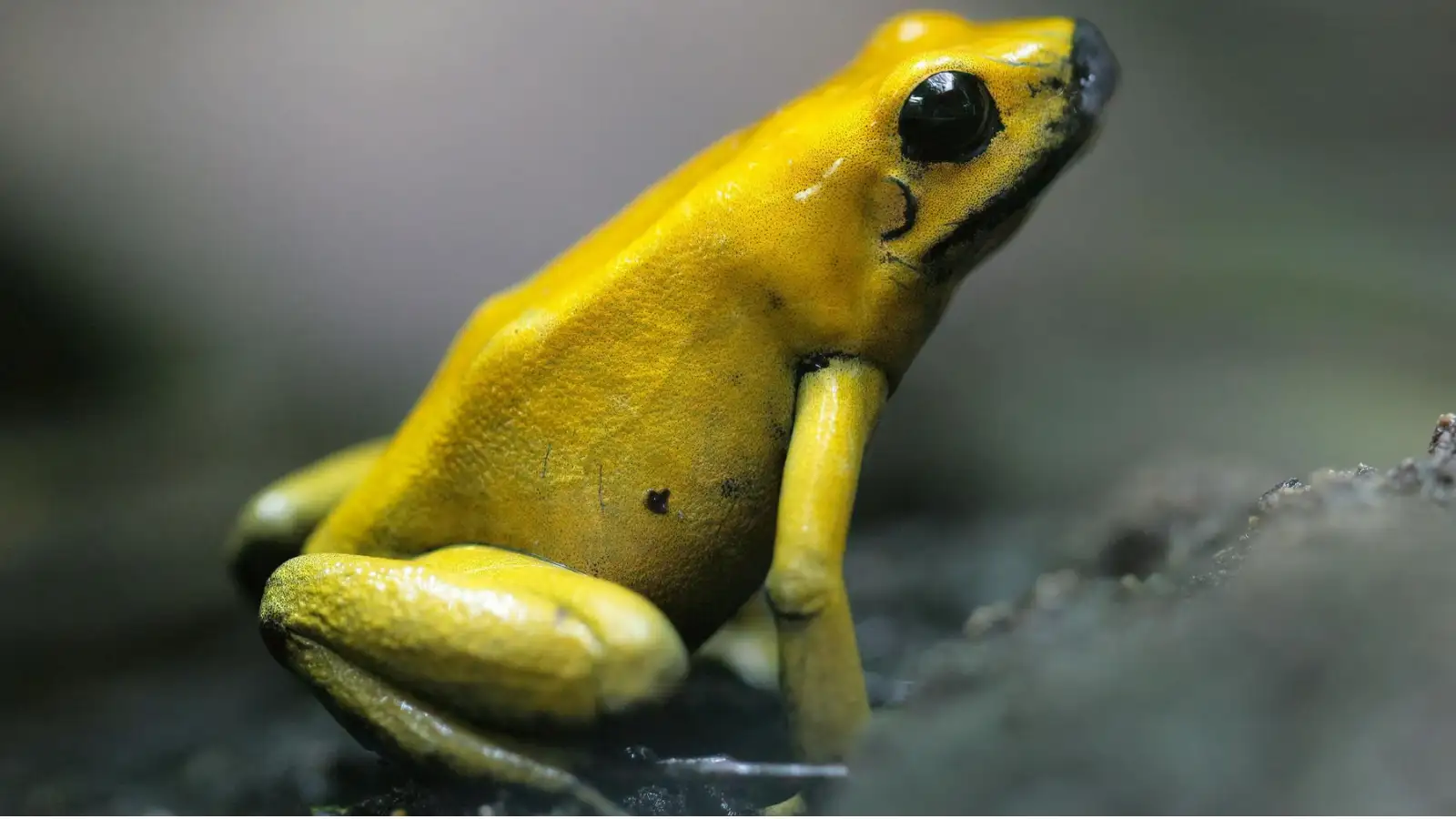
The poison dart frog facts reveal that this species is small usually around 2 inches long but visually striking. Its colour ranges from bright yellow to orange or even pale green.
Young frogs appear black with yellow stripes, which gradually turn into a solid bright shade as they mature. Despite their size, they are among the most recognisable toxic amphibians in the world.
Read More: Animals With Sixth Sense? 5 Creatures That Spot Danger Early
Habitat and Lifestyle
The Golden Poison Dart Frog lives in a limited region of tropical rainforest in western Colombia. These rainforest animals colombia prefer moist environments near streams and forest floors.
They feed on small insects like ants, beetles, and flies. Interestingly, their toxicity is believed to come from their diet in the wild.
Why It Is One of the Most Dangerous Animals
Among all dangerous animals world , this frog stands out due to its chemical defence. A single frog can carry enough toxin to affect multiple humans under certain conditions.
However, its limited habitat means it rarely comes into contact with people, making real-world encounters extremely rare.
Conservation and Threats
Despite its deadly nature, the Golden Poison Dart Frog is listed as endangered. Habitat destruction due to deforestation and mining threatens its survival.
Conservation efforts are underway to protect these poisonous frogs facts and preserve their natural habitat.
The golden poison dart frog proves that size does not determine danger. As one of the most toxic animals on earth, it combines beauty with lethal chemistry.
This fascinating amphibian highlights the incredible diversity of nature while reminding us of the importance of conservation and scientific study.
Its striking colour is not just for display, it acts as a warning signal to predators, indicating extreme toxicity.
Highly Toxic Skin and Deadly Defence
What makes the golden poison dart frog so dangerous is the toxin secreted through its skin. Unlike snakes or spiders, this frog does not bite, it releases poison externally.The toxin, known as Batrachotoxin, is one of the most potent natural poisons known. It affects both the heart and nervous system, making it a key subject in batrachotoxin effects research.
Even a tiny amount can disrupt nerve signals, leading to paralysis or severe cardiac issues. There is currently no specific antidote, making it one of the most feared toxins in the animal kingdom.
Appearance and Identification
The poison dart frog facts reveal that this species is small usually around 2 inches long but visually striking. Its colour ranges from bright yellow to orange or even pale green. Young frogs appear black with yellow stripes, which gradually turn into a solid bright shade as they mature. Despite their size, they are among the most recognisable toxic amphibians in the world.
Read More: Animals With Sixth Sense? 5 Creatures That Spot Danger Early
Habitat and Lifestyle
The Golden Poison Dart Frog lives in a limited region of tropical rainforest in western Colombia. These rainforest animals colombia prefer moist environments near streams and forest floors.You may also like
- Priyanka Chopra crowned Bentley's global face - her dramatic trench coat moment steals the show
- Understanding the Key Differences Between Sunscreen and Sunblock
- PMMY Loan Scheme: Starting Your Own Business Just Got Easier—The Government Offers Assistance; Learn How to Avail the Benefits
- Essential Foods for Kidney Health: Protect Your Kidneys Naturally
- Crispy & Juicy Chapli Kebab: Make Islamabad's Famous Street-Style Recipe at Home
They feed on small insects like ants, beetles, and flies. Interestingly, their toxicity is believed to come from their diet in the wild.
Why It Is One of the Most Dangerous Animals
Among all dangerous animals world , this frog stands out due to its chemical defence. A single frog can carry enough toxin to affect multiple humans under certain conditions. However, its limited habitat means it rarely comes into contact with people, making real-world encounters extremely rare.
Conservation and Threats
Despite its deadly nature, the Golden Poison Dart Frog is listed as endangered. Habitat destruction due to deforestation and mining threatens its survival. Conservation efforts are underway to protect these poisonous frogs facts and preserve their natural habitat.
The golden poison dart frog proves that size does not determine danger. As one of the most toxic animals on earth, it combines beauty with lethal chemistry.
This fascinating amphibian highlights the incredible diversity of nature while reminding us of the importance of conservation and scientific study.






More from our partners


Loving Newspoint? Download the app now
